


 Norsk nynorsk
  English (UK)
  Русский
  বাংলা
বাংলা  العربية
  日本語
日本語  한국어
한국어  Magyar
  Türkçe
  עִבְרִית
  Español
  Čeština
  Svenska
  Português
  Ελληνικά
  Suomi
Suomi  Nederlands
  Română
  Italiano
  Français
  Polski
  Українська
  Deutsch
  简体中文
简体中文  Slovenčina
  Српски језик
  اردو
اردو  Azərbaycan dili
  O‘zbekcha
  አማርኛ
አማርኛ 
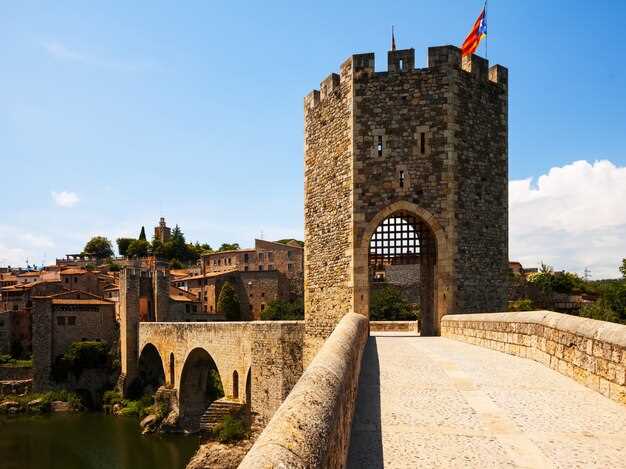
La Mota Fortress, an impressive structure built during the late 13th century, stands as a testament to the rich history of Andalusia. This formidable àlƙásà is located in the town of Alcalá la Real, an essential urban point in the campaign to capture the granadino region. Once a defensive stronghold, it was specifically designed to protect against incursions from both Christian and Muslim forces during a tumultuous period marked by a series of conflicts.
The fortress, named after its elevated location, is characterized by its impressive towers and fortified walls which communicate with the surrounding landscape. Sections of the mampostería can still be found, showcasing the architectural techniques of the time. Visitors can follow the remnants of its storied past, accessing areas that were once bustling with activity, including the vibrant marketplace that was located at the plaza. Although certain parts of the fortress have remained abandoned over the years, they hold stories waiting to be uncovered.
Touring La Mota provides not only a glimpse into defensive architecture but also a deeper understanding of the cultural exchanges that occurred in this region. The fortifications echoed with the sounds of flamenco music on certain nights, as locals celebrated their rich heritage. Today, it serves as a significant getaway for those wishing to immerse themselves in history, making it a must-visit destination for tourists exploring Spain. For many, La Mota stands as one of the numerous places that define the historic landscape of southern Spain, particularly with its proximity to the renowned Alhambra.
Understanding the Historical Significance of La Mota Fortress
La Mota Fortress stands as a remarkable example of mediaeval military architecture, holding great historical significance within Spain’s rich cultural tapestry. Built during the late reconquest period, this fortified complex served as a defensive stronghold for the forces that sought to reclaim territory from the Moors. The castle’s strategic location allowed it to effectively communicate with surrounding regions, making it a vital line of defense.
Surrounded by a complex series of towers and walls, La Mota was constructed using mampostería, a technique that has remained effective through the centuries. The fortress has undergone several restorations over time, reflecting the historical importance of its architecture. Specifically, sections of the castle were meticulously designed to withstand sieges and provide shelter to troops stationed there, which included soldiers and sometimes even butchers who supplied the nightly rations.
From its summit, La Mota offers breathtaking views of the north, allowing defenders to spot approaching armies well before they arrived. This spatial advantage was crucial in repelling numerous assaults and contributed to its enduring legacy. Notable events took place in and around La Mota, especially during the critical marches of the Reconquest when different forces were sent to establish control over the area.
In general, historical destinations like La Mota serve as reminders of the complex interactions between various religious and military factions throughout Spain’s past. The fortress not only stands as a testament to the ingenuity of its masters but also as an enduring symbol of resilience that has survived the test of time. For those wishing to explore this historical gem, nearby hotels allow visitors to rest after hours of exploring the fascinating remains.
In the modern era, La Mota Fortress has become a focal point for historical research, drawing attention from scholars and tourists alike. Understanding its significance helps illuminate the broader narrative of Spain’s architectural heritage and the intricate history of its cultural landscape.
Key Events in the History of La Mota
La Mota Fortress, located in the province of Granada, has a rich history that reflects the turbulent times of Spain’s past. This fortress, with its impressive walls and strategic position, has witnessed numerous key events that shaped its identity.
- Foundation and Roman Period: The origins of La Mota can be traced back to the Roman era. It served as an important military settlement, protecting goods and troops traveling between various towns in the region.
- Middle Ages: During the late Middle Ages, particularly in the siglo 13th and 14th centuries, La Mota gained prominence as a defensive stronghold. It played a crucial role during the period of the Reconquista, safeguarding the north of Andalucía against invading forces.
- The Conquista of Granada: In 1492, with the final conquest of Granada, La Mota became part of the Castilian territories. This event transformed the fortress into an essential military base for Castile, further enhancing its defensive capabilities.
- Major Attacks and Defenses: Through the 16th and 17th centuries, La Mota faced several attacks from various factions. Each assault prompted restorations that improved the fortifications, including the construction of additional defensive towers and gateways.
- Decline and Occupation: After the late Renaissance period, La Mota gradually fell into disrepair. During the 18th century, it was used as a prison (cárcel), housing those accused of crimes, which marked a shift in its function from a military fort to a place of imprisonment.
- 20th Century Restoration: In the late 20th century, significant efforts were made to restore La Mota. Archaeological excavations uncovered the remains of its historical architecture, allowing for a comprehensive plan to preserve its cultural heritage.
- Current Status: Today, La Mota Fortress stands as a historical gem, attracting visitors who can explore its walls, plazas, and gourmet offerings. The site not only showcases its architectural beauty but also highlights the importance of its historical context within Andalucía.
Visiting La Mota provides a unique opportunity to delve into its past, understanding the role it played in shaping both the local narrative of Granada and the broader history of Spain.
The Role of La Mota in Spanish Defense
La Mota Fortress, strategically situated on a hill in the Sierra de Azahara, has played a significant role in the defense of Spain since its establishment. This historic structure, with its fortified walls and pointed towers, was initially laid in the 11th century during the time of the taifas, serving as a key point of control for various kingdoms throughout the Iberian Peninsula.
During the 18th century, La Mota became essential for the defense against the increasing threats from external enemies. The fortress was not only a military stronghold but also a bustling marketplace, where several stalls supplied the local population and armies with necessary goods, including gourmet items and provisions. The interior of La Mota included areas for butchers and other vendors who contributed to the sustenance of the surrounding towns and settlements.
As the development of the region progressed, La Mota’s role expanded beyond mere defense; it became a symbol of power and a center for justice, representing the authority of the kingdom. The medieval structure, constructed in the tapial style, survived numerous occupations and conflicts, maintaining its significance throughout various historical events. Legends connected to the fortress include tales of its defenses against sieges, highlighting its importance in protecting the region’s inhabitants.
The collaboration of local governance and military might was evident through the Junta that managed La Mota, ensuring that both the defense and civic needs of the ciudad were met. This unique structure not only served as a bastion but also fostered community ties, linking different towns through its gates, or puertas, and facilitating commercial activities in the arrabal surrounding the fortress.
La Mota’s resilient presence on the landscape stands as a testament to the architectural heritage of Spain and the strategic importance of defensive structures throughout history. As time goes by, restorations have preserved its beauty and grandeur, allowing visitors to appreciate the monumental role it has played in the nation’s defensive landscape.
Cultural Influences Shaping the Fortress Design
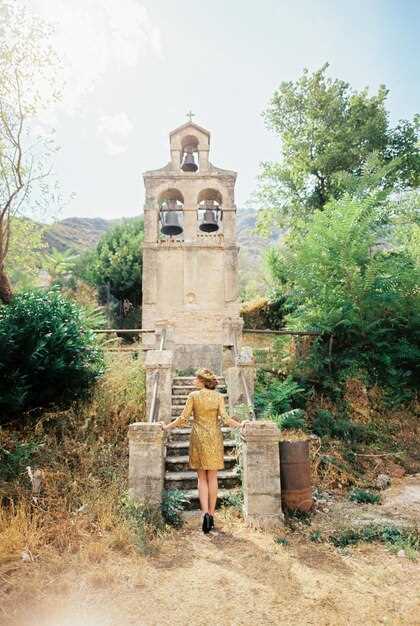
La Mota Fortress, with its rich history dating back to the 13th century, stands as a testament to the blend of various cultural and architectural influences that have shaped its design over the centuries.
The construction of the fortress began during a time when the Andalus region was a melting pot of different cultures, predominantly influenced by Islamic na Christian architecture. The design reflects a series of adaptations made to accommodate the needs of defenders and the city’s inhabitants.
- Early modifications were marked by the incorporation of defensivo features such as thick muros and strategically placed ọnụ ụzọ ámá, essential for the protection of the castle.
- Throughout the 16th na 17th centuries, numerous restorations contributed to its unique style, with a trend towards more ornate decorations influenced by the Renaissance and Baroque periods.
- Special attention was dedicated to designing parts of the fortress that facilitated the movement of troops and supplies, particularly during tijden of conflict.
The legends surrounding La Mota often speak of the valor of its defenders and the loyalty to the kingdom, which influenced its continuous adaptation. Notable figures, such as noble families from the nearby Alcalá region, played a role in shaping sections of the fortress, creating links between various architectural styles.
Cultural exchanges also occurred during the periods of dependencies and independence, particularly as the fortress remained a central military stronghold. The castle’s design permitted it to head off advances, making it a critical location for local rulers.
As you explore La Mota Fortress, whether during a weekend visit or through multimedia presentations that outline its history, you are drawn into a world that reflects the intricate tapestry of influences that define its structure. From the Sierra mountains to the cultural ties with places like Monaita na Azahara, the fortress’s architecture serves as a unique narrative of time and resilience.
In conclusion, the cultural influences shaping La Mota Fortress are not merely historical footnotes; they are fundamental to understanding its significance in Spania and beyond. The fortress remains a symbol of unity and strength, a monument to the diverse roots that define its beauty.
Architectural Features of La Mota Fortress
La Mota Fortress, located in the town of Alcalá la Real, is a significant historical monument that showcases the architectural heritage of Spain, particularly from the period of the Reconquista. Built during the 13th century, it served as a defensive stronghold against Muslim forces, specifically during the time of the taifa kingdoms. This strategic location on the peninsula allowed the fortress to capture the natural landscape and access routes that were critical for military and trade purposes.
The fortress features a series of robust walls and towers, designed to withstand attacks, which reflect the military architecture of its time. The main entrance leads to a large plaza, where municipal activities took place and remains of the iglesia, or church, from the 16th century can still be seen. The fortifications were built using local materials, ensuring that La Mota not only served military needs but also blended seamlessly with its surroundings.
One notable architectural aspect is the cisterns that were constructed within the fortress to store water. These were essential for survival during long sieges and exemplify the ingenuity of the builders who had to consider both defensive and practical functions. Around La Mota, there are remnants of cultural influences from various periods, including those from Córdoba and Castile. This fusion adds layers of history and aesthetics to the fortification.
Additionally, La Mota is known for its impressive towers, like the Torre del Homenaje, which served as a watchtower to spot incoming threats from the north. The fortress was not only a military site; it also provided accommodation and food for its inhabitants, creating a self-sufficient community that thrived for many years. Every day, after the harvest season, the fortress would come alive as farmers and townsfolk gathered to participate in various festivities, reinforcing social bonds among the inhabitants.
As a general note, La Mota’s architectural significance extends beyond its original purpose. It has undergone numerous restorations over the years, preserving its status as an important historical site. Both the visitors and residents of Alcalá la Real recognize La Mota as a fortified monument that tells the story of resilience, adaptation, and the cultural richness of this border country.
Defensive Structures and Design Elements
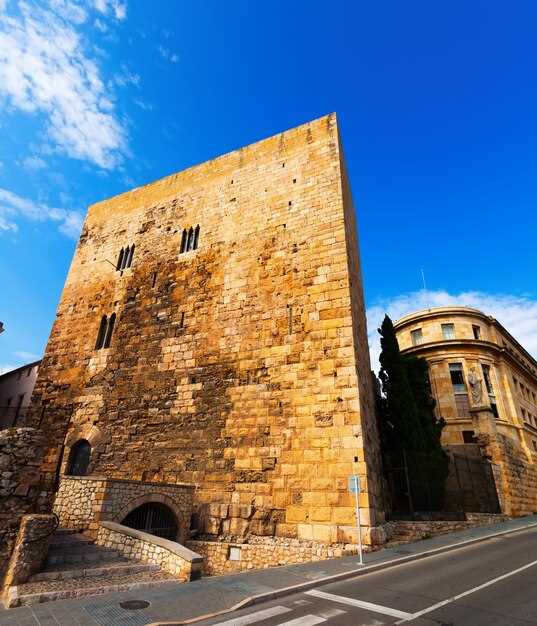
La Mota Fortress, a vital citadel in the historical narrative of Jaén, showcases oti defensive structures that date back to the 13th century during the reign of the Catholic Monarchs. Its design elements are a testament to the advanced military architecture of the time, crucial for the defenders who aimed to protect the city from various threats.
The ụzọ wall, constructed with robust materials, represents the core of the fortress’s defenses. Weighing heavily on its fortification, this wall provides a detached buffer against potential invaders. The inclusion of arches allows for both strength and aesthetic appeal, forming part of the intricate design that blends functionality with beauty. Beyond the walls, the citadel also features wells, which were essential for supplying fresh water to the garrison during sieges.
Throughout the fortress, strategic vantage points are evident, designed for defenders to monitor any approaching threats. Variably placed towers enhance the citadel’s ability to spot enemies from different directions, ensuring a comprehensive defense strategy. This adaptation in design highlights the ingenuity of the mga eksperto who envisioned such fortifications. Each aspect, from olive oil stores to gourmet provisions, contributed to the sustainability of the fortress for extended hours.
Subsequently, the fortress evolved, taking on additional features such as the gbari that serves as a gathering point for citizens. The walls are not only protective but also symbolic of the noble heritage and the cultural significance of the area. The intricate craftsmanship found in stones like jaén na monaita reflects the artistry that accompanies military capabilities.
In this context, La Mota remains a tangible link to the past, illustrating how architecture served both practical and societal purposes. As you ẹbẹwo this historical gem, it’s impossible not to sense the rich narrative embedded in every akụkụ, including its legends of Pedro na Zaide, a story of resilience and overcoming adversities like poisonings and attacks from the granadino forces.
This architectural marvel stands as a reminder of Spain’s heritage, symbolizing the balance between warfare and peace, where the grand thrones of power once sat overlooking the fortified haven, ensuring its legacy endures through time.
Remarkable Restoration and Preservation Efforts
The Mota Fortress, a historical monument strategically located in the kingdom of Almedinilla, has undergone extensive restoration and preservation efforts that are vital to maintaining its architectural integrity. Dating back to the 17th century, the fortress, known as La Mota, stands as a testament to the masterful craftsmanship of both Arabic and Spanish builders. The walls of the fortress show variable sections that highlight its historical significance and reflect the various eras it has witnessed over the centuries.
Restoration efforts initiated after the fortress was significantly reduced to ruins have revealed hidden treasures, like the ancient cisterns, which served as water sources during the caliphate’s reign. These remarkable discoveries form part of the intricate passage systems that underline the fortress’s defensive architecture against enemies. The approach to this restoration has respected the original materials and techniques used during its construction, ensuring that those who visit can truly appreciate the legacy of the different epochs it has survived.
Furthermore, modern restoration techniques have been carefully applied to ensure that the integrity of the fortress is preserved without losing its historical essence. Historical drawings and documents were utilized as guides by historians and architects, including notable ones from the time of the taifa kingdoms, which have emphasized the fortress’s importance in trade and defense as towns flourished around its base. Special attention has been given to maintaining the fortress’s alignment in the north-south direction, an architectural element common during its time.
| Era | Restoration Focus | Key Findings |
|---|---|---|
| 17th Century | Structural Integrity | Walls and defensive mechanisms |
| Islamic Period | Aesthetic Restoration | Arab inscriptions and motifs |
| Modern Era | Technological Integration | Environmental improvements and tourism enhancement |
By celebrating the spirit of independence showcased in its architecture, La Mota Fortress not only stands as a symbol of resilience but also as a monument for future generations to learn from. The ongoing preservation efforts ensure that this remarkable historical location continues to inspire those who walk its ancient pathways. As visitors sip beers in the nearby towns, they can reflect on the fortress’s role in shaping the region’s destiny while enjoying the views of the surrounding landscape that served as a backdrop for centuries of history.
Unique Aesthetic Attributes of the Castle
The La Mota Fortress, perched strategically on a mountain, showcases a blend of architectural influences that reflect the historical richness of Spain. Its construction, influenced by Islamic designs from the period of conquest, reveals a unique aesthetic that harmoniously merges functionality with beauty.
One of the standout features is its robust yet reduced structural form, which cleverly utilizes the local materials to ensure durability and elegance. The fortress contains an intricate layout of walls and towers, designed to offer defensive advantages while simultaneously creating visually striking silhouettes against the skyline of Granada.
The gateway, or “puertas,” of La Mota serves as a grand entrance, embodying the historical significance of the site while also providing a unique perspective on the landscape of the surrounding areas. The sight of the castle, especially from the upper parts, reveals views that extend to distant places, inviting visitors to appreciate its strategic location.
In the late afternoon, the sun casts a golden hue on the stone pathways laid within the fortress, enhancing the romantic charm associated with this historical gem. Visitors can wander through the tombs and wells that narrate the tales of those who defended this stronghold across centuries, contemplating their bravery during the pivotal moments in history.
Those taking a tour of La Mota can enjoy a deep dive into its aesthetic elements, like the arabesque patterns and flamenco-inspired motifs which are subtly integrated into the design. Such details not only showcase the artistic expression of the era but also reflect the cultural fusion that occurred during the times when the castle was a critical frontier in the peninsula.
Accessible during daily tours, the fortress is also a popular spot for getaways, with nearby hotels that offer unique experiences. The playful ambiance of the plaza filled with life during summer fiestas complements the historical attributes of La Mota, making it a prime location for both relaxation and exploration.
The fortress not only stands as a monument of defense against historical forces but also acts as a vibrant reminder of the rich cultural and architectural heritage that exists in Spain. A visit to La Mota leaves travelers with lasting memories, marked by the beauty of its enduring structures and the stories they hold within their storied walls.