


 עִבְרִית
  English (UK)
  Русский
  বাংলা
বাংলা  العربية
  日本語
日本語  한국어
한국어  Magyar
  Norsk nynorsk
  Türkçe
  Español
  Čeština
  Svenska
  Português
  Ελληνικά
  Suomi
Suomi  Nederlands
  Română
  Italiano
  Français
  Polski
  Українська
  Deutsch
  简体中文
简体中文  Slovenčina
  Српски језик
  اردو
اردو  Azərbaycan dili
  O‘zbekcha
  አማርኛ
አማርኛ 
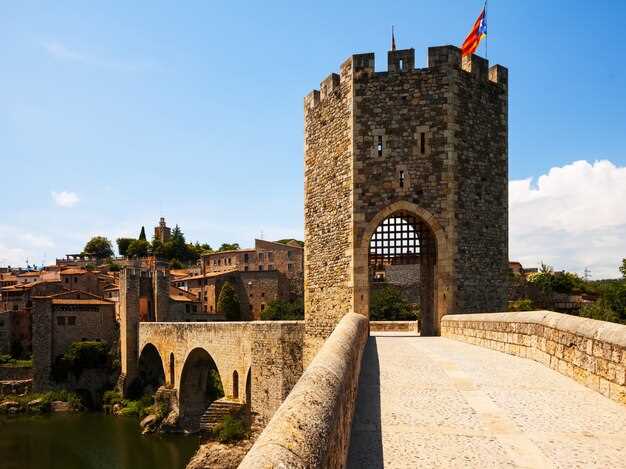
La Mota Fortress, an impressive structure built during the late 13th century, stands as a testament to the rich history of Andalusia. This formidable אַלְקָסָאר is located in the town of Alcalá la Real, an essential urban point in the campaign to capture the granadino region. Once a defensive stronghold, it was specifically designed to protect against incursions from both Christian and Muslim forces during a tumultuous period marked by a series of conflicts.
The fortress, named after its elevated location, is characterized by its impressive towers and fortified walls which communicate with the surrounding landscape. Sections of the mampostería can still be found, showcasing the architectural techniques of the time. Visitors can follow the remnants of its storied past, accessing areas that were once bustling with activity, including the vibrant marketplace that was located at the plaza. Although certain parts of the fortress have remained abandoned over the years, they hold stories waiting to be uncovered.
Touring La Mota provides not only a glimpse into defensive architecture but also a deeper understanding of the cultural exchanges that occurred in this region. The fortifications echoed with the sounds of flamenco music on certain nights, as locals celebrated their rich heritage. Today, it serves as a significant getaway for those wishing to immerse themselves in history, making it a must-visit destination for tourists exploring Spain. For many, La Mota stands as one of the numerous places that define the historic landscape of southern Spain, particularly with its proximity to the renowned Alhambra.
Understanding the Historical Significance of La Mota Fortress
La Mota Fortress stands as a remarkable example of mediaeval military architecture, holding great historical significance within Spain’s rich cultural tapestry. Built during the late reconquest period, this fortified complex served as a defensive stronghold for the forces that sought to reclaim territory from the Moors. The castle’s strategic location allowed it to effectively communicate with surrounding regions, making it a vital line of defense.
Surrounded by a complex series of towers and walls, La Mota was constructed using mampostería, a technique that has remained effective through the centuries. The fortress has undergone several restorations over time, reflecting the historical importance of its architecture. Specifically, sections of the castle were meticulously designed to withstand sieges and provide shelter to troops stationed there, which included soldiers and sometimes even butchers who supplied the nightly rations.
From its summit, La Mota offers breathtaking views of the north, allowing defenders to spot approaching armies well before they arrived. This spatial advantage was crucial in repelling numerous assaults and contributed to its enduring legacy. Notable events took place in and around La Mota, especially during the critical marches of the Reconquest when different forces were sent to establish control over the area.
In general, historical destinations like La Mota serve as reminders of the complex interactions between various religious and military factions throughout Spain’s past. The fortress not only stands as a testament to the ingenuity of its masters but also as an enduring symbol of resilience that has survived the test of time. For those wishing to explore this historical gem, nearby hotels allow visitors to rest after hours of exploring the fascinating remains.
In the modern era, La Mota Fortress has become a focal point for historical research, drawing attention from scholars and tourists alike. Understanding its significance helps illuminate the broader narrative of Spain’s architectural heritage and the intricate history of its cultural landscape.
Key Events in the History of La Mota
La Mota Fortress, located in the province of Granada, has a rich history that reflects the turbulent times of Spain’s past. This fortress, with its impressive walls and strategic position, has witnessed numerous key events that shaped its identity.
- Foundation and Roman Period: The origins of La Mota can be traced back to the Roman era. It served as an important military settlement, protecting goods and troops traveling between various towns in the region.
- Middle Ages: During the late Middle Ages, particularly in the siglo 13th and 14th centuries, La Mota gained prominence as a defensive stronghold. It played a crucial role during the period of the Reconquista, safeguarding the north of Andalucía against invading forces.
- The Conquista of Granada: In 1492, with the final conquest of Granada, La Mota became part of the Castilian territories. This event transformed the fortress into an essential military base for Castile, further enhancing its defensive capabilities.
- Major Attacks and Defenses: Through the 16th and 17th centuries, La Mota faced several attacks from various factions. Each assault prompted restorations that improved the fortifications, including the construction of additional defensive towers and gateways.
- Decline and Occupation: After the late Renaissance period, La Mota gradually fell into disrepair. During the 18th century, it was used as a prison (cárcel), housing those accused of crimes, which marked a shift in its function from a military fort to a place of imprisonment.
- 20th Century Restoration: In the late 20th century, significant efforts were made to restore La Mota. Archaeological excavations uncovered the remains of its historical architecture, allowing for a comprehensive plan to preserve its cultural heritage.
- Current Status: Today, La Mota Fortress stands as a historical gem, attracting visitors who can explore its walls, plazas, and gourmet offerings. The site not only showcases its architectural beauty but also highlights the importance of its historical context within Andalucía.
Visiting La Mota provides a unique opportunity to delve into its past, understanding the role it played in shaping both the local narrative of Granada and the broader history of Spain.
The Role of La Mota in Spanish Defense
La Mota Fortress, strategically situated on a hill in the Sierra de Azahara, has played a significant role in the defense of Spain since its establishment. This historic structure, with its fortified walls and pointed towers, was initially laid in the 11th century during the time of the taifas, serving as a key point of control for various kingdoms throughout the Iberian Peninsula.
During the 18th century, La Mota became essential for the defense against the increasing threats from external enemies. The fortress was not only a military stronghold but also a bustling marketplace, where several stalls supplied the local population and armies with necessary goods, including gourmet items and provisions. The interior of La Mota included areas for butchers and other vendors who contributed to the sustenance of the surrounding towns and settlements.
As the development of the region progressed, La Mota’s role expanded beyond mere defense; it became a symbol of power and a center for justice, representing the authority of the kingdom. The medieval structure, constructed in the tapial style, survived numerous occupations and conflicts, maintaining its significance throughout various historical events. Legends connected to the fortress include tales of its defenses against sieges, highlighting its importance in protecting the region’s inhabitants.
The collaboration of local governance and military might was evident through the Junta that managed La Mota, ensuring that both the defense and civic needs of the ciudad were met. This unique structure not only served as a bastion but also fostered community ties, linking different towns through its gates, or puertas, and facilitating commercial activities in the arrabal surrounding the fortress.
La Mota’s resilient presence on the landscape stands as a testament to the architectural heritage of Spain and the strategic importance of defensive structures throughout history. As time goes by, restorations have preserved its beauty and grandeur, allowing visitors to appreciate the monumental role it has played in the nation’s defensive landscape.
Cultural Influences Shaping the Fortress Design
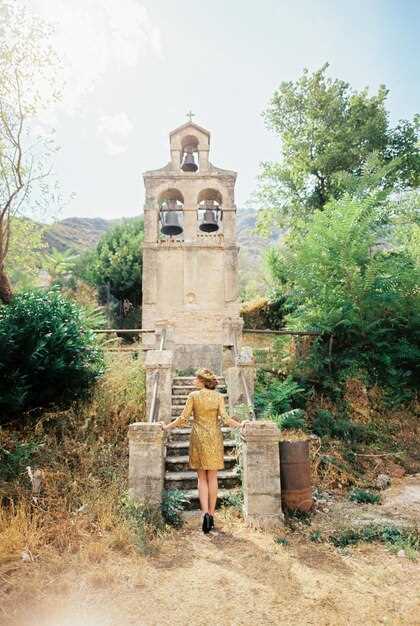
La Mota Fortress, with its rich history dating back to the 13th century, stands as a testament to the blend of various cultural and architectural influences that have shaped its design over the centuries.
The construction of the fortress began during a time when the Andalus region was a melting pot of different cultures, predominantly influenced by איסלאמי ו נוצרי architecture. The design reflects a series of adaptations made to accommodate the needs of defenders and the city’s inhabitants.
- Early modifications were marked by the incorporation of הגנתי תכונות כגון עבה קירות ובאופן אסטרטגי ממוקם שערים, חיוני להגנת המצודה.
- במהלך ה ה-16 ו ה-17 במשך מאות שנים, שיחזורים רבים תרמו לסגנונו הייחודי, עם נטייה לקישוטים מפוארים יותר שהושפעו מתקופות הרנסאנס והבארוק.
- תשומת לב מיוחדת הוקדשה לתכנון חלקי המבצר שהקלו על תנועת ה חיילים ואספקה, במיוחד בתקופות של סכסוך.
האגדות סביב לה מota לעתים קרובות מדברות על גבורת ה מגנים והנאמנות ל- kingdom, שהשפיע על ההתאמה המתמשכת שלו. דמויות בולטות, כמו משפחות אצולה מהסביבה אלקלה אזור, מילא תפקיד בעיצוב חלקים מהמבצר, ויצר קשרים בין סגנונות אדריכליים שונים.
חילופי תרבות התרחשו גם בתקופות של תלות ועצמאות, במיוחד כאשר המצודה נותרה מעוז צבאי מרכזי. עיצוב הטירה איפשר לה לחסום התקדמויות, מה שהפך אותה למיקום קריטי עבור שליטים מקומיים.
כשאתם חוקרים את מצודת לה מוטה, בין אם במהלך ביקור סוף שבוע או באמצעות מצגות מולטימדיה המתארות את ההיסטוריה שלה, אתם נמשכים לעולם המשקף את שטיח ההשפעות הסבוך המגדיר את המבנה שלה. מתוך ה סיירה הרים לקשרים התרבותיים עם מקומות כמו מונייטה ו אזהרה, האדריכלות של המבצר משמשת כנרטיב ייחודי של זמן וחוסן.
לסיכום, ההשפעות התרבותיות שעיצבו את מצודת לה מוטה אינן רק הערות שוליים היסטוריות; הן מהותיות להבנת משמעותה ב ספרד ומעבר לה. המבצר נותר סמל לאחדות ולחוזק, אנדרטה לשורשים המגוונים המגדירים את יופיו.
מאפיינים אדריכליים של מצודת לה מוטה
מבצר לה מוטה, הממוקם בעיירה אלקלה לה ריאל, הוא מונומנט היסטורי משמעותי המציג את המורשת האדריכלית של ספרד, במיוחד מתקופת הרקונקיסטה. הוא נבנה במהלך המאה ה-13 ושימש מעוז הגנה מפני הכוחות המוסלמיים, במיוחד בתקופת ממלכות הטאיפה. מיקום אסטרטגי זה בחצי האי איפשר למבצר ללכוד את הנוף הטבעי ואת דרכי הגישה שהיו קריטיות למטרות צבאיות ומסחריות.
המבצר כולל סדרה של חומות ומגדלים חזקים, שנועדו לעמוד בפני התקפות, המשקפים את האדריכלות הצבאית של תקופתו. הכניסה הראשית מובילה לפלאזה גדולה, שבה התקיימו פעילויות עירוניות ועדיין ניתן לראות שרידים של ה-iglesia, או הכנסייה, מהמאה ה-16. הביצורים נבנו מחומרים מקומיים, מה שמבטיח שלא רק שמילאו את הצרכים הצבאיים של לה מוטה, אלא גם השתלבו בצורה חלקה עם סביבתה.
היבט ארכיטקטוני בולט הוא בורות המים שנבנו בתוך המבצר כדי לאגור מים. אלה היו חיוניים להישרדות במהלך מצורים ארוכים ומדגימים את כושר ההמצאה של הבנאים שנאלצו לקחת בחשבון פונקציות הגנתיות ומעשיות כאחד. סביב לה מוטה, ישנם שרידים של השפעות תרבותיות מתקופות שונות, כולל אלה מקורדובה וקסטיליה. מיזוג זה מוסיף שכבות של היסטוריה ואסתטיקה למבצר.
בנוסף, לה מוטה ידועה במגדלים המרשימים שלה, כמו הטורה דל הומנאחה, ששימש כמגדל שמירה לאיתור איומים מצפון. המבצר לא היה רק אתר צבאי; הוא גם סיפק מגורים ומזון לתושביו, ויצר קהילה עצמאית ששגשגה במשך שנים רבות. מדי יום, לאחר עונת הקציר, המבצר היה מתעורר לחיים כאשר חקלאים ותושבי העיר התאספו להשתתף בחגיגות שונות, מה שחיזק את הקשרים החברתיים בין התושבים.
ככלל, המשמעות האדריכלית של לה מוטה חורגת מעבר למטרתה המקורית. היא עברה שיפוצים רבים במהלך השנים, אשר שימרו את מעמדה כאתר היסטורי חשוב. הן המבקרים והן תושבי אלקלה לה ריאל מכירים בלה מוטה כמונומנט מבוצר המספר את סיפור החוסן, ההתאמה והעושר התרבותי של ארץ גבול זו.
מבנים הגנתיים ואלמנטים עיצוביים
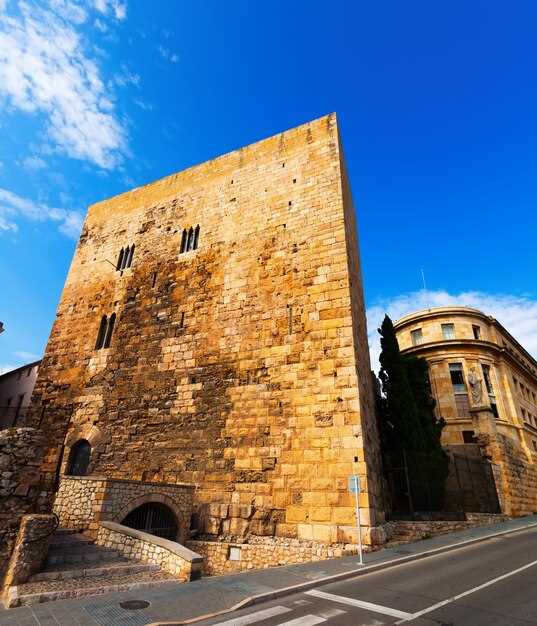
מבצר לה מוטה, מצודה חיונית בנרטיב ההיסטורי של חַאֶן, מציג ייחודי מבנים הגנתיים המתוארכים למאה ה-13 במהלך שלטונם של המלכים הקתוליים. מרכיבי העיצוב שלו הם עדות לאדריכלות הצבאית המתקדמת של התקופה, שהייתה חיונית למגינים ששמו להם למטרה להגן על העיר מפני איומים שונים.
ה ראשי חומה, הבנויה מחומרים חזקים, מייצגת את ליבת ההגנות של המבצר. חומה זו, המכבידה על ביצוריו, מספקת מנותק מחסום מפני פולשים פוטנציאליים. הכללת ה קשתות מאפשר הן חוזק והן משיכה אסתטית, ומהווה חלק מהעיצוב המורכב הממזג פונקציונליות עם יופי. מעבר לחומות, המצודה כוללת גם בארות, שהיו חיוניות לאספקת מים טריים לחיל המצב במהלך מצורים.
בכל רחבי המבצר, נקודות תצפית אסטרטגיות ניכרות, שנועדו למגנים לעקוב אחר כל איום מתקרב. באופן משתנה מגדלים המוצבים משפרים את יכולת המצודה לאתר אויבים מכיוונים שונים, ומבטיחים אסטרטגיית הגנה מקיפה. התאמה זו בעיצוב מדגישה את כושר ההמצאה של ה אדונים מי תיאר לעצמו ביצורים כאלה. כל היבט, מ זית מאגרי נפט אל גוֹרְמֶה תְּנָאִים, תָּרְמוּ לְקִיּוּמּוּת הַמְּצוּדָה לְמֶשֶׁךְ שָׁעוֹת מְמֻשָּׁכוֹת.
בהמשך, המבצר התפתח, וקיבל מאפיינים נוספים כגון ה כיכר המשמשת כנקודת מפגש לאזרחים. החומות אינן רק מגנות אלא גם סמליות ל- אצילי מורשת והמשמעות התרבותית של האזור. אומנות מורכבת שנמצאת באבנים כמו חַאֶן ו מונאיטה משקף את האומנות הנלווית ליכולות צבאיות.
בהקשר הזה, לה מוטה נותרת קישור מוחשי לעבר, הממחישה כיצד האדריכלות שירתה מטרות מעשיות וחברתיות כאחד. כאשר אתם לְבַקֵּר אי אפשר שלא לחוש, באבן חן היסטורית זו, את הנרטיב העשיר הטבוע בכל part, כולל האגדות שלו על פדרו ו זיידה, סיפור על חוסן והתגברות על מצוקות כמו הרעלות ותקיפות מצד כוחות גרנדינים.
היצירה האדריכלית המופלאה הזו עומדת כתזכורת למורשתה של ספרד, ומסמלת את האיזון בין מלחמה לשלום, שם ה כסאות שלטון של עוצמה ישב פעם וצפה על המקלט המבוצר, והבטיח שמורשתו תחזיק מעמד לאורך זמן.
מאמצי שימור ושחזור יוצאי דופן
מצודת מוטה, מונומנט היסטורי הממוקם באופן אסטרטגי בממלכת אלמדינייה, עברה מאמצי שיקום ושימור נרחבים, החיוניים לשמירה על שלמותה האדריכלית. המצודה, הידועה בשם לה מוטה, מתוארכת למאה ה-17 ומשמשת עדות למיומנות האומנותית המופלאה של בנאים ערבים וספרדים כאחד. חומות המצודה מציגות חלקים משתנים המדגישים את חשיבותה ההיסטורית ומשקפים את התקופות השונות שהיא הייתה עדה להן לאורך מאות השנים.
מאמצי שיקום שיזמו לאחר שהמבצר הופחת משמעותית להריסות חשפו אוצרות נסתרים, כמו בורות המים העתיקים, ששימשו כמקורות מים בתקופת שלטונו של הח'ליף. תגליות מדהימות אלו מהוות חלק ממערכות המעברים המורכבות המדגישות את האדריכלות ההגנתית של המבצר מפני אויבים. הגישה לשיקום זה כיבדה את החומרים והטכניקות המקוריים ששימשו במהלך בנייתו, ומבטיחה שאלה המבקרים יוכלו להעריך באמת את המורשת של התקופות השונות שמהן שרד.
יתרה מכך, טכניקות שיקום מודרניות יושמו בקפידה כדי להבטיח ששלמות המצודה תשמר מבלי לאבד את המהות ההיסטורית שלה. שרטוטים ומסמכים היסטוריים שימשו כמדריכים על ידי היסטוריונים ואדריכלים, כולל כאלה בולטים מתקופת ממלכות הטאיפה, שהדגישו את חשיבותה של המצודה במסחר ובהגנה כשהערים שגשגו סביב בסיסה. תשומת לב מיוחדת ניתנה לשמירה על יישור המצודה בכיוון צפון-דרום, מרכיב אדריכלי נפוץ בתקופתה.
| עידן | התמקדות בשיקום | ממְצָאִים עִיקָרִיִּים |
|---|---|---|
| המאה ה-17 | שלמות מבנית | חומות ומנגנוני הגנה |
| תקופה אסלאמית | שיקום אסתטי | כתובות ומוטיבים ערביים |
| העידן המודרני | שילוב טכנולוגי | שיפורים סביבתיים וטיפוח התיירות |
מבצר לה מוטה, שחוגג את רוח העצמאות המוצגת בארכיטקטורה שלו, לא רק עומד כסמל לחוסן אלא גם כאנדרטה לדורות הבאים ללמוד ממנה. מאמצי השימור המתמשכים מבטיחים שהאתר ההיסטורי המדהים הזה ימשיך לעורר השראה במבקרים בהולכים בנתיביו העתיקים. בזמן שהמבקרים לוגמים בירה בעיירות הסמוכות, הם יכולים להרהר בתפקידו של המבצר בעיצוב גורל האזור תוך שהם נהנים מהנופים של הנוף הסובב ששימש תפאורה למאות שנים של היסטוריה.
מאפיינים אסתטיים ייחודיים של הטירה
מצודת לה מוטה, הניצבת באופן אסטרטגי על הר, מציגה שילוב של השפעות אדריכליות המשקפות את העושר ההיסטורי של ספרד. בנייתה, שהושפעה מעיצובים אסלאמיים מתקופת הכיבוש, חושפת אסתטיקה ייחודית הממזגת בהרמוניה פונקציונליות עם יופי.
אחד המאפיינים הבולטים הוא המבנה החזק אך המופחת שלו, אשר עושה שימוש חכם בחומרים המקומיים כדי להבטיח עמידות ואלגנטיות. המבצר מכיל פריסה מורכבת של חומות ומגדלים, שנועדו להציע יתרונות הגנתיים, ובמקביל ליצור צלליות מרהיבות חזותית על רקע קו הרקיע של גרנדה.
שערי הכניסה, או ה“פוארטס” של לה מוטה, משמשים ככניסה מפוארת, המגלמת את המשמעות ההיסטורית של האתר, תוך שהיא מספקת נקודת מבט ייחודית על נוף הסביבה. מראה הטירה, במיוחד מחלקיה העליונים, חושף נופים המשתרעים למקומות רחוקים, ומזמין את המבקרים להעריך את מיקומה האסטרטגי.
בשעות אחר הצהריים המאוחרות, השמש מטילה גוון זהוב על שבילי האבן המונחים בתוך המבצר, ומעצימה את הקסם הרומנטי המשויך לפנינה היסטורית זו. המבקרים יכולים לשוטט בין הקברים והבארות המספרים את סיפוריהם של אלה שהגנו על מעוז זה לאורך מאות שנים, ולהרהר באומץ ליבם ברגעים המכריעים בהיסטוריה.
המבקרים בלה מוטה יכולים ליהנות מצלילה עמוקה לתוך האלמנטים האסתטיים שלה, כמו דפוסי הערבסקות ומוטיבים בהשראת פלמנקו המשולבים בעדינות בעיצוב. פרטים אלה לא רק מציגים את הביטוי האמנותי של התקופה, אלא גם משקפים את המיזוג התרבותי שהתרחש בתקופות שבהן הטירה הייתה חזית קריטית בחצי האי.
נגיש במהלך סיורים יומיים, המבצר הוא גם מקום פופולרי לחופשות, עם בתי מלון סמוכים המציעים חוויות ייחודיות. האווירה העליזה של הפלאסה, מלאת חיים במהלך הפיאסטות של הקיץ, משלימה את התכונות ההיסטוריות של לה מוטה, מה שהופך אותה למיקום מעולה הן להרפיה והן לחקירה.
המצודה לא רק עומדת כאנדרטה להגנה מפני כוחות היסטוריים, אלא גם משמשת תזכורת תוססת למורשת התרבותית והארכיטקטונית העשירה הקיימת בספרד. ביקור בלה מואטה מותיר את המטיילים עם זיכרונות מתמשכים, המסומנים על ידי היופי של המבנים הנצחיים שלה והסיפורים שהם טומנים בחובם בין כתליהם המהוללים.