


 አማርኛ
አማርኛ  English (UK)
  Русский
  বাংলা
বাংলা  العربية
  日本語
日本語  한국어
한국어  Magyar
  Norsk nynorsk
  Türkçe
  עִבְרִית
  Español
  Čeština
  Svenska
  Português
  Ελληνικά
  Suomi
Suomi  Nederlands
  Română
  Italiano
  Français
  Polski
  Українська
  Deutsch
  简体中文
简体中文  Slovenčina
  Српски језик
  اردو
اردو  Azərbaycan dili
  O‘zbekcha
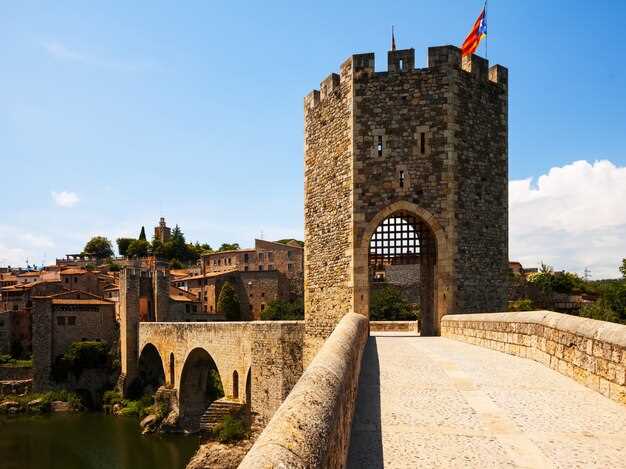
La Mota Fortress, an impressive structure built during the late 13th century, stands as a testament to the rich history of Andalusia. This formidable አልካዛር is located in the town of Alcalá la Real, an essential urban point in the campaign to capture the granadino region. Once a defensive stronghold, it was specifically designed to protect against incursions from both Christian and Muslim forces during a tumultuous period marked by a series of conflicts.
The fortress, named after its elevated location, is characterized by its impressive towers and fortified walls which communicate with the surrounding landscape. Sections of the mampostería can still be found, showcasing the architectural techniques of the time. Visitors can follow the remnants of its storied past, accessing areas that were once bustling with activity, including the vibrant marketplace that was located at the plaza. Although certain parts of the fortress have remained abandoned over the years, they hold stories waiting to be uncovered.
Touring La Mota provides not only a glimpse into defensive architecture but also a deeper understanding of the cultural exchanges that occurred in this region. The fortifications echoed with the sounds of flamenco music on certain nights, as locals celebrated their rich heritage. Today, it serves as a significant getaway for those wishing to immerse themselves in history, making it a must-visit destination for tourists exploring Spain. For many, La Mota stands as one of the numerous places that define the historic landscape of southern Spain, particularly with its proximity to the renowned Alhambra.
Understanding the Historical Significance of La Mota Fortress
La Mota Fortress stands as a remarkable example of mediaeval military architecture, holding great historical significance within Spain’s rich cultural tapestry. Built during the late reconquest period, this fortified complex served as a defensive stronghold for the forces that sought to reclaim territory from the Moors. The castle’s strategic location allowed it to effectively communicate with surrounding regions, making it a vital line of defense.
Surrounded by a complex series of towers and walls, La Mota was constructed using mampostería, a technique that has remained effective through the centuries. The fortress has undergone several restorations over time, reflecting the historical importance of its architecture. Specifically, sections of the castle were meticulously designed to withstand sieges and provide shelter to troops stationed there, which included soldiers and sometimes even butchers who supplied the nightly rations.
From its summit, La Mota offers breathtaking views of the north, allowing defenders to spot approaching armies well before they arrived. This spatial advantage was crucial in repelling numerous assaults and contributed to its enduring legacy. Notable events took place in and around La Mota, especially during the critical marches of the Reconquest when different forces were sent to establish control over the area.
In general, historical destinations like La Mota serve as reminders of the complex interactions between various religious and military factions throughout Spain’s past. The fortress not only stands as a testament to the ingenuity of its masters but also as an enduring symbol of resilience that has survived the test of time. For those wishing to explore this historical gem, nearby hotels allow visitors to rest after hours of exploring the fascinating remains.
In the modern era, La Mota Fortress has become a focal point for historical research, drawing attention from scholars and tourists alike. Understanding its significance helps illuminate the broader narrative of Spain’s architectural heritage and the intricate history of its cultural landscape.
Key Events in the History of La Mota
La Mota Fortress, located in the province of Granada, has a rich history that reflects the turbulent times of Spain’s past. This fortress, with its impressive walls and strategic position, has witnessed numerous key events that shaped its identity.
- Foundation and Roman Period: The origins of La Mota can be traced back to the Roman era. It served as an important military settlement, protecting goods and troops traveling between various towns in the region.
- Middle Ages: During the late Middle Ages, particularly in the siglo 13th and 14th centuries, La Mota gained prominence as a defensive stronghold. It played a crucial role during the period of the Reconquista, safeguarding the north of Andalucía against invading forces.
- The Conquista of Granada: In 1492, with the final conquest of Granada, La Mota became part of the Castilian territories. This event transformed the fortress into an essential military base for Castile, further enhancing its defensive capabilities.
- Major Attacks and Defenses: Through the 16th and 17th centuries, La Mota faced several attacks from various factions. Each assault prompted restorations that improved the fortifications, including the construction of additional defensive towers and gateways.
- Decline and Occupation: After the late Renaissance period, La Mota gradually fell into disrepair. During the 18th century, it was used as a prison (cárcel), housing those accused of crimes, which marked a shift in its function from a military fort to a place of imprisonment.
- 20th Century Restoration: In the late 20th century, significant efforts were made to restore La Mota. Archaeological excavations uncovered the remains of its historical architecture, allowing for a comprehensive plan to preserve its cultural heritage.
- Current Status: Today, La Mota Fortress stands as a historical gem, attracting visitors who can explore its walls, plazas, and gourmet offerings. The site not only showcases its architectural beauty but also highlights the importance of its historical context within Andalucía.
Visiting La Mota provides a unique opportunity to delve into its past, understanding the role it played in shaping both the local narrative of Granada and the broader history of Spain.
The Role of La Mota in Spanish Defense
La Mota Fortress, strategically situated on a hill in the Sierra de Azahara, has played a significant role in the defense of Spain since its establishment. This historic structure, with its fortified walls and pointed towers, was initially laid in the 11th century during the time of the taifas, serving as a key point of control for various kingdoms throughout the Iberian Peninsula.
During the 18th century, La Mota became essential for the defense against the increasing threats from external enemies. The fortress was not only a military stronghold but also a bustling marketplace, where several stalls supplied the local population and armies with necessary goods, including gourmet items and provisions. The interior of La Mota included areas for butchers and other vendors who contributed to the sustenance of the surrounding towns and settlements.
As the development of the region progressed, La Mota’s role expanded beyond mere defense; it became a symbol of power and a center for justice, representing the authority of the kingdom. The medieval structure, constructed in the tapial style, survived numerous occupations and conflicts, maintaining its significance throughout various historical events. Legends connected to the fortress include tales of its defenses against sieges, highlighting its importance in protecting the region’s inhabitants.
The collaboration of local governance and military might was evident through the Junta that managed La Mota, ensuring that both the defense and civic needs of the ciudad were met. This unique structure not only served as a bastion but also fostered community ties, linking different towns through its gates, or puertas, and facilitating commercial activities in the arrabal surrounding the fortress.
La Mota’s resilient presence on the landscape stands as a testament to the architectural heritage of Spain and the strategic importance of defensive structures throughout history. As time goes by, restorations have preserved its beauty and grandeur, allowing visitors to appreciate the monumental role it has played in the nation’s defensive landscape.
Cultural Influences Shaping the Fortress Design
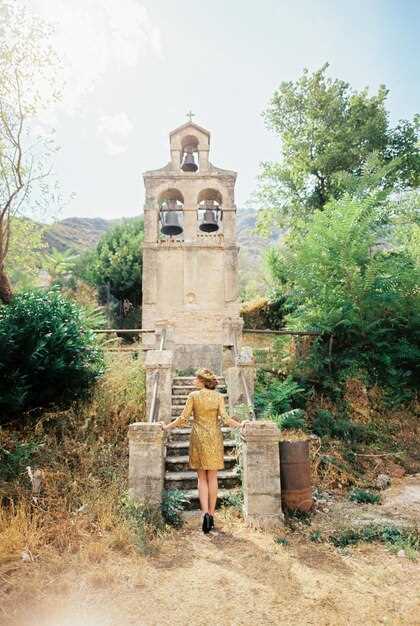
La Mota Fortress, with its rich history dating back to the 13th century, stands as a testament to the blend of various cultural and architectural influences that have shaped its design over the centuries.
The construction of the fortress began during a time when the Andalus region was a melting pot of different cultures, predominantly influenced by እስላማዊ እንዲሁም Christian architecture. The design reflects a series of adaptations made to accommodate the needs of defenders and the city’s inhabitants.
- Early modifications were marked by the incorporation of ተከላካይ ተለቅ muros እና በተቀመጠበት ቦታ በጥንቃቄ ច្រកទ្វារ, ፣ ግንብን ለመጠበቅ አስፈላጊ ነው።.
- በመላ 16ኛው እንዲሁም 17ኛው ዘመናት፣ ብዙ እድሳቶች ለየት ባለ ስልቱ አስተዋፅዖ ያበረክታሉ፣ ህዳሴ እና ባሮክ ወቅቶች ተጽዕኖ ያሳደሩ ይበልጥ ያጌጡ ጌጣጌጦች ያዘነብላሉ።.
- ልዩ ትኩረት የተሰጠው የፍሽክታውን ክፍሎች እንቅስቃሴን በሚያመቻቹ መልኩ ለመንደፍ ነበር ወታደሮች እና አቅርቦቶች በተለይም በግጭት ጊዜያት።.
ኣፈ ታሪኽ ላ ሞታ ብዛዕባ ጀግንነት ናቱ ብዙሕ ይዛረብ ተከላካዮች ታማኝነትም ለ kingdom, የሚያደርጉትን, ይህም ቀጣይ መላመድን ያነሳሳል። እንደ በአቅራቢያ ካሉ መኳንንት ቤተሰቦች ያሉ ታዋቂ ሰዎች አልካላ የአካባቢው ክፍል፣ ምሽጉን ክፍሎች በመቅረጽና በተለያዩ የሥነ ሕንፃ стиሎች መሀል ግንኙነቶችን በመፍጠር ረገድ ሚና ነበረው።.
በጥገኛነትና ነፃነት ጊዜያት የባህል ልውውጦችም ተካሂደዋል፣በተለይም ምሽጉ ማዕከላዊ ወታደራዊ ምሽግ ሆኖ ሲቆይ። የቤተ መንግሥቱ አሠራር ግስጋሴዎችን ለመግታት የሚያስችል በመሆኑ ለአካባቢው ገዥዎች ወሳኝ ቦታ ነበር።.
መንፈሳዊ ይሁን ላ ሞታ ምሽግ ፈልሐቲ ኽትከውን እንተደኣ ፈቒድካ፣ ኣብ ሰሙነ-ሰናብቲ ብምብጻሕ ወይ ድማ በቲ ሓጺር ታሪኽ ዘቕርቡ ምልቲሚድያዊ መዘናግዒታትን መረዳእታትን እናተዓዘብካ፣ ነቲ ምትእስሳር ንኡሳን ጽልዋታት ዘለዎ ናይ ስነ-ህንጻ ኣወዳድቓ ዝገልጽ ዓለም ከም እተቕርቦ ክትግንዘብ ኢኻ። ካብቲ ሲየራ አድሪሳ ተራራ አድሪሳ ባህላዊ ሙያታት ምምስያል ናይ ከምዚ ዝኣመሰሉ ቦታታት ሞናይታ እንዲሁም አዛሃራ, ፣ ግንቡ ሥነ ሕንፃ የጊዜና የጽናት ልዩ ትረካ ሆኖ ያገለግላል።.
በማጠቃለያ፣ ላ ሞታ ምሽግን የሚቀርፁት የባህላዊ ተጽዕኖዎች ታሪካዊ ግሳንግሶች ብቻ አይደሉም፤ በጥልቀት ለመረዳት መሰረታዊ ናቸው። អេស្ប៉ាញ ከም ሓይልን ሓድነትን እዩ። እቲ ሓይልን ሓድነትን ዝህብ፡ ንውቅያኖስ ዝመስል ጽባቐኡ ዘመልክት እዩ።.
ሥነ ሕንጻዊ መገለጫታት ናይ ላ ሞታ ምሽግ
የላ ሞታ ምሽግ፣ በአልካላ ላ ሪያል ከተማ ውስጥ የሚገኝ፣ የስፔንን የስነ-ህንፃ ቅርስ በተለይም ከሬኮንኲስታ ዘመን ጀምሮ የሚያሳይ ጠቃሚ ታሪካዊ ሐውልት ነው። በ 13 ኛው ክፍለ ዘመን የተገነባው በሙስሊም ኃይሎች ላይ በተለይም በታይፋ መንግሥታት ዘመን የመከላከያ ምሽግ ሆኖ አገልግሏል። በ ባሕረ ገብ መሬት ላይ ያለው ይህ ስልታዊ ቦታ ምሽጉ ለወታደራዊ እና ለንግድ ዓላማዎች ወሳኝ የሆኑትን የተፈጥሮ መልክዓ ምድሮች እና የመዳረሻ መንገዶችን እንዲይዝ አስችሎታል።.
ምሽጉ ተኸታታይ ጽኑዓት መካበብያታትን ግምብታትን ዝሓዘ ኮይኑ፡ ንመጥቃዕትታት ንምምካት ተሃኒጹ፡ ነቲ ወታሃደራዊ ህንጸት እቲ ግዜ እዩ ዘንጸባርቕ። እቲ ቀንዲ መእተዊ ናብ ሓደ ሰፊሕ ኣደባባይ እዩ ዝመርሕ፡ ኣብኡ ድማ ንጥፈታት ምምሕዳር ይካየድን ፍርስራሽ ናይታ ካብ መበል 16 ክፍለ ዘመን ዝነበረት iglesia ወይ ቤተክርስትያን ክሳብ ሕጂ ክረአ ይከኣል። እቲ ዕርድታት ንግዳማዊ ነገራት ብምጥቃም እዩ ተሃኒጹ፡ እዚ ከኣ ላ ሞታ ወታሃደራዊ ድሌታት ንምምላእ ጥራይ ዘይኮነ፡ ምስ ከባቢኣ ብዝሰማማዕ መንገዲ እውን ክትዋሃሃድ ከምዝገበራ የረጋግጽ።.
ከውኃ መቅዳጃ ጉድጓዶች አንዱ የሕንጻ ግንባታ ገጽታ ሲሆን በግምቡ ውስጥ ውኃ ለመያዝ ተሠርተዋል። እነዚህ ለረጅም ጊዜ ከበባ ለመከላከል የግድ አስፈላጊ የነበሩ ሲሆን የመከላከያ እና ተግባራዊ ተግባራትን ከግምት ውስጥ ማስገባት የነበረባቸውን የገንቢዎቹን ብልህነት ያሳያል። በላ ሞታ ዙሪያ ከኮርዶባ እና ካስቲልን ጨምሮ ከተለያዩ ወቅቶች የተውጣጡ የባህል ተጽዕኖዎች ቅሪቶች አሉ። ይህ ውህደት በምሽጉ ላይ የታሪክ እና የውበት ደረጃዎችን ይጨምራል።.
ከዚህም በተጨማሪ ላ ሞታ እንደ ቶሬ ዴል ሆሜናጄ ያሉ አስደናቂ ግንቦች ያሉት ሲሆን ይህም ከሰሜን የሚመጡትን አደጋዎች ለመመልከት የሚያገለግል የጥበቃ ማማ ነበር። ምሽጉ ወታደራዊ ቦታ ብቻ አልነበረም፤ ለነዋሪዎቿ ማረፊያና ምግብ በመስጠት ለብዙ ዓመታት የዘለቀ በራሱ የሚተዳደር ማኅበረሰብ ፈጥሯል። በየቀኑ የመኸር ወቅት ካለቀ በኋላ ገበሬዎችና የከተማው ሰዎች በተለያዩ ክብረ በዓላት ላይ ለመሳተፍ በመሰብሰብ ነዋሪዎቹ መካከል ያለውን ማኅበራዊ ትስስር በማጠናከር ምሽጉ ሕያው ይሆናል።.
የላ ሞታ የስነ-ህንፃዊ ፋይዳ ከመጀመሪያ አላማው የዘለለ ነው። ያለፉትን አመታት በርካታ እድሳቶች ተደርገውለታል፤ ይህ ደግሞ እንደ አንድ ታሪካዊ ቦታ ያለውን ደረጃ አስጠብቆ እንዲቆይ አድርጎታል። ጎብኚዎችም ሆኑ የአልካላ ላ ሪያል ነዋሪዎች ላ ሞታን የጽናት፣ የመላመድ እና የዚህ የድንበር አገር የባህል ሃብት ታሪክን የሚተርክ ምሽግ እንደሆነ አድርገው ነው የሚገነዘቡት።.
መከላከያ መዋቅሮች እና የንድፍ አካላት
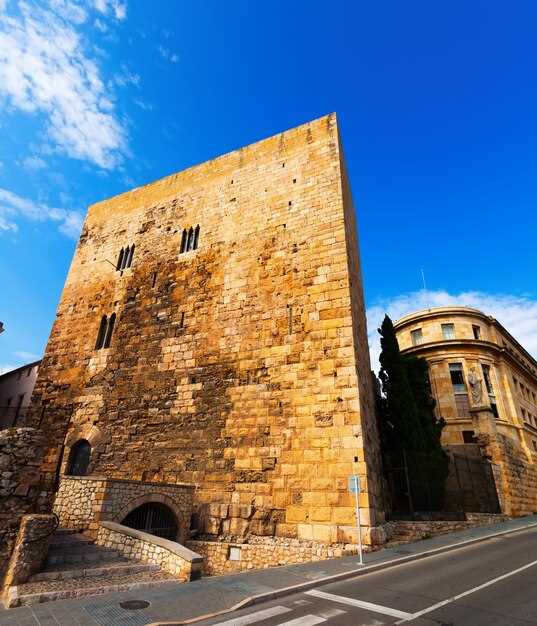
ምሽግ ላ ሞታ፣ በጃኤን ታሪካዊ ትረካ ውስጥ ወሳኝ ምሽግ፣ ያሳያል unique ሕንጻታት ምክልኻል በ13 ክፍለ ዘመን ኣብ ግዝኣት ካቶሊካውያን ነገስታት ዝተሃንጹ እዮም። ኣሰራርሓኡ ንዝተማሓየሸ ወተሃደራዊ ህንጻ ናይቲ ግዜ እዋን መረጋገጺ እዩ፣ ነቶም ከተማ ካብ ዝተፈላለዩ ሓደጋታት ንምክልኻል ዝዓለሙ ተኸላኸልቲ ኣዝዩ ወሳኒ እዩ።.
The main ግድግዳው፣ በጠንካራ ግብአቶች የተገነባው፣ የምሽጉን መከላከያ ዋና ክፍልን ይወክላል። በምሽጉ ላይ በከፍተኛ ሁኔታ የሚመዝነው፣ ይህ ግድግዳ ያቀርባል። የተነጠለ መከላከያ በዐላውያን ወራሪዎች ላይ። አካትትም ቅስቶች ይህ ጥንካሬንና ውበትን በአንድ ላይ የሚያጣምር ሲሆን ተግባራዊነትን ከውበት ጋር በሚያዋህድ ውስብስብ ንድፍ ውስጥ ተካቷል። ከግድግዳዎቹ ባሻገር፣ ምሽጉ የሚከተሉትንም ያካትታል wells, ፣ በተለይም ከበባ በሚደረግበት ወቅት ምሽጉን ንጹህ ውሃ ለማቅረብ አስፈላጊ ነበሩ።.
በመላው ምሽግ፣ ማንኛውንም አደጋ ለመከታተል በተከላካዮች የተነደፉ ስልታዊ የጥበቃ ቦታዎች በግልጽ ይታያሉ።. በተለዋዋጭነት ቦታቸው የተቀመጡ ግንቦች ምሽጉ ከተለያዩ አቅጣጫዎች ጠላቶችን የመለየት አቅምን ያሳድጋሉ፣ ሁሉን አቀፍ የመከላከያ ስትራቴጂን ያረጋግጣሉ። የንድፍ ይህ መላመድ የፈጠራ ችሎታን ያጎላል ጌቶች እኒህን ምሽጎች ማን እንዳሰበው። ከእያንዳንዱ ገፅታ፣ ከ የወይራ ዘይት ማከማቻዎች ወደ ጎርሜት ኣቅርቦት፡ ንነዊሕ ሰዓታት ንፅንዓት እታ ግምቢ ኣበርክቶ ኔሩ።.
በመቀጠልም ምሽጉ እንደ ፕላዛ ይህ ዜጎች የሚሰባሰቡበት ቦታ ሆኖ ያገለግላል። ግድግዳዎቹ የሚከላከሉ ብቻ ሳይሆኑ ምሳሌያዊም ናቸው ክቡር ቅርስን የአካባቢውን ባህላዊ ጠቀሜታ በሚመለከት በጥንቃቄ የተሰሩ እንደ ጃኤን እንዲሁም ሞናይታ የወታደራዊ አቅምን የሚያጅበውን ጥበብ ያንፀባርቃል።.
ኣብዚ ዐውደ-ጽሑፍ ላ ሞታ ተግባራዊ ኣገዳድነት ምስሕሓት: ኣርክቴክቸር ግብራዊ ኣገዳድነትን ማሕበራዊ ዕላማታትን ከመይ ከምዘገልገለ ዘርኢ መርኣያ ኾይኑ ይነብር። ከምቲ ንስኻ ይብጻሕ ይህንን ታሪካዊ ዕንቁ፣ በእያንዳንዱ ውስጥ የተካተተውን የበለጸገ ትረካ ለመረዳት አለመቻል አይቻልም part, ፣ ታሪኮቹን ጨምሮ ጴጥሮስ እንዲሁም ዛይዴ, ፣ ስለ ጽናትና እንደ መመረዝ እና ከGranadino ኃይሎች የሚሰነዘሩ ጥቃቶችን ስለመቋቋም የሚተርክ።.
ይህ የስነ-ህንፃ ድንቅ ስራ የስፔንን ቅርስ የሚያስታውስ፣ ጦርነትንና ሰላምን መካከል ያለውን ሚዛን የሚያመላክት ሲሆን ግርማ ሞገሱ ዙፋኖች አንድ ጊዜ የኃይል ዙፋን ምሽግንም የከበረ ስፍራን ይመለከት ነበር፤ ይህም ትውፊቱ በጊዜ ሂደት እንዲቆይ ያረጋግጣል።.
ድንቅ የመልሶ ማቋቋምና የጥበቃ ጥረቶች
ምንጪ ኣልመዲኒላ ኣብ ዝርከብ ስትራተጂካዊ ቦታ ዝተሃንጸ ታሪኻዊ ቅርሲ ዝኾነ ምሽግ ሞታ: ህንጻዊ ውህደቱ ንምዕቃብ ኣዝዩ ኣገዳሲ ዝኾነ ሰፊሕ ናይ ምርካብን ናይ ምክልኻልን ጻዕሪ ተገይሩሉ። እቲ ላ ሞታ ተባሂጉ ዝፍለጥ ምሽጊ: ናብ 17 ክፍለ ዘመን ዝግለጽ ኮይኑ: ነቲ ልዑል ክእለት ዘለዎም ዓረባውያንን ስጳኛዊያን ኣሃነጽትን ዘርኢ እዩ። መካበብያታት እቲ ምሽጊ ነቲ ታሪኻዊ ኣገዳስነቱን ነቲ ኣብ ዘመናት ተዓዚብዎ ዝነበረ ዝተፈላለየ እዋናትን ዘንጸባርቕ ዝተፈላለየ ክፋላት የርኢ።.
የጥንታዊ የውኃ ማጠራቀሚያዎችን ጨምሮ ምሽጉን ወደ ፍርስራሽነት ከለወጠው ውድመት በኋላ የተጀመሩት እድሳት ጥረቶች እንደ ከሊፋዎች ዘመን የውኃ ምንጭ የነበሩትን ድብቅ ቅርሶችን አውጥተዋል። እነዚህ አስደናቂ ግኝቶች ምሽጉ ከጠላቶች ለመከላከል የሚያገለግሉ የተወሳሰቡ መተላለፊያ መንገዶች አካል ናቸው። ይህ እድሳት የተገነባበትን ጥንታዊ ቁሳቁስና ዘዴዎች በማክበር የተከናወነ ሲሆን ይህም የሚጎበኙት ሰዎች ያለፉትን ዘመናት ትሩፋቶች እንዲረዱ ያስችላቸዋል።.
በተጨማሪም፣ ምሽጉ የታሪኩን ይዘት ሳያጣ ትክክለኛነቱ እንዲጠበቅ ዘመናዊ የማደስ ቴክኒኮች በጥንቃቄ ተተግብረዋል። የታሪክ ምሁራንና አርክቴክቶች እንደ መመሪያ የታሪካዊ ሥዕሎችንና ሰነዶችን ተጠቅመዋል፤ ከእነዚህም መካከል በግርጌው ዙሪያ ከተሞች እየበለፀጉ ሲሄዱ ምሽጉ በንግድና በመከላከያ ያለውን ጠቀሜታ ያጎሉ የጣይፋ መንግሥታት ጊዜ የነበሩት ይገኙበታል። ምሽጉ በሰሜን-ደቡብ አቅጣጫ ያለውን አሰላለፍ ለመጠበቅ ልዩ ትኩረት ተሰጥቷል፤ ይህ ደግሞ በጊዜው የተለመደ የስነ-ህንፃ አካል ነበር።.
| ይሁን | ትኩረት በግንባታ | ቁልፍ ግኝቶች |
|---|---|---|
| ክፍለ ዘመን 17 | ኣቃፊ ኣሰራርሕ | Wòl épi difansiv mekanizm |
| እስላማዊ ክፍለ ጊዜ | መልሶ ማሻሻያ | ጽሑፋት ንኣረባትን ኣስዋትን |
| ዘመናዊ ዘመን | Technological Integration | ልማዓል ከባቢ ኣየርን ምዕባይ ቱሪዝምን |
ብሕንጻኣ ዝተረጋገጸ መንፈስ ሓርነት ብምብዓል፡ ዕርድ ላ ሞታ ምልክት ጽንዓት ጥራይ ዘይኮነስ ንመጻኢ ወለዶታት ዝመሃሩሉ ሓወልቲ እዩ። ቀጻሊ ጻዕሪ ምዕቃብ እዚ መስተንክር ታሪኻዊ ቦታ ነቶም ኣብ ጥንታዊ መገድታቱ ዝመላለሱ ንምስፋሕ የረጋግጽ። ጎብኚታት ኣብ ቀረባ ከተማታት ቢራ እናሰተዩ፡ ነቲ ዕርድ ኣብ ምቅርጻ እቲ ዞባ ዝነበሮ ግደ ክዝክሩን ነቲ ንዘመናት ጀርባ ታሪኽ ዝነበረ ከባቢ ከባቢ ከኣ እናተዓዘቡ ክሕጎሱ ይኽእሉ።.
ልዩ የውበት ቤተመንግስት ባህሪያት
በረሃ-ሞታ ምሽግ፣ በተራራ ላይ ተቀምጦ፣ የስፔንን ታሪካዊ ሃብት የሚያንፀባርቁ የስነ-ህንጻ ተፅእኖዎችን ያሳያል። ግንባታው፣ በወረራው ወቅት በነበሩት የእስልምና ንድፎች ተፅእኖ የተፈጠረ፣ ተግባራዊነትን ከውበት ጋር በአንድነት የሚያዋህድ ልዩ ውበትን ያሳያል።.
ዋና መለያ ባህሪያቱ አንዱ ጥንካሬውና አነስተኛ የሕንፃ ቅርጹ ሲሆን የአካባቢውን ቁሳቁሶች በብልሃት በመጠቀም ዘላቂነትንና ውበትን ያረጋግጣል። ምሽጉ የመከላከያ ጥቅሞችን ለመስጠት የተነደፉ ግድግዳዎችና ማማዎች ያሉት ውስብስብ አቀማመጥ የያዘ ሲሆን በተመሳሳይ ጊዜ በግራናዳ ከተማ ላይ የሚታዩ አስደናቂ ምስሎችን ይፈጥራል።.
የላ ሞታ መግቢያ በር ወይም “ፑዬርታስ” የአካባቢውን ታሪካዊ አንድምታ የሚያጎላና ጎብኚዎችም በዙሪያው ያለውን መሬት እንዲመለከቱ የሚጋብዝ እጹብ ድንቅ መግቢያ ነው። በተለይም ከላይኛው ክፍሎች ሲታይ የቤተ መንግስቱ እይታ እጅግ ርቀው ወደሚገኙ ስፍራዎች የሚዘልቅ ከመሆኑም በላይ የአካባቢውን ስልታዊ ጠቀሜታ ለመረዳት ያስችላል።.
በመጨረሻው ከሰዓት፣ ፀሐይ በድንጋይ መንገዶች ላይ የወርቃማ ቀለም ትሰጣለች ምሽግ ውስጥ በተዘረጉት፣ ከዚህ ታሪካዊ ዕንቁ ጋር የተያያዘውን የፍቅር ውበት እያሳደገች። ጎብኚዎች በመቃብሮች እና ጉድጓዶች ውስጥ መዘዋወር ይችላሉ ያንን የጠበቁትን ታሪኮች የሚተርኩ ምሽግ ይህንን ምሽግ በዘመናት ሁሉ፣ በታሪክ ቁልፍ ጊዜያት ጀግንነታቸውን እያሰላሰሉ።.
እቶም ኣብ ላ ሞታ ዑደት ዝገብሩ፡ ኣብቲ ስነ-ውበት ዝሓዘሉ ነገራት ጥልቀት ዘለዎ ምርምር ክገብሩ ይኽእሉ እዮም፣ ከምቲ ዓረባዊ ስእላዊ መልክዕን ብፍላመንኮ ዝተመስረተ ንድፍታትን ብጥንቃቐ ኣብቲ ንድፊ ዝተተኽለ። ከምዚ ዓይነት ዝርዝራት ነቲ ግዜ ዝነበሮ ስነ-ጥበባዊ መግለጺ ጥራይ ዘይኮነስ ነቲ ግምቢ ኣብ ሓደ ወሳኒ ደንበ ኰይኑ ኣብ ዝሰርሓሉ ዝነበረ እዋን ኣብቲ ልሳነ-ምድር ዝተፈጥረ ባህላዊ ውህደት እውን ዘንጸባርቕ እዩ።.
ቦታው በዕለታዊ ጉብኝቶች ክፍት የሚሆን ሲሆን ምሽቶችን ለማሳለፍም ተወዳጅ ስፍራ ነው፤ በአቅራቢያው ያሉ ሆቴሎች ልዩ የሆኑ ልምዶችን ይሰጣሉ። በበጋ በዓላት ሕይወት በሞላው አደባባይ የሚታየው መዝናኛ ድባብ የላ ሞታን ታሪካዊ ይዘት የሚያሟላ በመሆኑ ለማረፍም ሆነ ለማሰስ ምቹ ቦታ ያደርገዋል።.
ምሽጉ ታሪኻዊ ሓይልታት ንምክልኻል ዝተሃንጸ መዘክር ጥራይ ዘይኮነስ ኣብ ስጳኛ ዘሎ ሃብታም ባህላውን ስነ-ህንፃውን ውርሻውን ዘዘኻኽር እዩ። ሓደ ተጓዓዛይ ናብ ላ ሞታ ክበጽሕ ከሎ ብዘይዕግብዎ ውፉያት ቅርጻ ቅርጺታትን ኣብ ውሽጦም በቲ ታሪኾም ዝነገሩ መንደቓትን ዝተሰነየ ዘይርሳዕ ሓሳባት ይሕዝ።.