


 Norsk nynorsk
  English (UK)
  Русский
  বাংলা
বাংলা  العربية
  日本語
日本語  한국어
한국어  Magyar
  Türkçe
  עִבְרִית
  Español
  Čeština
  Svenska
  Português
  Ελληνικά
  Suomi
Suomi  Nederlands
  Română
  Italiano
  Français
  Polski
  Українська
  Deutsch
  简体中文
简体中文  Slovenčina
  Српски језик
  اردو
اردو  Azərbaycan dili
  O‘zbekcha
  አማርኛ
አማርኛ 
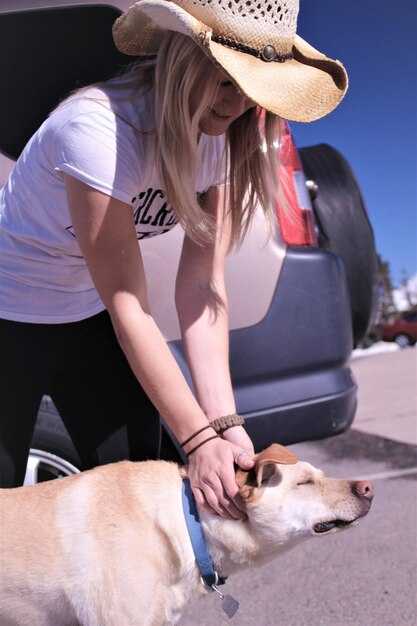
Start with a pre-travel vet check and update your pet’s microchip and ID tags to prevent accidents in transit. A quick vet visit within 30 days of departure helps catch issues that could derail traveling. Keep vaccination records handy, and verify there is no contagious illness for destinations you plan to visit. This small step will give you confidence that their health won’t derail your plans.
Map your route and transport options around pet-friendly stops. If you fly, verify crate dimensions, weight limits, and the airline’s pet policy at least 14 days before departure. For road trips, schedule breaks every 2–3 hours for water, potty, and light walks. Travel demand peaks on holidays, so book early and have a backup plan in case of delays. Always keep a card with your pet’s name, microchip number, ID, and the address where you’ll stay. If you’re doing multi-city travel, add buffer time between legs to reduce stress for your pet.
Pack essential supplies: two days of food, a leak-proof bowl, a harness, a long lead, waste bags, a first-aid kit, and any daily medications. Include a familiar blanket or toy for calming, plus a travel crate or carrier that fits your pet’s size with proper ventilation. Charge a portable power bank if you use a GPS tracker or automatic feeder during transit; label the crate with a photo and your contact info to speed reunification.
Bring up-to-date health certificates, vaccination records, and the microchip tag; list medications and any special needs. Some destinations or carriers may denied entry if documents are missing or outdated; verify requirements well in advance and carry both digital and printed copies. This preparation reduces last-minute stress and helps you stay on schedule, even when plans shift.
Adopt calming strategies to ease nerves: pheromone sprays, familiar bedding, and soft music can help during transit. Start crate or carrier acclimation weeks before travel, and gradually increase time inside. If you consider sedatives, discuss with a vet first; some products interact with other meds. For long trips, plan meals and water stops to avoid stomach upset, such as avoiding large meals right before departure.
On the road or at the station, keep their routine consistent: feeding times, potty breaks, and sleep patterns. Use a harness instead of a neck collar for better control in busy areas, and always secure the carrier during movement. If you must switch transport modes, have a quick-ready bag with a collar, leash, meds, and their ID in case of a delay.
In emergencies, store the vet’s number, your travel insurer, and local pet emergency contacts. Share travel details with a trusted friend so they can help if you’re delayed; theres always a plan to maintain care for your pet. This starts with a simple page listing your pet’s description, microchip ID, current meds, feeding schedule, and a recent photo. Consider a backup plan for kenneling or alternate routes if needed.
Travel with Pets: A Practical Guide for Vet Selection and Preparation
Schedule a vet visit 4–6 weeks before travel to confirm your pet is fit to move, update vaccines, verify microchip data, and obtain required certificates for entry. Ask the vet to issue an international health certificate if your destination requires one, and have them review regulations for countrys you will visit when traveling internationally.
Choose a dog-friendly clinic with a board-certified veterinarian who has travel experience; think of them as a partner who can determine the paperwork path and explain strict import rules for your destinations.
At home, begin crate acclimation and a consistent routine; select a crate that meets transport standards and is dog-friendly for the trip; make the crate inviting with a familiar blanket, and practice opening and closing it to reduce stress-free stays. This effort pays off with calmer stays.
Documentation includes current vaccines, the microchip number, and any export permits; carry printed records and digital copies, plus a recent photo and owner contact information; verify arrival requirements for each countrys and airline rules. Clarify what fees cover, including vet visits, certificates, and transport-related paperwork. The vet can help determine the sequence of steps and timelines.
Heat safety matters: avoid travel during peak heat, provide shade and cooling, offer fresh water at every stop, and monitor signs of heat stress; discuss calming aids or sedatives with your vet only if needed. Particularly during heat waves, plan routes and breaks to keep your pet comfortable.
Transport options vary by route: ground transport, rail, or air; for air travel, confirm crate size, pet policy, required labeling, and check connections with your chosen arrival location; for car travel, plan breaks every 2–3 hours and keep to a dog-friendly schedule. Determine the best transport mode based on distance, size, and your schedule.
Arrival and post-travel care: present documents to border officials, arrange a quiet welcome area, and schedule a check with a local vet within a week; keep ID tags on the collar and track the microchip; statistics show many lost pets are reunited when chipped and properly labeled. The wonders of well-planned travel unfold when you plan ahead. Still, stay flexible if delays occur and adapt as needed.
Finding the Right Kind of Vet for Traveling Companions
Choose a veterinarian who provides a travel-ready plan, issues required approvals, and remains accessible through transportation. This collaboration covers the things that matter most and keeps things easy from the first consult to arrival, with more practical tips along the way.
- Classifications to review: seek clinics with travel experience, in-house pharmacy support, and a dedicated member of the team who handles your pet type (dog, cat, bird, or small mammal).
- Medication and approvals: confirm prescription transfer, on-the-road refills, and a clear process for obtaining meds when you’re away from home; ask for a written plan and a simple form you can hand to staff.
- Documentation and access: ensure vaccination records, health certificates, and microchip status are easy to access in digital or printed form; request a letter you can show at checkpoints to avoid delays at arrival.
- Transport and safety: discuss carrier options, secure loading, and how to keep your pet comfortably during flights or road trips; pack bowls, a familiar blanket, and a few favorite toys.
- Surprise handling: plan for unexpected issues on the road (weather delays, route changes) and identify nearby clinics along the route for quick help.
- Social considerations and behavior: plan for interactions with people and other animals; consider calming aids or gradually increasing exposure strategies to keep your pet social and relaxed, reducing potential stress and surprise.
- Costing and timing: request a transparent estimate that covers checkups, vaccines, and potential emergency visits; figure out costs depending on route, duration, and any required stopovers; also note the delta between home routines and travel days to avoid a budget surprise.
- Arrival planning: confirm what the vet can do on arrival, how to adjust medications if the schedule shifts, and who on the team will be the main contact during each location visit.
Identify vets with mobile services or travel-friendly hours
Call ahead to secure a mobile vet with travel-friendly hours before you depart. For nomad families and city-hopping travelers who are leaving one destination for another, house calls reduce stress for companions on the move and keep care within the same routine. When you call, ask regarding travel radius, booking windows, and whether the policy welcomes travel clients or offers same-day slots. Also look for reviews from other travelers in the community.
Igbesẹ 1: Look for mobile services or travel clinics within your route, and confirm they offer early morning, late evening, or weekend appointments. Review guidelines on what visits cover, whether you can stay with your pet during the exam, what is allowed on a home visit, and what documents you must bring. Also verify the total cost, including any trip fee, exam, and routine tests or vaccines.
Igbésẹ 2: Inquire about on-the-road services they provide, such as wellness exams, vaccinations, and on-site testing. Ask which tests are available, including which àkànnìkan tests are offered, whether they can administer shots during a home visit, and how they handle prescriptions. If you travel with multiple akụkụ, confirm they can accommodate more than one pet and how to coordinate the schedule.
Igbesẹ 3: Prepare to bring essential documents: vaccination history, microchip number, recent test results, and a list of medications. Have copies ready to share and confirm whether records can be emailed or stored in a mobile file. Regarding interstate or international travel, verify any required vaccines or certificates for the route ahead and keep them from getting expired.
Igbesẹ 4: On the day, arrive early to give your companion time to adjust, bring a familiar blanket, and stay with them if possible. If your companion isnt settling, ask for a quick calming protocol and proceed with needed tests or vaccines in small steps to avoid excess stress. You’ll finish with a clear plan and a smooth transition into your travel-day routine.
Finally, build a small community of trusted providers you can turn to across destinations. Keep a master list with clinic names, phone numbers, service areas, and hours; this must stay updated as you travel. Having one or two mobile vets in your network helps you manage unexpected issues, tests, or shots without losing momentum on your nomad adventures.
Checklist: questions to ask your chosen vet before trips
Get a travel-focused check-up 2–4 weeks before departure to confirm your pet is comfy for the trip. Gather all health records in one folder: vaccines, microchip, recent check-ups, medications, allergies, and any chronic issues. If you plan to travel abroad, request english-language guidelines and a simple care plan you can prepare for the road. Note your pet’s pounds to adjust feeding or dosing if needed, and confirm whether any condition requires a separate plan for the trip.
heres a simple, stage-by-stage prep you can discuss with your vet: pre-trip, travel day, and post-arrival. For this pre-trip stage, verify vaccines are up to date, review parasite preventives, and confirm ID requirements. For the travel-day stage, ask about safe transport options, what to bring, and how to handle stress during transit. For the post-arrival stage, agree on signs that indicate lingering stress and when to schedule a follow-up check-up. Look early to reserve an appointment and plan accordingly. The thing is to keep consistent routines with your owner, and thats the thing that helps acclimate to the new routine.
Use these questions during the talk to ensure you cover staying comfortable and safe with your pet on the road, rail, or air. Example questions are shown in the table that follows.
| Ꞓʋ̃ ńɔ́ gbɔ̃ŋlɔŋ ŋlɔ́mɛŋlĩ́ŋ gbɛ̃́tɛ́ŋ dí nɔ̀ŋ gɛ́? | Ẹ̀tọ́ ìlera gbogbo gbòò fún ìrìnàjò àti ṣíṣe àwọn àníyàn tí ó ṣeé ṣe. | نتیجے: بکنگ کے ساتھ آگے بڑھیں یا ضرورت کے مطابق منصوبوں کو ایڈجسٹ کریں۔. |
| Nnɔŋ gbɔŋ gbɛŋ nu gbɔŋ, alo gbɔŋ gbɔŋ nu gbɔŋ gbɔŋ gbɔŋ miŋ gbɔŋ nu gbɔŋ? | Ọ na-egbochi ọrịa ma na-egbochi nsogbu ịbanye n'ọdụ ụgbọ elu ma ọ bụ n'ókèala. | ေရာဂါကာကွယ်ဆေးများ အသစ်ထိုးပါ။ လိုအပ်သောဆေးများကို ကြိုတင်မှာယူထားပါ။. |
| Manyaŋ gbegbɔŋ gbɔŋ gbɔŋŋlɔŋ gbɔŋŋlɔŋ gbɔŋgbɔŋ yɛŋ, eye afɔku gbɔŋgbɔŋ gbɔŋŋlɔŋ gbɔŋgbɔŋ gbɔŋgbɔŋ gbɔŋŋlɔŋ gbɔŋŋlɔŋŋlɔŋ gbɔŋŋlɔŋ gbɔŋ gbɔŋgbɔŋŋlɔŋŋŋgbɔŋŋ gbɔŋŋŋlɔŋ gbɔŋŋlɔŋ gbɔŋgbɔŋ? | Ọ̀ dị̀ghị́ ewèétụ́ ọnụ̀ ma na-ezère ị̀họ́rọ̀ njọ̀. | نتیجه: یو پلان جوړ کړه او د ریکارډونو سره یو ځای د خوراک لارښود وساته. |
| Mɛŋŋɛŋ gbɔŋ lɔŋ aŋlɔŋ, bee maŋ ŋlɔŋ dɔŋlɛŋ yɛŋ gbɔŋ tɛŋ niŋ gbɔŋ? | Ọ na-eme ka ụgbọelu, ụlọ oriri na ọṅụṅụ, na ndị na-agwọ ọrịa anụmanụ nwee ike ịnweta ngwa ngwa na mba ofesi. | Ntụziaka: zukọa ma dozie ya nke ọma. |
| Baaŋa maŋŋe nsaaŋa boŋŋe ŋaaŋɛ kaŋa, naŋŋe diibo, waaŋ waaŋ, ŋaaŋe ŋɔŋlɔŋ? | Etuwọde nsio nsido na mme anam se mme owo ẹkụtde ke obufa ebiet. | نتیجے: منصوبہ کاپی کړئ او اړین سمونونه محفوظ کړئ. |
Оhọn̄ usiene: ntịm̄e uwọrọisọn̄ ibetedo ye idiọk udọn̄
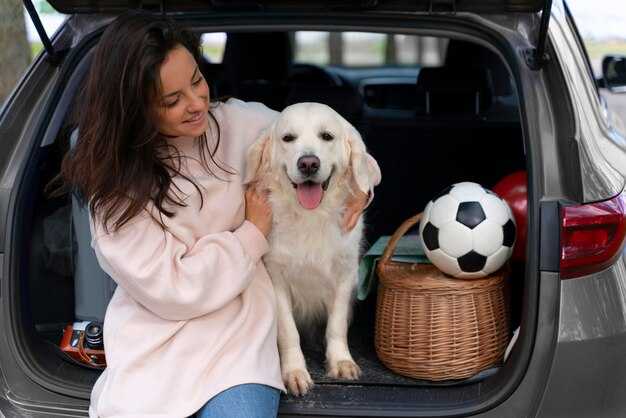
Choose a pusa kama ki he fanga kulií onye dibia bekee nwere ahụmahụ egosipụtara na-elekọta ọnọdụ na-adịghị ala ala n'anụ ụlọ e mere ka ha biri n'ụlọ. Rịọ ka ịlegharịa nchịkọta ikpe atọ ruo ise na-egosi ihe si na ya pụta n'ofe a ကာလ။ o mbilɛ mɔɔ. Biza mɔɔ gbɔŋ ŋa gbɔŋ ŋa zu. needs, ŋɔŋlɔŋlɔŋ gbegbɔŋgbɔŋ, dunuŋlɔŋlɔŋ, nuŋlɔŋ, kple dɔŋuŋlɔŋ. Kanye woteŋu tuu дьявол піклується в home taa, neŋ tooŋ miŋ yel nɛŋ ŋmaa gbɛŋ. gbéjé မအီမသာဖြစ်ခြင်းများကို သက်သာစေမည့်အဆင့်များနှင့်အတူ။.
Ò béèrè certificates na nzụlite maka njikwa ọrịa na-adịghị ala ala na atụmatụ nlekọta ederede. N'ime form, akwụkwọ usoro nyocha mbụ, ihe ndị dị ịrịba ama, na standard protocol iji mee ka nsogbu dị elu ruo n'aka ọkachamara. Jụọ otú ha si achọpụta mgbanwe ka oge na-aga nakwa otú ha si eme mgbanwe. treatment nọ́ọ̀tọ́ gbẹ́mìláyọ̀ ọlọ́run.
Gbídé àwọn tó wà nínú ẹgbẹ́ ìtọ́jú: oníṣègùn ẹranko àkọ́kọ́, akọ́ṣẹ́mọṣẹ́ tó ṣe ìyàsímímọ́, àti trusted ɔŋlɔ̃ŋnɩŋ ci gbɔŋ gbɔŋ wemaŋŋ ŋɔŋlɔŋŋuŋ daŋŋlɔŋ daŋŋ gbɔŋ. Biŋŋlɛŋŋ a pusa kama ki he fanga kulií kliniki yenye nafasi tulivu, milango ya kuingilia inayofikika, na iliyo wazi hours. Hụ na e nwere mkpuchi mgbe awa gasịrị ma ọ bụ netwọk ntụnye aka a pụrụ ịtụkwasị obi nke nwere ike ịkwado gị n'oge dị oke egwu.
Spremnost za putovanje: ako letite, zatražite plan spreman za putovanje koji putuje sa vašim ljubimcem, uključujući plan nošenja lijekova i form ni gbogbo ipò ìtọ́jú ní ti ìdádúró. Mú ẹ̀dà àjẹsára. certificates na leta niŋ yɛŋ niŋgbɔŋ. needs na usoro onunu ogwu. Rio maka onu ahia doro anya: nke doo anya ụgwọ maka usoro nlekọta, nnwale na ihe mberede ọ bụla ọ̀wún; má ŋwaŋ gɔ̀m kɛ̀ kà ŋwaŋ gɔ̀m kɛ̀ dílɛ̀ bàŋ baggage tɔŋ gbɔŋ ŋɔŋlɔŋ, gbɔŋ ŋɔŋlɔŋ gbɔŋ. Ɩ́ kɛ́ Amɛrika tàbí aha n'etiti mba, ꕉꔷꕏ recognition ꔷ🌁 records. ꕉꔷꕏ ꕤ߷🌁 airline. tiketi na kɔkɔm baggage иҷозатҳо.
Obiara nyɛ adwuma a ɛyɛ ne pɛ sɛ ɔpaw oduruyɛfo pa a ɛkyerɛ sɛ ɔde anyɛnsem mmiɛnsa toto ho anyɛn trusted clinics based on outcomes, not promises. Confirm the clinic’s standard ǹ sise nlekọta ogologo oge, oge onye dọkịta anụmanụ gbá o ŋɔŋlɔŋ ŋlɔŋ kple lã gbɔŋ gbɔŋ ɖesiaɖe ƒe ŋɔŋlɔŋ, kpakple ale si wòle bɔbɔe be woakpɔ ŋɔŋlɔŋ yeyewo. Kpɔ egbɔ be yewoateŋu atrɔŋuŋuŋ ɖe ɖoɖoŋuŋuŋɖeka koŋŋŋŋŋuŋuŋuŋuŋuŋuŋŋŋŋ me ne nɔnɔmea gbɔŋuŋuŋuŋ gbɔŋuŋuŋuŋ. shorter route to relief and safer мэнажмент.
Locating 24/7 emergency clinics along your route and how to map them
Build a master, always-on map of 24/7 emergency clinics along your route before you depart. Save every clinic with address, phone, and hours, plus notes on what they accept and whether they offer triage. Keep the file accessible offline and share it with a trusted travel buddy for easy access during adventures.
Given your route, identify clinics within 20 miles (or about a 30-minute detour by car) at each leg. Add a comfortable buffer for detours and holiday crowds, and ensure every leg has a backup option in case a clinic reaches capacity. Create a short stop list that covers city centers, border towns, and busy highway corridors where you’ll periodically refuel with your pet and check in.
Call ahead 24 hours before reaching a new area to confirm they accept emergencies and that hours align with your plan. Ask if they accept walk-ins or require an appointment, whether they treat dogs and cats, and if staff can communicate in languages you understand internationally. Note if they can handle stressed pets and what to expect for intake when your animal is nervous or in pain.
Map them with a handy tool such as a custom route map, and label each clinic with essential details: hours, languages, acceptance policies, and whether they’re welcoming to your pet. Use a connecting route that minimizes backtracking and keeps you on major corridors. Include the clinic’s emergency number and a secondary contact, so you’re never left searching in a panic.
Prepare in advance: pack bedding, a familiar blanket, and a sturdy boarding crate for safety during transit. Keep a printed copy of vaccination records and your pet’s microchips numbers, plus the owner contact information. For a 20-pound animal, note weight and any special care needs, and bring extra leashes and a spare collar to adapt to different clinics or temporary boarding situations.
Safety during transportation matters: ensure your car or caravan has proper ventilation and a stable crate tether. In cold or hot conditions, protect your pet from temperature extremes and never leave them unattended in a vehicle. If air travel is possible, choose a carrier with a pressurized cabin and verify airline policies; otherwise, plan for ground options and boarding when needed.
On the move, stop at planned intervals to monitor your pet’s condition and hydration. Look for signs of stress and fatigue, give short walking breaks, and keep a log of each stop and clinic visit. Always draw up a revised plan if you find a clinic with shorter wait times or better care, and dont hesitate to adjust your route to stay safe and comfortable every step of the way.
Finally, keep updating your master map with new clinics you discover along the way and review it at each pause. If you encounter cold nights or hazardous weather, ensure nearby clinics can provide shelter or temporary boarding for your pet, and seek a welcoming facility to rest and regroup before continuing your adventures.
Assemble a travel vet kit: documents, medications, and insurance info
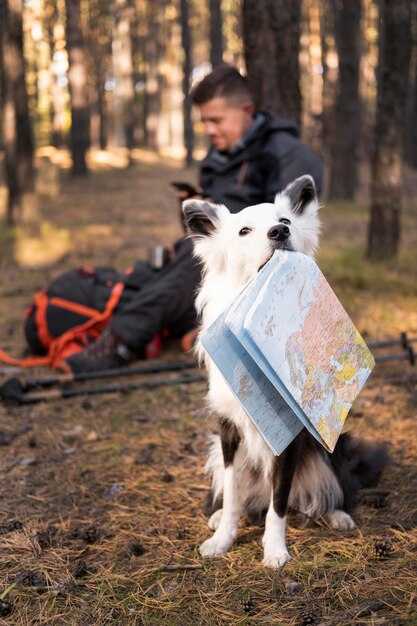
Pack a compact travel vet kit and keep it in the front bag for quick access. This kit should include documents, medications, and insurance info, plus a short, positive timeline for renewals and permits. A well-organized setup is helpful and giving you steady control, reducing stressful moments and keeping you moving without upset. Here’s a practical idea to stay on top of records: store everything into clear bags and label each item.
- Documents: Print and store copies of vaccination records (including rabies date), microchip number, pet passport if needed, a recent wellness note, travel permits, and an optional veterinarian letter describing meds. Include translations if crossing borders. Keep digital access on your phone or cloud, and give yourself a 1-page front card with key details for every scenario and front desk staff.
- Medications and case management: Keep meds in original containers with generic name, dose, and frequency. Pack a 3–5 day extra supply, a pill splitter if needed, and a list of doses. Use a small case to keep pills separate from other items. Add first-aid basics: antiseptic wipes, gauze, non-stick pads, tape, a thermometer, and a small amount of electrolyte solution. Note any allergies and what to do if your pet shows signs of stress or upset. Include poop bags and wipes for quick cleanups after breaks during a walk.
- Insurance info: Policy number, insurer name, 24/7 emergency line, coverage for abroad, and the claim process. Save a PDF copy and a photo on your phone. List contact numbers for your main veterinarians and a nearby emergency clinic in every destination. If you have a given limit, plan for potential excess and how you’ll cover it.
- Quick-access reference: Create a one-page card with pet name, species, breed, color, age, microchip number, allergies, medications, and a travel route. This helps when you’re at the front desk, with vets, or in a case of separation.
- Travel flow tips: Check permitted items for airlines or borders, and plan breaks every 2–4 hours for a walk. Start packing early if you started planning weeks ahead; keep bags light and manageable to avoid adding stress. If you’re traveling with a longer trip, include longer breaks and extra supplies. This approach can make a difference and support managing stress for your pet and you. The timeline of your trip will feel more predictable and less wildly chaotic because you’re prepared. This plan will help you stay calm.