


 עִבְרִית
  English (UK)
  Русский
  বাংলা
বাংলা  العربية
  日本語
日本語  한국어
한국어  Magyar
  Norsk nynorsk
  Türkçe
  Español
  Čeština
  Svenska
  Português
  Ελληνικά
  Suomi
Suomi  Nederlands
  Română
  Italiano
  Français
  Polski
  Українська
  Deutsch
  简体中文
简体中文  Slovenčina
  Српски језик
  اردو
اردو  Azərbaycan dili
  O‘zbekcha
  አማርኛ
አማርኛ 
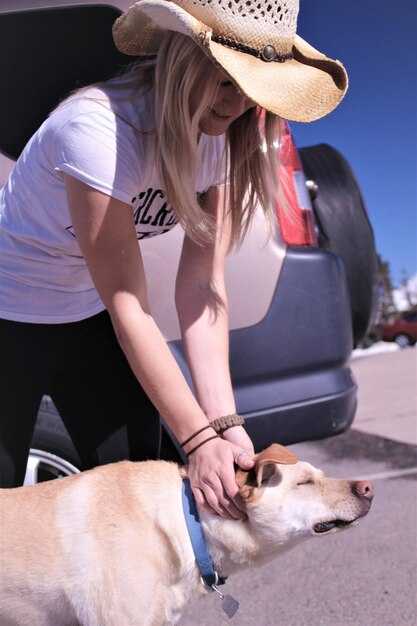
Start with a pre-travel vet check and update your pet’s microchip and ID tags to prevent accidents in transit. A quick vet visit within 30 days of departure helps catch issues that could derail traveling. Keep vaccination records handy, and verify there is no contagious illness for destinations you plan to visit. This small step will give you confidence that their health won’t derail your plans.
Map your route and transport options around pet-friendly stops. If you fly, verify crate dimensions, weight limits, and the airline’s pet policy at least 14 days before departure. For road trips, schedule breaks every 2–3 hours for water, potty, and light walks. Travel demand peaks on holidays, so book early and have a backup plan in case of delays. Always keep a card with your pet’s name, microchip number, ID, and the address where you’ll stay. If you’re doing multi-city travel, add buffer time between legs to reduce stress for your pet.
Pack essential supplies: two days of food, a leak-proof bowl, a harness, a long lead, waste bags, a first-aid kit, and any daily medications. Include a familiar blanket or toy for calming, plus a travel crate or carrier that fits your pet’s size with proper ventilation. Charge a portable power bank if you use a GPS tracker or automatic feeder during transit; label the crate with a photo and your contact info to speed reunification.
Bring up-to-date health certificates, vaccination records, and the microchip tag; list medications and any special needs. Some destinations or carriers may denied entry if documents are missing or outdated; verify requirements well in advance and carry both digital and printed copies. This preparation reduces last-minute stress and helps you stay on schedule, even when plans shift.
Adopt calming strategies to ease nerves: pheromone sprays, familiar bedding, and soft music can help during transit. Start crate or carrier acclimation weeks before travel, and gradually increase time inside. If you consider sedatives, discuss with a vet first; some products interact with other meds. For long trips, plan meals and water stops to avoid stomach upset, such as avoiding large meals right before departure.
On the road or at the station, keep their routine consistent: feeding times, potty breaks, and sleep patterns. Use a harness instead of a neck collar for better control in busy areas, and always secure the carrier during movement. If you must switch transport modes, have a quick-ready bag with a collar, leash, meds, and their ID in case of a delay.
In emergencies, store the vet’s number, your travel insurer, and local pet emergency contacts. Share travel details with a trusted friend so they can help if you’re delayed; theres always a plan to maintain care for your pet. This starts with a simple page listing your pet’s description, microchip ID, current meds, feeding schedule, and a recent photo. Consider a backup plan for kenneling or alternate routes if needed.
Travel with Pets: A Practical Guide for Vet Selection and Preparation
Schedule a vet visit 4–6 weeks before travel to confirm your pet is fit to move, update vaccines, verify microchip data, and obtain required certificates for entry. Ask the vet to issue an international health certificate if your destination requires one, and have them review regulations for countrys you will visit when traveling internationally.
Choose a dog-friendly clinic with a board-certified veterinarian who has travel experience; think of them as a partner who can determine the paperwork path and explain strict import rules for your destinations.
At home, begin crate acclimation and a consistent routine; select a crate that meets transport standards and is dog-friendly for the trip; make the crate inviting with a familiar blanket, and practice opening and closing it to reduce stress-free stays. This effort pays off with calmer stays.
Documentation includes current vaccines, the microchip number, and any export permits; carry printed records and digital copies, plus a recent photo and owner contact information; verify arrival requirements for each countrys and airline rules. Clarify what fees cover, including vet visits, certificates, and transport-related paperwork. The vet can help determine the sequence of steps and timelines.
Heat safety matters: avoid travel during peak heat, provide shade and cooling, offer fresh water at every stop, and monitor signs of heat stress; discuss calming aids or sedatives with your vet only if needed. Particularly during heat waves, plan routes and breaks to keep your pet comfortable.
Transport options vary by route: ground transport, rail, or air; for air travel, confirm crate size, pet policy, required labeling, and check connections with your chosen arrival location; for car travel, plan breaks every 2–3 hours and keep to a dog-friendly schedule. Determine the best transport mode based on distance, size, and your schedule.
Arrival and post-travel care: present documents to border officials, arrange a quiet welcome area, and schedule a check with a local vet within a week; keep ID tags on the collar and track the microchip; statistics show many lost pets are reunited when chipped and properly labeled. The wonders of well-planned travel unfold when you plan ahead. Still, stay flexible if delays occur and adapt as needed.
Finding the Right Kind of Vet for Traveling Companions
Choose a veterinarian who provides a travel-ready plan, issues required approvals, and remains accessible through transportation. This collaboration covers the things that matter most and keeps things easy from the first consult to arrival, with more practical tips along the way.
- Classifications to review: seek clinics with travel experience, in-house pharmacy support, and a dedicated member of the team who handles your pet type (dog, cat, bird, or small mammal).
- Medication and approvals: confirm prescription transfer, on-the-road refills, and a clear process for obtaining meds when you’re away from home; ask for a written plan and a simple form you can hand to staff.
- Documentation and access: ensure vaccination records, health certificates, and microchip status are easy to access in digital or printed form; request a letter you can show at checkpoints to avoid delays at arrival.
- Transport and safety: discuss carrier options, secure loading, and how to keep your pet comfortably during flights or road trips; pack bowls, a familiar blanket, and a few favorite toys.
- Surprise handling: plan for unexpected issues on the road (weather delays, route changes) and identify nearby clinics along the route for quick help.
- Social considerations and behavior: plan for interactions with people and other animals; consider calming aids or gradually increasing exposure strategies to keep your pet social and relaxed, reducing potential stress and surprise.
- Costing and timing: request a transparent estimate that covers checkups, vaccines, and potential emergency visits; figure out costs depending on route, duration, and any required stopovers; also note the delta between home routines and travel days to avoid a budget surprise.
- Arrival planning: confirm what the vet can do on arrival, how to adjust medications if the schedule shifts, and who on the team will be the main contact during each location visit.
Identify vets with mobile services or travel-friendly hours
Call ahead to secure a mobile vet with travel-friendly hours before you depart. For nomad families and city-hopping travelers who are leaving one destination for another, house calls reduce stress for companions on the move and keep care within the same routine. When you call, ask regarding travel radius, booking windows, and whether the policy welcomes travel clients or offers same-day slots. Also look for reviews from other travelers in the community.
Step 1: Look for mobile services or travel clinics within your route, and confirm they offer מוקדם morning, late evening, or weekend appointments. Review הנחיות on what visits cover, whether you can stay with your pet during the exam, what is מותר. on a home visit, and what documents you must bring. Also verify the total cost, including any trip fee, exam, and routine tests or vaccines.
Step 2: Inquire about on-the-road services they provide, such as wellness exams, vaccinations, and on-site בדיקה. Ask which tests are available, including which ספציפי tests are offered, whether they can administer shots during a home visit, and how they handle prescriptions. If you travel with multiple חברים, confirm they can accommodate more than one pet and how to coordinate the schedule.
Step 3: Prepare to bring essential documents: vaccination history, microchip number, recent test results, and a list of medications. Have copies ready to share and confirm whether records can be emailed or stored in a mobile file. Regarding interstate or international travel, verify any required vaccines or certificates for the route ahead and keep them from getting expired.
Step 4: On the day, arrive מוקדם to give your companion time to adjust, bring a familiar blanket, and stay with them if possible. If your companion איזנט settling, ask for a quick calming protocol and proceed with needed tests or vaccines in small steps to avoid excess stress. You’ll finish with a clear plan and a smooth transition into your travel-day routine.
Finally, build a small community of trusted providers you can turn to across destinations. Keep a master list with clinic names, phone numbers, service areas, and hours; this must stay updated as you travel. Having one or two mobile vets in your network helps you manage unexpected issues, tests, or shots without losing momentum on your nomad adventures.
Checklist: questions to ask your chosen vet before trips
Get a travel-focused check-up 2–4 weeks before departure to confirm your pet is comfy for the trip. Gather all health records in one folder: vaccines, microchip, recent check-ups, medications, allergies, and any chronic issues. If you plan to travel abroad, request english-language guidelines and a simple care plan you can prepare for the road. Note your pet’s pounds to adjust feeding or dosing if needed, and confirm whether any condition requires a separate plan for the trip.
הנה הכנה פשוטה, שלב אחר שלב, שתוכלו לדון בה עם הווטרינר שלכם: לפני הנסיעה, יום הנסיעה ואחרי ההגעה. בשלב שלפני הנסיעה, ודאו שהחיסונים מעודכנים, סקרו את אמצעי המניעה נגד טפילים ואשרו את דרישות הזיהוי. בשלב יום הנסיעה, שאלו על אפשרויות הובלה בטוחות, מה להביא וכיצד להתמודד עם לחץ במהלך המעבר. בשלב שלאחר ההגעה, הסכימו על סימנים המעידים על לחץ מתמשך ומתי לקבוע בדיקת מעקב. חפשו מוקדם כדי להזמין תור ותכננו בהתאם. העניין הוא לשמור על שגרות עקביות עם הבעלים שלכם, וזה מה שעוזר להסתגל לשגרה החדשה.
השתמש בשאלות אלה במהלך השיחה כדי להבטיח שתכסה את הנושא של שמירה על נוחות ובטיחות עם חיית המחמד שלך בדרכים, ברכבת או באוויר. שאלות לדוגמה מוצגות בטבלה הבאה.
| האם חיית המחמד שלי מוכנה לנסיעה על סמך הבדיקה האחרונה? | מעריך את הכשירות הכוללת לנסיעה ומציב ציפיות מעשיות. | תוצאה: להמשיך בהזמנה או להתאים תוכניות לפי הצורך. |
| אילו חיסונים או תכשירים מונעי טפילים נדרשים ליעד שלי או לאופן הנסיעה שלי? | מונע מחלות ומונע בעיות כניסה בשדות תעופה או בגבולות. | תוצאה: לעדכן חיסונים; להזמין תרופות נחוצות. |
| האם אתה ממליץ על אפשרויות הרגעה כלשהן, ומהן תופעות הלוואי והמינון לפי משקל (פאונד)? | מפחית לחץ תוך הימנעות מבחירות לא בטוחות. | תוצאה: להחליט על תוכנית ולשמור על מדריך מינון עם רישומים. |
| אילו מסמכים עליי לשאת, והאם עליי לשמור אותם בתיקייה נפרדת לגישה נוחה? | מבטיח גישה מהירה עבור חברות תעופה, בתי מלון ווטרינרים בחו"ל. | תוצאה: להרכיב ולתייק בהתאם. |
| מה תוכנית ההסתגלות שלך לנסיעה הזו, כולל שגרות האכלה, פעילות גופנית ושינה? | שומר על עקביות ומפחית חרדה בסביבות חדשות. | תוצאה: העתק את התוכנית ושמור לעצמך כל התאמה נדרשת. |
חיות מחמד עם צרכים מיוחדים: הערכת ניסיונו של וטרינר במצבים כרוניים
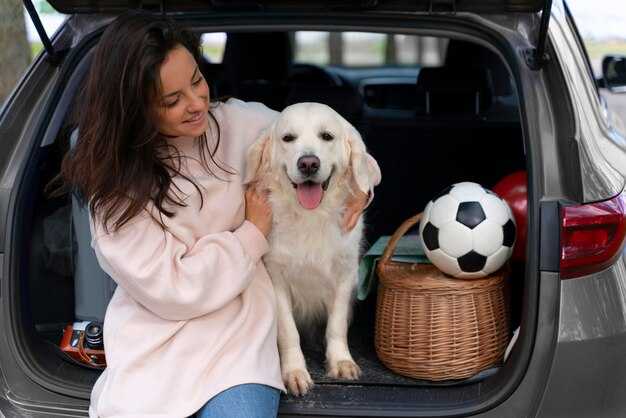
בחר/י ב- ידידותי לכלבים וטרינר בעל ניסיון מוכח בניהול מצבים כרוניים בחיות מחמד מבויתות. בקש לעיין בשלושה עד חמישה סיכומים של מקרים המדגימים תוצאות על פני תקופה. חודשים. חפשו תוכנית המותאמת לצרכיו של חיית המחמד שלכם needs, הכוללת תרופות, מעקב, תזונה ופעילות גופנית. ודא שהם יכולים לשאת בלי אכפתיות ב- בית במידת האפשר, ולתאם ביקורי מרפאה עבור קריטי התלקחויות, עם צעדים שמורידים את התסמינים.
בקשה תעודות של הכשרה בניהול מחלות כרוניות ותוכנית טיפול כתובה. בתוך ה- טופס, תיעוד צעדי הערכה ראשוניים, אבני דרך ו- תֶקֶן פרוטוקול מתי להסלים למתמחה. לשאול איך הם עוקבים אחר שינויים לאורך זמן ואיך הם מתאימים. טיפול לשמור על המטופל בריא.
גלו מי נמצא בצוות הטיפול: הווטרינר הראשי, טכנאי מסור ו מהימן חבר צוות שמעביר עדכונים לאחר כל ביקור. חפש ידידותי לכלבים מרפאה עם חללים רגועים, כניסות נגישות וברורות שעות. ודאו כיסוי לאחר שעות הפעילות או רשת הפניות מהימנה שיכולה לתמוך בכם בתקופות קריטיות.
מוכנות לנסיעה: אם אתם טסים, בקשו תוכנית מוכנות לנסיעה הנלווית לחיית המחמד שלכם, כולל תוכנית לנשיאת תרופות ו טופס לסטטוס הטיפול במקרה של עיכובים. הביאו עותק של חיסון תעודות ומכתב המציין את ההמשך needs ולוחות זמנים של מינון. בקש תמחור שקוף: ברור charge לטיפול שוטף, בדיקות וכל מקרה חירום דרישה; לדעת את הסך הכולל וכל פוטנציאל baggage או דמי נסיעה נוספים. אם אתה הולך ל אמריקה או בינלאומית, ודא זיהוי של רשומות. כמו כן, אמת חברת תעופה tickets ותא baggage הקצבות.
בחירת הווטרינר הנכון משמעותה השוואה בין שלושה לפחות מהימן מרפאות המבוססות על תוצאות, לא הבטחות. אשרו את ה- תֶקֶן לטיפול כרוני, הזמן שווטרינר takes עם חיית המחמד שלך בכל ביקור, והנוחות של קבלת מילויים. ודא שתוכל לעבור לתכנית מתואמת אחת אם המצב יחמיר, עם shorter נתיב להקלה ו בטוח יותר ניהול.
איתור מרפאות חירום הפועלות 24/7 לאורך המסלול שלך וכיצד למפות אותן
צור מפה ראשית ופעילה תמיד של מרפאות חירום הפועלות 24/7 לאורך המסלול שלך לפני היציאה. שמור כל מרפאה עם כתובת, טלפון ושעות פעילות, בתוספת הערות לגבי מה שהן מקבלות והאם הן מציעות מיון. שמור את הקובץ נגיש במצב לא מקוון ושתף אותו עם חבר/ה נסיעות מהימנ/ה לגישה נוחה במהלך הרפתקאות.
בהתחשב במסלול שלך, זהה מרפאות במרחק של 32 ק"מ (או סטייה של כ-30 דקות נסיעה ברכב) בכל קטע. הוסף מרווח ביטחון נוח עבור סטיות מהמסלול ועומסי חגים, וודא שלכל קטע יש אפשרות גיבוי למקרה שמרפאה תגיע לתפוסה מלאה. צור רשימת עצירות קצרה המכסה מרכזי ערים, עיירות גבול ומסדרונות כבישים סואנים שבהם תתדלקו מעת לעת עם חיית המחמד שלכם ותבצעו צ'ק-אין.
התקשרו 24 שעות מראש לפני שמגיעים לאזור חדש כדי לוודא שהם מקבלים מקרי חירום וששעות הפעילות שלהם תואמות את התוכנית שלכם. שאלו אם הם מקבלים מטופלים ללא תור או דורשים תור, אם הם מטפלים בכלבים וחתולים, ואם הצוות יכול לתקשר בשפות שאתם מבינים בינלאומית. ציינו אם הם יכולים לטפל בחיות מחמד לחוצות ולמה לצפות בתהליך הקבלה כשהחיה שלכם עצבנית או סובלת מכאבים.
מפו אותם באמצעות כלי נוח כמו מפת מסלולים מותאמת אישית, ותייגו כל מרפאה בפרטים חיוניים: שעות פעילות, שפות, מדיניות קבלה והאם הם מקבלים את חיית המחמד שלכם. השתמשו בנתיב מקשר שממזער חזרה על עקבות ושומר אתכם במסדרונות הראשיים. כללו את מספר החירום של המרפאה ואִיש קשר משני, כדי שלא תצטרכו לחפש בפאניקה.
הכנה מראש: ארזו מצעים, שמיכה מוכרת וכלוב הטסה יציב לבטיחות במהלך ההעברה. שמרו עותק מודפס של רישומי החיסונים ומספרי השבבים של חיית המחמד שלכם, בתוספת מידע ליצירת קשר עם הבעלים. עבור חיה השוקלת כ-9 ק״ג, ציינו משקל וכל צורך טיפולי מיוחד, והביאו רצועות נוספות וקולר רזרבי כדי להתאים למרפאות שונות או למצבי פנסיון זמניים.
בטיחות במהלך ההובלה חשובה: ודאו שלמכונית או לקרוואן שלכם יש אוורור מתאים ורצועת קשירה יציבה לכלוב. בתנאים קרים או חמים, הגנו על חיית המחמד שלכם מטמפרטורות קיצוניות ולעולם אל תשאירו אותה ללא השגחה ברכב. אם נסיעה אווירית אפשרית, בחרו במנשא עם תא לחץ ובדקו את מדיניות חברת התעופה; אחרת, תכננו אפשרויות קרקע ופנסיון בעת הצורך.
בדרכים, עצרו במרווחי זמן מתוכננים כדי לעקוב אחר מצבו של חיית המחמד שלכם ורמת הנוזלים שלה. חפשו סימני לחץ ועייפות, תנו הפסקות הליכה קצרות, ונהלו יומן של כל עצירה וביקור במרפאה. תמיד ערכו תוכנית מתוקנת אם אתם מוצאים מרפאה עם זמני המתנה קצרים יותר או טיפול טוב יותר, ואל תהססו להתאים את המסלול שלכם כדי להישאר בטוחים ונוחים בכל צעד ושעל.
לבסוף, הקפידו לעדכן את מפת האב שלכם עם מרפאות חדשות שתגלו לאורך הדרך, ועיינו בה בכל עצירה. אם אתם נתקלים בלילות קרים או במזג אוויר מסוכן, ודאו שמרפאות סמוכות יכולות לספק מחסה או פנסיון זמני לחיית המחמד שלכם, וחפשו מתקן מסביר פנים לנוח ולהתארגן מחדש לפני שתמשיכו בהרפתקאותיכם.
הרכיבו ערכת וטרינר לנסיעות: מסמכים, תרופות ופרטי ביטוח
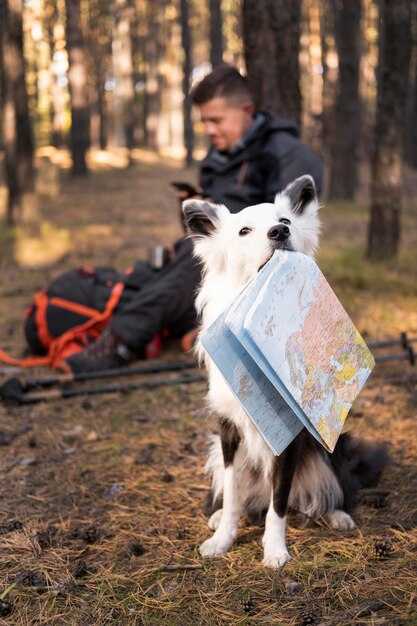
ארזו ערכת וטרינר קומפקטית לנסיעות ושמרו אותה בתיק הקדמי לגישה מהירה. ערכה זו צריכה לכלול מסמכים, תרופות ומידע ביטוחי, בתוספת ציר זמן קצר וחיובי לחידושים והיתרים. ארגון מוקפד מועיל ומעניק לכם שליטה יציבה, מצמצם רגעים מלחיצים ושומר עליכם בתנועה ללא הפרעות. הנה רעיון מעשי להישאר מעודכנים לגבי הרישומים: אחסנו הכל בשקיות שקופות ותייגו כל פריט.
- מסמכים: להדפיס ולאחסן עותקים של רשומות חיסונים (כולל תאריך חיסון כלבת), מספר שבב, דרכון חיית מחמד במידת הצורך, אישור בריאות עדכני, אישורי נסיעה ומכתב וטרינר אופציונלי המתאר תרופות. לכלול תרגומים אם חוצים גבולות. לשמור על גישה דיגיטלית בטלפון או בענן, ולהכין כרטיס חזית של עמוד אחד עם פרטים חשובים לכל תרחיש ולצוות בדלפק הקבלה.
- תרופות וניהול מקרה: שמור תרופות באריזות המקוריות עם שם גנרי, מינון ותדירות. ארזו מלאי נוסף ל-3–5 ימים, מפצל גלולות במידת הצורך, ורשימת מינונים. השתמשו בנרתיק קטן כדי להפריד כדורים מחפצים אחרים. הוסיפו ציוד בסיסי לעזרה ראשונה: מגבונים אנטיספטיים, גזה, רפידות שאינן נדבקות, סרט הדבקה, מדחום וכמות קטנה של תמיסת אלקטרוליטים. ציינו אלרגיות כלשהן ומה לעשות אם חיית המחמד שלכם מראה סימני מתח או מצוקה. כללו שקיות קקי ומגבונים לניקוי מהיר לאחר הפסקות במהלך טיול.
- מידע ביטוחי: מספר פוליסה, שם המבטח, קו חירום 24/7, כיסוי לחו"ל ותהליך הגשת תביעה. שמור עותק PDF ותמונה בטלפון שלך. רשום מספרי טלפון של הווטרינרים הראשיים שלך ומרפאת חירום סמוכה בכל יעד. אם יש לך מגבלה נתונה, תכנן עבור חריגה פוטנציאלית וכיצד תכסה אותה.
- כרטיס מידע מהיר: צור כרטיס חד-עמוד עם שם חיית המחמד, מין, גזע, צבע, גיל, מספר שבב, אלרגיות, תרופות ומסלול נסיעה. זה עוזר כשאתה בדלפק הקבלה, אצל וטרינרים או במקרה של הפרדה.
- טיפים לזרימת נסיעות: בדקו פריטים מותרים לחברות תעופה או לגבולות, ותכננו הפסקות כל 2–4 שעות להליכה. התחילו לארוז מוקדם אם התחלתם לתכנן שבועות מראש; שמרו על תיקים קלים ונוחים כדי להימנע מהוספת מתח. אם אתם נוסעים לטיול ארוך יותר, כללו הפסקות ארוכות יותר ואספקה נוספת. גישה זו יכולה לעשות את ההבדל ולתמוך בניהול מתחים עבור חיית המחמד שלכם ועבורכם. ציר הזמן של הטיול שלכם ירגיש צפוי יותר ופחות כאוטי באופן פרוע מכיוון שאתם מוכנים. תוכנית זו תעזור לכם לשמור על רוגע.