


 한국어
한국어  English (UK)
  Русский
  বাংলা
বাংলা  العربية
  日本語
日本語  Magyar
  Norsk nynorsk
  Türkçe
  עִבְרִית
  Español
  Čeština
  Svenska
  Português
  Ελληνικά
  Suomi
Suomi  Nederlands
  Română
  Italiano
  Français
  Polski
  Українська
  Deutsch
  简体中文
简体中文  Slovenčina
  Српски језик
  اردو
اردو  Azərbaycan dili
  O‘zbekcha
  አማርኛ
አማርኛ 
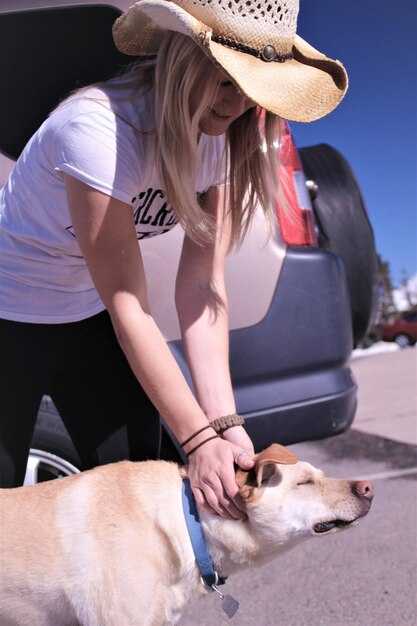
Start with a pre-travel vet check and update your pet’s microchip and ID tags to prevent accidents in transit. A quick vet visit within 30 days of departure helps catch issues that could derail traveling. Keep vaccination records handy, and verify there is no contagious illness for destinations you plan to visit. This small step will give you confidence that their health won’t derail your plans.
Map your route and transport options around pet-friendly stops. If you fly, verify crate dimensions, weight limits, and the airline’s pet policy at least 14 days before departure. For road trips, schedule breaks every 2–3 hours for water, potty, and light walks. Travel demand peaks on holidays, so book early and have a backup plan in case of delays. Always keep a card with your pet’s name, microchip number, ID, and the address where you’ll stay. If you’re doing multi-city travel, add buffer time between legs to reduce stress for your pet.
Pack essential supplies: two days of food, a leak-proof bowl, a harness, a long lead, waste bags, a first-aid kit, and any daily medications. Include a familiar blanket or toy for calming, plus a travel crate or carrier that fits your pet’s size with proper ventilation. Charge a portable power bank if you use a GPS tracker or automatic feeder during transit; label the crate with a photo and your contact info to speed reunification.
Bring up-to-date health certificates, vaccination records, and the microchip tag; list medications and any special needs. Some destinations or carriers may denied entry if documents are missing or outdated; verify requirements well in advance and carry both digital and printed copies. This preparation reduces last-minute stress and helps you stay on schedule, even when plans shift.
Adopt calming strategies to ease nerves: pheromone sprays, familiar bedding, and soft music can help during transit. Start crate or carrier acclimation weeks before travel, and gradually increase time inside. If you consider sedatives, discuss with a vet first; some products interact with other meds. For long trips, plan meals and water stops to avoid stomach upset, such as avoiding large meals right before departure.
On the road or at the station, keep their routine consistent: feeding times, potty breaks, and sleep patterns. Use a harness instead of a neck collar for better control in busy areas, and always secure the carrier during movement. If you must switch transport modes, have a quick-ready bag with a collar, leash, meds, and their ID in case of a delay.
In emergencies, store the vet’s number, your travel insurer, and local pet emergency contacts. Share travel details with a trusted friend so they can help if you’re delayed; theres always a plan to maintain care for your pet. This starts with a simple page listing your pet’s description, microchip ID, current meds, feeding schedule, and a recent photo. Consider a backup plan for kenneling or alternate routes if needed.
Travel with Pets: A Practical Guide for Vet Selection and Preparation
Schedule a vet visit 4–6 weeks before travel to confirm your pet is fit to move, update vaccines, verify microchip data, and obtain required certificates for entry. Ask the vet to issue an international health certificate if your destination requires one, and have them review regulations for countrys you will visit when traveling internationally.
Choose a dog-friendly clinic with a board-certified veterinarian who has travel experience; think of them as a partner who can determine the paperwork path and explain strict import rules for your destinations.
At home, begin crate acclimation and a consistent routine; select a crate that meets transport standards and is dog-friendly for the trip; make the crate inviting with a familiar blanket, and practice opening and closing it to reduce stress-free stays. This effort pays off with calmer stays.
Documentation includes current vaccines, the microchip number, and any export permits; carry printed records and digital copies, plus a recent photo and owner contact information; verify arrival requirements for each countrys and airline rules. Clarify what fees cover, including vet visits, certificates, and transport-related paperwork. The vet can help determine the sequence of steps and timelines.
Heat safety matters: avoid travel during peak heat, provide shade and cooling, offer fresh water at every stop, and monitor signs of heat stress; discuss calming aids or sedatives with your vet only if needed. Particularly during heat waves, plan routes and breaks to keep your pet comfortable.
Transport options vary by route: ground transport, rail, or air; for air travel, confirm crate size, pet policy, required labeling, and check connections with your chosen arrival location; for car travel, plan breaks every 2–3 hours and keep to a dog-friendly schedule. Determine the best transport mode based on distance, size, and your schedule.
Arrival and post-travel care: present documents to border officials, arrange a quiet welcome area, and schedule a check with a local vet within a week; keep ID tags on the collar and track the microchip; statistics show many lost pets are reunited when chipped and properly labeled. The wonders of well-planned travel unfold when you plan ahead. Still, stay flexible if delays occur and adapt as needed.
Finding the Right Kind of Vet for Traveling Companions
Choose a veterinarian who provides a travel-ready plan, issues required approvals, and remains accessible through transportation. This collaboration covers the things that matter most and keeps things easy from the first consult to arrival, with more practical tips along the way.
- Classifications to review: seek clinics with travel experience, in-house pharmacy support, and a dedicated member of the team who handles your pet type (dog, cat, bird, or small mammal).
- Medication and approvals: confirm prescription transfer, on-the-road refills, and a clear process for obtaining meds when you’re away from home; ask for a written plan and a simple form you can hand to staff.
- Documentation and access: ensure vaccination records, health certificates, and microchip status are easy to access in digital or printed form; request a letter you can show at checkpoints to avoid delays at arrival.
- Transport and safety: discuss carrier options, secure loading, and how to keep your pet comfortably during flights or road trips; pack bowls, a familiar blanket, and a few favorite toys.
- Surprise handling: plan for unexpected issues on the road (weather delays, route changes) and identify nearby clinics along the route for quick help.
- Social considerations and behavior: plan for interactions with people and other animals; consider calming aids or gradually increasing exposure strategies to keep your pet social and relaxed, reducing potential stress and surprise.
- Costing and timing: request a transparent estimate that covers checkups, vaccines, and potential emergency visits; figure out costs depending on route, duration, and any required stopovers; also note the delta between home routines and travel days to avoid a budget surprise.
- Arrival planning: confirm what the vet can do on arrival, how to adjust medications if the schedule shifts, and who on the team will be the main contact during each location visit.
Identify vets with mobile services or travel-friendly hours
Call ahead to secure a mobile vet with travel-friendly hours before you depart. For nomad families and city-hopping travelers who are leaving one destination for another, house calls reduce stress for companions on the move and keep care within the same routine. When you call, ask regarding travel radius, booking windows, and whether the policy welcomes travel clients or offers same-day slots. Also look for reviews from other travelers in the community.
Step 1: Look for mobile services or travel clinics within your route, and confirm they offer early morning, late evening, or weekend appointments. Review 지침 on what visits cover, whether you can stay with your pet during the exam, what is 허용됨 on a home visit, and what documents you must bring. Also verify the total cost, including any trip fee, exam, and routine tests or vaccines.
Step 2: Inquire about on-the-road services they provide, such as wellness exams, vaccinations, and on-site testing. Ask which tests are available, including which specific tests are offered, whether they can administer shots during a home visit, and how they handle prescriptions. If you travel with multiple 동반자, confirm they can accommodate more than one pet and how to coordinate the schedule.
Step 3: Prepare to bring essential documents: vaccination history, microchip number, recent test results, and a list of medications. Have copies ready to share and confirm whether records can be emailed or stored in a mobile file. Regarding interstate or international travel, verify any required vaccines or certificates for the route ahead and keep them from getting expired.
Step 4: On the day, arrive early to give your companion time to adjust, bring a familiar blanket, and stay with them if possible. If your companion 아닌가 settling, ask for a quick calming protocol and proceed with needed tests or vaccines in small steps to avoid excess stress. You’ll finish with a clear plan and a smooth transition into your travel-day routine.
Finally, build a small community of trusted providers you can turn to across destinations. Keep a master list with clinic names, phone numbers, service areas, and hours; this must stay updated as you travel. Having one or two mobile vets in your network helps you manage unexpected issues, tests, or shots without losing momentum on your nomad adventures.
Checklist: questions to ask your chosen vet before trips
Get a travel-focused check-up 2–4 weeks before departure to confirm your pet is comfy for the trip. Gather all health records in one folder: vaccines, microchip, recent check-ups, medications, allergies, and any chronic issues. If you plan to travel abroad, request english-language guidelines and a simple care plan you can prepare for the road. Note your pet’s pounds to adjust feeding or dosing if needed, and confirm whether any condition requires a separate plan for the trip.
heres a simple, stage-by-stage prep you can discuss with your vet: pre-trip, travel day, and post-arrival. For this pre-trip stage, verify vaccines are up to date, review parasite preventives, and confirm ID requirements. For the travel-day stage, ask about safe transport options, what to bring, and how to handle stress during transit. For the post-arrival stage, agree on signs that indicate lingering stress and when to schedule a follow-up check-up. Look early to reserve an appointment and plan accordingly. The thing is to keep consistent routines with your owner, and thats the thing that helps acclimate to the new routine.
다음 질문들을 활용하여 반려동물과 함께 도로, 철도, 항공으로 이동할 때 편안함과 안전을 유지하는 방법에 대해 논의되었는지 확인하십시오. 다음 표에 예시 질문이 나와 있습니다.
| 최근 검진 결과에 따르면 제 반려동물은 여행 준비가 되었나요? | 여행에 필요한 전반적인 건강 상태를 평가하고 현실적인 기대를 설정합니다. | 결과: 예약 진행 또는 필요에 따라 계획 조정. |
| 어떤 백신 또는 기생충 예방약이 목적지 또는 여행 방법에 따라 필요한가요? | 질병 예방 및 공항이나 국경에서의 입국 문제 예방. | 결과: 백신 업데이트, 필요한 약품 비축. |
| 진정 옵션을 추천해주시겠어요? 그리고 체중(파운드)별 부작용 및 투여량은 어떻게 되나요? | 안전하지 않은 선택은 피하면서 스트레스를 줄입니다. | 결과: 계획을 결정하고 기록이 담긴 투약 가이드 유지. |
| 어떤 기록을 휴대해야 하며, 간편하게 꺼내볼 수 있도록 별도의 폴더에 보관해야 할까요? | 해외 항공사, 호텔, 수의사가 신속하게 액세스할 수 있습니다. | 결과: 조립 후 적절히 정리하여 보관하십시오. |
| 이번 여행에 대한 적응 계획은 무엇인가요? 식사, 운동, 수면 루틴을 포함해서요. | 새로운 환경에서 일관성을 유지하고 불안감을 줄입니다. | 결과: 계획을 복사하고 필요한 조정 사항을 예약합니다. |
특수 반려동물: 만성 질환에 대한 수의사의 경험 평가
선택하세요 dog-friendly 반려동물의 만성 질환 관리 경험이 풍부한 수의사를 찾습니다. 치료 결과가 나타난 3~5건의 사례 요약을 검토 요청하십시오. period 개월 동안. 반려동물에게 맞는 맞춤형 플랜을 찾아보세요. needs, 약물, 모니터링, 영양 및 활동을 포함합니다. 가능한지 확인하십시오. 나르다 신경 안 써 집 가능한 경우 진료소 방문을 조정하고 중대한 증상 악화를 완화하는 단계와 함께.
요청 certificates 만성 질환 관리 교육과 서면 관리 계획을 이수해야 합니다. 그 form, 초기 평가 단계, 주요 단계 및 standard 전문가에게 에스컬레이션해야 하는 시기에 대한 프로토콜. 시간 경과에 따른 변경 사항을 추적하고 조정하는 방법에 대해 문의하십시오. treatment 환자를 유지하기 위해 건강한.
담당 진료팀: 주치의, 전담 테크니션, 그리고 신뢰할 수 있는 방문 후 업데이트를 전달하는 담당자를 찾아보세요. dog-friendly 침착한 공간, 접근 가능한 입구, 그리고 명확한 hours. 야간 근무나 중요한 시기에 도움을 줄 수 있는 신뢰할 수 있는 추천 네트워크를 확보하십시오.
여행 준비: 항공편 이용 시 반려동물과 함께 여행할 수 있는 여행 준비 계획을 요청하세요. 여기에는 약물 반입 계획과 다음이 포함됩니다. form 지연 시 치료 상태를 확인하기 위해 예방 접종 사본을 지참하십시오. certificates 및 진행 중임을 명시하는 서신 needs 용량 및 투여 일정. 투명한 가격을 요구하세요: 명확한 charge 일상적인 관리, 검사 및 모든 응급 상황 발생 시 demand; 총액과 잠재적 금액을 알아야 합니다. 수하물 여행에 대한 추가 요금이나 수수료는 없습니다. 만약 당신이 미국 또는 국제적으로, 기록 인식을 검증하고, 항공사를 확인하십시오. 티켓 그리고 선실 수하물 수당.
적절한 수의사를 고르려면 최소 세 곳을 비교해야 합니다. 신뢰할 수 있는 약속이 아닌 결과에 기반한 클리닉. 클리닉의 standard 만성 질환 관리에는 수의사의 시간이 takes 방문 시 반려동물과 함께하고, 리필을 쉽게 받을 수 있는지 확인하세요. 상태가 악화될 경우 단일하고 조율된 계획으로 전환할 수 있는지 확인하고, 더 짧게. 구원으로 가는 길 그리고 더 안전한 관리.
가는 길에 24시간 응급 클리닉 위치를 찾고 지도에 표시하는 방법
출발 전에 이동 경로를 따라 24시간 응급 클리닉의 마스터 상시 지도를 만드세요. 주소, 전화번호, 운영 시간을 포함한 모든 클리닉을 저장하고, 진료 가능 여부와 응급 환자 분류 제공 여부에 대한 메모를 추가하세요. 오프라인에서 접속 가능하도록 파일을 보관하고, 모험 중 쉽게 접속할 수 있도록 신뢰할 수 있는 여행 동반자와 공유하세요.
경로를 감안하여 각 구간에서 20마일 이내(또는 차로 약 30분 우회)의 클리닉을 식별하십시오. 우회 및 휴일 인파를 위한 편안한 완충 장치를 추가하고 클리닉 수용량이 가득 찰 경우를 대비하여 모든 구간에 백업 옵션이 있는지 확인하십시오. 도시 중심, 국경 마을 및 반려동물과 함께 주기적으로 연료를 보충하고 체크인할 수 있는 분주한 고속도로 복도를 다루는 짧은 정류 목록을 작성하십시오.
새로운 지역에 도착하기 24시간 전에 미리 전화하여 응급 상황을 받는지, 운영 시간이 본인 계획과 맞는지 확인하십시오. 예약 없이 방문해도 되는지, 아니면 예약을 해야 하는지, 개와 고양이를 모두 치료하는지, 직원이 국제적으로 통용되는 언어로 소통할 수 있는지 문의하십시오. 스트레스받은 반려동물을 다룰 수 있는지, 동물이 불안하거나 아플 때 접수 절차가 어떻게 되는지 알아두십시오.
맞춤 경로 지도와 같은 유용한 도구를 사용하여 이들을 지도에 표시하고 각 클리닉에 운영 시간, 사용 언어, 수용 정책, 반려동물 동반 가능 여부 등 필수 정보를 라벨로 제공하세요. 뒤로 돌아가는 경로를 최소화하고 주요 도로를 따라 이동할 수 있도록 연결 경로를 사용하세요. 또한 클리닉의 응급 연락처와 보조 연락처를 포함하여 당황스러운 상황에서 검색하는 일이 없도록 하세요.
미리 준비하세요: 침구, 익숙한 담요, 그리고 이동 중 안전을 위한 튼튼한 탑승용 상자를 챙기세요. 예방 접종 기록과 반려동물 마이크로칩 번호, 그리고 주인 연락처가 적힌 인쇄본을 보관하세요. 20파운드 동물이라면 몸무게와 특별한 관리 필요 사항을 기록하고, 다양한 병원이나 임시 위탁 상황에 대비하여 여분의 목줄과 여벌 칼라를 챙기세요.
운송 중 안전이 중요합니다. 차량이나 캠핑카의 적절한 환기와 튼튼한 이동장 고정 장치를 확인하세요. 춥거나 더운 환경에서는 반려동물을 극심한 온도 변화로부터 보호하고 차량에 방치하지 마세요. 항공 운송이 가능하다면 기압 조절이 되는 객실이 있는 이동장을 선택하고 항공사 정책을 확인하세요. 그렇지 않다면 육로 이동 옵션과 필요한 경우 위탁 관리를 계획하세요.
이동 중에는 계획된 간격으로 멈춰 애완동물의 상태와 수분 공급을 확인하세요. 스트레스와 피로의 징후를 살펴보고, 짧은 산책 시간을 갖고, 각 정류장과 진료소 방문 기록을 남기세요. 대기 시간이 짧거나 더 나은 진료를 제공하는 진료소를 찾으면 항상 수정된 계획을 세우고, 안전하고 편안하게 이동할 수 있도록 경로를 조정하는 것을 주저하지 마세요.
마지막으로, 계속 이동하면서 발견하는 새로운 병원을 마스터 맵에 업데이트하고 쉴 때마다 검토하세요. 추운 밤이나 위험한 날씨를 만나는 경우, 근처 병원에서 반려동물을 위한 대피소나 임시 숙소를 제공할 수 있는지 확인하고, 모험을 계속하기 전에 편안하게 쉬면서 재정비할 수 있는 시설을 찾으세요.
여행용 수의사 키트 준비: 서류, 약품, 보험 정보
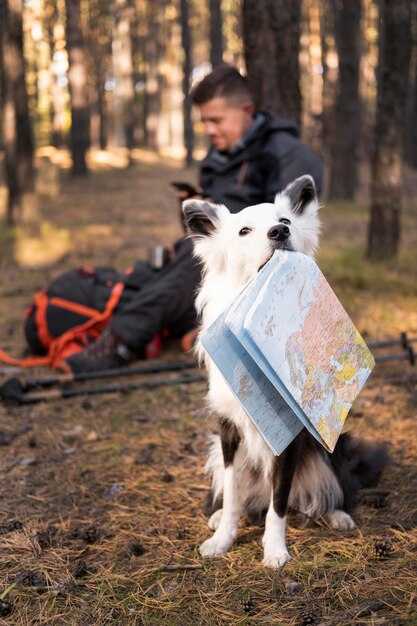
간편한 여행용 수의사 키트를 챙겨 앞 가방에 넣어두면 빠르게 꺼내 쓸 수 있습니다. 이 키트에는 문서, 약, 보험 정보와 갱신 및 허가에 대한 간략하고 긍정적인 타임라인이 포함되어야 합니다. 잘 정리된 구성은 도움이 되며 꾸준한 통제력을 제공하여 스트레스가 많은 순간을 줄이고 당황하지 않고 이동할 수 있도록 해줍니다. 기록을 최신 상태로 유지하는 실용적인 아이디어가 있습니다. 모든 것을 투명한 가방에 보관하고 각 품목에 라벨을 붙이십시오.
- 필수 서류: 예방 접종 기록(광견병 날짜 포함) 사본, 마이크로칩 번호, 필요한 경우 반려동물 여권, 최근 건강 진단서, 여행 허가서, 선택적으로 약물에 대한 수의사 소견서를 인쇄하고 보관하십시오. 국경을 넘는 경우 번역본을 포함하십시오. 휴대폰이나 클라우드에 디지털 액세스를 유지하고, 모든 시나리오 및 프런트 데스크 직원을 위한 주요 세부 정보가 담긴 1페이지 분량의 앞면 카드를 준비하십시오.
- 약물 및 사례 관리: 약은 반드시 일반 명칭, 용량 및 빈도가 적힌 원래 용기에 보관하십시오. 3~5일 분량의 여분 약, 필요한 경우 약 분할기 및 복용량 목록을 챙기십시오. 알약을 다른 물품과 분리하여 보관할 수 있는 작은 케이스를 사용하십시오. 소독 물티슈, 거즈, 비점착 패드, 테이프, 체온계 및 소량의 전해질 용액 등 기본적인 응급 처치 용품을 추가하십시오. 반려동물의 알레르기 및 스트레스 또는 불쾌감을 보이는 경우 대처 방법을 기재하십시오. 산책 중 휴식 후 빠른 정리를 위해 배변 봉투와 물티슈를 챙기십시오.
- 보험 정보: 증권 번호, 보험사 이름, 24시간 긴급 연락망, 해외 보장 범위, 보험금 청구 절차. PDF 사본과 사진을 휴대폰에 저장하세요. 주치의 수의사와 각 목적지 근처 응급 동물병원의 연락처를 기재하세요. 한도가 정해져 있다면 초과 가능성과 초과 비용 충당 방안을 마련하세요.
- 빠른 참조: 반려동물 이름, 종류, 품종, 색상, 나이, 마이크로칩 번호, 알레르기, 약물 및 이동 경로가 담긴 한 페이지 카드를 만드세요. 프런트 데스크, 동물 병원 또는 격리 시 유용합니다.
- 여행 흐름 팁: 항공사 또는 국경에서 허용되는 품목을 확인하고, 2~4시간마다 산책을 위해 휴식을 계획하세요. 몇 주 전에 계획을 시작했다면 미리 짐을 싸기 시작하고, 스트레스를 더하지 않도록 가방을 가볍고 관리하기 쉽게 유지하세요. 더 긴 여행을 하는 경우, 더 긴 휴식과 추가 용품을 포함하세요. 이 접근 방식은 변화를 만들고 당신과 당신의 애완동물의 스트레스 관리를 지원할 수 있습니다. 당신이 준비되어 있기 때문에 여행의 타임라인이 더 예측 가능하고 덜 혼란스럽게 느껴질 것입니다. 이 계획은 당신이 침착함을 유지하는 데 도움이 될 것입니다.