


 Nederlands
  English (UK)
  Русский
  বাংলা
বাংলা  العربية
  日本語
日本語  한국어
한국어  Magyar
  Norsk nynorsk
  Türkçe
  עִבְרִית
  Español
  Čeština
  Svenska
  Português
  Ελληνικά
  Suomi
Suomi  Română
  Italiano
  Français
  Polski
  Українська
  Deutsch
  简体中文
简体中文  Slovenčina
  Српски језик
  اردو
اردو  Azərbaycan dili
  O‘zbekcha
  አማርኛ
አማርኛ 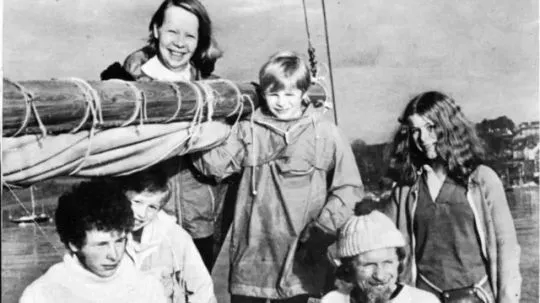 Hoe de familie Robertson 38 dagen overleefde na het zinken van hun schoener">

At approximately 300 miles west of the Galapagos Islands, the 13-meter schooner Lucette was breached by orcas, leaving six people without power, sails, or radio; they drifted roughly 900 miles before a Japanese tuna vessel, Toka Maru II, effected rescue on day 38.
Voyage logistics and the moment the voyage turned
In 1971 the Robertson family—Dougal Robertson (a former merchant marine captain), his wife Lyn Robertson, children Douglas, Anne, twins Neil and Sandy, and a young passenger, Robin Williams—sold assets to buy the schooner Lucette and set off on a circumnavigation designed as a life-learning project. The routing took them across the Atlantic, through the Panama Canal into the South Pacific where conventional supply and comms planning became critical.
On 15 June 1972, while underway 300 miles west of the Galapagos, three orcas collided violently with the hull of Lucette. The hull flooded within a minute and routine emergency systems—no working VHF or EPIRB—left the party without external means of summoning help.
Abandon ship: equipment, immediate decisions, and improvised lifeboats
Time allowed for inflating a three-meter inflatable raft, launching a small fiberglass dinghy and salvaging: a knife, a few citrus fruits, 10 liters of stored water and distress flares. All six transferred to the inflatable; when that raft failed after nine days they crowded into the narrow dinghy for the duration.
Supplies and rationing: what they had and what they made last
| Item | Initial Quantity | Outcome/Use |
|---|---|---|
| Zoet water | 10 liters | Lasted ~10 days; supplemented by rain and turtle blood |
| Eten | Few lemons, oranges | Replaced by fishing, flying fish, turtles; meat sun-dried |
| Flares | Limited | Fired on day 38 to signal Toka Maru II |
Survival methods: nutrition, hygiene, and medical improvisation
With potable water exhausted and conventional desalination absent, the group relied on caught sea turtles for meat, fat, and a water-rich blood reserve. Turtle flesh was sun-dried; fat served as an ointment for salt sores.
In a radical, medically informed decision, Lyn proposed rectal hydration using soiled dinghy fluids when oral intake proved insufficient. The family constructed an improvised delivery tube from the raft ladder. The method—deeply unpleasant but physiologically viable—was adopted by all except the passenger, and it contributed to maintaining hydration and electrolyte balance.
Daily life at sea: psychological and environmental hazards
- Sharks and circling predators created constant danger and stress.
- Infections and burns from sun and salt required continuous care and makeshift first aid.
- Sleep deprivation, hallucinations, and family tension were mitigated by role allocation: Douglas managed rations; Lyn provided medical and emotional support.
Rescue and aftermath
On 23 July 1972, at dawn on the 38th day adrift, Dougal discharged a distress flare; after an initial non-response, a second flare drew a course alteration from Toka Maru II and the blast of a horn confirmed detection. The family was recovered after drifting approximately 900 miles without propulsion or reliable communication.
Post-rescue, accounts were published: Dougal wrote Survive the Savage Sea (1973) and Douglas later published The Last Voyage of the Lucette (2005). The story has since been included in maritime survival curricula and exhibited in maritime museums as a case study in small-boat emergency management and human resilience.
Lessons for sailors and travelers
- Always plan redundant communications: EPIRB, VHF, satellite messenger where possible.
- Store emergency water in sealed containers and know methods for catchment and desalination.
- Basic medical training and improvisation can be life-saving—prepare crews and family members for non-standard treatments.
- Psychological preparedness and clear role assignment reduce panic and conserve resources.
At a glance, the Robertson case underlines the importance of logistics, emergency planning and crew training for maritime travel—elements that increasingly intersect with tourism as more travelers book yacht charters and adventure trips in remote waters.
The story remains compelling to travelers interested in maritime history and adventure activities. For those planning trips near the Galapagos or other remote archipelagos, GetExperience.com lists local options—from guided boat tours and eco-friendly wildlife safaris to museum tours with live guides and exclusive yacht charters for events—that let you explore responsibly while relying on verified providers. On GetExperience, you book your experience from verified providers at reasonable prices. This empowers you to make the most informed decision without unnecessary expenses or disappointments. Benefit from convenience, affordability, and a wide range of additional options and tailored excursions—Book now GetExperience.com
Key takeaways: the Lucette incident shows how rapid equipment failure, isolation, and resource scarcity can multiply risk at sea; improvisation, strong leadership, and family cohesion can extend survival. For modern travelers and operators, the lessons apply to cruise packages, yacht parties, adventure rafting trips for beginners, luxury adventure travel experiences and eco-friendly wildlife safaris. Personal experience still beats even the best reviews; travel experiences, interactive online cultural workshops, online virtual tours, museum tours with live guides, beginner esports coaching sessions, professional esports training programs and other offerings continue to expand how we prepare and enrich journeys.