


 한국어
한국어  English (UK)
  Русский
  বাংলা
বাংলা  العربية
  日本語
日本語  Magyar
  Norsk nynorsk
  Türkçe
  עִבְרִית
  Español
  Čeština
  Svenska
  Português
  Ελληνικά
  Suomi
Suomi  Nederlands
  Română
  Italiano
  Français
  Polski
  Українська
  Deutsch
  简体中文
简体中文  Slovenčina
  Српски језик
  اردو
اردو  Azərbaycan dili
  O‘zbekcha
  አማርኛ
አማርኛ 
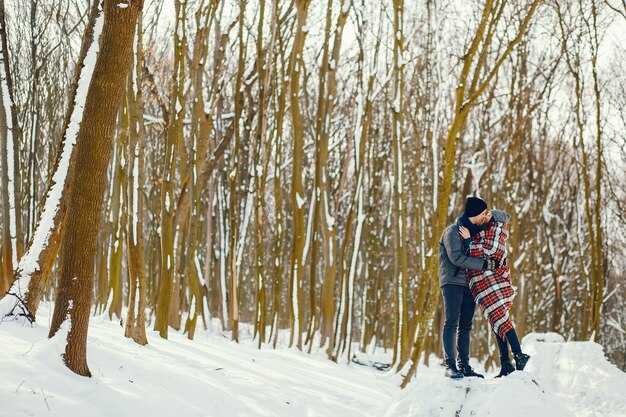
Plan your winter trip for mid-december and book lodging early near Jackson Hole to catch fresh snow and calmer trails. As a visitor, you might target a 3–5 day stay and lock in lodging with a warm lobby and a reliable menu for dinners. Lodging availability tends to thin after the holidays, and prices can rise on weekends. If you could choose a base with easy access to cross-country routes, you’ll save time and energy for days on snow.
Snow cascades from rugged ranges, turning the Grand Teton’s jagged profiles into a cascade of white sculptures. Although winter can be cold, sunlight on clear days can stretch across the ranges for hours, making cross-country trails glow with frost and pine scent. The quiet can feel surreal, although the wind might bite your cheeks at midday. Solitude invites slower pace.
Wildlife remains active in winter; elk, moose, and coyotes linger in sheltered coves and meadows. Dawn and dusk hours offer the best opportunities, and a single sighting can energize your trip. Always stay at least 100 meters away from wildlife and listen for ranger guidance; the silence in snow is thick, but animals can be startled by noise.
Quiet trails invite snowshoeing and cross-country skiing; in mid-winter, several trail systems are available, with groomed loops for all levels. Some park roads are closed to private vehicles, but guided snow-coach and shuttle services provide access to trailheads and viewpoints. If you want a simple plan, a half-day cross-country session can be followed by a warm drink and a stroll along a frozen lake, just enough to feel immersed without overdoing it.
Lodging options range from cozy lodges to small inns; prices for a midweek winter night often fall between $150 and $300, with weekends higher. The park’s lodging spots usually publish a seasonal menu with hearty meals–think bison chili or trout with potatoes. Availability depends on the month; months like January and February can offer the best bargains, but midweek stays are often easiest to book. If you heard that winter in the Tetons is all crowds, that’s not the case for a single, well-planned visit–quiet days are common and you can tailor a shorter trip to fit your schedule.
Pack warm layers and a windproof shell, because conditions can shift within hours. Most days provide a warm period around midday; bring sunglasses for glare on snow and pack extra batteries for cameras in the cold. Check current road status and park updates before you go, especially mid-December when some routes may close to vehicles. For a self-contained experience, combine scenic overlooks with short, natural strolls along frozen lakes to savor the season without overstretching days.
Winter Visits to Grand Teton National Park: A Practical Guide
Book ranger-led winter trips to Grand Teton for up-to-date trail status, avalanche forecasts, and practical safety tips. Sign boards at trailheads change with storms, so verify closures on arrival. Reserve lodging early in Wyoming, since popular options fill quickly during the cold season. Bring snacks and water for day trips, and keep extra in your vehicle if parking allows.
Using a layered system helps you adapt to shifting temperatures. Start with a moisture-wicking base, add an insulating layer, and top with a windproof shell. Pack a compact emergency blanket, spare gloves, and a headlamp in case you’re caught out after dark. For longer routes, carry a thermos with hot water or tea to stay alert and energized.
Plan around daylight hours: typical winter days offer only a few hours of solid light, and highs and lows can swing quickly. Times vary by month, so consider a shorter loop if you’re new to snow conditions, or join a guided option to make the most of the trails.
Trails feel more serene with fewer crowds, but popular viewpoints still draw people. Choose sunrise or late afternoon windows to see the mountains glow and spot wildlife along the rims; you’ll often have visible views across the inner valley.
Wildlife can be active in winter, but keep a generous distance and never approach. If you see bison, elk, or moose, let them move through their yards and avoid blocking their path. Stay on established routes to protect habitats and reduce avalanche risk in deeper snow.
Road access varies; some park roads close to wheeled traffic in winter. If you plan to drive, verify current conditions, signage, and any snowplow closures–otherwise use guided shuttles or snow coaches. Expect reduced services in lodging areas, and carry cash or credit for inside-park needs where accepted.
Emergency readiness matters: carry a first-aid kit, a charged phone, and a portable charger. If conditions worsen, stay put and call park rangers or return to shelter. Remember that minimum gear for backcountry trips includes beacon, shovel, and probe when venturing beyond groomed paths.
For lodging plans, coordinate with meals and snacks; some visitors opt for a hot meal at the lodge after a day on the snow. Always check weather, delta winds, and inner valley conditions to tailor your course for the next day. If you’re curious about secret viewpoints, ask a ranger Francisco for their best safe overlooks–always respect wildlife and park rules.
Winter Gear Checklist for Grand Teton: Layers, Boots, and Safety
Begin with a three-layer system: a moisture-wicking base, an insulating mid-layer, and a waterproof outer shell. This minimum setup keeps you warm and dry in any place around Grand Teton, where granite peaks rise and the winter ecology shifts quickly. Each layer plays a role: the base wicks moisture, the mid-layer adds warmth, and the shell protects against wind and snow. If conditions were harsher, you adjust by adding an extra inner layer and keeping movement steady as the sun climbs over the landscape.
Boots and traction matter as much as insulation. Choose insulated, waterproof boots with a sturdy lug sole; bring two pairs of socks (one liner, one thick wool) and swap as needed. Add gaiters for snow depth and snowshoeing terrain, and carry microspikes or crampons if you venture beyond maintained roads. Make sure your boots fit over thick socks and that you can lace tight for downhill control, because a stumble on icy 도로 can ruin a day trip. Practice snowshoeing skills on easy trails before your long ride.
Pack safety gear that operates reliably in winter light. Headlamp with extra batteries, a map and compass, a charged phone with offline maps, and a compact emergency blanket or bivy. Include a small first-aid kit and a fire starter; these items create options if weather shifts or you must shelter for a period. For winter travel, the Jackson Hole tram and other park services operate on limited schedules; you must also verify avalanche forecasts if venturing beyond roads, check available shelter options at visitor centers, and heated rooms if available, and be prepared to shorten your plan if conditions worsen.
Respect the ecology and stay connected with others on your trip. Stay on designated trails to protect inner soils and fragile flora, and watch for wildlife; give animals space and back away slowly if you encounter elk, moose, or bison. Winter driving on 도로 requires extra caution; check road status, carry traction devices, and plan contingencies for the shorter days and potential whiteouts. If you’re camping, ensure permits are secured and pack a lighter load to make each day easier and safer; otherwise a day trip from a nearby base is the better option.
Plan with care and set realistic expectations. For a major mountain area, have a fallback route and an escape plan; a little planning creates confidence and reduces risk. Expect the day to start cold, and expect wind shifts; you must adjust routes when you see fresh snow on stark granite faces. The south-facing slopes often thaw first, offering easier daylight progress, while the north sides can stay icy; use this to pace your trip and protect your gear, since the 여행 is as important as the destination.
Travelers from francisco often combine a winter Grand Teton visit with a short trip to Jackson or a stay in nearby rooms, then ride the tram or drive along the over roads to scenic overlooks. They learn to create a simple packing list that covers the inner layers, hydration, and safety gear–which makes every major hike in chilly 화강암 country more manageable and enjoyable for others.
Winter Wildlife Viewing: Where to Spot Animals and How to Observe Safely
Begin your winter wildlife outing with a ranger-led workshop and then head to Oxbow Bend at first light to watch moose against snow-dusted peaks. Pack a thermos, a camera with telephoto lens, and binoculars for daytime viewing.
Moose linger along Willow Flats on the Moose-Wilson Road and near the Jackson Lake area; elk gather in sheltered meadows around Antelope Flats and along the Snake River corridor; bighorn sheep cling to crags above the valley; wolves, coyotes, and foxes move through packed snow along road edges, while eagles perch along open shorelines. Watch for fresh tracks or disturbed snow as signs of animal movement.
Observe safely by keeping a respectful distance, using binoculars or a long telephoto lens, and staying on designated pullouts, trails, or viewing platforms. Never feed wildlife or attempt to approach; back away slowly if an animal approaches, and follow ranger directions. For a deeper experience, join a workshop or guided walk offered by park staff or on-site partners. Guides knew from years of field notes that mornings and late afternoons offer the best activity in winter.
Dress in layers, carry hand warmers, traction devices, and a small first-aid kit. Winter daylight is shorter, so plan daytime outings when visibility is good and allow for sudden weather changes. If you plan to camp, use a four-season tent and follow Leave No Trace principles; winter backpacking demands months of preparation and careful route choice, with sites beneath the snow and potential avalanche considerations. You can also rent gear for snowshoes, microspikes, and winter clothing at nearby lodging properties or rental shops.
There are lodging options inside and near the park, making on-site stays convenient for travelers. Some properties offer a café on site, while others provide quick-service cafés in the area; check signs for current road status and closures. If you want to combine wildlife viewing with other winter activities, nearby ski lifts offer a quick escape to high viewpoints. Consider a single lift ride to gain a different perspective, or ask staff about accessible secret viewpoints that reveal huge panoramas of peaks and the valley below. If fishing adds to your plans, winter trips with local guides can center around frozen lakes with safe access and quiet scenery, complementing days spent watching moose and elk beneath the mountains.
Quiet Snow Trails: Best Snowshoeing and Cross-Country Routes
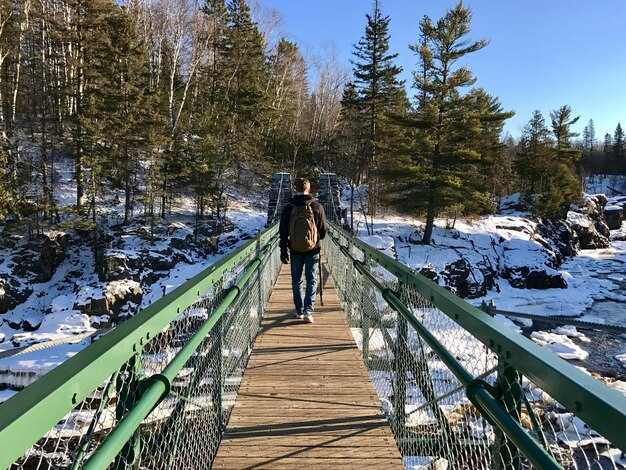
Start with Taggart Lake Trail for a quiet, scenic snowshoe or cross-country loop that stays peaceful well into mid-december and beyond.
- Taggart Lake Trail – about 3.5 miles round trip
A gentle climb through spruce and pine leads to a frozen lake with cathedral-range backdrops. The route stays mostly packed snow in typical winters, so traction devices help on slick sections. Park at the Taggart Lake Trailhead; allow 2–3 hours. Best dates: mid-December through March. Wildlife sightings–elk or foxes–feel intimate, not crowded, perfect for travelers seeking beauty in solitude. - String Lake Loop to Leigh Lake – 5–6 miles round trip
스트링 호수를 중심으로 비교적 평탄하거나 완만한 횡단로이며, 여건이 허락한다면 리 호수 방향으로 갈라지는 지선도 선택적으로 이용할 수 있습니다. 바람에 조각된 눈 더미와 간혹 얼음이 언 수로를 예상해야 하며, 눈 속에 삼각주와 같은 질감을 형성합니다. 이 경로는 조용함과 경치 감상의 보상이 균형을 이루고 있으며, 특히 평일 오전에 좋습니다. 12월부터 3월까지가 가장 좋으며, 3~4시간 소요됩니다. 스노슈잉이나 크로스컨트리 조합에 좋으며, 해안가 얼음에서 가끔 수영하는 동물의 흔적을 발견할 수도 있습니다. - 루핀 메도우에서 서프라이즈 호수까지 – 왕복 약 4.5–6마일
모란 정션 근처에서 시작하여 초원 분지를 향해 보호된 소나무 숲으로 올라가 탁 트인 겨울 풍경을 감상하세요. 눈은 보통 잘 다져져 있지만, 돌풍에 노출된 융기에 눈이 쌓일 수 있습니다. 3.5~5시간 소요 계획; 12월 중순부터 3월까지가 가장 좋습니다. 조용한 구간은 고드름 조각과 아래 유리 표면에 반사되는 모습에 잠시 멈춰 서면 거의 의식처럼 느껴질 수 있습니다. 야생 동물 발자국의 새끼들이 때때로 나타나 살금살금 움직이도록 상기시켜 줍니다. - 데스 캐니언 선반 – 왕복 6–8마일
숙련된 스키어와 스노슈어에게 도전적인 코스입니다. 고도 상승과 노출된 능선 구간은 주의 깊은 탐색과 눈사태 인식을 요구합니다. 안장 너머로 나갈 경우, 비컨, 탐침, 삽을 사용하십시오. 폭풍 후에는 더 깊은 파우더를 예상하십시오. 일광이 빨리 사라지므로 일찍 시작하십시오. 최적기: 12월~3월; 조건에 따라 4~6시간 소요. 이 코스는 광활한 계곡의 전망과 몇 안 되는 장소만이 줄 수 있는 외딴 고요함을 선사합니다. - 화강암 협곡 루프 – 왕복 3.5–4.5마일
그라나이트 캐니언 트레일헤드에서 햇빛이 잘 드는 분지와 숲속으로 조용히 접근할 수 있습니다. 이곳은 강을 따라 이어진 지역보다 사람이 적고 눈이 비교적 고르게 쌓여 있습니다. 보통 눈이 다져져 있지만, 햇볕이 좋은 날에는 딱딱한 층이 생깁니다. 1월~3월이 최적의 조건이며, 소요 시간은 2~3시간입니다. 공원의 다른 지역이 혼잡할 때 믿을 만한 선택지입니다.
세 가지 핵심 전략은 편안함과 안전을 유지하는 데 도움이 됩니다. 속도 조절, 12월 중순부터 3월 말까지의 일정 계획, 야생 동물 구역에서의 눈에 띄지 않는 행동 유지입니다. 시각적인 변화를 위해서는 바람이 눈에 조각품 같은 미묘한 능선을 만들어 놓은 곳, 그리고 외로운 소나무나 사시나무가 조용한 파수꾼처럼 서 있는 곳을 찾아보세요.
시카고를 포함하여 먼 곳에서 오는 여행자를 위한 실용적인 계획 참고 사항: 잭슨 홀로 비행기를 타고 가서 마을 근처의 현지 상점에서 장비를 대여하십시오. 대부분의 상점에서 스노슈즈, 아이젠, 크로스컨트리 스키를 제공합니다. istИсточник과 함께 방문자 센터에서 날짜와 조건을 확인하십시오. 국립공원관리청은 현재의 눈 상태와 도로 상황을 게시합니다. 일찍 시작하면 사람이 적고 산에서 더 긴 그림자를 즐길 수 있습니다. 가벼운 강설 후에는 다져진 트레일이 더 오래 지속되지만, 더 긴 코스를 시작하기 전에 항상 언덕 꼭대기에서 눈을 테스트하십시오. 모란 정션에서 접근성이 낮은 지점에서 더 큰 고독이 나타나는 경향이 있으며, 특히 12월 중순과 1월에는 공원 직원이 백컨트리 사용자를 위해 조용한 표지판을 세우는 경우가 많습니다.
안전 참고: 데스 캐니언 선반이나 기타 외딴 지역 통로로 향하는 경우 눈사태 장비를 휴대하고, 늑대나 밥캣의 흔적을 포함하여 야생 동물 활동 징후를 주시하십시오. 항상 옷을 겹쳐 입고, 수분을 유지하고, 섬세한 겨울 환경과 이러한 트레일을 매 시즌 다시 방문할 가치가 있도록 만드는 조용하고 특별한 아름다움을 보호하기 위해 폐쇄된 지역을 존중하십시오. 출처: 국립공원관리공단
겨울 암벽 등반: 추운 날씨를 위한 등반 루트, 장비 및 훈련 팁
구체적인 계획부터 시작하세요. 공원 근처의 보호된 남쪽 지역 하나를 선택하고, 창문 시간을 4-6시간으로 유지하며, 찬 바람을 피하기 위해 해 뜨기 전에 시작하세요. 거기에서 하루를 두 부분으로 나누어 효율적으로 움직이세요. 접근 및 등반, 그리고 일광이나 날씨 변화가 있을 경우 후퇴합니다.
아침 햇살을 가려 단단한 얼음이나 잘 형성된 화강암 지형이 있는 곳으로 길을 선택하십시오. 햇볕에 녹아 부드러워진 바위가 적습니다. 큰 바위 덩어리와 또렷한 모양을 한 돌을 찾으십시오. 이러한 지형은 추운 환경에서 예측 가능한 위치를 제공합니다. 야생화나 기타 여름 징후가 보이면 겨울에는 조용할 것이라는 점을 명심하십시오. 빙하 연마, 암석 질감 및 확보 지점에 집중하십시오. 10월의 눈은 여전히 고르지 않을 수 있으므로 해당 지역을 평가하고 루프 경로가 한계 내에 있는지 또는 노출된 능선에서 벗어나야 하는지 결정하십시오.
추운 날씨에는 장비 준비가 안전을 좌우합니다. 가볍고 보온성이 좋은 레이어, 방풍 쉘, 방수 겉옷, 그리고 확보용 절연 장갑을 챙기세요. 액체가 얼지 않도록 보온병이나 단열 슬리브가 있는 물병과 간식을 챙기세요. 등반을 위해서는 아이젠, 아이스 액스 2개, 헬멧, 다이나믹 로프, 잠금 카라비너 최소 4개와 슬링 또는 코드렛 여러 개를 챙기세요. 작은 개인 응급 처치 키트와 퀵 드로우 랙을 사용하면 기온이 매우 낮아질 때 효율성이 향상됩니다.
훈련은 지구력과 기술을 결합해야 합니다. 손가락 힘, 팔뚝 단련, 작은 홀드에서의 마찰력 유지를 우선시하십시오. 10월이나 11월 초에 실내 훈련 계획을 세운 다음, 가벼운 얼음이 있는 건조한 환경에서 야외 훈련으로 전환하십시오. 자기 확보 훈련, 루프 하강 시 로프 관리, 혼합 지형에서 아이젠에서 암벽화로의 효율적인 전환을 연습하십시오. 이러한 훈련은 길고 추운 등반에 대한 자신감을 높여주고 가장 어려운 구간을 부드럽게 통과하는 데 도움이 됩니다.
위험 관리는 명확한 철수 계획을 필요로 합니다. 시기를 맞추기 위해 날씨 상황을 확인하고, 폭풍우 동안 날카로운 칼날 능선을 무리하게 진행하지 마십시오. 상황이 악화되면 주요 접근 지역으로 후퇴하거나 첫 번째 눈보라 신호가 보이면 후퇴하십시오. 등반에서 돌아올 때는 무엇이 효과가 있었고 무엇이 효과가 없었는지 기록한 다음 다음 여행을 위해 배낭, 경로 선택, 페이스를 조정하십시오. 이러한 훈련된 접근 방식은 장시간의 노출 속에서도 안전하게 이동할 수 있도록 유지해주고 다음 위대한 등반을 위한 동기 부여를 유지하는 데 도움이 됩니다.
| Route Type | Difficulty | 일반적인 조건 | 권장 장비 | Estimated Time |
|---|---|---|---|---|
| 아이스 라인 | 적당한 | 차가운 그늘진 아침; 빙판길 주의 | 아이젠, 아이스 액스 (2), 헬멧, 로프, 슬링, 아이스 스크류 | 2–4 hours |
| 혼합 화강암 코너 | 어려움 | 매서운 바람, 서늘한 공기; 얼음 주머니가 있는 단단한 바위 | 마이크로캠, 너트, 슬링, 로프, 헬멧, 아이젠 | 3–5시간 |
| 설상 횡단 | 쉬움–중간 | 가시거리 양호; 다져진 눈; 간헐적인 빙판 | 빙벽 도끼, 아이젠, 로프, 슬링, 확보 장비 | 1. 5–3시간 |
날씨, 접근성, 공원 규정: 폐쇄 및 단축 운영 대비
오늘 공원 도로 상황을 확인하고 겨울철 운영에 맞춰 여행 계획을 세우세요. 그랜드 티턴 국립공원은 계절별 출입 규정을 적용하며, 폭풍우 후 외진 길이 폐쇄되면 공원 앞쪽 지역을 이용하는 것이 가장 좋습니다. 일찍 도착하여 강제 경로를 택하는 위험을 감수하는 대신 변경할 준비를 하세요. 이 방법이 일정을 지키는 데 더 좋으며, 위험은 줄이면서도 여전히 멋진 풍경을 볼 수 있습니다.
12월 폭풍은 폭설, 강풍, 짧아진 낮 시간을 동반하므로 옷을 겹겹이 입고 짧은 하이킹 계획을 세우세요. 눈사태는 산맥과 쿨로아에 영향을 미칠 수 있습니다. 노출된 경사면을 피하고 동물 발자국으로부터 안전 거리를 유지하십시오. 오지 탐험 시에는 비컨, 삽, 탐침봉을 휴대하고, 출발 전에 눈사태 예보를 확인하고 일정을 염두에 두십시오. 고려해야 할 다섯 가지 요소는 날씨, 접근성, 낮 시간, 야생 동물, 오늘의 도로 상황입니다.
새로운 눈이 도로에 쌓이면 운전하는 데 예상보다 오래 걸릴 수 있습니다. 잭슨 홀 에어리얼 트램(트램)은 시야가 확보될 때 운행하며, 도넌스라는 이름의 전문 가이드가 초보자를 위한 가이드 여행을 이끌고 있습니다. 주차장에서 더 가까운 곳에 머물고 싶다면, 프론트 컨트리 트레일 패스를 이용하고 도착 전에 현재 폐쇄 여부를 확인하세요.
겨울철 규정은 안전과 자원 보호를 강조합니다. 오지 여행에는 적절한 허가와 위험 요소에 대한 지식이 필요하며, 대부분의 트레일에서는 개 출입이 제한되고 캠프장 이용은 게시된 공지를 따릅니다. 겨울철에는 모든 옵션이 개방되지 않으므로 폐쇄 및 주의사항을 읽어보세요. 일부 장소에는 최소 숙박 요건이 있을 수 있으며, 파트너 광고는 정보 제공 목적으로만 간주해야 합니다. 이러한 겨울철 경험은 레인저와 날씨에 따라 달라지며, 레인저는 폭풍 후 폐쇄가 발생할 수 있다는 것을 알고 있었습니다. 또한, 잠재적인 눈사태 관련 폐쇄에 대비하고 대체 계획을 세우십시오.
최대한 즐거운 경험을 위해서는 일찍 시작하고 헤드램프를 챙겨 짧은 일정을 계획하세요. 휴대하기 좋고 날씨에 대비할 수 있는 키트와 필수품이 담긴 가벼운 가방을 챙기세요. 12월에 도착하면 낮 시간이 짧아지고 필요시 실내 활동을 위한 시간이 더 많아집니다. 폭풍 후 폐쇄될 가능성이 있으므로 쉬운 전방 산책과 짧은 여행을 섞어 유연한 여정을 계획하세요. 도로가 폐쇄되면 근처 트레일로 전환하거나 트램 지원 노선을 이용하고 나머지는 다음 여행을 위해 남겨두세요.