


 עִבְרִית
  English (UK)
  Русский
  বাংলা
বাংলা  العربية
  日本語
日本語  한국어
한국어  Magyar
  Norsk nynorsk
  Türkçe
  Español
  Čeština
  Svenska
  Português
  Ελληνικά
  Suomi
Suomi  Nederlands
  Română
  Italiano
  Français
  Polski
  Українська
  Deutsch
  简体中文
简体中文  Slovenčina
  Српски језик
  اردو
اردو  Azərbaycan dili
  O‘zbekcha
  አማርኛ
አማርኛ 
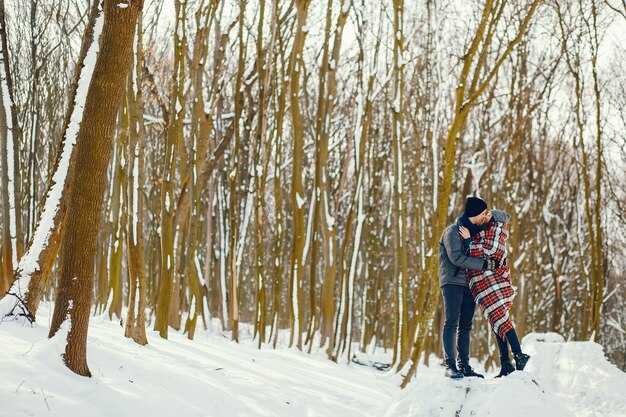
Plan your winter trip for mid-december and book lodging early near Jackson Hole to catch fresh snow and calmer trails. As a visitor, you might target a 3–5 day stay and lock in lodging with a warm lobby and a reliable menu for dinners. Lodging availability tends to thin after the holidays, and prices can rise on weekends. If you could choose a base with easy access to cross-country routes, you’ll save time and energy for days on snow.
Snow cascades from rugged ranges, turning the Grand Teton’s jagged profiles into a cascade of white sculptures. Although winter can be cold, sunlight on clear days can stretch across the ranges for hours, making cross-country trails glow with frost and pine scent. The quiet can feel surreal, although the wind might bite your cheeks at midday. Solitude invites slower pace.
Wildlife remains active in winter; elk, moose, and coyotes linger in sheltered coves and meadows. Dawn and dusk hours offer the best opportunities, and a single sighting can energize your trip. Always stay at least 100 meters away from wildlife and listen for ranger guidance; the silence in snow is thick, but animals can be startled by noise.
Quiet trails invite snowshoeing and cross-country skiing; in mid-winter, several trail systems are available, with groomed loops for all levels. Some park roads are closed to private vehicles, but guided snow-coach and shuttle services provide access to trailheads and viewpoints. If you want a simple plan, a half-day cross-country session can be followed by a warm drink and a stroll along a frozen lake, just enough to feel immersed without overdoing it.
Lodging options range from cozy lodges to small inns; prices for a midweek winter night often fall between $150 and $300, with weekends higher. The park’s lodging spots usually publish a seasonal menu with hearty meals–think bison chili or trout with potatoes. Availability depends on the month; months like January and February can offer the best bargains, but midweek stays are often easiest to book. If you heard that winter in the Tetons is all crowds, that’s not the case for a single, well-planned visit–quiet days are common and you can tailor a shorter trip to fit your schedule.
Pack warm layers and a windproof shell, because conditions can shift within hours. Most days provide a warm period around midday; bring sunglasses for glare on snow and pack extra batteries for cameras in the cold. Check current road status and park updates before you go, especially mid-December when some routes may close to vehicles. For a self-contained experience, combine scenic overlooks with short, natural strolls along frozen lakes to savor the season without overstretching days.
Winter Visits to Grand Teton National Park: A Practical Guide
Book ranger-led winter trips to Grand Teton for up-to-date trail status, avalanche forecasts, and practical safety tips. Sign boards at trailheads change with storms, so verify closures on arrival. Reserve lodging early in Wyoming, since popular options fill quickly during the cold season. Bring snacks and water for day trips, and keep extra in your vehicle if parking allows.
Using a layered system helps you adapt to shifting temperatures. Start with a moisture-wicking base, add an insulating layer, and top with a windproof shell. Pack a compact emergency blanket, spare gloves, and a headlamp in case you’re caught out after dark. For longer routes, carry a thermos with hot water or tea to stay alert and energized.
Plan around daylight hours: typical winter days offer only a few hours of solid light, and highs and lows can swing quickly. Times vary by month, so consider a shorter loop if you’re new to snow conditions, or join a guided option to make the most of the trails.
Trails feel more serene with fewer crowds, but popular viewpoints still draw people. Choose sunrise or late afternoon windows to see the mountains glow and spot wildlife along the rims; you’ll often have visible views across the inner valley.
Wildlife can be active in winter, but keep a generous distance and never approach. If you see bison, elk, or moose, let them move through their yards and avoid blocking their path. Stay on established routes to protect habitats and reduce avalanche risk in deeper snow.
Road access varies; some park roads close to wheeled traffic in winter. If you plan to drive, verify current conditions, signage, and any snowplow closures–otherwise use guided shuttles or snow coaches. Expect reduced services in lodging areas, and carry cash or credit for inside-park needs where accepted.
Emergency readiness matters: carry a first-aid kit, a charged phone, and a portable charger. If conditions worsen, stay put and call park rangers or return to shelter. Remember that minimum gear for backcountry trips includes beacon, shovel, and probe when venturing beyond groomed paths.
For lodging plans, coordinate with meals and snacks; some visitors opt for a hot meal at the lodge after a day on the snow. Always check weather, delta winds, and inner valley conditions to tailor your course for the next day. If you’re curious about secret viewpoints, ask a ranger Francisco for their best safe overlooks–always respect wildlife and park rules.
Winter Gear Checklist for Grand Teton: Layers, Boots, and Safety
Begin with a three-layer system: a moisture-wicking base, an insulating mid-layer, and a waterproof outer shell. This minimum setup keeps you warm and dry in any place around Grand Teton, where granite peaks rise and the winter ecology shifts quickly. Each layer plays a role: the base wicks moisture, the mid-layer adds warmth, and the shell protects against wind and snow. If conditions were harsher, you adjust by adding an extra inner layer and keeping movement steady as the sun climbs over the נוֹף.
Boots and traction matter as much as insulation. Choose insulated, waterproof boots with a sturdy lug sole; bring two pairs of socks (one liner, one thick wool) and swap as needed. Add gaiters for snow depth and snowshoeing terrain, and carry microspikes or crampons if you venture beyond maintained roads. Make sure your boots fit over thick socks and that you can lace tight for downhill control, because a stumble on icy דרכים can ruin a day trip. Practice snowshoeing skills on easy trails before your long ride.
Pack safety gear that operates reliably in winter light. Headlamp with extra batteries, a map and compass, a charged phone with offline maps, and a compact emergency blanket or bivy. Include a small first-aid kit and a fire starter; these items create options if weather shifts or you must shelter for a period. For winter travel, the Jackson Hole tram and other park services operate on limited schedules; you must also verify avalanche forecasts if venturing beyond roads, check available shelter options at visitor centers, and heated rooms if available, and be prepared to shorten your plan if conditions worsen.
Respect the ecology and stay connected with others on your trip. Stay on designated trails to protect inner soils and fragile flora, and watch for wildlife; give animals space and back away slowly if you encounter elk, moose, or bison. Winter driving on דרכים requires extra caution; check road status, carry traction devices, and plan contingencies for the shorter ימים and potential whiteouts. If you’re camping, ensure permits are secured and pack a lighter load to make each day easier and safer; otherwise a day trip from a nearby base is the better option.
Plan with care and set realistic expectations. For a major mountain area, have a fallback route and an escape plan; a little planning creates confidence and reduces risk. Expect the day to start cold, and expect wind shifts; you must adjust routes when you see fresh snow on stark granite faces. The south-facing slopes often thaw first, offering easier daylight progress, while the north sides can stay icy; use this to pace your trip and protect your gear, since the טיול is as important as the destination.
Travelers from francisco often combine a winter Grand Teton visit with a short trip to Jackson or a stay in nearby rooms, then ride the tram or drive along the סוף. roads to scenic overlooks. They learn to create a simple packing list that covers the inner layers, hydration, and safety gear–which makes every major hike in chilly granite country more manageable and enjoyable for others.
Winter Wildlife Viewing: Where to Spot Animals and How to Observe Safely
Begin your winter wildlife outing with a ranger-led workshop and then head to Oxbow Bend at first light to watch moose against snow-dusted peaks. Pack a thermos, a camera with telephoto lens, and binoculars for daytime viewing.
Moose linger along Willow Flats on the Moose-Wilson Road and near the Jackson Lake area; elk gather in sheltered meadows around Antelope Flats and along the Snake River corridor; bighorn sheep cling to crags above the valley; wolves, coyotes, and foxes move through packed snow along road edges, while eagles perch along open shorelines. Watch for fresh tracks or disturbed snow as signs of animal movement.
Observe safely by keeping a respectful distance, using binoculars or a long telephoto lens, and staying on designated pullouts, trails, or viewing platforms. Never feed wildlife or attempt to approach; back away slowly if an animal approaches, and follow ranger directions. For a deeper experience, join a workshop or guided walk offered by park staff or on-site partners. Guides knew from years of field notes that mornings and late afternoons offer the best activity in winter.
Dress in layers, carry hand warmers, traction devices, and a small first-aid kit. Winter daylight is shorter, so plan daytime outings when visibility is good and allow for sudden weather changes. If you plan to camp, use a four-season tent and follow Leave No Trace principles; winter backpacking demands months of preparation and careful route choice, with sites beneath the snow and potential avalanche considerations. You can also rent gear for snowshoes, microspikes, and winter clothing at nearby lodging properties or rental shops.
There are lodging options inside and near the park, making on-site stays convenient for travelers. Some properties offer a café on site, while others provide quick-service cafés in the area; check signs for current road status and closures. If you want to combine wildlife viewing with other winter activities, nearby ski lifts offer a quick escape to high viewpoints. Consider a single lift ride to gain a different perspective, or ask staff about accessible secret viewpoints that reveal huge panoramas of peaks and the valley below. If fishing adds to your plans, winter trips with local guides can center around frozen lakes with safe access and quiet scenery, complementing days spent watching moose and elk beneath the mountains.
Quiet Snow Trails: Best Snowshoeing and Cross-Country Routes
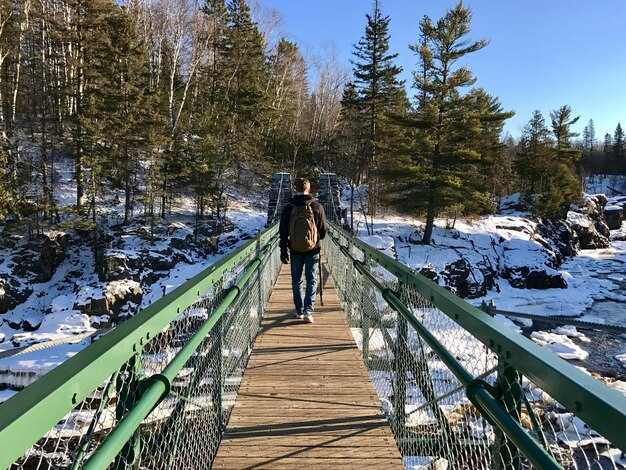
Start with Taggart Lake Trail for a quiet, scenic snowshoe or cross-country loop that stays peaceful well into mid-december and beyond.
- Taggart Lake Trail – about 3.5 miles round trip
A gentle climb through spruce and pine leads to a frozen lake with cathedral-range backdrops. The route stays mostly packed snow in typical winters, so traction devices help on slick sections. Park at the Taggart Lake Trailhead; allow 2–3 hours. Best dates: mid-December through March. Wildlife sightings–elk or foxes–feel intimate, not crowded, perfect for travelers seeking beauty in solitude. - String Lake Loop to Leigh Lake – 5–6 miles round trip
חציה מישורית ברובה עד גבעית סביב אגם סטרינג, עם שלוחה אופציונלית לכיוון אגם לי אם התנאים יאפשרו זאת. צפו לסחופות מפוסלות רוח וערוצי קרח מזדמנים, היוצרים מרקם דמוי דלתא בשלג. מסלול זה מאזן בין שקט לתמורה נופית, במיוחד בימי חול בבוקר. מומלץ מדצמבר עד מרץ; 3–4 שעות. מצוין לשילוב של נעלי שלג וסקי שטח, עם סיכויים לזהות עקבות שחייה מזדמנות בקרח החוף. - מכרי דשא תורמוסים לאגם הפתעה – כ-7–9.5 ק"מ הלוך ושוב
התחילו ליד מורן ג'נקשן וטפסו לחורשת אורנים מוגנת לכיוון אגן אחו ונוף חורפי פנורמי. השלג בדרך כלל דחוס היטב, אבל רוח חזקה יכולה לערום אבקה לאורך צלעות חשופות. תכננו 3.5–5 שעות; הכי טוב באמצע דצמבר עד מרץ. חלקים שקטים יכולים להרגיש כמעט טקסיים כשאתם עוצרים לפסלי נטיפים והשתקפויות על פני השטח הזכוכיתיים שמתחת. גורים של עקבות חיות בר מופיעים מדי פעם, ומזכירים לכם לנוע בעדינות. - מדף קניון המוות – 10–13 ק"מ הלוך ושוב
אפשרות מאתגרת לגולשים מנוסים ולחובבי הליכה בנעלי שלג. עליות גובה וקטעי רכס חשופים מחייבים ניווט זהיר ומודעות למפולות שלגים. השתמשו במשדר, גישושית ויעה אם אתם יוצאים אל מעבר לאוכף. צפו לאבקה עמוקה יותר לאחר סופות; אור יום דועך במהירות, אז התחילו מוקדם. החלון הטוב ביותר: דצמבר עד מרץ; 4–6 שעות, תלוי בתנאים. מסלול זה מספק נופים מרהיבים של העמק ותחושה של דממה מרוחקת שמעט מקומות משתווים לה. - גרניט קניון לולאה – 5.6–7.2 ק"מ הלוך ושוב
גישה שקטה משביל גרניט קניון אל תוך קערות שטופות שמש וכיסי יער. השלג נשאר יחסית אחיד כאן, עם פחות קהל מאשר לאורך מסדרונות הנהר. המסלול הוא בדרך כלל שלג דחוס, אבל נוצרים קרום אחרי ימים שמשיים. ינואר-מרץ מציעים את התנאים הטובים ביותר; 2–3 שעות. אפשרות אמינה כאשר חלקים אחרים של הפארק מרגישים צפופים.
שלוש אסטרטגיות מרכזיות עוזרות לכם להישאר בנוח ובטוחים: קחו את הזמן, תכננו את היום סביב אמצע דצמבר עד סוף מרץ, ושמרו על פרופיל נמוך באזורי חיות הבר. לשינוי ויזואלי, חפשו כיסים שבהם הרוח חצבה רכסים עדינים דמויי פסלים בשלג, ומקומות בהם אורן בודד או צפצפה ניצבים כמו זקיף שקט.
הערות תכנון מעשיות לנוסעים ממקומות רחוקים יותר, כולל שיקגו: תכננו לטוס לג'קסון הול ולשכור ציוד בחנות מקומית ליד הכפר; רוב החנויות מציעות נעלי שלג, מיקרו-ספייקס ומגלשי סקי קרוס קאנטרי. בדקו תאריכים ותנאים במרכז המבקרים עם ה-istИсточник; שירות הפארקים הלאומיים מפרסם את תנאי השלג העדכניים ומצב הכבישים. התחלות מוקדמות משתלמות - תנצחו את ההמונים ותיהנו מצללים ארוכים יותר על ההר. שבילים ארוזים מחזיקים מעמד זמן רב יותר לאחר ירידת שלג קלה, אבל תמיד בדקו את השלג בראש גבעה לפני שאתם מתחייבים לקו ארוך יותר. בדידות גדולה יותר נוטה להופיע בנקודות הגישה הפחות מוכרות מצומת מורן, במיוחד במהלך אמצע דצמבר וינואר, כאשר צוות הפארק לעתים קרובות תולה שלטים שקטים למשתמשי השטח.
הערת בטיחות: יש לשאת ציוד מפני מפולות שלגים אם פונים למדף קניון המוות (Death Canyon Shelf) או למסדרונות אחרים באזורי הספר, ולשים לב לסימני פעילות של חיות בר, כולל עקבות שעשויים לרמז על נוכחות זאבים או שונרים בקרבת מקום. הקפידו תמיד להתלבש בשכבות, להישאר מיובשים ולכבד אזורים סגורים כדי להגן על סביבת החורף העדינה ועל היופי השקט והמיוחד שהופך את השבילים האלה לראויים לביקור חוזר בכל עונה.מקור: שירות הפארקים הלאומיים
טיפוס מצוקים בחורף: מסלולים, ציוד וטיפים לאימונים בתנאי קור
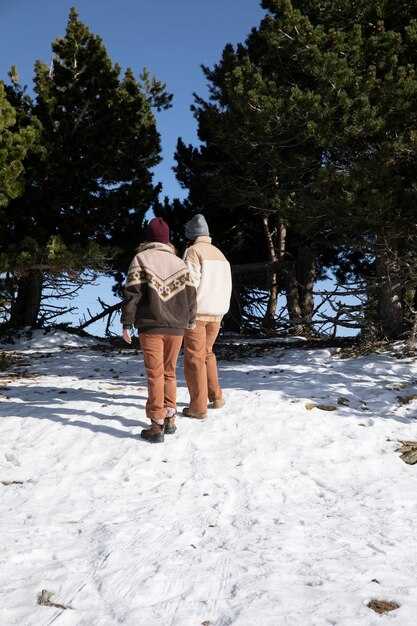
התחל עם תוכנית קונקרטית: בחר אזור דרומי מוגן אחד ליד הפארק, שמור על חלון זמן של 4–6 שעות, והתחל לפני הזריחה כדי לנצח רוחות קרות. שם, תתקדם ביעילות על ידי ארגון היום לשני חלקים: גישה וטיפוס, ואז נסיגה חזרה אם האור או מזג האוויר משתנים.
בחרו מסלולים שמחזיקים קרח מוצק או מאפייני גרניט מעוצבים היטב בצל של הבוקר, היכן שיש פחות סלע מרוכך שמש. חפשו בלוקים גדולים וצורות ברורות באבן, מכיוון שאלה מציעים מיקומים צפויים בתנאים קרים. אם אתם רואים פרחי בר או אינדיקטורים אחרים לקיץ, זכרו שבחורף שם יהיה שקט; התמקדו בליטוש קרח, מרקם סלע והזדמנויות עגינה. שלג באוקטובר עדיין יכול להיות לא אחיד, אז העריכו את השטח והחליטו אם מסלול מעגלי נשאר בתוך הגבולות שלכם או שעליכם להתרחק מרכסים חשופים.
מוכנות הציוד שולטת בבטיחות במזג אוויר קר. ארזו שכבות בידוד קלות משקל, מעיל רוח ובגדים עמידים למים, בתוספת כפפות מבודדות לאבטחה. ארזו חטיפים ובקבוק מים עם תרמוסטט או שרוול מבודד כדי למנוע מנוזלים לקפוא. לטיפוס, הביאו קרמפונים, שני גרזני קרח, קסדה, חבל דינמי, לפחות ארבעה שאקלים ננעלים ומספר רצועות או קורדלטים. שימוש בערכת עזרה ראשונה אישית קטנה ומערכת טבעות מהירות משפר את היעילות כאשר הטמפרטורות יורדות נמוך מאוד.
אימונים צריכים לשלב סיבולת עם טכניקה. תעדוף כוח אצבעות, חיזוק אמות ויצירת חיכוך אחיזה על בליטות קטנות. פתחו תוכנית להתאמן בפנים באוקטובר או בתחילת נובמבר, ואז לעבור לאימון בחוץ בריצות יבשות עם קרח קל. תרגלו תרגילי עצירה עצמית, ניהול חבל בירידות עם לולאות ומעברים יעילים מקרמפונים לנעלי סלע בשטח מעורב. התרגילים האלה בונים ביטחון לקראת טיולים ארוכים וקרים ועוזרים לכם לנוע בצורה חלקה בקטעים הקשים ביותר.
ניהול סיכונים מחייב תוכנית נסיגה ברורה. בדוק חלונות מזג אוויר לתזמון, ואף פעם אל תתקדם בפסגות חדות וחשופות בזמן סערות. אם התנאים יחמירו, נסוג לאזור הגישה העיקרי או עם הסימן הראשון של סחף שלגים. כשאתה חוזר מטיפוס, תעד מה עבד ומה לא, ואז התאם את התיק שלך, בחירת המסלול והקצב לנסיעה הבאה. גישה ממושמעת זו שומרת עליך לנוע בבטחה במשך שעות של חשיפה ועוזרת לך להישאר עם מוטיבציה לעלייה הגדולה הבאה.
| סוג מסלול | Difficulty | תנאים אופייניים | ציוד מומלץ | Estimated Time |
|---|---|---|---|---|
| קו קרח | Moderate | בקרים קרים ומוצלים; קרח מלוטש קיים | קרמפונים, גרזני קרח (2), קסדה, חבל, רצועות, ברגי קרח | 2–4 שעות |
| פינת גרניט מעורבת | קָשֶׁה | אוויר סוער ופריך; סלע מוצק עם כיסי קרח | מיקרו-קאמים, אגוזים, רצועות, חבל, קסדה, קרמפונים | 3–5 hours |
| מעבר שלג | קל–בינוני | ראות טובה; שלג דחוס; קרח מדי פעם | גרזן קרח, קרמפונים, חבל, רצועות, אמצעי אבטוח | 1.5–3 שעות |
מזג אוויר, גישה ותקנות הפארק: תכנון לסגירות וימים קצרים יותר
בדוק היום את מצב הכבישים בפארק ובנה את הטיול שלך סביב פעולות החורף. גרנד טיטון פועל עם כללי גישה עונתית, והאפשרויות בחזית השטח הן ההימור הטוב ביותר שלך כאשר מסלולים אחוריים נסגרים לאחר סערות; תכנן להגיע מוקדם והיה מוכן לעבור במקום להסתכן במסלול מאולץ. גישה זו הייתה טובה יותר לשמירה על לוח הזמנים, ועדיין תראה נופים מרהיבים בפחות סיכון.
סופות דצמבר מביאות שלג כבד, רוחות חזקות ומפחיתות את אור היום, אז ארזו שכבות ותכננו טיולים קצרים יותר. מפולות שלגים עלולות להשפיע על רכסים ומדרונות תלולים; הימנעו ממדרונות חשופים ושמרו על מרחק בטוח מעקבות בעלי חיים. אם אתם יוצאים לשטח, קחו משדר, את חפירה ומוט, ובדקו את תחזית מפולת השלגים לפני כל טיול, תוך הקפדה על לוח הזמנים שלכם. חמישה גורמים שכדאי לקחת בחשבון הם מזג האוויר, הגישה, אור היום, חיות הבר ומצב הכבישים היום.
נהיגה עלולה להימשך זמן רב מהצפוי כאשר שלג חדש מצטבר על הכבישים. הרכבל האווירי של ג'קסון הול (הרכבל) פועל כאשר הראות מאפשרת, ומדריך מומחה בשם דורננס מוביל טיולים מודרכים למצטרפים חדשים. אם אתם מעדיפים להישאר קרוב יותר לחניה, השתמשו בכרטיסים לשבילים הקדמיים ובדקו סגירות עכשוויות לפני ההגעה.
תקנות החורף שמות דגש על בטיחות והגנה על משאבים. טיולי שטח מצריכים אישורים מתאימים וידע על מפגעים; כלבים מוגבלים ברוב השבילים והשימוש בחניוני קמפינג מציית להודעות המפורסמות. לא כל האפשרויות פתוחות בחורף; קראו על סגירות ואזהרות. ייתכנו דרישות מינימום לשהייה באתרים מסוימים, ויש להתייחס לפרסומות משותפים כאינפורמטיביות בלבד. חלק זה של חוויית החורף תלוי בפקחים ובמזג האוויר, והפקחים ידעו שסגירות עלולות לקרות לאחר סופות. כמו כן, תכננו לסגירות פוטנציאליות הקשורות למפולות שלגים והכינו תוכנית גיבוי.
כדי למקסם את החוויה שלכם, תכננו ימים קצרים יותר על ידי התחלה מוקדמת והבאת פנס ראש. ארזו ערכה קומפקטית ועמידה בפני מזג אוויר ותיק יום ארוז עם פריטים חיוניים; הגעה בדצמבר פירושה פחות אור יום ויותר זמן לאפשרויות פנימיות אם יש צורך. יש סיכוי לסגירות לאחר סופות, אז בנו מסלול גמיש עם שילוב של טיולים קלים יותר בחזית הארץ וטיולים קצרים יותר; אם כביש נסגר, עברו לשביל סמוך או השתמשו במסלול בעזרת חשמלית ושמרו את השאר לטיול אחר היום.