


 日本語
日本語  English (UK)
  Русский
  বাংলা
বাংলা  العربية
  한국어
한국어  Magyar
  Norsk nynorsk
  Türkçe
  עִבְרִית
  Español
  Čeština
  Svenska
  Português
  Ελληνικά
  Suomi
Suomi  Nederlands
  Română
  Italiano
  Français
  Polski
  Українська
  Deutsch
  简体中文
简体中文  Slovenčina
  Српски језик
  اردو
اردو  Azərbaycan dili
  O‘zbekcha
  አማርኛ
አማርኛ 
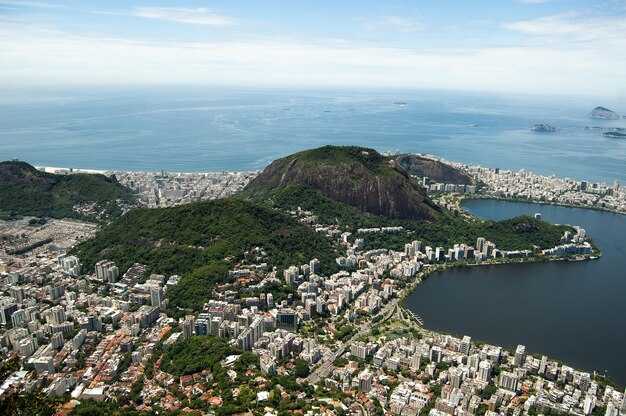
まずはサルバドール・ダ・バイーアへ。ブラジルのリズム、歴史、そして風味に浸りましょう。ペロリーニョでは、石畳の道に太鼓の音、カポエイラのパフォーマンス、そして植民地時代の壁画が響き渡ります。屋台でアカラジェやモケッカを味わい、地元の人々が観光客と談笑する市場を散策しましょう。歴史的中心部への入り口はコンパクトながら、教会、美術館、そして鮮やかに彩られた家々が丘を登り、徒歩での探検を誘います。この最初の目的地は、音楽、料理、そして海岸の魅力が融合した旅に活気あるトーンを与えてくれます。.
そこから、, フロリアノポリス 自信に満ちたビーチ、トレイル、そしてシーフードが調和した島での生活を提供します。 白砂 南北の海岸沿いの地域は、サーファーや日光浴客を魅了しています。. プライア・モーレ は、柔らかい砂と水辺の景色が際立っており、 ジョアキーナ海岸 そして カンペチェ 崖っぷちの散歩道、凧揚げ、そして賑やかな shops 港の近く。グループで旅行するなら、日中の海岸沿いのサイクリングで、隠れた入り江や、ゆっくりとした、, sweet 水辺の夕焼け.
次に、アマゾン地域は〜を中心としています。 マナウス, 、熱帯雨林への入り口。街からのボートトリップでは、〇〇の合流地点が見られます。 リオネグロ そして アマゾナス 川、頭上には緑豊かな天蓋が広がり、川の生物のリズムが感じられます。色鮮やかな鳥から好奇心旺盛なカピバラまで、野生動物も豊富で、見かけるかもしれません。 アリクイ ガイド付き экскурсии で川岸に沿って進みます。水上での数日後には、アマゾン歌劇場やリバーマーケットが文化的な拠り所となり、次へと進むことができます。.
森の東、, レンソイス・マラニャンセス 国立公園は、柔らかい砂丘がターコイズブルーのラグーンへと流れ込む、非現実的な風景を提供します。バレイリーニャスは砂丘地帯への主要な入り口であり、4×4ツアーでは風で彫刻された尾根を越え、プレギサス川沿いのパノラマの景色を眺めることができます。ラグーンは雨後に形成されるため、早朝の光と砂丘での夕焼けの両方を含むリズムを計画しましょう。白い砂丘、青いラグーン、赤い粘土の道が織りなすコントラストは、この地域を別世界のように感じさせます。.
結論として ジェリコアコアラ, セアラー州のジェルコアコアラは、まだ人里離れた場所でありながら、充実した旅程を提供してくれる村です。フォルタレザから砂道を4×4で進み、村に到着したら、ハイキングで 灯台 湾を見下ろすドラマチックな展望台がある。街の通りには居心地の良い shops カフェや、そしてビーチでは、風に乗ってカイトサーフィンを楽しむ人々を眺めながら、柔らかい砂の上を長く散歩したくなるでしょう。近郊のプレアやタタジュバには、温かい水と美しい砂丘が広がるラグーンがあり、次のブラジルでの目的地へ向かう前に、穏やかな休息を取るのに最適です。.
リオデジャネイロだけじゃない!ブラジルで行くべき5つの観光地と10の穴場ガイド
飛行機でサルバドールへ飛び、ペロウリーニョに4日間滞在して、ブラジルの街の色、音楽、リズムに浸りましょう。.
サルバドールでは、歴史地区にある家族経営のポサーダを選び、北部の通りを散策して地元の人々の暮らしを味わい、夕暮れ時には湾の景色を眺めながらモケッカを試してみてください。.
フォス・ド・イグアスからは、ブラジル側からの最高の滝体験ができます。公園近くの中級ファミリーホテルを拠点にして、ブラジルとアルゼンチンの両方の景色を眺めるガイド付き周遊ツアーを予約しましょう。滝の下をボートで進むと、爽快なスリルが味わえます。.
レンソイス・マラニャンセス国立公園は、砂丘の風景とターコイズブルーのラグーンが広がります。現地のガイドと一緒に砂丘にたどり着き、いくつかのラグーンや景色の良い展望台を楽しむために、長めの滞在を計画しましょう。夜明けと夕暮れの光は最もドラマチックな色彩をもたらし、ガードレールがない展望台からは、砂の景色を忘れられないものにします。.
ブラジル北海岸のジェリコアコアラは、心地よく隔離された場所にあります。四輪駆動車でのアクセスが町を静かに保ち、周囲の砂丘は長時間のハイキングを誘い、台地からは夕日の絶景を望めます。シンプルな家族経営の宿に滞在すれば、風、海、そして夜空に満ちた日々に、心地よいバランスが加わるでしょう。.
サンタ・カタリーナ島のフロリアノポリスは、ビーチでのリラックスと市内での食事へのアクセスの良さが魅力です。2つの異なるビーチエリアを選び、新鮮なシーフードを味わい、日帰りツアーを利用して崖の上の展望台や穏やかな入り江を探索しましょう。家族経営の魅力的なゲストハウスがいくつかあり、ゆったりとしたフレンドリーな雰囲気を保っています。.
1) ボニート、マットグロッソ・ド・スル州:透き通った川、洞窟、リオ・ダ・プラタのような水路でのガイド付きシュノーケリング;3~4日の旅程を計画し、現地の家族経営のロッジに滞在して、ガイドとの没入型で実践的な体験を。.
2) フェルナンド・デ・ノローニャ(ペルナンブコ州):保護された環境にある手つかずのサンゴ礁と野生生物。事前に予約し、家族経営の小さなポザーダに滞在し、ボートまたは徒歩で複数の入り江や展望台を探索するために、少なくとも4〜5日の計画を立ててください。.
3) パンタナル (マットグロッソ・ド・スル州またはマットグロッソ州): ボートや車両での野生動物サファリに適した広大な湿地帯。動物との遭遇を最大限にするには長期滞在を選び、地元のガイドと連携し、動物が最も活発な早朝の遠出を楽しみましょう。.
4) シャパダ・ジアマンチーナ、バイーア州:峡谷、滝、古代の洞窟。拠点としてはレンソイスまたは近隣の村を選び、長めのハイキングには地元のガイドを雇い、活発な探検の後の Restful な夜を満喫してください。.
5) ポルト・デ・ガリーニャス(ペルナンブーコ州):干潮時に現れる天然プール、シュノーケリングに最適なサンゴ礁、活気ある村の風景が魅力。ブティックホテルや家族経営の宿を選んで、近隣のビーチやラグーンへの日帰り旅行を気軽に楽しめます。.
6) ペルナンブーコ州、レシフェ&オリンダ:色彩豊かな歴史的な街並み、市場、文化的な場所。オリンダの急な路地を散策する一日と、レシフェの美術館やレストランでの食事を組み合わせれば、コンパクトな文化体験ができます。.
7) ナタール & ピパ、リオグランデ・ド・ノルテ州:ジェニパブでの砂丘ライド、ピパでの崖と夕日の眺め、そして穏やかな入り江での遊泳。海岸近くのシンプルな地元のゲストハウスを拠点に、バランスの取れたペースで。.
8) マナウスとアマゾン:専門家が案内するリバークルーズと熱帯雨林のロッジ;4~5日間かけて、浸水した森林を横断し、地元のコミュニティと交流し、樹冠タワーやボートデッキから野生動物を観察しましょう。.
9) アハイアル・ド・カボ、リオデジャネイロ州:ターコイズブルーの入り江と透明度の高い水でのシュノーケリングが楽しめ、近隣の主要都市からのアクセスも容易。こぢんまりとした家族経営のポウサダに滞在し、日帰り旅行で近隣のビーチを巡り、ゆったりとした旅程を楽しみましょう。.
10) ボンビーニャス、サンタカタリーナ州:保護されたビーチと豊富な海洋生物。いくつかの湾に簡単にアクセスできる小さな宿を選び、静かな環境で長期滞在のために、人里離れた入り江を結ぶ海岸沿いの小道を楽しみましょう。.
イグアスの滝:ブラジル側の展望台と人気のボートツアー
最高のパノラマと最高のボートツアーを楽しむにはブラジル側からの日帰りツアーを予約し、事前の予約で、展望台トレイルと間近なリバーライドを組み合わせた7時間の旅程を計画しましょう。. ブラジル側は、滝のほとんどを単一の広大なフレームに集中させており、石畳の道が、開けた展望台や日陰の展望台へとあなたを導きます。.
From the north-facing decks you capture photogenic frames of verde forests and cascading falls. Past visitors noted that the Brazil side reveals the falls at their most dramatic from these angles. The spray creates a mountain-like curtain that heightens the drama, while the Morro trails add height without requiring a strenuous climb. A clear sightline to the Garganta do Diabo at the edge shows the power of nature in a compact, unforgettable moment.
Top boat tours, such as Macuco Safari, slip under the curtain and push spray toward the front of the boat. This under-the-edges experience is best scheduled after a morning of walking the cobblestone paths. Check tickets and get your slot booked early, especially in february when crowds increase and weather can shift quickly. These moments stay with them long after.
The falls form part of a unesco-listed landscape, with hours that shift seasonally. Prices and tickets vary, but you can expect park entry around 60–90 BRL for adults and boat rides around 120–180 BRL. If you want a seamless day, book a combo that includes both park entry and the boat tour. Afterward, toast the view with a glass of wine at a riverside café or watch the sunset over the verde riverbanks as you reflect on the day.
For lodging, stay in Foz do Iguaçu or nearby verde-tinged accommodations; a short drive from town brings you to the falls in under an hour. February often brings heat and humidity, so pack light layers and rain gear. If you’re combining with a visit to janeiro, consider a separate flight to avoid a long drive, then plan a 2–3 day stay to explore the rios and taste a doce pastry at a local bakery. With a booked plan, you’ll have clear reasons to return and relive the amazing views again.
Salvador da Bahia: Pelourinho itinerary, where to stay, and day trips
Choose a boutique pousada in Pelourinho’s upper town for a sweet stay that puts you within steps of color-splashed squares and a sparkling harbor. Salvador actually was the first state capital of Brazil, and the importance of Pelourinho’s history is visible in every cobbled street. During your visit, pick an insider walking tour for insight into Afro-Brazilian culture and the negro heritage that shaped music, dance, and ritual in this bahia district.
Pelourinho itinerary begins at Praça Tomé de Sousa, then Largo do Pelourinho, then Igreja de São Francisco and its gold leaf, followed by Terreiro de Jesus. From there, descend to Mercado Modelo for crafts and a taste of bahia life. The area’s vivid, color-splashed houses create a wonder in hundreds of angles; this UNESCO-listed masterpiece shows how colonial design can still feel alive. A ride on the Lacerda Elevator delivers the first glimpse of the sparkling bay and coastal views. For sunset, seek a secluded rooftop for live music, and let the rhythms make you fall in love with the city. The route highlights what to see, including the negro influence on music and ritual practice, which adds insight into countrys history.
Where to stay: In Pelourinho, choose a boutique pousada with carved wood and sweet tilework, or a guesthouse near Baixa for easy transit to day trips. Prices typically range from 250-450 BRL per night in the off-season, rising toward 800-1200 BRL during february carnival week. A million tiny details–tile mosaics, ironwork, and courtyards–make each room feel like a living museum. For quieter nights, pick a secluded option with a small garden and a view of the bay. Included in many packages: breakfast, coffee, and late-afternoon snacks; some places offer guided laundry or other thoughtful touches.
Day trips: Itaparica Island is a coastal escape, reachable by a 60-minute ferry from Salvador, with calm beaches and simple seafood shacks. Praia do Forte, about 1.5-2 hours by road, offers the Tamar Project, mangrove trails, and regional cuisine. Morro de São Paulo is a longer ferry ride (2.5-3 hours) or a speedboat option for island-hopping and powdery beaches. Because each option provides a different pace, you can pick what suits your mood: quiet coves, wildlife encounters, or a longer coastal itinerary. A must-do coastal experience is a sunset boat trip along bahia’s shoreline.
| 目的地 | From Salvador (approx.) | ハイライト | 最適 |
|---|---|---|---|
| イタパリカ島 | 60 min ferry from the port | calm beaches, secluded coves, simple seafood | easy coastal escape |
| プライア・ド・フォルテ | 1.5–2 hours by road | Tamar Project, mangroves, reef snorkeling | wildlife and coastal scenery |
| モロ・ヂ・サンパウロ | 2.5–3 hours by ferry or speedboat | island vibe, long beaches, snorkeling | island-hopping day |
| Costa do Dendê area | scenic coastal drive east of Salvador | remote beaches, surf towns, dramatic coastline | scenic coastal loop |
Amazon Rainforest (Manaus): river cruise versus jungle lodge options
Plan a jungle lodge stay for a quiet, immersive Amazon experience; youll gain intimate wildlife encounters and hands-on forest knowledge that a fast-paced river cruise cant deliver, for both pace and depth. dont expect this to be a one-size-fits-all itinerary.
River cruises in Manaus deliver a moving line of viewpoints with guided excursions and detailed briefings from naturalists; you see many habitats from a comfortable deck, and youll wake to bird calls and flooded forest scenes when the river runs high in february, leaving your mind full of vivid impressions.
Jungle lodges, especially family-owned properties, offer a more intimate schedule with private guided trails and a stairway canopy walk that puts you above the treetops for a quiet, vivid view of the canopy. These stays plan detailed activities and can tailor experiences to families or international travelers, and they are named after local communities or guiding teams.
During february, the Amazon basin sees heavier rain, river levels rise, and flooded forests make canoe trips easy; a week here lets you balance river views with land treks and vivid wildlife encounters.
Plan your international itinerary around Manaus as the gateway; many operators offer integrated packages that include a night in the city with cobblestone streets and the Amazon Theatre. Near the forest edge, you can explore a border where river and jungle meet, and a family-owned operator will tailor a detailed program. Youll come away with memories that stimulate your mind and a vivid picture of a Brazil that sits beyond Rio – selarón in spirit, yet defined by the Amazon’s beauty.
Lençóis Maranhenses National Park: best time to go, access, and packing tips
Go in the dry season, June through September, for the best lagoon displays and easier dune crossings. Crystal lagoons shimmer between white sands, and the dunes resemble carved stone under a bright sky. The light is ideal for photography, that timing helps you capture color, shadows, and reflections. Keep a simple form of ID handy and a spare form for guides, because some operators require a quick check at the start.
Access centers on barreirinhas, the gateway town for the park. From São Luís, the trip to barreirinhas runs about 260–270 km and typically takes 4–6 hours by road; an alternative is a flight to Parnaíba followed by a 3–4 hour drive. From barreirinhas, hire a licensed guide, many english-speaking, and a 4×4 to reach Lagoa Bonita, Lagoa Azul, and Lagoa do Peixe, with camps along the route. Some travelers also extend to the amazons region, or keep going toward olindarecife and the coast. The coastal stretch attracts surfers, and a stop in barreirinhas gives you a chance to sample cashews and local crafts in the market. If time allows, a cultural detour to São Luís–its cathedral, statue, and historic squares–offers a fitting breeze before heading back.
Packing tips: Pack light, breathable clothes, a swimsuit, hat, sunglasses, and a compact backpack. Protect electronics with a waterproof bag; lagoons stay crystal, the sun can be strong, and weather shifts quickly, so a light rain shell helps. In shallow lagoons, water shoes improve grip; bring a towel and a change of clothes. Electricity at camps is intermittent, so carry a power bank and spare batteries. Carry cash; many guides operate cash-only. Cashews travel well as an energy snack for day trips, and a small snack helps when you’re aware that stores are sparse along the dunes.
That experience ranks among the best natural destinations in Brazil. Another option is to pair Lençóis with olindarecife, then continue toward argentina for a broader northeast circuit. This plan can connect countrys in the region, while offering a mix of dunes, cultural stops, and river views–including small falls along the Preguiças route. If you travel with a guide aware that english speakers are common, you’ll move smoothly. In the end, you’ll return to São Luís with time to visit the statue in the city center and stroll the historic squares before you fly home.
Pantanal: wildlife seasons, guided safaris, and transport choices
Book a dry-season wildlife safari (June–September) with a licensed guide to maximize sightings of jaguars, golfinhos, caimans, and thousands of birds along the river edges.
The Pantanal’s rhythm hinges on the flood pulse, creating a mosaic of habitats that sits within a shifting water matrix. In the dry season, water concentrates in the remaining lagoons and river channels, making paths and hides easier to scan from a vehicle or boat. Waterways turn into clear routes for wildlife watching, and the golden light at dawn or dusk enhances photography. Cajueiro trees line many banks, offering shade for resting animals and dramatic silhouettes for outdoor shoots. Swimming is discouraged in most edges due to caiman and predatory fish, so plan land- and boat-based viewing instead.
- Dry season (roughly May–September): the river retreats, wildlife concentrates at few remaining pools, and you’ll find a high density of jaguars, capybaras, and herds of herbivores. Thousands of birds flash across shorelines, and fish schools gather near islands and drift lines, creating lively action at water edges.
- Wet season (December–March): floods blanket vast plains, water levels rise, and river networks expand. You’ll access flooded forests by canoe or shallow-boat trips, spotting new species as networks of water connect different worlds of wildlife.
- Birding and year-round observation: beyond jaguars and golfinhos, raptors, herons, macaws, and hoatzins provide constant sightings; some areas sit closer to mountain silhouettes on distant horizons, offering varied scenery for photographers.
Guided safaris thrive on experts who tailor routes to water levels and the wildlife you want to see. Whats the best approach? A balanced mix of boat safaris, 4×4 drives, and short hikes often yields the richest encounters. Given the season, your itinerary can form a loop that links rivers, lagoons, and private reserves, keeping you within a comfortable pace and maximizing success in every day.
- Boat safaris: fast-moving dolphins, golfinhos in river stretches, and schools of fish attract herons and kingfishers; expect close-up views in calm, shallow waters along the Cuiabá and bordering rivers. Look for reef-like submerged shelves that create feeding hotspots for several species.
- Land and water hybrid safaris: guided 4×4 drives between lodges sit near seasonal shorelines; hiking options let you spot iguanas, capybaras, and elusive hikers along the edge of floodplains.
- Night safaris: spotlighting caiman, ocelots, and small nocturnal mammals adds another layer to the mosaic of life in the reserve.
- Family-friendly formats: operators offer short, intensive trips and longer, immersive safaris; you can combine canoe trips with elevated treetop viewpoints for a broader experience.
Transport choices affect how you experience the Pantanal. The river system drives most scenery, but you’ll still need practical access to lodges and reserves. You’ll typically fly into Cuiabá (Marechal Rondon International) or Porto Jofre and then transfer by road or boat to your base. Internal charters or small aircraft from major hubs can cut travel time when you want to maximize outdoor time. Hotels and eco-lodges range from comfortable rooms to intimate suites, often with private decks overlooking lagoons and river bends. Stores near lodges stock basic supplies and souvenirs, and local links provide schedules and activity options for easier planning. If you’re planning a multi-region itinerary, tiradentes can be part of a broader Brazil trip via short connections; check flight and transfer links to align dates.
To optimize your experience, suggest booking a mix of experiences that sits within a single reserve or lodge network. The drive-friendly routes, the canoe paths, and the riverside vantage points create a cohesive form for your days. A well-planned sequence lets you see the river’s near-shore life, then switch to the flooded forest for a different set of species and behaviors, all while staying in a comfortable hotel or eco-lodge.
お店で賢く選ぶコツ:カジュエイロの木陰がある敷地内ロッジや、湿地の端に遊歩道があるロッジを選びましょう。こうすることで、野生動物を邪魔することなく、彼らに寄り添いながら、ゴールデンアワーの光の中で写真を撮りやすくなります。パンタナールが初めての方は、地元のガイドに、ボート、ドライブ、短いハイキングの時間をバランス良く配分した年間計画を立ててもらいましょう。水泳禁止の安全な場所と、この地域ならではの活気に満ちたアウトドアライフの両方を体験できます。まずは2~4日間の基本 itinerary から始め、川沿いの村、市場、夕日の眺めをもっと楽しみたい場合は、リバー&ロッジのextensionを追加することをお勧めします。.
フェルナンド・デ・ノローニャ:入島許可証、予算のヒント、必見のビーチ
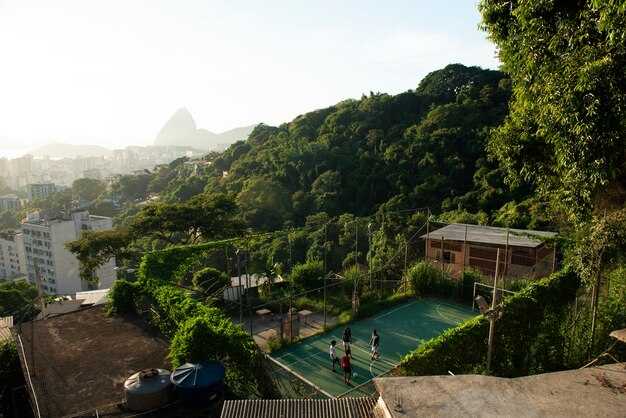
ICMBioの公式サイトで入場許可証とチケットを今すぐ確保してください。特にクリスマスの時期は、定員がすぐに埋まってしまいます。ビーチの背後にそびえるコンパクトな山々は、日の出の写真を撮るのに最高のロケーションとなり、ドラマチックな背景を作り出します。最高の光を得るために、早めに計画を立てましょう。.
- 入場許可証、チケット、および期待されること
フェルナンド・デ・ノローニャ島への入島は許可証と環境税(日額)によって管理されています。事前に確認し、許可証を印刷し、有効な身分証明書、チケットの領収書またはQRコードを忘れずに携帯してください。島の入域地点で、パスポートと共に許可証を提示し、滞在期間が許可証の日付と一致していることを確認します。最も人気のあるエリアでは別途入場チケットが必要となり、売り切れを避けるために事前に予約することをお勧めします。滞在費に含まれるエリアもあれば、別途チケットが必要なエリアもあるため、シュノーケリング、ハイキング、ビーチ巡りなど、何をしたいかによって含まれるものが異なります。.
- フェルナンド・デ・ノローニャを予算内で楽しむための節約術
一日の旅程を計画する際は、バギー一台で複数のビーチを回ると移動時間と費用を節約できます。果物やカシューナッツを調理したり、簡単な食事を作るために、簡易キッチン付きのポザーダを選びましょう。島では淡水が不足しているので、詰め替え可能なボトルを持参し、必要なときだけボトル入りの水を購入してください。朝食付きの宿泊施設を探し、地元の市場で手頃な価格の果物や軽食を買いましょう。クリスマス時期に訪れる場合は、早めに予約して安い料金を確保してください。ピーク時は価格が高騰します。アクティビティについては、ウォーキングルートや、地元のグループやSescが提供するカポエイラのクラスなど、無料または低コストのオプションを検討してください。.
- プールやビーチの間につまむフルーツやカシューナッツを市場で買いましょう。
- 一日のプランを立てて、バギー一台のレンタルでビーチでの時間を最大限に活用しましょう。
- 手軽に安く楽しめる、メイン通りから外れたウォーキングルートを探検しましょう
- 必見のビーチとその楽しみ方
ノローニャで最も有名な場所は、シュノーケリング、サーフィン、景色の美しさで知られるビーチです。プライア・ド・サンチョには早めに到着して混雑を避け、その後、バイーア・ドス・ポルコスまで歩いて崖の景色を眺め、プライア・ダ・コンセイソンでゆったりとした海岸線の休憩を取るのがおすすめです。ドラマチックな岩のプールと穏やかな海がお望みなら、プライア・ド・アタライアとその近くにあるプールへ。波と活気のあるサーフィンシーンがお目当てなら、プライア・ド・カシンバ・ド・パードレは外せません。人里離れた入り江がお望みなら、海岸沿いのあまり知られていないビーチへ冒険し、丸一日のハイキングやバギーでの移動を計画して辿り着きましょう。海岸の崖に沈む夕日を眺めることができる、素敵な景観スポットがあるビーチもあります。.
- プライア・ド・サンチョ:一番人気が高い、階段でアクセス、日の出時が最高
- バイーア・ドス・ポルコス:サンチョから簡単に行ける絶景の展望台と小道
- コンセイソンビーチ:穏やかな海、家族連れに最適、夕日の散歩に最適
- プライア・ド・レオン:砂丘と強い海流が特徴の、長く続く砂浜
- アタライア海岸:天然のプール、展望台;潮の時間を調べて、リーフセーフの日焼け止めを着用してください
- プライア・ド・カシンバ・ド・パードレ:ワールドクラスのサーフィン、ウォータースポーツ愛好家の拠点
文化や時期については、滞在中にSescが主導するプログラムや地元の団体が提供するカポエイラのクラスを探してみてください。クリスマスシーズンに訪れる場合は、活気に満ちた雰囲気と混雑したビーチを予想して、ルートを適切に計画してください。アタライアの潮だまりを探検する前に、必ず潮位表を確認し、メインビーチの裏にある人里離れた場所を発見するために、丸一日のルートを計画してください。.