


 አማርኛ
አማርኛ  English (UK)
  Русский
  বাংলা
বাংলা  العربية
  日本語
日本語  한국어
한국어  Magyar
  Norsk nynorsk
  Türkçe
  עִבְרִית
  Español
  Čeština
  Svenska
  Português
  Ελληνικά
  Suomi
Suomi  Nederlands
  Română
  Italiano
  Français
  Polski
  Українська
  Deutsch
  简体中文
简体中文  Slovenčina
  Српски језик
  اردو
اردو  Azərbaycan dili
  O‘zbekcha
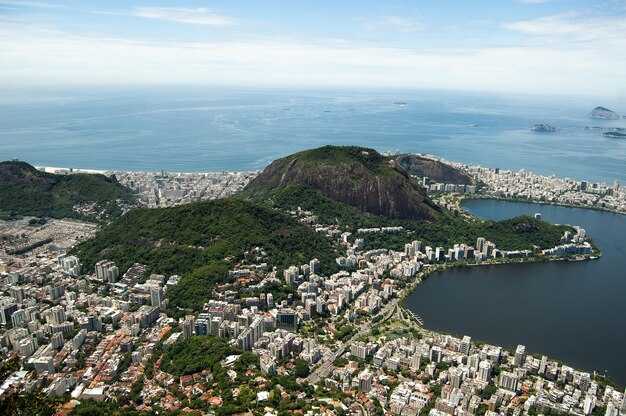
Start with Salvador da Bahia for an immediate immersion into Brazil’s rhythm, history, and flavor. In Pelourinho, cobblestone streets echo with drums, capoeira performances, and colonial murals. To taste acarajé and moqueca from street stalls, then wander markets where locals chat with visitors. The entry to the historic center is compact, yet the group of churches, museums, and brightly painted houses climbs the hillside, inviting you to explore on foot. This first stop sets a lively tone for a trip that blends music, cuisine, and coastal charm.
From there, Florianópolis offers island life with a confident mix of beaches, trails, and seafood. The white-sand shores around the north and south coasts attract surfers and sun-seekers alike. Praia Mole is a standout for soft sand and views over the water, while Praia Joaquina እንዲሁም Campeche add cliffside walks, kite sessions, and lively shops near the harbor. If you travel with a group, a daytime bike ride along the coast leads to hidden coves and a slow, sweet sunset by the water.
Next, the Amazon region centers on Manaus, a gateway to the rainforest. A boat trip from the city reveals the meeting of the Rio Negro እንዲሁም Amazonas rivers, with dense green canopy above and a rhythm of river life. Wildlife is plentiful, from colorful birds to curious capybaras, and you may spot anteaters along riverbanks on a guided excursion. After days on the water, the Amazon Opera House and river markets provide a cultural anchor before you move on.
East of the forest, Lençóis Maranhenses National Park delivers a surreal landscape where soft dunes flow toward turquoise lagoons. Barreirinhas serves as the main entry point to the dune fields, with 4×4 tours that cross the crest of wind-sculpted ridges and offer panoramic river views along the Preguiças. The lagoons form after rains, so plan a rhythm that includes both early-morning light and a sunset session on the dunes. The contrast of white-sand dunes, blue lagoons, and red clay roads makes the region feel otherworldly.
Conclude in Jericoacoara, Ceará, a village that still feels off the beaten path yet delivers a packed itinerary. Reach the town by 4×4 along a sandy road from Fortaleza, then hike to the farol for a dramatic lookout over the bay. The town’s streets host cozy shops and cafés, and the beaches here invite long walks on soft sand as the wind helps kitesurfers. Nearby Prea and Tatajuba offer lagoons with warm water and scenic dunes, perfect for a calm rest before heading to your next Brazilian stop.
Beyond Rio: Practical Guide to 5 Must-Visit Brazilian Destinations and 10 Alternatives
Fly into Salvador by plane and spend four days in Pelourinho to soak in color, music, and the rhythm of Brazilian streets.
In Salvador, choose a family-owned pousada in the historic center, wander the north streets for a taste of local life, and try moqueca with a view over the bay at dusk.
Foz do Iguaçu delivers a premier waterfall experience from the Brazilian side; base yourself in a mid-range, family-run hotel near the park and book a guided circuit to view both the Brazilian and Argentinian perspectives. A boat ride under the cascades adds a refreshing thrill.
Lençóis Maranhenses National Park presents dune landscapes and turquoise lagoons; reach the dunes with a local guide, and plan a longer visit to enjoy several lagoons and scenic overlooks. Dawn and dusk light brings the most dramatic colors, and a guardrail-free overlook offers memorable looks over the sands.
Jericoacoara on Brazil’s north coast stays pleasantly secluded; access by 4×4 keeps the town quiet, while the surrounding dunes invite long hikes and sunset vistas from the plateau. A stay in a simple, family-owned inn adds a cozy balance to days of wind, sea, and night skies.
Florianópolis on Santa Catarina’s island blends beachside relaxation with easy access to city dining; pick two distinct beach zones, sample fresh seafood, and use organized day trips to explore cliff viewpoints and calm coves. A handful of charming, family-run guesthouses keeps the pace relaxed and friendly.
1) Bonito, Mato Grosso do Sul: crystal-clear rivers, caves, and guided snorkeling in channels like Rio da Prata; plan a 3–4 day itinerary and stay at a local, family-owned lodge for immersive, hands-on experiences with guides.
2) Fernando de Noronha, Pernambuco: pristine reefs and wildlife in a protected setting; book in advance, stay in a small, family-run pousada, and plan at least 4–5 days to explore multiple coves and lookout points by boat or on foot.
3) Pantanal (Mato Grosso do Sul or Mato Grosso): vast wetlands suited to wildlife safaris by boat or vehicle; choose longer stays to maximize sightings, work with local guides, and enjoy early morning excursions when animals are most active.
4) Chapada Diamantina, Bahia: canyons, waterfalls, and ancient caves; base in Lençóis or a nearby village, hire local guides for longer hikes, and relish restful evenings after active days of exploration.
5) Porto de Galinhas, Pernambuco: beachside pools at low tide, coral reefs for snorkeling, and a lively village scene; select a boutique, family-run inn and enjoy easy day trips to nearby beaches and lagoons.
6) Recife & Olinda, Pernambuco: historic streets filled with color, markets, and cultural sites; combine a day in Olinda’s steep lanes with Recife’s museums and dining scene for a compact cultural mix.
7) Natal & Pipa, Rio Grande do Norte: dune rides at Genipabu, cliffs and sunset views at Pipa, and calm coves for swimming; base near the coast in a simple, local guesthouse for a balanced pace.
8) Manaus & the Amazon: river cruises and rainforest lodges guided by specialists; allocate 4–5 days to traverse flooded forests, meet local communities, and observe wildlife from canopy towers and boat decks.
9) Arraial do Cabo, Rio de Janeiro state: turquoise coves and clear water snorkeling, with easy access from nearby capitals; stay in a compact, family-owned pousada and use day trips to nearby beaches for relaxed itineraries.
10) Bombinhas, Santa Catarina: protected beaches and abundant marine life; choose a small inn with easy access to several bays and enjoy coastal trails that connect sheltered coves for longer stays in a low-key setting.
Iguazu Falls: Brazil-side viewpoints and top boat tours
Book a Brazil-side day for the best panoramas and a top boat tour, and plan a 7-hour itinerary that blends viewpoint trails with an up-close river ride, booked in advance. The Brazil side concentrates most of the cascade into a single sweeping frame, with cobblestone paths guiding you to open platforms and shaded lookouts.
From the north-facing decks you capture photogenic frames of verde forests and cascading falls. Past visitors noted that the Brazil side reveals the falls at their most dramatic from these angles. The spray creates a mountain-like curtain that heightens the drama, while the Morro trails add height without requiring a strenuous climb. A clear sightline to the Garganta do Diabo at the edge shows the power of nature in a compact, unforgettable moment.
Top boat tours, such as Macuco Safari, slip under the curtain and push spray toward the front of the boat. This under-the-edges experience is best scheduled after a morning of walking the cobblestone paths. Check tickets and get your slot booked early, especially in february when crowds increase and weather can shift quickly. These moments stay with them long after.
The falls form part of a unesco-listed landscape, with hours that shift seasonally. Prices and tickets vary, but you can expect park entry around 60–90 BRL for adults and boat rides around 120–180 BRL. If you want a seamless day, book a combo that includes both park entry and the boat tour. Afterward, toast the view with a glass of wine at a riverside café or watch the sunset over the verde riverbanks as you reflect on the day.
For lodging, stay in Foz do Iguaçu or nearby verde-tinged accommodations; a short drive from town brings you to the falls in under an hour. February often brings heat and humidity, so pack light layers and rain gear. If you’re combining with a visit to janeiro, consider a separate flight to avoid a long drive, then plan a 2–3 day stay to explore the rios and taste a doce pastry at a local bakery. With a booked plan, you’ll have clear reasons to return and relive the amazing views again.
Salvador da Bahia: Pelourinho itinerary, where to stay, and day trips
Choose a boutique pousada in Pelourinho’s upper town for a sweet stay that puts you within steps of color-splashed squares and a sparkling harbor. Salvador actually was the first state capital of Brazil, and the importance of Pelourinho’s history is visible in every cobbled street. During your visit, pick an insider walking tour for insight into Afro-Brazilian culture and the negro heritage that shaped music, dance, and ritual in this bahia district.
Pelourinho itinerary begins at Praça Tomé de Sousa, then Largo do Pelourinho, then Igreja de São Francisco and its gold leaf, followed by Terreiro de Jesus. From there, descend to Mercado Modelo for crafts and a taste of bahia life. The area’s vivid, color-splashed houses create a wonder in hundreds of angles; this UNESCO-listed masterpiece shows how colonial design can still feel alive. A ride on the Lacerda Elevator delivers the first glimpse of the sparkling bay and coastal views. For sunset, seek a secluded rooftop for live music, and let the rhythms make you fall in love with the city. The route highlights what to see, including the negro influence on music and ritual practice, which adds insight into countrys history.
Where to stay: In Pelourinho, choose a boutique pousada with carved wood and sweet tilework, or a guesthouse near Baixa for easy transit to day trips. Prices typically range from 250-450 BRL per night in the off-season, rising toward 800-1200 BRL during february carnival week. A million tiny details–tile mosaics, ironwork, and courtyards–make each room feel like a living museum. For quieter nights, pick a secluded option with a small garden and a view of the bay. Included in many packages: breakfast, coffee, and late-afternoon snacks; some places offer guided laundry or other thoughtful touches.
Day trips: Itaparica Island is a coastal escape, reachable by a 60-minute ferry from Salvador, with calm beaches and simple seafood shacks. Praia do Forte, about 1.5-2 hours by road, offers the Tamar Project, mangrove trails, and regional cuisine. Morro de São Paulo is a longer ferry ride (2.5-3 hours) or a speedboat option for island-hopping and powdery beaches. Because each option provides a different pace, you can pick what suits your mood: quiet coves, wildlife encounters, or a longer coastal itinerary. A must-do coastal experience is a sunset boat trip along bahia’s shoreline.
| ቦታ መዳረሻ | From Salvador (approx.) | ድምቀት | Best For |
|---|---|---|---|
| Itaparica Island | 60 min ferry from the port | calm beaches, secluded coves, simple seafood | easy coastal escape |
| Praia do Forte | 1.5–2 hours by road | Tamar Project, mangroves, reef snorkeling | wildlife and coastal scenery |
| Morro de São Paulo | 2.5–3 hours by ferry or speedboat | island vibe, long beaches, snorkeling | island-hopping day |
| Costa do Dendê area | scenic coastal drive east of Salvador | remote beaches, surf towns, dramatic coastline | scenic coastal loop |
Amazon Rainforest (Manaus): river cruise versus jungle lodge options
Plan a jungle lodge stay for a quiet, immersive Amazon experience; youll gain intimate wildlife encounters and hands-on forest knowledge that a fast-paced river cruise cant deliver, for both pace and depth. dont expect this to be a one-size-fits-all itinerary.
River cruises in Manaus deliver a moving line of viewpoints with guided excursions and detailed briefings from naturalists; you see many habitats from a comfortable deck, and youll wake to bird calls and flooded forest scenes when the river runs high in february, leaving your mind full of vivid impressions.
Jungle lodges, especially family-owned properties, offer a more intimate schedule with private guided trails and a stairway canopy walk that puts you above the treetops for a quiet, vivid view of the canopy. These stays plan detailed activities and can tailor experiences to families or international travelers, and they are named after local communities or guiding teams.
During february, the Amazon basin sees heavier rain, river levels rise, and flooded forests make canoe trips easy; a week here lets you balance river views with land treks and vivid wildlife encounters.
Plan your international itinerary around Manaus as the gateway; many operators offer integrated packages that include a night in the city with cobblestone streets and the Amazon Theatre. Near the forest edge, you can explore a border where river and jungle meet, and a family-owned operator will tailor a detailed program. Youll come away with memories that stimulate your mind and a vivid picture of a Brazil that sits beyond Rio – selarón in spirit, yet defined by the Amazon’s beauty.
Lençóis Maranhenses National Park: best time to go, access, and packing tips
Go in the dry season, June through September, for the best lagoon displays and easier dune crossings. Crystal lagoons shimmer between white sands, and the dunes resemble carved stone under a bright sky. The light is ideal for photography, that timing helps you capture color, shadows, and reflections. Keep a simple form of ID handy and a spare form for guides, because some operators require a quick check at the start.
Access centers on barreirinhas, the gateway town for the park. From São Luís, the trip to barreirinhas runs about 260–270 km and typically takes 4–6 hours by road; an alternative is a flight to Parnaíba followed by a 3–4 hour drive. From barreirinhas, hire a licensed guide, many english-speaking, and a 4×4 to reach Lagoa Bonita, Lagoa Azul, and Lagoa do Peixe, with camps along the route. Some travelers also extend to the amazons region, or keep going toward olindarecife and the coast. The coastal stretch attracts surfers, and a stop in barreirinhas gives you a chance to sample cashews and local crafts in the market. If time allows, a cultural detour to São Luís–its cathedral, statue, and historic squares–offers a fitting breeze before heading back.
Packing tips: Pack light, breathable clothes, a swimsuit, hat, sunglasses, and a compact backpack. Protect electronics with a waterproof bag; lagoons stay crystal, the sun can be strong, and weather shifts quickly, so a light rain shell helps. In shallow lagoons, water shoes improve grip; bring a towel and a change of clothes. Electricity at camps is intermittent, so carry a power bank and spare batteries. Carry cash; many guides operate cash-only. Cashews travel well as an energy snack for day trips, and a small snack helps when you’re aware that stores are sparse along the dunes.
That experience ranks among the best natural destinations in Brazil. Another option is to pair Lençóis with olindarecife, then continue toward argentina for a broader northeast circuit. This plan can connect countrys in the region, while offering a mix of dunes, cultural stops, and river views–including small falls along the Preguiças route. If you travel with a guide aware that english speakers are common, you’ll move smoothly. In the end, you’ll return to São Luís with time to visit the statue in the city center and stroll the historic squares before you fly home.
Pantanal: wildlife seasons, guided safaris, and transport choices
Book a dry-season wildlife safari (June–September) with a licensed guide to maximize sightings of jaguars, golfinhos, caimans, and thousands of birds along the river edges.
The Pantanal’s rhythm hinges on the flood pulse, creating a mosaic of habitats that sits within a shifting water matrix. In the dry season, water concentrates in the remaining lagoons and river channels, making paths and hides easier to scan from a vehicle or boat. Waterways turn into clear routes for wildlife watching, and the golden light at dawn or dusk enhances photography. Cajueiro trees line many banks, offering shade for resting animals and dramatic silhouettes for outdoor shoots. Swimming is discouraged in most edges due to caiman and predatory fish, so plan land- and boat-based viewing instead.
- Dry season (roughly May–September): the river retreats, wildlife concentrates at few remaining pools, and you’ll find a high density of jaguars, capybaras, and herds of herbivores. Thousands of birds flash across shorelines, and fish schools gather near islands and drift lines, creating lively action at water edges.
- Wet season (December–March): floods blanket vast plains, water levels rise, and river networks expand. You’ll access flooded forests by canoe or shallow-boat trips, spotting new species as networks of water connect different worlds of wildlife.
- Birding and year-round observation: beyond jaguars and golfinhos, raptors, herons, macaws, and hoatzins provide constant sightings; some areas sit closer to mountain silhouettes on distant horizons, offering varied scenery for photographers.
Guided safaris thrive on experts who tailor routes to water levels and the wildlife you want to see. Whats the best approach? A balanced mix of boat safaris, 4×4 drives, and short hikes often yields the richest encounters. Given the season, your itinerary can form a loop that links rivers, lagoons, and private reserves, keeping you within a comfortable pace and maximizing success in every day.
- Boat safaris: fast-moving dolphins, golfinhos in river stretches, and schools of fish attract herons and kingfishers; expect close-up views in calm, shallow waters along the Cuiabá and bordering rivers. Look for reef-like submerged shelves that create feeding hotspots for several species.
- Land and water hybrid safaris: guided 4×4 drives between lodges sit near seasonal shorelines; hiking options let you spot iguanas, capybaras, and elusive hikers along the edge of floodplains.
- Night safaris: spotlighting caiman, ocelots, and small nocturnal mammals adds another layer to the mosaic of life in the reserve.
- Family-friendly formats: operators offer short, intensive trips and longer, immersive safaris; you can combine canoe trips with elevated treetop viewpoints for a broader experience.
Transport choices affect how you experience the Pantanal. The river system drives most scenery, but you’ll still need practical access to lodges and reserves. You’ll typically fly into Cuiabá (Marechal Rondon International) or Porto Jofre and then transfer by road or boat to your base. Internal charters or small aircraft from major hubs can cut travel time when you want to maximize outdoor time. Hotels and eco-lodges range from comfortable rooms to intimate suites, often with private decks overlooking lagoons and river bends. Stores near lodges stock basic supplies and souvenirs, and local links provide schedules and activity options for easier planning. If you’re planning a multi-region itinerary, tiradentes can be part of a broader Brazil trip via short connections; check flight and transfer links to align dates.
To optimize your experience, suggest booking a mix of experiences that sits within a single reserve or lodge network. The drive-friendly routes, the canoe paths, and the riverside vantage points create a cohesive form for your days. A well-planned sequence lets you see the river’s near-shore life, then switch to the flooded forest for a different set of species and behaviors, all while staying in a comfortable hotel or eco-lodge.
Store-smart tip: pick lodges with on-site Cajueiro shade trees and boardwalks over marshy edges; this helps you stay close to wildlife without disturbing them, while also keeping photography opportunities accessible in golden-hour light. If you’re new to Pantanal, a local guide can map a year-round plan that balances boat time, drives, and short hikes, ensuring you witness both the swimming-free safety and the vibrant, outdoor-rich life that this region uniquely offers. We suggest starting with a two- to four-day core itinerary and expanding with a river-and-lodge extension if you want to see more riverside villages, markets, and sunset views.
ፈርናንዶ ዴ ኖሮንሃ፡ የመግቢያ ፍቃዶች፣ የገንዘብ አያያዝ ምክሮች እና የግድ መታየት ያለባቸው የባህር ዳርቻዎች
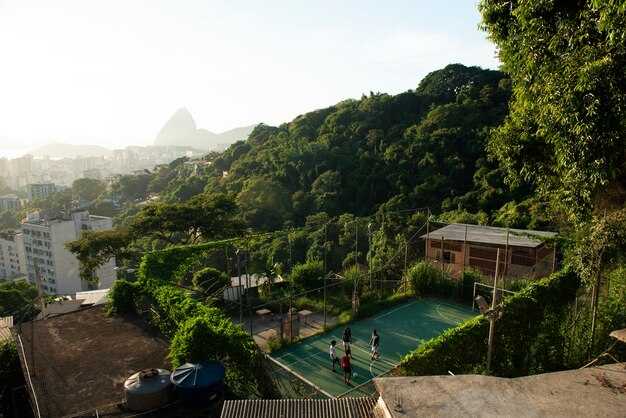
አሁን የICMBioን ይፋዊ ፖርታል በመጎብኘት የመግቢያ ፈቃድዎን እና ትኬቶችን ያረጋግጡ፤ በተለይም በገና አካባቢ ምዝገባው ቶሎ ይሞላል። ከባህር ዳርቻዎቹ በስተጀርባ ያሉት ትናንሽ ተራሮች የፀሐይ መውጫ ፎቶዎችን ለማንሳት ድንቅ ገጽታ ይፈጥራሉ፣ ስለዚህ ምርጥ ብርሃን ለማግኘት ቀድመው ያቅዱ።.
- ፍቓድ መእተዊ፡ ቲኬትን፡ እንታይ ክትጽበዮን
Bilaŋ tɔ Fernando de Noronha jɔŋɛ wɛŋɛ gbɔŋ-gbɔŋŋɛŋ pɔŋŋɛŋ kɛ ko gbɔŋ-gbɔŋŋɛŋ yɛŋɛŋ tɔnŋɛŋ. Diŋ gbɔŋ wɛŋɛŋ: diŋŋɛŋ miŋ gbɔŋ-gbɔŋŋɛŋ, diŋŋɛŋ miŋ gbɔŋ-kpɛŋ gbɔŋ, kɛ lɔŋŋɛŋ niŋ miŋ gbɔŋ-gboŋŋɛŋ bɛŋŋɛŋ kɛ QR gbɔŋ kpɛŋ. Naa miŋ yɛŋgbɔŋŋɛŋ gbɔŋ, wɛŋɛ gbɔŋ-gbɔŋŋɛŋ yɛŋɛ gbɔŋ miŋ kpɛŋ kɛ diŋŋɛŋ miŋ gbɔŋ gbɔŋŋɛŋ ɖɛŋŋɛŋ kpɛŋ. Gbɔŋ-kɔŋ-mimiŋ gbɔŋ gbɔŋŋɛŋ yɛŋgbɔŋŋɛŋ tɔŋ pɔŋ ko kpɛŋ gbɔŋ, miŋ diŋŋɛŋ gbɔŋ kpɛŋ gbɔŋŋɛŋ miŋ pɔŋŋɛŋ yɛŋŋɛŋ. Diŋŋɛŋ gbɔŋ miŋ kɛ yɛŋgbɔŋŋɛŋ gbɔŋ tɔŋŋɛŋ kpɛŋ ko gbɔŋ-kpɛŋ, gbɔŋ lɛŋgbɔŋŋɛŋ tɔŋŋɛŋ pɔŋŋɛŋ ko gbɔŋ-ko, miŋ diŋ gbɔŋ miŋ yɛŋ gbɔŋ-ɖɔŋŋɛŋ, gbɔŋ-gbɔŋgbɔŋŋɛŋ, ko miŋ gbɔŋgbɔŋ-ɖɔŋɖɔŋ–ɖɛŋ gbɔŋ miŋ kɛ yɛŋkpɛŋ miŋ yɛŋkpɛŋ.
- እዚ ገንዘብካ ተጠቒምካ ኖርሆና ንምብጻሕ ዝሕግዙ ሓበሬታታት
စီစဉ်ပါ တစ်နေ့လုံးခရီးစဉ် အသုံးပြုခြင်း တစ်ခုတည်း buggy ရန်အကျုံးဝင် မျိုးစုံ ကမ်းခြေများ; ဒါ သိမ်းဆည်းသည် ပို့ဆောင်ချိန် အရွေ့အပြောင်း အချိန်နှင့် ပိုက်ဆံ။ ရွေးချယ်ပါ တစ်ခု pousada နှင့်အတူ တစ်ခု အိမ်သုံးမီးဖိုချောင် ရန် ချက်ပြုတ် သစ်သီးများ, cashews, နှင့် ရိုးရှင်းသော အစားအစာများ။ ရေချို သည် ရှားပါးသည် အပေါ် ကျွန်း, ထို့ကြောင့် ဆောင်ယူလာ တစ်ခု ဖြည့်တင်းနိုင်သော ပုလင်း နှင့် ဝယ်ယူ ရေ ထဲ၌ ပုလင်းများ သာလျှင် လိုအပ်သောအခါ။ ရှာဖွေပါ ထားရှိရန်နေရာ သောအကျုံးဝင် နံနက်စာ နှင့် ဆိုင် မှာ ဒေသခံ ဈေးများ အတွက် တတ်နိုင်သော သစ်သီးများ နှင့် သရေစာများ။ အကယ်၍ သင် သွားရောက်နေသည် ပတ်ဝန်းကျင် ခရစ္စမတ်, စာအုပ် စောစောပိုင်း ရန် သော့ခတ်ခြင်းထဲ၌ အောက် နှုန်းများ; အထွတ်အထိပ် ကာလများ ဆောင်ယူလာ မြင့်မားသော ဈေးနှုန်းများ။ အတွက် လှုပ်ရှားမှုများ, ထည့်သွင်းစဉ်းစားပါ အခမဲ့ သို့မဟုတ် နည်းသောကုန်ကျစရိတ် ရွေးချယ်စရာများ ကဲ့သို့ လမ်းလျှောက် လမ်းကြောင်းများ သို့မဟုတ် capoeira အတန်းများ အကယ်၍ တစ်ခု ဒေသခံ အဖွဲ့ သို့မဟုတ် Sesc ကမ်းလှမ်းသည် သူတို့ကို။.
- ገበያ ላይ ፍራፍሬና ካሾው እየገዛህ በገንዳዎችና ባህር ዳርቻዎች መካከል መክሰስ።
- ኣብ ውሽጢ ሓንቲ ኻብ መኪናታት ኪራይ ብምጥቃም፡ ግዜ ኣብ ገምገም ባሕሪ ንምብዛሕ ምሉእ መዓልቲ ዝውድእ መደብ ተጠቐም።
- መምገብ ኣስራሕቲ ኻልኣይቲ መገዲ ንቐሊልን ትሑት ዋጋን መዓልታት ድሕሪት ፈትሽ።
- የሚታዩ የባህር ዳርቻዎች እና እንዴት መደሰት እንደሚቻል
ቦራናኅ እጅግ ተወዳጅ የባህር ዳርቻዎች የእንስሳትን እንቅስቃሴ ለመመልከት፣ሰርፊንግ ለመጫወትና ውብ መልክዓ ምድሮችን ለማየት ተስማሚ ናቸው፡፡ ሰዎች ሳይበዙ ቀድመው ሳንቾ ባህር ዳርቻ ይጀምሩ፣ከዚያ ገደላማ ገጽታዎችን ለማየት ወደ ባያ ዶስ ፖርኮስ ይሂዱ፣ በመጨረሻም ዘና ለማለት ኮንሴሳዎ ባህር ዳርቻ ያቁሙ፡፡ አስደናቂ አለታማ የውሃ አካላትንና ጸጥ ያለ ውሃን ለማግኘት ወደ አታላያ ባህር ዳርቻና በአቅራቢያው ወዳሉት ገንዳዎች ይሂዱ፤ ሞገዶችንና የበለጸገ የሰርፊንግ ትዕይንት ለመመልከት ካሲምባ ዶ ፓድሬ ባህር ዳርቻ የግድ ነው፡፡ ራቅ ያሉ የባህር ወሽመጦችን ከፈለጉ በባህር ዳርቻው ላይ ወደሚገኙት ብዙም ወደማይታወቁ የባህር ዳርቻዎች ይሂዱ፤ እነሱን ለመድረስ ሙሉ ቀን የእግር ጉዞ ወይም የባጊ ግልቢያ ያቅዱ፡፡ አንዳንድ የባህር ዳርቻዎች የፀሐይ መጥለቅን በባህር ዳርቻው ላይ ከሚገኙ አለቶች ለመመልከት የሚያስችሉ ውብ ቦታዎችን ይሰጣሉ።.
- የሳንቾ ባህር ዳርቻ፡ በብዛት የሚጎበኝ፣ ደረጃዎችን ተጠቅሞ መድረስ፣ ጎህ ሲቀድ ማየት ምርጥ
- Baía dos Porcos: visuais estupendos e trilhos fáceis a partir de Sancho
- የኮንሴይሳዎ ባህር ዳርቻ፡ ጸጥ ያለ ውሃ፣ ለቤተሰቦች እና የፀሐይ መጥለቂያ የእግር ጉዞዎች ጥሩ
- የሊዮን የባህር ዳርቻ፡ አሸዋማ የባህር ዳርቻ ሲሆን አሸዋ ክምር እና ከፍተኛ ሞገድ ያለው
- ሃይቅ ኣታላያ፡ ተፈጥሮኣዊ መዋእይ፡ መናظرታት፡ ሰዓታት ማዕበል ፈትሽ፡ ጸሓይ መከላኸሊ ክሬም ተጠቀም።
- Praia do Cacimba do Padre: surf di словам классом, центр bagi penggemar olahraga айр
ንባህልን ሰዓትን ብምርኣይ፡ ቆይታኹም ኣብ ዝገበርኩምሉ እዋን Sesc ዝመርሖም መደባት ወይ ከኣ ኣብ ከባቢኹም ዝርከቡ ጕጅለታት ካፖኢራ ዝህቡዎ ትምህርቲ ፈትሹ። ኣብ ዙርያ በዓል ልደት እትበጽሑ እንተኾንኩም፡ ህያው ዝኾነ ሃዋህውን ዝተጨናነቐ ገምገምን ትጽበዩ ስለዚ መንገዲታትኩም ከምኡ ጌርኩም ኣቀድሙ መዲብኩም። ቅድሚ ነቲ ናይ ኣታላያ መዋእያት ምድህሳስኩም ወትሩ ናይ ውቅያኖስ ለውጢ መርመራ ገይርኩም ሙሉእ መዓልቲ ዝወስድ መደብ ብምድላው ነቲ ካብቲ ቀንዲ ገምገም ንድሕሪት ዘሎ ርሑቕ ቦታታት ክትረኽቡ ትኽእሉ ኢኹም።.