


 Italiano
  English (UK)
  Русский
  বাংলা
বাংলা  العربية
  日本語
日本語  한국어
한국어  Magyar
  Norsk nynorsk
  Türkçe
  עִבְרִית
  Español
  Čeština
  Svenska
  Português
  Ελληνικά
  Suomi
Suomi  Nederlands
  Română
  Français
  Polski
  Українська
  Deutsch
  简体中文
简体中文  Slovenčina
  Српски језик
  اردو
اردو  Azərbaycan dili
  O‘zbekcha
  አማርኛ
አማርኛ 

Inizia da Salvador da Bahia per un'immersione immediata nel ritmo, nella storia e nel sapore del Brasile. A Pelourinho, le strade acciottolate risuonano di tamburi, esibizioni di capoeira e murales coloniali. Assaggia l'acarajé e la moqueca dalle bancarelle di strada, poi girovaga per i mercati dove la gente del posto chiacchiera con i visitatori. L'ingresso al centro storico è compatto, ma il gruppo di chiese, musei e case dipinte a colori vivaci sale sulla collina, invitandoti a esplorare a piedi. Questa prima tappa definisce un tono vivace per un viaggio che fonde musica, cucina e fascino costiero.
From there, Florianópolis offre la vita isolana con una miscela sicura di spiagge, sentieri e frutti di mare. Il sabbia bianca Le coste settentrionali e meridionali attraggono surfisti e amanti del sole. Praia Mole è un punto di riferimento per la sabbia soffice e le viste sull'acqua, mentre Praia Joaquina e Campeche aggiungi passeggiate a picco sul mare, sessioni di aquiloni e vivace shops vicino al porto. Se viaggiate in gruppo, una gita in bici diurna lungo la costa vi conduce a calette nascoste e a una lenta, dolce tramonto sull'acqua.
Successivamente, la regione amazzonica si concentra su Manaus, una porta d'accesso alla foresta pluviale. Un giro in barca dalla città rivela l'incontro del Rio Negro e Amazzonia fiumi, con una fitta chioma verde sopra e un ritmo di vita fluviale. La fauna selvatica è abbondante, dagli uccelli colorati ai curiosi capibara, e potresti avvistare formichieri lungo le rive dei fiumi in un'escursione guidata. Dopo giorni trascorsi sull'acqua, il Teatro Amazonas e i mercati fluviali offrono un punto di riferimento culturale prima di proseguire.
A est della foresta, Lençóis Maranhenses Il parco nazionale offre un paesaggio surreale dove morbide dune fluiscono verso lagune turchesi. Barreirinhas è il punto di accesso principale ai campi di dune, con tour in 4×4 che attraversano la cresta di dorsali scolpite dal vento e offrono viste panoramiche sul fiume Preguiças. Le lagune si formano dopo le piogge, quindi pianifica un ritmo che includa sia la luce del primo mattino che una sessione al tramonto sulle dune. Il contrasto tra le dune di sabbia bianca, le lagune blu e le strade di argilla rossa fa sembrare la regione ultraterrena.
Concludi in Jericoacoara, Ceará, un villaggio che sembra ancora fuori dai sentieri battuti ma offre un itinerario ricco. Raggiungi la città in 4×4 lungo una strada sabbiosa da Fortaleza, poi fai un'escursione fino al faro per una vista spettacolare sulla baia. Le strade della città ospitano accoglienti shops e caffè, e le spiagge qui invitano a lunghe passeggiate sulla sabbia soffice mentre il vento aiuta i kitesurfer. Le vicine Prea e Tatajuba offrono lagune con acqua calda e dune panoramiche, perfette per un riposo tranquillo prima di dirigersi verso la tua prossima tappa brasiliana.
Oltre Rio: Guida pratica a 5 destinazioni brasiliane imperdibili e 10 alternative
Atterra a Salvador in aereo e trascorri quattro giorni nel Pelourinho per immergerti nei colori, nella musica e nel ritmo delle strade brasiliane.
A Salvador, scegli una pousada a conduzione familiare nel centro storico, vaga per le strade a nord per assaporare la vita locale e prova la moqueca con vista sulla baia al tramonto.
Foz do Iguaçu offre un'esperienza di cascate di prim'ordine dal lato brasiliano; stabilitevi in un hotel a conduzione familiare di fascia media vicino al parco e prenotate un circuito guidato per ammirare sia la prospettiva brasiliana che quella argentina. Un giro in barca sotto le cascate aggiunge un brivido rinfrescante.
Il Parco nazionale dei Lençóis Maranhenses presenta paesaggi di dune e lagune turchesi; raggiungi le dune con una guida locale e pianifica una visita più lunga per goderti diverse lagune e belvedere panoramici. L'alba e il tramonto offrono i colori più intensi e un belvedere senza guardrail regala viste memorabili sulle sabbie.
Jericoacoara, sulla costa nord del Brasile, rimane piacevolmente isolata; l'accesso in 4×4 mantiene la città tranquilla, mentre le dune circostanti invitano a lunghe escursioni e viste del tramonto dall'altopiano. Un soggiorno in una locanda semplice a gestione familiare aggiunge un equilibrio accogliente alle giornate di vento, mare e cieli notturni.
Florianópolis, sull'isola di Santa Catarina, unisce il relax sulla spiaggia con un facile accesso ai ristoranti della città; scegliete due zone balneari distinte, assaggiate pesce fresco e approfittate delle gite organizzate per esplorare punti panoramici sulle scogliere e calette tranquille. Un piccolo numero di pensioni affascinanti a gestione familiare mantiene un ritmo rilassato e amichevole.
1) Bonito, Mato Grosso do Sul: fiumi cristallini, grotte e snorkeling guidato in canali come Rio da Prata; pianifica un itinerario di 3-4 giorni e soggiorna in un lodge locale a conduzione familiare per esperienze coinvolgenti e pratiche con le guide.
2) Fernando de Noronha, Pernambuco: barriere coralline incontaminate e fauna selvatica in un ambiente protetto; prenotate in anticipo, alloggiate in una piccola pousada a conduzione familiare e pianificate almeno 4–5 giorni per esplorare diverse calette e punti panoramici in barca o a piedi.
3) Pantanal (Mato Grosso do Sul o Mato Grosso): vaste zone umida adatta a safari naturalistici in barca o veicolo; scegliete soggiorni più lunghi per massimizzare gli avvistamenti, collaborate con guide locali e godetevi escursioni di prima mattina, quando gli animali sono più attivi.
4) Chapada Diamantina, Bahia: canyon, cascate e antiche grotte; fai base a Lençóis o in un villaggio vicino, ingaggia guide locali per escursioni più lunghe e goditi serate rilassanti dopo giornate attive di esplorazione.
5) Porto de Galinhas, Pernambuco: piscine sulla spiaggia con la bassa marea, barriere coralline per lo snorkeling e una vivace atmosfera paesana; scegliete una locanda boutique a conduzione familiare e godetevi facili gite di un giorno alle spiagge e lagune vicine.
6) Recife & Olinda, Pernambuco: strade storiche piene di colori, mercati e siti culturali; combina una giornata nei ripidi vicoli di Olinda con i musei e la scena gastronomica di Recife per un mix culturale compatto.
7) Natal & Pipa, Rio Grande do Norte: giri in dune a Genipabu, scogliere e tramonti mozzafiato a Pipa, e calette tranquille per nuotare; trovate un alloggio economico vicino alla costa, in una semplice pensione locale, per un ritmo rilassato.
8) Manaus e l'Amazzonia: crociere fluviali e lodge nella foresta pluviale guidati da specialisti; dedicare 4–5 giorni per attraversare foreste allagate, incontrare comunità locali e osservare la fauna selvatica da torri nella volta e ponti di barche.
9) Arraial do Cabo, stato di Rio de Janeiro: calette turchesi e snorkeling in acque cristalline, facilmente raggiungibile dalle capitali vicine; soggiorna in una pousada compatta a conduzione familiare e sfrutta le gite giornaliere alle spiagge vicine per itinerari rilassanti.
10) Bombinhas, Santa Catarina: spiagge protette e abbondante vita marina; scegliete una piccola locanda con facile accesso a diverse baie e godetevi i sentieri costieri che collegano calette riparate per soggiorni più lunghi in un ambiente discreto.
Cascate dell'Iguazú: punti panoramici dal lato brasiliano e migliori tour in barca
Prenota una giornata sul versante brasiliano per i migliori panorami e un fantastico tour in barca, e pianifica un itinerario di 7 ore che combini sentieri panoramici con un giro ravvicinato sul fiume, prenotato in anticipo. Il lato brasiliano concentra la maggior parte della cascata in un'unica ampia cornice, con sentieri acciottolati che conducono a piattaforme aperte e punti panoramici ombreggiati.
Dai ponti orientati a nord si catturano scorci fotogenici di foreste verdeggianti e cascate impetuose. I visitatori precedenti hanno notato che il lato brasiliano rivela le cascate nel loro momento più drammatico da queste angolazioni. Gli spruzzi creano una cortina simile a una montagna che esalta la drammaticità, mentre i sentieri di Morro aggiungono altezza senza richiedere una salita faticosa. Una chiara linea di vista della Garganta do Diabo sul bordo mostra la potenza della natura in un momento compatto e indimenticabile.
I migliori tour in barca, come il Macuco Safari, scivolano sotto la cortina e spruzzano acqua verso la parte anteriore dell'imbarcazione. Questa esperienza "sotto i bordi" è meglio programmarla dopo una mattinata trascorsa a camminare per i sentieri acciottolati. Controlla i biglietti e prenota il tuo posto in anticipo, soprattutto a febbraio, quando la folla aumenta e il tempo può cambiare rapidamente. Questi momenti rimangono con loro a lungo.
The falls form part of a unesco-listed landscape, with hours that shift seasonally. Prices and tickets vary, but you can expect park entry around 60–90 BRL for adults and boat rides around 120–180 BRL. If you want a seamless day, book a combo that includes both park entry and the boat tour. Afterward, toast the view with a glass of wine at a riverside café or watch the sunset over the verde riverbanks as you reflect on the day.
For lodging, stay in Foz do Iguaçu or nearby verde-tinged accommodations; a short drive from town brings you to the falls in under an hour. February often brings heat and humidity, so pack light layers and rain gear. If you’re combining with a visit to janeiro, consider a separate flight to avoid a long drive, then plan a 2–3 day stay to explore the rios and taste a doce pastry at a local bakery. With a booked plan, you’ll have clear reasons to return and relive the amazing views again.
Salvador da Bahia: Pelourinho itinerary, where to stay, and day trips
Choose a boutique pousada in Pelourinho’s upper town for a sweet stay that puts you within steps of color-splashed squares and a sparkling harbor. Salvador actually was the first state capital of Brazil, and the importance of Pelourinho’s history is visible in every cobbled street. During your visit, pick an insider walking tour for insight into Afro-Brazilian culture and the negro heritage that shaped music, dance, and ritual in this bahia district.
Pelourinho itinerary begins at Praça Tomé de Sousa, then Largo do Pelourinho, then Igreja de São Francisco and its gold leaf, followed by Terreiro de Jesus. From there, descend to Mercado Modelo for crafts and a taste of bahia life. The area’s vivid, color-splashed houses create a wonder in hundreds of angles; this UNESCO-listed masterpiece shows how colonial design can still feel alive. A ride on the Lacerda Elevator delivers the first glimpse of the sparkling bay and coastal views. For sunset, seek a secluded rooftop for live music, and let the rhythms make you fall in love with the city. The route highlights what to see, including the negro influence on music and ritual practice, which adds insight into countrys history.
Where to stay: In Pelourinho, choose a boutique pousada with carved wood and sweet tilework, or a guesthouse near Baixa for easy transit to day trips. Prices typically range from 250-450 BRL per night in the off-season, rising toward 800-1200 BRL during february carnival week. A million tiny details–tile mosaics, ironwork, and courtyards–make each room feel like a living museum. For quieter nights, pick a secluded option with a small garden and a view of the bay. Included in many packages: breakfast, coffee, and late-afternoon snacks; some places offer guided laundry or other thoughtful touches.
Day trips: Itaparica Island is a coastal escape, reachable by a 60-minute ferry from Salvador, with calm beaches and simple seafood shacks. Praia do Forte, about 1.5-2 hours by road, offers the Tamar Project, mangrove trails, and regional cuisine. Morro de São Paulo is a longer ferry ride (2.5-3 hours) or a speedboat option for island-hopping and powdery beaches. Because each option provides a different pace, you can pick what suits your mood: quiet coves, wildlife encounters, or a longer coastal itinerary. A must-do coastal experience is a sunset boat trip along bahia’s shoreline.
| Destinazione | From Salvador (approx.) | Punti salienti | Ideale per |
|---|---|---|---|
| Itaparica Island | 60 min ferry from the port | calm beaches, secluded coves, simple seafood | easy coastal escape |
| Praia do Forte | 1.5–2 hours by road | Tamar Project, mangroves, reef snorkeling | wildlife and coastal scenery |
| Morro de São Paulo | 2.5–3 hours by ferry or speedboat | island vibe, long beaches, snorkeling | island-hopping day |
| Costa do Dendê area | scenic coastal drive east of Salvador | remote beaches, surf towns, dramatic coastline | scenic coastal loop |
Amazon Rainforest (Manaus): river cruise versus jungle lodge options
Plan a jungle lodge stay for a quiet, immersive Amazon experience; youll gain intimate wildlife encounters and hands-on forest knowledge that a fast-paced river cruise cant deliver, for both pace and depth. dont expect this to be a one-size-fits-all itinerary.
River cruises in Manaus deliver a moving line of viewpoints with guided excursions and detailed briefings from naturalists; you see many habitats from a comfortable deck, and youll wake to bird calls and flooded forest scenes when the river runs high in february, leaving your mind full of vivid impressions.
Jungle lodges, especially family-owned properties, offer a more intimate schedule with private guided trails and a stairway canopy walk that puts you above the treetops for a quiet, vivid view of the canopy. These stays plan detailed activities and can tailor experiences to families or international travelers, and they are named after local communities or guiding teams.
During february, the Amazon basin sees heavier rain, river levels rise, and flooded forests make canoe trips easy; a week here lets you balance river views with land treks and vivid wildlife encounters.
Plan your international itinerary around Manaus as the gateway; many operators offer integrated packages that include a night in the city with cobblestone streets and the Amazon Theatre. Near the forest edge, you can explore a border where river and jungle meet, and a family-owned operator will tailor a detailed program. Youll come away with memories that stimulate your mind and a vivid picture of a Brazil that sits beyond Rio – selarón in spirit, yet defined by the Amazon’s beauty.
Lençóis Maranhenses National Park: best time to go, access, and packing tips
Go in the dry season, June through September, for the best lagoon displays and easier dune crossings. Crystal lagoons shimmer between white sands, and the dunes resemble carved stone under a bright sky. The light is ideal for photography, that timing helps you capture color, shadows, and reflections. Keep a simple form of ID handy and a spare form for guides, because some operators require a quick check at the start.
Access centers on barreirinhas, the gateway town for the park. From São Luís, the trip to barreirinhas runs about 260–270 km and typically takes 4–6 hours by road; an alternative is a flight to Parnaíba followed by a 3–4 hour drive. From barreirinhas, hire a licensed guide, many english-speaking, and a 4×4 to reach Lagoa Bonita, Lagoa Azul, and Lagoa do Peixe, with camps along the route. Some travelers also extend to the amazons region, or keep going toward olindarecife and the coast. The coastal stretch attracts surfers, and a stop in barreirinhas gives you a chance to sample cashews and local crafts in the market. If time allows, a cultural detour to São Luís–its cathedral, statue, and historic squares–offers a fitting breeze before heading back.
Packing tips: Pack light, breathable clothes, a swimsuit, hat, sunglasses, and a compact backpack. Protect electronics with a waterproof bag; lagoons stay crystal, the sun can be strong, and weather shifts quickly, so a light rain shell helps. In shallow lagoons, water shoes improve grip; bring a towel and a change of clothes. Electricity at camps is intermittent, so carry a power bank and spare batteries. Carry cash; many guides operate cash-only. Cashews travel well as an energy snack for day trips, and a small snack helps when you’re aware that stores are sparse along the dunes.
That experience ranks among the best natural destinations in Brazil. Another option is to pair Lençóis with olindarecife, then continue toward argentina for a broader northeast circuit. This plan can connect countrys in the region, while offering a mix of dunes, cultural stops, and river views–including small falls along the Preguiças route. If you travel with a guide aware that english speakers are common, you’ll move smoothly. In the end, you’ll return to São Luís with time to visit the statue in the city center and stroll the historic squares before you fly home.
Pantanal: wildlife seasons, guided safaris, and transport choices
Book a dry-season wildlife safari (June–September) with a licensed guide to maximize sightings of jaguars, golfinhos, caimans, and thousands of birds along the river edges.
The Pantanal’s rhythm hinges on the flood pulse, creating a mosaic of habitats that sits within a shifting water matrix. In the dry season, water concentrates in the remaining lagoons and river channels, making paths and hides easier to scan from a vehicle or boat. Waterways turn into clear routes for wildlife watching, and the golden light at dawn or dusk enhances photography. Cajueiro trees line many banks, offering shade for resting animals and dramatic silhouettes for outdoor shoots. Swimming is discouraged in most edges due to caiman and predatory fish, so plan land- and boat-based viewing instead.
- Dry season (roughly May–September): the river retreats, wildlife concentrates at few remaining pools, and you’ll find a high density of jaguars, capybaras, and herds of herbivores. Thousands of birds flash across shorelines, and fish schools gather near islands and drift lines, creating lively action at water edges.
- Wet season (December–March): floods blanket vast plains, water levels rise, and river networks expand. You’ll access flooded forests by canoe or shallow-boat trips, spotting new species as networks of water connect different worlds of wildlife.
- Birding and year-round observation: beyond jaguars and golfinhos, raptors, herons, macaws, and hoatzins provide constant sightings; some areas sit closer to mountain silhouettes on distant horizons, offering varied scenery for photographers.
Guided safaris thrive on experts who tailor routes to water levels and the wildlife you want to see. Whats the best approach? A balanced mix of boat safaris, 4×4 drives, and short hikes often yields the richest encounters. Given the season, your itinerary can form a loop that links rivers, lagoons, and private reserves, keeping you within a comfortable pace and maximizing success in every day.
- Boat safaris: fast-moving dolphins, golfinhos in river stretches, and schools of fish attract herons and kingfishers; expect close-up views in calm, shallow waters along the Cuiabá and bordering rivers. Look for reef-like submerged shelves that create feeding hotspots for several species.
- Land and water hybrid safaris: guided 4×4 drives between lodges sit near seasonal shorelines; hiking options let you spot iguanas, capybaras, and elusive hikers along the edge of floodplains.
- Night safaris: spotlighting caiman, ocelots, and small nocturnal mammals adds another layer to the mosaic of life in the reserve.
- Family-friendly formats: operators offer short, intensive trips and longer, immersive safaris; you can combine canoe trips with elevated treetop viewpoints for a broader experience.
Transport choices affect how you experience the Pantanal. The river system drives most scenery, but you’ll still need practical access to lodges and reserves. You’ll typically fly into Cuiabá (Marechal Rondon International) or Porto Jofre and then transfer by road or boat to your base. Internal charters or small aircraft from major hubs can cut travel time when you want to maximize outdoor time. Hotels and eco-lodges range from comfortable rooms to intimate suites, often with private decks overlooking lagoons and river bends. Stores near lodges stock basic supplies and souvenirs, and local links provide schedules and activity options for easier planning. If you’re planning a multi-region itinerary, tiradentes can be part of a broader Brazil trip via short connections; check flight and transfer links to align dates.
To optimize your experience, suggest booking a mix of experiences that sits within a single reserve or lodge network. The drive-friendly routes, the canoe paths, and the riverside vantage points create a cohesive form for your days. A well-planned sequence lets you see the river’s near-shore life, then switch to the flooded forest for a different set of species and behaviors, all while staying in a comfortable hotel or eco-lodge.
Store-smart tip: pick lodges with on-site Cajueiro shade trees and boardwalks over marshy edges; this helps you stay close to wildlife without disturbing them, while also keeping photography opportunities accessible in golden-hour light. If you’re new to Pantanal, a local guide can map a year-round plan that balances boat time, drives, and short hikes, ensuring you witness both the swimming-free safety and the vibrant, outdoor-rich life that this region uniquely offers. We suggest starting with a two- to four-day core itinerary and expanding with a river-and-lodge extension if you want to see more riverside villages, markets, and sunset views.
Fernando de Noronha: entry permits, budget tips, and must-see beaches
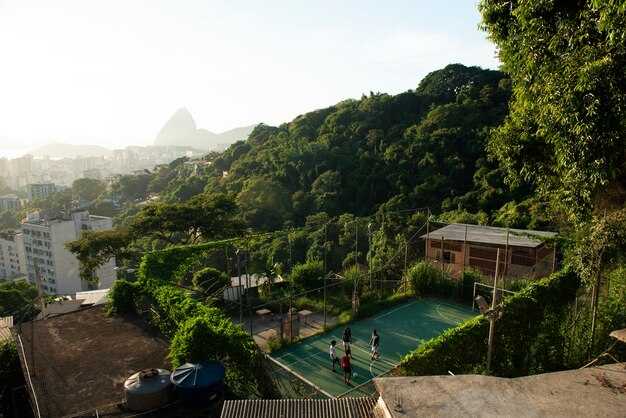
Check ICMBio’s official portal now to secure your entry permit and tickets; quotas fill quickly, especially around Christmas. The compact mountains behind the beaches create dramatic backdrops for sunrise photos, so plan early for the best light.
- Entry permits, tickets, and what to expect
Entry to Fernando de Noronha is managed with a permit and a daily environmental control fee. Check ahead: print the permit, pack a valid ID, and carry your ticket receipts or QR codes. At the island border, you’ll present the permit behind your passport and ensure your stay aligns with the dates. The most-visited areas require a separate access ticket that you should book in advance to avoid missing out. Keep in mind that some zones are included in your stay, while others require an additional ticket, so what you plan to do–snorkeling, hiking, or simply beach-hopping–helps determine what’s included.
- Consigli per visitare Noronha con un budget limitato
Organizza un itinerario di un giorno intero usando un solo buggy per esplorare più spiagge; questo ti farà risparmiare tempo e denaro per i trasporti. Scegli una pousada con angolo cottura per preparare frutta, anacardi e pasti semplici. L'acqua dolce è scarsa sull'isola, quindi porta una bottiglia riutilizzabile e compra acqua in bottiglia solo quando necessario. Cerca un alloggio che includa la colazione e fai acquisti nei mercati locali per frutta e snack a prezzi accessibili. Se visiti l'isola intorno a Natale, prenota in anticipo per bloccare tariffe più basse; i periodi di alta stagione comportano prezzi più alti. Per le attività, considera opzioni gratuite o a basso costo come percorsi a piedi o lezioni di capoeira se un gruppo locale o il Sesc le offre.
- Fai la spesa al mercato per frutta e anacardi da sgranocchiare tra piscine e spiagge
- Utilizza un piano giornaliero completo per massimizzare il tempo in spiaggia con un singolo noleggio di un buggy.
- Esplora percorsi a piedi dietro la strada principale per giornate facili ed economiche
- Spiagge imperdibili e come godersele
Le zone più famose di Noronha sono rinomate e frequentate per lo snorkeling, il surf e le viste panoramiche. Inizia presto a Praia do Sancho per evitare la folla, poi cammina fino a Baía dos Porcos per ammirare i panorami dalle scogliere e termina a Praia da Conceição per una pausa rilassante sulla costa. Per piscine rocciose suggestive e acque più calme, dirigiti a Praia do Atalaia e alle sue piscine vicine; per le onde e una vivace scena surfistica, Praia do Cacimba do Padre è un must. Se desideri calette isolate, avventurati verso spiagge meno conosciute lungo la costa e pianifica un'escursione di un'intera giornata o un giro in buggy per raggiungerle. Alcune spiagge offrono incantevoli punti panoramici dove è possibile ammirare il tramonto sulle scogliere costiere.
- Praia do Sancho: spiaggia più visitata, accesso tramite scale, ideale all'alba
- Baía dos Porcos: panorami mozzafiato e sentieri facili da Sancho
- Praia da Conceição: acque calme, ideale per famiglie e passeggiate al tramonto
- Praia do Leão: lunga distesa sabbiosa con dune e forti correnti
- Praia do Atalaia: piscine naturali, punti panoramici; verifica gli orari delle maree e usa una protezione solare adatta alla barriera corallina
- Praia do Cacimba do Padre: surf di livello mondiale, un punto di riferimento per gli appassionati di sport acquatici
Per cultura e tempistiche, cerca programmi guidati dal Sesc o gruppi locali che offrono corsi di capoeira durante il tuo soggiorno. Se visiti la zona verso Natale, aspettati un'atmosfera vivace e spiagge affollate, quindi pianifica i tuoi percorsi di conseguenza. Controlla sempre le tabelle delle maree prima di esplorare le piscine di Atalaia e organizza un percorso di una giornata intera per scoprire luoghi remoti dietro le spiagge principali.