


 עִבְרִית
  English (UK)
  Русский
  বাংলা
বাংলা  العربية
  日本語
日本語  한국어
한국어  Magyar
  Norsk nynorsk
  Türkçe
  Español
  Čeština
  Svenska
  Português
  Ελληνικά
  Suomi
Suomi  Nederlands
  Română
  Italiano
  Français
  Polski
  Українська
  Deutsch
  简体中文
简体中文  Slovenčina
  Српски језик
  اردو
اردو  Azərbaycan dili
  O‘zbekcha
  አማርኛ
አማርኛ 

Plan a phased rollout of electric planes on short routes, then expand to longer legs as tech matures. Early flights will rely on smaller, lighter frames, with rigorous safety checks prior to each flight and a focus on reliability and maintenance costs.
Prototypes across the industry show regional ranges around 200–400 km on light airframes, while researchers pursue higher energy density cells and robust cooling. A number of teams balance weight, safety margins, and performance in real-world tests; visuals from flight tests illustrate compact propulsion units integrated across wings and tails.
For extended links, hybrid layouts pair electric power with small turbines to add range; A shift toward modular packs and scalable power electronics helps operators adapt fleets without heavy refurbishments. As energy grids decarbonize, potential savings in emissions per passenger-km grow on routes powered by green electricity.
Regulatory, grid, and supply constraints slow progress. Suppliers and test teams work on standard interfaces to ease maintenance, repair, and upgrades. Certification for new chemistries, safety standards, and maintenance procedures adds time, while airport charging capacity and the mineral supply chain require coordinated planning.
Adoption path: focus on regional fleets in the near term, supported by targeted investments in battery supply, charging hubs, and flight-planning tools, creating a foundation for broader service once high-density cells prove reliable. Start with flexible pilots using existing platforms and scale as data shows dependable operations.
Electric Aircraft: Practical Outlook

Begin with a targeted rollout: electric-powered aircraft on short regional routes to validate charging, reliability, and quick turnarounds, then scale as performance proves itself.
Key driver in the near term remains energy density and thermal management. For aircraft with several מושבים, carrying capacity trades with range, so design must optimize wings and lightweight systems, especially as the market matures. A careful balance preserves a useful seat count while keeping mass low, driving a tangible חיים onboard that feels calm for passengers.
Regulatory and חוקי barriers are as important as hardware. The european airspace landscape and europes market shape how soon electric-powered aircraft can enter service, with certification timelines, noise rules, and mission profiles guiding when and where aircraft can fly and how fleets size up for daily operations.
Across europe and the americas, several operators are poised to join the forefront, with easyjet leading partnerships and other carriers testing how quiet, electric-powered flights affect life-cycle costs and passenger comfort. The goal remains a meaningful reduction in emissions while keeping schedules reliable, and enhancing the overall life of on-board experience for your crews and guests.
Case study: alice, the nine-seat electric-powered prototype, has flown several times and demonstrates how distributed propulsion and compact wings affect payload, range, and maintenance. Led by saleh, the team shows how modular design keeps the aircraft easy to לשאת and inspect, with bells-and-whistles for monitoring and safety. If this path continues, airlines gain clarity on carrying passengers and belongings on regional hops without heavy fuel burn, and you will have a clearer view of entering a sustainable era for regional travel.
easyJet’s 2030 Target: Implications for Short-Haul Routes
Recommendation: Prioritize high-frequency london-to-europes short-haul operations with a staged propulsion mix, keeping todays network robust while piloting zero-emissions aircraft on a subset of legs, and set clear milestones to reach 2030 with a credible plan.
- Technology fit: On routes with high carrying demand, pilot electric or hybrid-electric concepts on a portion of flights using high-efficiency propulsion and lightweight airframes. Use X-57 as a reference for distributed propulsion benchmarks, and track emissions in grams per passenger-km to compare with todays jet performance. Build a plan to move to zero-emissions where payload and range allow.
- Network design: Keep london as a key hub, increase more frequent service on core corridors to improve load factors, and target short hops that stay under two hours to maximize aircraft flown per day. Use europes route data to identify corridors with strongest seasonal demand and highest potential for battery-electric retrofits or hydrogen solutions.
- Economic and IP strategy: There are associated expensive upfront costs for charging infrastructure, ground support, and R&D. A team should work with start-up; theres a palestinian engineer saleh who filed a patent for a compact engine concept that could fit on narrow-body airframes. This patent could help easyjets team move faster and foster collaboration with the wider europes ecosystem.
- Technology roadmap and partnerships: Focus on engine efficiency improvements and weight reductions; pursue distributed propulsion and modular battery packs where feasible. The study shows cooperation with universities and suppliers accelerates progress, and a public-private approach keeps the number of variables manageable.
- Implementation milestones: Set a cadence of test flights and route trials each year, monitor grams of CO2 saved per passenger-km, and publish progress metrics. Start with 2–3 routes in the next five years and expand as tech matures; track efficiency by comparing carrying capacity and load factors on each flight to validate the path toward zero-emissions on the backbone network, about gains to expect.
Long-term outlook: By balancing fleet renewal with targeted network optimization, easyjets can keep delivering reliable service while reducing emissions. Todays pace of tech maturation supports a credible path to decarbonize short-haul routes without sacrificing service levels, helping london and europes corridors stay connected.
Battery Density and Flight Range: What This Means for Regional Aircraft
המלצה: Target 500–600 Wh/kg at pack level within the coming years and design for modular, scalable packs with robust thermal management. Industry expects these gains to move britains regional fleets into a new era of lower operating costs and quieter airspace. This lets a 20–30-seat regional airframe achieve practical ranges of 400–800 km on pure electric propulsion, reducing mission energy by using high-efficiency motors and optimized aerodynamics. Prioritize cooling, safety, and ease of production, because this impacts the entire lifecycle and cost.
todays high-energy-density cells sit around 200–260 Wh/kg in practical packs, which means a 600–900 kWh capacity implies weight in the few-tons range. This is less dramatic than headlines suggest, so pilots and planners must think beyond a single-hop approach and into longer service patterns. For a 20–40-seat airframe, that energy translates to payload penalties unless the mission profile is optimized. britains operators are learning to balance range, payload, and charging needs, while regulators scrutinize safety. A documentary view of the field shows this energy-density story reached several milestones in recent years, with demonstrators flown and start-up firms producing viable modules for regional routes.
Airbus has signaled interest in electric regional architectures, but this comes with weight, cooling, and regulatory hurdles. Many start-up players are producing demonstrators that have flown on short legs, and this story of progress is watched closely by britains operators, regulators, and investors. Energy bottles powering these packs matter, because safety concerns around thermal runaway require robust packaging and monitoring. The effort makes motor efficiency and drive-control optimization central to any viable plan, and it rolls out across ground and flight tests to refine performance.
Charging and grid readiness shape routes. todays charging networks near airports offer overnight fast-charging, but they are still a constraint in many regions. Operators should plan to roll in a hybrid or all-electric leg for short corridors while keeping a fallback SAF option for longer hops. Annual investment in battery tech and manufacturing is rising, and costs per kWh are expected to drop as volumes grow, making these aircraft economically viable sooner rather than later. Think about the complete ecosystem: maintenance, cooling, energy management, and the ability to swap or upgrade packs without heavy modding.
In practice, regional fleets will blend approaches: short all-electric hops on the cleanest corridors and longer legs supported by hybridization or SAF to cover gaps. This aligns with carbon-reduction targets and with the annual pace of certification and infrastructure upgrades. Having a clear upgrade path, from lighter packs to higher-energy chemistries, helps britains operators think about risk, uptime, and long-term economics.
Charging Infrastructure at Airports: Turnaround Times and Grid Impacts
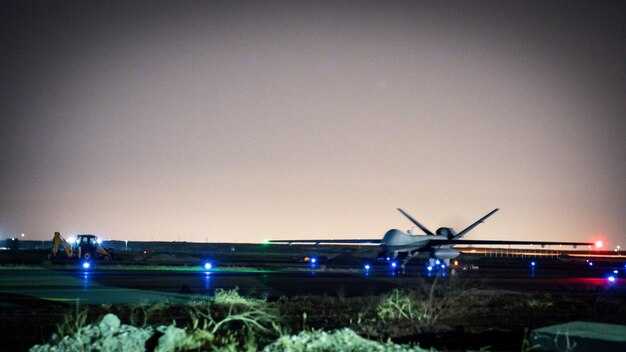
Install at every gate a modular charger system with 1–2 MVA capacity, paired with 2–5 MWh of on-site storage, and adopt smart charging that aligns with real-time grid signals and flight schedules. This setup could cut peak demand, reduce grid stress, and keep turnaround times predictable across airplanes. Engineers across the industry have demonstrated that scalable, interoperable charging can support both electric propulsion tests and routine operations, with power into electrical systems flowing smoothly as batteries recharge between flights. The approach also reduces diesel use on the tarmac and strengthens long-term resilience, supported by formal studies and pilot programs that completed rollout milestones in the last years.
Turnaround times drive practical choices. In a 30–60 minute window, many flights could top up their batteries to meaningful levels, especially when chargers run at 0.5–1.5 MW per aircraft. That rate translates to roughly 0.5–1.5 MWh of energy per hour, making full or partial top-ups feasible for seater and small to midsize airplanes when boards are coordinated with taxi-in and gate operations. Where fleets include larger airframes, partial optimizations plus battery conditioning during idle periods can keep schedule reliability intact while keeping electrical demand manageable.
Grid impacts push airport planners to balance local generation, storage, and interconnection upgrades. A hub with ten gates could see peak uplift in the 10–20 MW range if charging happens without coordination, feeder lines and transformers would face strain. Deploying on-site storage of 2–10 MWh and implementing demand response can shave peaks by 5–15 MW, turning a potentially disruptive spike into a manageable load. A ללמוד completed at several pilot airports הודגם that coordinated, time-shifted charging delivers the strongest gains and reduces volatility across the electrical network. The מלכה of these strategies is disciplined scheduling that aligns gate assignments, aircraft type, and charging profiles to the grid’s כוח capability.
טכנולוגיות וחידושים מקדמים את הכדאיות של תוכניות אלה. מהנדסים הודגם מושגי הנעה וטעינה, לרבות ה איקס מינוס 57 ממשק, אשר מוֹדִיעַ עד כמה זרם גבוה סוללות ואלקטרוניקת הספק יכולות לפעול במארזים קומפקטיים ועמידים. ארבעה חידושים מרכזיים מניעים את התוצאות: מטענים חזקים עם הספק גבוה וקירור חזק, פלסטיק מארזים העמידים לתנאי שדה תעופה, ניהול סוללות מתקדם השומר על תקינות המארז, ותקני טעינה ניתנים לתפעול הדדי התומכים במגוון כלי טיס. מרכיבים אלה ביחד דוחפים כוח לאספקת חשמל אמינה ומהירה היפוכים ולהקטין engine סרק על הקרקע, מספק הפחתה בפליטות ורעש.
תכנון לטווח ארוך מעגן את עשור-תכנית דרכים בקנה מידה. ניתוחים שהושלמו מראים שארבעה עד שישה מרכזים אזוריים יכולים להשיג שדרוגי שער מלאים בתוך ה- years, עם מעקב שוטף אחר עלות-תועלת והפחתת סיכונים. לאורך האופק הזה, לימודים מצביעים על כך שהתקינה מאיצה את ההשקה, מאפשרת תשתית משותפת כמו אפיקי DC ומזינים במתח בינוני, ותומכת בצי גדל והולך של מטוסים מעבר מהנעה דיזל לחשמל. לכן האסטרטגיה לטווח ארוך מדגישה פיילוטים מוקדמים, שדרוגים מודולריים ושיתוף פעולה בין שדות תעופה כדי להפוך completed טייסים לרשתות טעינה ניתנות להרחבה, בקנה מידה עירוני.
תעודה ובטיחות: ציר זמן מבדיקות לשירות מסחרי
התחילו בתכנון ההסמכה מהיום הראשון ותאמו עם הרגולטורים מוקדם; התאימו את חבילת נתוני התכנון המקורית שלכם לבטיחות מערכת ההנעה וניהול הסוללה. לפני הטיסה הראשונה, השלימו בדיקות קרקע וניתוחי סיכונים, וקבעו תוכנית קונקרטית לתוכנית ניסויי הטיסה. גם עם לוחות זמנים צפופים, עדיין שמרו על קישורים ברורים בין אבני דרך הנדסיות לאבני דרך משפטיות כדי למנוע עיכובים.
פיתוח מערכות הנעה חשמליות משנה את פרופילי הסיכון; נתיב ההסמכה מכסה ייצור, מערכות סוללות, ניהול אנרגיה ושילוב כשירות אווירית. עבור הנדסת תעופה וחלל, ציר הזמן כולל ביקורות עיצוב, הסמכת רכיבים ומערכות ותעודת טיפוס מרשויות אירופאיות; לונדון משמשת כמרכז לסדנאות משותפות עם רגולטורים וחברות תעופה כדי לאמת ביצועים בנתיבים קצרים ותצורות מושבים, אפילו בהשוואה למטוסים המונעים בדלק.
מקרים של בטיחות נסמכים על נתוני מחקר ותוצרים: ניתוח סיכונים, ניתוח מצבי כשל והשפעותיהם (FMEA), נתוני אמינות ואימות גורמי אנוש. דרישות חוק מחייבות עקיבות של רכיבים ומערכות ייצור; רגולטורים מצפים למסגרת ניהול איכות חזקה ולרשומות הניתנות לביקורת. הפקת תוצאות בדיקה חוזרות שרגולטורים יכולים לבדוק במקביל לתכנית מאיצה את האישור, ושיטה זו יכולה לספק החלטות הסמכה מהירות יותר.
לאחר האישור, חברות תעופה מקבלות את מסירת המטוסים המאושרים ועוברות לשירות מסחרי. המפעילים עובדים עם צוותים משפטיים כדי להבטיח תאימות בכל המסלולים, ההמראות והנחיתות; התאמה זו מפחיתה את הסיכון במהלך הפעילות. בסביבה של היום, הדגמות ברשתות אירופאיות ובמסלולי לונדון עוזרות לכמת את הביצועים למרחקים קצרים ותצורות מושבים, מה שמיידע את חברות התעופה לגבי צפיפות ישיבה וזרימת נוסעים. ניטור שוטף, שיתוף נתונים עם חברות תעופה שותפות ותוכניות תחזוקה מעודכנות תומכים בפעילות בטוחה ומתכוננים לדור הבא.
עלויות, מימון והחזר ROI עבור חברות תעופה ושדות תעופה
המלצה: להתחיל פריסה הדרגתית בת חמש שנים בארבעה קווים קצרי טווח מתחת ל-350 מייל, תוך שילוב טעינה חשמלית באתר עם תמריצים ממשלתיים ומימון ירוק כדי להגיע להחזר ROI חיובי.
מבנה עלות חד פעמית עבור חשמול נשבר לשלושה חלקים: מערכת הנעה ואלקטרוניקת בקרה, סוללות ומערך תשתית קרקעית. מחירי סוללות לחשמליים אזוריים עולים בדרך כלל בין 140$ ל-200$ לקוט"ש, כאשר גדלי סוללות נעות בדרך כלל בין 200 ל-500 קוט"ש עבור יחידות של ארבעה עד עשרים מושבים. מסעות שדרוג עולים בדרך כלל בין מיליון אחד לשלושה מיליון דולר למטוס, ואילו גופי מטוס חשמליים חדשים שנבנו למטרה זו יכולים להגיע לעשרות מיליוני דולרים למטוס לפני מטען ואישורים. עבור שדות תעופה, התקנת עמדות טעינה בהספק גבוה ושדרוגי רשת נדרשים עולה בערך בין מיליון לשני מיליון דולר לאתר, עם עוד 0.5 עד 2 מיליון דולר כדי להבטיח קיבולת חשמל אמינה ואגירת אנרגיה במידת הצורך. על פני המערכת, עלויות התחזוקה נוטות לרדת ב-15-30% עקב פחות חלקים נעים, בעוד שעלויות הדלק נעלמות בקטעים עם אפס פליטות, אם כי מחירי החשמל ומחזורי הטעינה יוצרים שיקולי עלות חדשים בטווח הארוך. מציאות זו חייבת לכסות עלויות אלה בגישה מדורגת, כך שהרשת תישאר משתלמת תוך שמירה על המיקוד בארבעה קווים קצרי טווח, מה שמסייע בכיסוי הכלכלה הכוללת. פלטפורמה יחידה תומכת בכלכלה על ידי התאמת רכש, מימון ותפעול, ואסטרטגיית רכזת ייעודית מצמצמת הוצאות הוניות כפולות.
אפשרויות המימון משלבות חוב, הון עצמי וכספי ציבור. תמיכות ממשלתיות – מענקים, ערבויות להלוואות ותמריצי מס – מעצבות את הכלכלה, בעוד שאגרות חוב ירוקות וחוזי ביצועי אנרגיה מפחיתים את לחץ המזומנים הראשוני. רשת טעינה משותפת ברחבי מוקד מורידה את ה-CAPEX למפעיל, וחוזה PPA או חוזה מגובה על ידי חברת חשמל יכולים לתקן את עלויות החשמל משנה לשנה כדי לתמוך בתקציבים צפויים. לונדון משמשת כשוק ייחוס מרכזי, עם מסגרות מדיניות התומכות בחשמול ומספר גדל של שדות תעופה הבונים תוכניות דומות. אנליסטים העירו כי פיילוטים מוקדמים קובעים אם התיק הפיננסי מגיע להיקף הנדרש, ואמרו שהמשקיעים רוצים אבני דרך ברורות. הצלחות מוקדמות מצלצלות בפעמונים עם תומכים ומאיצים, בעוד שסרט תיעודי של פיילוטים עוזר להביא שקיפות לתהליך. במקביל, קידום תוכניות אלה קדימה דורש ממשל ממושמע, ומשרדים אחוריים יכולים לספק את התמיכה הדרושה כדי לעמוד בלוח הזמנים. גבו את ההשקעה עם זרם הכנסות יציב כדי לשפר את אמון המלווים ולשמור על התקדמות הפרויקט.
החזר ROI וציר זמן: רוב המפעילים צריכים לצפות להחזר השקעה ארוך טווח, בדרך כלל 6–12 שנים, תלוי בתמהיל המסלולים, קנה המידה של המערכת ומגמות מחירי החשמל. קווים קצרים מתחת ל-350 מייל עם ניצול גבוה מספקים את ההחזר ROI הטוב ביותר מכיוון שחיסכון בדלק והפחתת תחזוקה מצטברים במהירות; מודל ארבעה מסלולים יכול להגיע לאיזון סביב שנה 7 אם מחירי האנרגיה יישארו יציבים ואגרות שדות התעופה יישארו קבועות. בדיקות רגישות מראות שירידה של 10% בעלויות הסוללה או שיפור של 15% ביעילות האנרגטית יכולים לקצר את ההחזר ב-2–3 שנים. מודל חזק מכסה דלק, תחזוקה, צוות וזמן תפנית, קנסות על משבצות תעופה והכנסות פוטנציאליות מתחלופת נוסעים מהירה יותר או פעולות לילה שקטות יותר. היעד ארוך הטווח הוא להגיע לפעולות אפס פליטות בקווים הנסועים ביותר תוך שמירה על הגמישות לכסות מרחקים שבהם שדות תעופה עדיין מסתמכים על מטוסים קונבנציונליים. על הספקים לעקוב אחר גרמים של CO2 שנחסכו לנוסע-ק"מ כדי לכמת את ההחזר ROI הסביבתי לצד מדדים פיננסיים. ציר הזמן צריך להתאים ליעדי פליטה ממשלתיים אליהם מגיעים עד אמצע העשור ותוכנית ריאלית להתרחבות הדרגתית ברחבי הרשת.
שלבי יישום: גבו פיילוט של ארבעה מסלולים עם טעינה משותפת, תאמו עם מפעילת הרשת ובנו מודל ROI מבוסס נתונים שמתעדכן ככל שעלויות הסוללה משתנות. הרחיבו את הניטור כדי לעקוב אחר צריכת אנרגיה, הפחתת פליטות בגרמים ומדדי KPI פיננסיים בזמן אמת. השתמשו באסטרטגיית ספק יחיד למערכת הנעה ולסוללה כדי לפשט את התחזוקה ולהפחית את צריכת חלקי החילוף. במקביל, על שדות התעופה לנהל את אחסון האנרגיה ואת מגבלות הרשת כדי להימנע מבקבוקי צוואר. הכשירו צוותים ואנשי תחזוקה למערכות חשמל, וודאו שמפעילי שדות התעופה יכולים לכסות את ביקוש השיא בתוך לוח הזמנים הקיים. כאשר אלמנטים אלה מתחברים יחד, התוכנית יכולה להתרחב למרכזים ולמרחקים נוספים, בתמיכת נתיב חקיקתי ומדיניות ברור השומר על ציר הזמן בהישג יד.