


 አማርኛ
አማርኛ  English (UK)
  Русский
  বাংলা
বাংলা  العربية
  日本語
日本語  한국어
한국어  Magyar
  Norsk nynorsk
  Türkçe
  עִבְרִית
  Español
  Čeština
  Svenska
  Português
  Ελληνικά
  Suomi
Suomi  Nederlands
  Română
  Italiano
  Français
  Polski
  Українська
  Deutsch
  简体中文
简体中文  Slovenčina
  Српски језик
  اردو
اردو  Azərbaycan dili
  O‘zbekcha

Plan a phased rollout of electric planes on short routes, then expand to longer legs as tech matures. Early flights will rely on smaller, lighter frames, with rigorous safety checks prior to each flight and a focus on reliability and maintenance costs.
Prototypes across the industry show regional ranges around 200–400 km on light airframes, while researchers pursue higher energy density cells and robust cooling. A number of teams balance weight, safety margins, and performance in real-world tests; visuals from flight tests illustrate compact propulsion units integrated across wings and tails.
For extended links, hybrid layouts pair electric power with small turbines to add range; A shift toward modular packs and scalable power electronics helps operators adapt fleets without heavy refurbishments. As energy grids decarbonize, potential savings in emissions per passenger-km grow on routes powered by green electricity.
Regulatory, grid, and supply constraints slow progress. Suppliers and test teams work on standard interfaces to ease maintenance, repair, and upgrades. Certification for new chemistries, safety standards, and maintenance procedures adds time, while airport charging capacity and the mineral supply chain require coordinated planning.
Adoption path: focus on regional fleets in the near term, supported by targeted investments in battery supply, charging hubs, and flight-planning tools, creating a foundation for broader service once high-density cells prove reliable. Start with flexible pilots using existing platforms and scale as data shows dependable operations.
Electric Aircraft: Practical Outlook

Begin with a targeted rollout: electric-powered aircraft on short regional routes to validate charging, reliability, and quick turnarounds, then scale as performance proves itself.
Key driver in the near term remains energy density and thermal management. For aircraft with several ቦታዎች, carrying capacity trades with range, so design must optimize wings and lightweight systems, especially as the market matures. A careful balance preserves a useful seat count while keeping mass low, driving a tangible ህይወት onboard that feels calm for passengers.
Regulatory and ሕጋዊ barriers are as important as hardware. The european airspace landscape and europes market shape how soon electric-powered aircraft can enter service, with certification timelines, noise rules, and mission profiles guiding when and where aircraft can fly and how fleets size up for daily operations.
Across europe and the americas, several operators are poised to join the forefront, with easyjet leading partnerships and other carriers testing how quiet, electric-powered flights affect life-cycle costs and passenger comfort. The goal remains a meaningful reduction in emissions while keeping schedules reliable, and enhancing the overall life of on-board experience for your crews and guests.
Case study: alice, the nine-seat electric-powered prototype, has flown several times and demonstrates how distributed propulsion and compact wings affect payload, range, and maintenance. Led by saleh, the team shows how modular design keeps the aircraft easy to ተሸክም። and inspect, with bells-and-whistles for monitoring and safety. If this path continues, airlines gain clarity on carrying passengers and belongings on regional hops without heavy fuel burn, and you will have a clearer view of entering a sustainable era for regional travel.
easyJet’s 2030 Target: Implications for Short-Haul Routes
Recommendation: Prioritize high-frequency london-to-europes short-haul operations with a staged propulsion mix, keeping todays network robust while piloting zero-emissions aircraft on a subset of legs, and set clear milestones to reach 2030 with a credible plan.
- Technology fit: On routes with high carrying demand, pilot electric or hybrid-electric concepts on a portion of flights using high-efficiency propulsion and lightweight airframes. Use X-57 as a reference for distributed propulsion benchmarks, and track emissions in grams per passenger-km to compare with todays jet performance. Build a plan to move to zero-emissions where payload and range allow.
- Network design: Keep london as a key hub, increase more frequent service on core corridors to improve load factors, and target short hops that stay under two hours to maximize aircraft flown per day. Use europes route data to identify corridors with strongest seasonal demand and highest potential for battery-electric retrofits or hydrogen solutions.
- Economic and IP strategy: There are associated expensive upfront costs for charging infrastructure, ground support, and R&D. A team should work with start-up; theres a palestinian engineer saleh who filed a patent for a compact engine concept that could fit on narrow-body airframes. This patent could help easyjets team move faster and foster collaboration with the wider europes ecosystem.
- Technology roadmap and partnerships: Focus on engine efficiency improvements and weight reductions; pursue distributed propulsion and modular battery packs where feasible. The study shows cooperation with universities and suppliers accelerates progress, and a public-private approach keeps the number of variables manageable.
- Implementation milestones: Set a cadence of test flights and route trials each year, monitor grams of CO2 saved per passenger-km, and publish progress metrics. Start with 2–3 routes in the next five years and expand as tech matures; track efficiency by comparing carrying capacity and load factors on each flight to validate the path toward zero-emissions on the backbone network, about gains to expect.
Long-term outlook: By balancing fleet renewal with targeted network optimization, easyjets can keep delivering reliable service while reducing emissions. Todays pace of tech maturation supports a credible path to decarbonize short-haul routes without sacrificing service levels, helping london and europes corridors stay connected.
Battery Density and Flight Range: What This Means for Regional Aircraft
ምኽሪ ፦ Target 500–600 Wh/kg at pack level within the coming years and design for modular, scalable packs with robust thermal management. Industry expects these gains to move britains regional fleets into a new era of lower operating costs and quieter airspace. This lets a 20–30-seat regional airframe achieve practical ranges of 400–800 km on pure electric propulsion, reducing mission energy by using high-efficiency motors and optimized aerodynamics. Prioritize cooling, safety, and ease of production, because this impacts the entire lifecycle and cost.
todays high-energy-density cells sit around 200–260 Wh/kg in practical packs, which means a 600–900 kWh capacity implies weight in the few-tons range. This is less dramatic than headlines suggest, so pilots and planners must think beyond a single-hop approach and into longer service patterns. For a 20–40-seat airframe, that energy translates to payload penalties unless the mission profile is optimized. britains operators are learning to balance range, payload, and charging needs, while regulators scrutinize safety. A documentary view of the field shows this energy-density story reached several milestones in recent years, with demonstrators flown and start-up firms producing viable modules for regional routes.
Airbus has signaled interest in electric regional architectures, but this comes with weight, cooling, and regulatory hurdles. Many start-up players are producing demonstrators that have flown on short legs, and this story of progress is watched closely by britains operators, regulators, and investors. Energy bottles powering these packs matter, because safety concerns around thermal runaway require robust packaging and monitoring. The effort makes motor efficiency and drive-control optimization central to any viable plan, and it rolls out across ground and flight tests to refine performance.
Charging and grid readiness shape routes. todays charging networks near airports offer overnight fast-charging, but they are still a constraint in many regions. Operators should plan to roll in a hybrid or all-electric leg for short corridors while keeping a fallback SAF option for longer hops. Annual investment in battery tech and manufacturing is rising, and costs per kWh are expected to drop as volumes grow, making these aircraft economically viable sooner rather than later. Think about the complete ecosystem: maintenance, cooling, energy management, and the ability to swap or upgrade packs without heavy modding.
In practice, regional fleets will blend approaches: short all-electric hops on the cleanest corridors and longer legs supported by hybridization or SAF to cover gaps. This aligns with carbon-reduction targets and with the annual pace of certification and infrastructure upgrades. Having a clear upgrade path, from lighter packs to higher-energy chemistries, helps britains operators think about risk, uptime, and long-term economics.
Charging Infrastructure at Airports: Turnaround Times and Grid Impacts
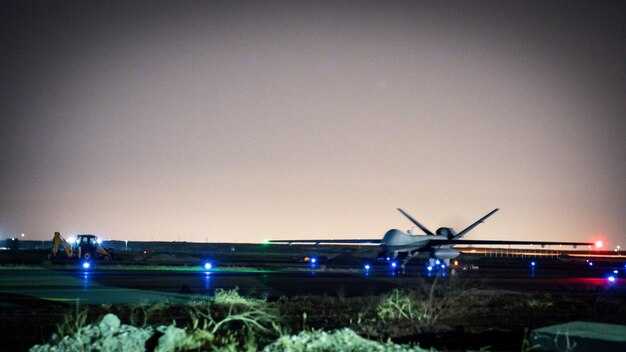
Install at every gate a modular charger system with 1–2 MVA capacity, paired with 2–5 MWh of on-site storage, and adopt smart charging that aligns with real-time grid signals and flight schedules. This setup could cut peak demand, reduce grid stress, and keep turnaround times predictable across airplanes. Engineers across the industry have demonstrated that scalable, interoperable charging can support both electric propulsion tests and routine operations, with power into electrical systems flowing smoothly as batteries recharge between flights. The approach also reduces diesel use on the tarmac and strengthens long-term resilience, supported by formal studies and pilot programs that completed rollout milestones in the last years.
Turnaround times drive practical choices. In a 30–60 minute window, many flights could top up their batteries to meaningful levels, especially when chargers run at 0.5–1.5 MW per aircraft. That rate translates to roughly 0.5–1.5 MWh of energy per hour, making full or partial top-ups feasible for seater and small to midsize airplanes when boards are coordinated with taxi-in and gate operations. Where fleets include larger airframes, partial optimizations plus battery conditioning during idle periods can keep schedule reliability intact while keeping electrical demand manageable.
Grid impacts push airport planners to balance local generation, storage, and interconnection upgrades. A hub with ten gates could see peak uplift in the 10–20 MW range if charging happens without coordination, feeder lines and transformers would face strain. Deploying on-site storage of 2–10 MWh and implementing demand response can shave peaks by 5–15 MW, turning a potentially disruptive spike into a manageable load. A study completed at several pilot airports demonstrated that coordinated, time-shifted charging delivers the strongest gains and reduces volatility across the electrical network. The ንግሥት of these strategies is disciplined scheduling that aligns gate assignments, aircraft type, and charging profiles to the grid’s ኀይል capability.
ቴክኖሎጂዎችና ፈጠራዎች የእነዚህን ዕቅዶች አዋጭነት ያሳድጋሉ። መሃንዲሶችም demonstrated የግፋት እና የኃይል መሙያ ፅንሰ-ሀሳቦችን ጨምሮ፣ x-57 ፊት ለፊት ገፅታ፣ ይህም ከፍተኛ-አሁኑን እንዴት እንደሆነ ያሳውቃል ባትሪታት እና የኃይል ኤሌክትሮኒክስ በጥብቅ እና ረጅም ጊዜ በሚቆዩ ሳጥኖች ውስጥ መስራት ይችላሉ። አራት ዋና ፈጠራዎች ውጤቶችን ያመጣሉ፡ጠንካራ ማቀዝቀዣ ያላቸው ከፍተኛ ኃይል ቻርጀሮች፣, ፕላስቲክ የአየር ማረፊያ ሁኔታዎችን የሚቋቋሙ ማቀፊያዎች፣ የጥቅል ጤንነትን የሚጠብቅ የላቀ የባትሪ አስተዳደር፣ እና የተለያዩ አውሮፕላኖችን የሚደግፉ ተኳሃኝ የኃይል መሙያ መስፈርቶች። እነዚህ ንጥረ ነገሮች በአንድ ላይ ይገፋፋሉ። ኀይል ናይ ሩሩግ ዝኾነ ሓይሊ ኤሌክትሪክ ንቅልጡፍ መመለሻዎች እና ቅንስቅስ ម៉ាស៊ីន እንዳለ ያለ ስራ መሬት ላይ፣ በማድረስ ቅነሳ በልቀትና ጫጫታ።.
ዕቅድ የረዥም ጊዜ ዕይታን ያጎለብታል፡፡ ዓሥራት ዓመታት-ሚዛናዊ የመንገድ ካርታ። የተጠናቀቁ ትንታኔዎች እንደሚያሳዩት ከአራት እስከ ስድስት የሚደርሱ ክልላዊ ማዕከላት በሚቀጥለው ጊዜ ውስጥ ሙሉ የጌት ማሻሻያዎችን ማሳካት ይችላሉ years, ምስ ቀጻሊ ክትትል ዋጋን ጥቕምን ከምኡ'ውን ስግኣት ምግታእ። ኣብ መላእዚ ኣድማስ፣, ጥናቶች ይሕን ምፅያድ ዝዛወር ኣገባብ ምምዕባል የቐልጥፍ፣ ከም ኣውቶቡሳት ዲሲ መሰረተ ልምዓት ምምቓል ይምልእ፣ ከምኡ እውን መዕቀኒ ቮልቴጅ ዝውንኑ ተመሃረይቲ የድግፍ። አውሮፕላኖች ናፍታ ናብ ኤሌክትሪክ መጐዓዝያ ምቕያር። ስለዚ እቲ ነዊሕ ግዜ ዝጸንሕ ስትራተጂ፡ ቀዳማይ ፈተነታት፡ ምምሕያሽ ሞዱላት፡ ከምኡ’ውን ኣብ መንጎ ኣየር ማዕከላት ምትሕግጋዝ ንምስፋሕ ኣትኩሮ ይገብር። ተፈጸመ የሙከራ ፕሮጀክቶችን ወደሚመጥን፣ በከተማ-አቀፍ የኃይል መሙያ መረቦች ለመቀየር።.
ዕውቅና እና ደህንነት፡ ከሙከራ እስከ ንግድ አገልግሎት የጊዜ መስመር
ይጀመርቲት ምድላው መረጋገጽ ካብ መጀመሪያኡ ጀሚርካ ምስ ተቆጻጸርቲ ቀዲምካ ተተሓባበር፤ ነቲ ናይ መጀመርታ ንድፊ ዳታ ፓኬጅ ንደህንነት መወልዲ ሓይሊን ኣተሓሕዛ ባትሪን ኣሰማምዕ። ቅድሚ ናይ መጀመርታ በረራ፣ ምድራዊ ፈተናታትን ትንተና ሓደጋታትን ኣጠናቕቕ፣ ከምኡ’ውን ነቲ ናይ በረራ ፈተና መደብ ዝርዝር መደብ ኣቐምጥ። እኳ’ኳ ዳጉኡ ግዜ እንተሃለወ፣ ንምድንጓይ ንምክልኻል፣ ገና ድሩት መላግቦታት ኣብ መንጎ ምዕራፍ ምህንድስናን ሕጋዊ ምዕራፍን ጽረ።.
የኤሌክትሪክ ኃይል ማመንጫ ልማት የአደጋ መገለጫዎችን ይቀይራል፤ የማረጋገጫው መንገድ ትውልድን፣ የባትሪ ስርዓቶችን፣ የኃይል አስተዳደርን እና የአየር ብቃት ውህደትን ያካትታል። ለአውሮፕላን ኢንጂነሪንግ የጊዜ ሰሌዳው የንድፍ ግምገማዎችን፣ የአካል ክፍሎችን እና የስርዓት ማረጋገጫን እና ከአውሮፓ ባለስልጣናት ዓይነት የምስክር ወረቀት ያካትታል፤ ሎንዶን ከአጭር መስመሮች እና የመቀመጫ ውቅሮች አፈፃፀም ለማረጋገጥ ከአውሮፕላን ነዳጅ ጋር ሲነጻጸርም እንኳ ከአጭር መስመሮች እና የመቀመጫ ውቅሮች አፈፃፀም ለማረጋገጥ ከአውሮፓ ባለስልጣናት ዓይነት የምስክር ወረቀት ያካትታል፤ ሎንዶን ከአጭር መስመሮች እና የመቀመጫ ውቅሮች አፈፃፀም ለማረጋገጥ ከአውሮፓ ባለስልጣናት ዓይነት የምስክር ወረቀት ያካትታል።.
የደህንነት መዝገቦች በጥናት መረጃ እና ውጤቶች ላይ የተመሰረቱ ናቸው፦ የአደጋ ትንተና፣ የውድቀት ሁነታዎች እና የውጤት ትንተና (FMEA)፣ የአስተማማኝነት መረጃ እና የሰዎች-ነክ ማረጋገጫ። የህግ መስፈርቶች የአካል ክፍሎች እና የምርት ስርዓቶች መከታተያነትን ያስገድዳሉ፤ ተቆጣጣሪዎች ጠንካራ የጥራት-አያያዝ ማዕቀፍ እና ሊመረመሩ የሚችሉ መዝገቦችን ይጠብቃሉ። ተቆጣጣሪዎች ከፕሮግራሙ ጋር በተጓዳኝ መገምገም የሚችሉትን ተደጋጋሚ የፍተሻ ውጤቶችን ማምረት ማረጋገጫን ያፋጥናል፣ እና ይህ ዘዴ ፈጣን የምስክር ወረቀት ውሳኔዎችን ሊያቀርብ ይችላል።.
በመተግበሪያው ማረጋገጫ በኋላ፣ አውሮፕላን ማጓጓዣ ተቋማት በአውሮፕላን ማረጋገጫውን ተቀብለው ወደ ንግድ አገልግሎት ይገባሉ። ኦፕሬተሮች በመንገዶች፣ በመነሳት እና በማረፍ ላይ ማሟያ መኖሩን ለማረጋገጥ ከሕግ ባለሙያዎች ጋር ይሰራሉ። ይህ አንድነት በስራ ላይ የሚውልን አደጋ ይቀንሳል። በአሁኑ ጊዜ በአውሮፓ ኔትወርኮች እና በለንደን መንገዶች ላይ የሚደረጉ демонстрации በአጭር ርቀት እና የመቀመጫ አወቃቀሮች ላይ ያለውን የአፈፃፀም መጠን ለመለካት ይረዳሉ። ይህ ለአየር መንገዶች ስለ መቀመጫ መጠጋጋት እና የተሳፋሪ ፍሰት መረጃን ይሰጣል። ቀጣይ ክትትል፣ ከአጋር አየር መንገዶች ጋር መረጃ መለዋወጥ እና የዘመኑ የጥገና እቅዶች ደህንነቱ የተጠበቀ ስራን ይደግፋሉ እንዲሁም ለቀጣዩ ትውልድ ይዘጋጃሉ።.
ኮስቶች፣ ፋይናንሲንግ እና ROI ለአየር መንገዶች እና ኤርፖርቶች
ምክር፡ ኣወንታዊ መኽሰብ ንምርካብ ኣብ ትሕቲ 350 ማይል ርሕቀት ዘለዎም ኣርባዕተ ቐልጣፍ መስመራት፡ ኣብ ቦታውያት ናይ ኤለክትሪክ ኃይሊ መሙላእታ ምስ መንግስታዊ መተባብዒታትን ናይ ጽሬት ገንዘባትን ብምውህሃድ ሓሙሽተ ዓመት ዝወስድ ተኸታታላይ ስርሒት ጀምሩ።.
የኤሌክትሪፊኬሽን ነጠላ የፊት ወጪ መዋቅር በሦስት ክፍሎች ይከፈላል-የፕሮፐልሽን ስርዓት እና የመቆጣጠሪያ ኤሌክትሮኒክስ, የባትሪ ጥቅል እና የመሬት መሠረተ ልማት. የክልላዊ ኤሌክትሪኮች የባትሪ ጥቅሎች በተለምዶ በአንድ ኪሎ ዋት $140–$200 ዶላር ያስወጣሉ, እና የጥቅል መጠኖች በአብዛኛው ከ 200–500 ኪሎ ዋት ለአራት እስከ ሃያ መቀመጫዎች ይደርሳሉ. የማሻሻያ ዘመቻዎች በአጠቃላይ በአንድ አውሮፕላን ከ $1–3 ሚሊዮን ዶላር ያስወጣሉ, አዲስና የታሰበላቸው የኤሌክትሪክ አውሮፕላኖች ጭነት እና የምስክር ወረቀት ከመሰጠታቸው በፊት በአንድ አውሮፕላን እስከ አስር ሚሊዮኖች ዶላር ሊደርሱ ይችላሉ. ለአውሮፕላን ማረፊያዎች ከፍተኛ ኃይል ያላቸው የኃይል መሙያ ጣቢያዎችን መትከል እና አስፈላጊ የፍርግርግ ማሻሻያዎች በአንድ ጣቢያ በግምት ከ $1–2 ሚሊዮን ዶላር ያስወጣሉ, እና አስተማማኝ የኃይል አቅም እና የኃይል ማከማቻ ለማረጋገጥ ሌላ ከ $0.5–2 ሚሊዮን ዶላር ያስፈልጋል. በመላው ስርዓቱ ውስጥ, ጥገና ወጪዎች ጥቂት ተንቀሳቃሽ ክፍሎች በመኖራቸው ምክንያት ከ15–30% ይቀንሳሉ, የነዳጅ ወጪዎች ደግሞ ዜሮ ልቀት በሆኑ ቦታዎች ላይ ይጠፋሉ, ምንም እንኳን የኤሌክትሪክ ዋጋዎች እና የኃይል መሙያ ዑደቶች በረጅም ጊዜ ውስጥ አዲስ ወጪ ጉዳዮችን ይፈጥራሉ. ይህ እውነታ አውታረ መረቡ አቅምን የሚመጥን ሆኖ እንዲቆይ እና በአራት የአጭር ርቀት መስመሮች ላይ ትኩረት እንዲያደርግ በተደረደረ አቀራረብ እነዚህን ወጪዎች መሸፈን አለበት, ይህም አጠቃላይ ኢኮኖሚውን ለመሸፈን ይረዳል. አንድ ነጠላ መድረክ ግዥን, ፋይናንስን እና ስራዎችን በማጣጣም ኢኮኖሚውን ይደግፋል, እና የወሰን ስትራቴጂ ተደጋጋሚ ካፒታል ወጪን ይቀንሳል.
የገንዘብ አማራጮች እዳን፣ ፍትሃዊነትን እና የመንግስት ፈንድን ያዋህዳሉ። የመንግስት ድጋፎች–ገንዘቦች፣ የብድር ዋስትናዎች እና የግብር ማበረታቻዎች–ኢኮኖሚውን የሚቀርጹ ሲሆን፣ አረንጓዴ ቦንዶች እና የኢነርጂ-አፈጻጸም ኮንትራቶች ደግሞ የመጀመሪያ የገንዘብ ጫናን ይቀንሳሉ። በአንድ ማዕከል ውስጥ የተጋራ የኃይል መሙያ አውታረ መረብ ለእያንዳንዱ ኦፕሬተር የሚወጣውን ካፒታል ይቀንሳል፣ እና አንድ ፒፒኤ ወይም በመገልገያ የሚደገፍ ውል ዓመታዊ የኤሌክትሪክ ወጪዎችን በማስተካከል ሊተነበይ የሚችል በጀትን ሊደግፍ ይችላል። ለንደን ጠቃሚ የማጣቀሻ ገበያ ሆና ታገለግላለች፣ ይህም የኤሌክትሪፊኬሽንን የሚደግፉ የፖሊሲ ማዕቀፎች እና ተመሳሳይ እቅዶችን የሚገነቡ በርካታ አየር ማረፊያዎች አሏት። ተንታኞች ቀደምት የሙከራ ፕሮጀክቶች የፋይናንስ ጉዳዩ ወደሚፈለገው ደረጃ መድረሱን ይወስናሉ በማለት አስተያየት ሰጥተዋል፣ እንዲሁም ባለሀብቶች ግልጽ የሆኑ ምዕራፎችን እንደሚፈልጉ ተናግረዋል። ቀደምት ስኬቶች ከደጋፊዎች እና አፋጣኞች ጋር ደወሎችን ያስተጋባሉ፣ የሙከራ ፕሮጀክቶች ዘጋቢ ፊልም ደግሞ ለሂደቱ ግልጽነትን ይሰጣል። በተመሳሳይ ጊዜ፣ እነዚህን እቅዶች ወደፊት መውሰድ የዲሲፕሊን አስተዳደርን የሚጠይቅ ሲሆን፣ የኋላ ቢሮዎች ደግሞ የጊዜ ሰሌዳውን ለማሳካት የሚያስፈልገውን ድጋፍ መስጠት ይችላሉ። የእቃ አበዳሪዎችን መተማመን ለማሻሻል እና ፕሮጀክቱን ለማንቀሳቀስ ኢንቨስትመንቱን በተረጋጋ የገቢ ምንጭ ይደግፉ።.
ROI na timeline: Most operators go expect wan long-term payback, typically 6–12 years depending on route mix, system scale, na electricity price trends. Short-haul legs wey dey under 350 miles with high utilization dey deliver di best ROI because fuel savings na maintenance reductions dey accrue quickly; a four-route model fit reach break-even around year 7 if energy prices remain stable na airport charges dey stay flat. Sensitivity tests dey show say a 10% drop for battery costs or a 15% improvement for energy efficiency fit shorten payback by 2–3 years. A robust model dey cover fuel, maintenance, crew na turnaround time, airport slot penalties, na potential revenue from faster turnovers or quieter nighttime operations. Di long-term goal na to reach zero-emission operations on di most traveled links while maintaining di flexibility to cover distances where airports still dey rely on conventional aircraft. Carriers suppose dey keep track of grams of CO2 wey dem save per passenger-km to quantify environmental ROI alongside financial metrics. Di timeline suppose align with government emissions targets wey dem reach by mid-decade na a realistic plan for gradual expansion across di network.
የተግባር ደረጃዎች፡ የጋራ ኃይል መሙላትን በመጠቀም የአራት መስመር በረራ ሙከራን መደገፍ፣ ከኤሌክትሪክ አውታር ኦፕሬተር ጋር መተባበር፣ እና የባትሪ ዋጋዎች በሚቀያየሩበት ጊዜ የሚያዘምን መረጃን መሰረት ያደረገ የኢንቨስትመንት ተመላሽ ሞዴል መገንባት፡፡ የኃይል አጠቃቀምን፣ በ ግራም የሚለካ የልቀት ቅነሳን እና የፋይናንስ ቁልፍ የአፈጻጸም መለኪያዎችን በእውነተኛ ሰዓት ለመከታተል ክትትልን ማስፋፋት፡፡ ጥገናን ለማቀላጠፍ እና የመለዋወጫ ፍጆታን ለመቀነስ ለአንድ አቅራቢ የኃይል ማመንጫ እና የባትሪ ስልትን መጠቀም፡፡ በተመሳሳይ ጊዜ አየር ማረፊያዎች የአንገት መጨናነቅን ለማስወገድ የኃይል ማከማቻ እና የኤሌክትሪክ አውታር ገደቦችን መቆጣጠር አለባቸው፡፡ ሰራተኞችን እና የጥገና ሰራተኞችን ለኤሌክትሪክ ስርዓቶች ማሰልጠን፣ እና የአየር ማረፊያ ኦፕሬተሮች አሁን ባለው የጊዜ ሰሌዳ ውስጥ ከፍተኛ ፍላጎትን መሸፈን እንደሚችሉ ማረጋገጥ፡፡ እነዚህ ነገሮች በአንድ ላይ ሲሰባሰቡ፣ እቅዱ የጊዜ ገደቡን ተደራሽ በሚያደርግ ግልጽ የህግ እና የፖሊሲ መንገድ በመደገፍ ወደ ተጨማሪ ማዕከላት እና ርቀቶች ሊሰፋ ይችላል፡፡.