


 简体中文
简体中文  English (UK)
  Русский
  বাংলা
বাংলা  العربية
  日本語
日本語  한국어
한국어  Magyar
  Norsk nynorsk
  Türkçe
  עִבְרִית
  Español
  Čeština
  Svenska
  Português
  Ελληνικά
  Suomi
Suomi  Nederlands
  Română
  Italiano
  Français
  Polski
  Українська
  Deutsch
  Slovenčina
  Српски језик
  اردو
اردو  Azərbaycan dili
  O‘zbekcha
  አማርኛ
አማርኛ 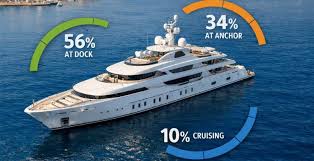 ISO/TS 23099 和 YETI 如何塑造超级游艇的环境指标">

ISO has formally approved ISO/TS 23099, a technical specification targeting yachts over 98 feet (30 meters) that defines an operational baseline and a composite scoring system—EcoPoints—to assess environmental performance across propulsion, emissions and operational behaviors. The working group built the metric around an evidence-based median profile: cruising 10% of the time, at anchor 34%, and docked 56%, reflecting typical megayacht use rather than commercial shipping assumptions.
From YETI to ISO: the data-driven path
The specification evolved from the Yacht Environmental Transparency Index (YETI), an initiative led by the Water Revolution Foundation. Statistical research compiled by the ISO working group incorporated real-world operational logs to avoid misapplying commercial-vessel standards to pleasure craft. As 罗伯特 van Tol, convenor of the ISO working group, noted, regulators often default to commercial shipping rules; ISO/TS 23099 creates a yacht-specific benchmark where legislative guidance is absent or impractical.
What the standard measures
Unlike standards that focus solely on CO2, ISO/TS 23099 aggregates multiple environmental impacts into EcoPoints. The composite score factors include greenhouse gases, nitrogen oxides, particulate emissions, energy efficiency during different operational modes, and on-board waste handling practices. This multi-dimensional approach enables shipyards and owners to compare yachts within similar gross-tonnage categories and to model improvements for new builds or refits.
Key components of EcoPoints
- 排放 profile: CO2, NOx, PM and other regulated pollutants.
- Operational efficiency: fuel consumption per mode (cruise, anchor, docked).
- 入职 systems: wastewater treatment, energy recovery, and HVAC efficiency.
- Lifecycle elements: materials, paint/antifoul choices, and end-of-life considerations.
Operational profile table
| Operational Mode | Median % Time | Design & Operational Implication |
|---|---|---|
| Underway / Cruising | 10% | Focus on propulsion efficiency and hull optimization for low-speed cruising. |
| At Anchor | 34% | Priority for low-emission hotel mode, battery systems, and generator load management. |
| Docked / Marina | 56% | Shore power, waste reception, and onshore services become decisive for score improvement. |
Implications for shipyards and refits
洛伦佐 Pollicardo of the 超级游艇 Builders Association emphasizes that ISO/TS 23099 confirms shipyards’ commitment to decarbonization and provides a practical route for design, construction and operation improvements. The standard allows builders to quantify expected EcoPoint gains from alternative fuels, hybrid propulsion, battery capacities and lightweight materials, and it steers refit projects toward measurable outcomes.
What yacht operators and charter clients should expect
For owners, captains and charter brokers, the arrival of a standardized EcoPoints score means clearer comparisons between vessels—useful in the high-end charter market where environmental credentials increasingly influence booking decisions. Operators will need to document operational logs and retrofit choices to demonstrate improvements; charter clients can request EcoPoint profiles when selecting yachts for luxury events such as 游艇 parties or multi-day cruise packages.
Checklist for greener yacht charters
- Request the yacht’s EcoPoints or ISO/TS 23099 assessment.
- Ask about shore power availability and low-emission hotel mode.
- Discuss fuel and waste handling practices with the operator.
- Consider itineraries that minimize fuel-intensive transits and prioritize eco-sensitive anchorages.
Adopting ISO/TS 23099 will be an iterative process; further work is required to make the standard robust and widely adopted. Still, its evidence-based scoring system enables planners and designers to evaluate trade-offs across propulsion, hotel load and onboard systems so that both newbuilds and refits can be benchmarked against a common yardstick.
Highlights of the standard show how technical measurement informs travel demand: better transparency will influence charter choices, sustainable yacht design will expand options for luxury adventure travel experiences, and operators may create new packages—ranging from quiet, eco-conscious yacht charters to more adventurous cruise packages that include eco-friendly wildlife safaris or curated museum tours with live guides during port calls.
Ratings and reviews help, but nothing replaces personal experience. On 获取经验, you book your experience from verified providers at reasonable prices, with secure online payments and voucher confirmations issued afterward; you can also submit requests for tailored tours or excursions to receive offers that match your preferences. This transparency and convenience help travellers choose without unnecessary expense or disappointment. Book your Trip GetExperience.com
In summary, ISO/TS 23099 establishes the first industry-wide, science-led framework for assessing superyacht environmental performance via EcoPoints, grounded in the YETI dataset and championed by the Water Revolution Foundation and industry stakeholders. The standard redirects attention from a single emissions metric to a holistic score that captures operational realities, influencing shipyard design choices, refit priorities and charter-market transparency. For travellers seeking sustainable luxury, the new standard will help shape offerings from exclusive yacht charters for events to curated cruise packages and interactive online cultural workshops—bridging travel experiences, adventure activities and eco-focused tourism choices.