


 简体中文
简体中文  English (UK)
  Русский
  বাংলা
বাংলা  العربية
  日本語
日本語  한국어
한국어  Magyar
  Norsk nynorsk
  Türkçe
  עִבְרִית
  Español
  Čeština
  Svenska
  Português
  Ελληνικά
  Suomi
Suomi  Nederlands
  Română
  Italiano
  Français
  Polski
  Українська
  Deutsch
  Slovenčina
  Српски језик
  اردو
اردو  Azərbaycan dili
  O‘zbekcha
  አማርኛ
አማርኛ 
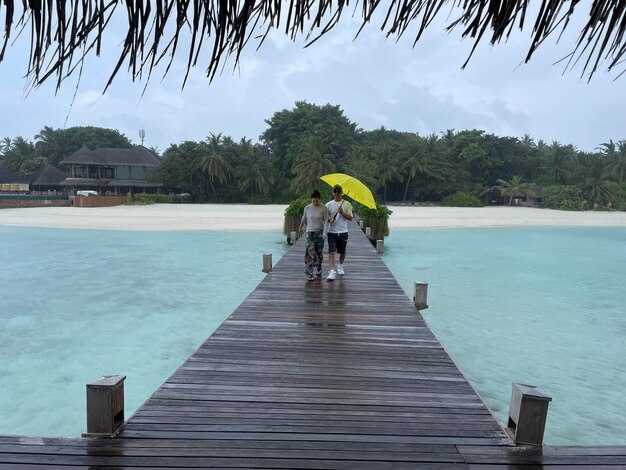
Go for a Maldives trip if you crave palm-fringed lagoons and exquisite overwater villas; this is the ultimate escape for serenity and sun. Target a 5–7 night stay to balance travel time and island pace. For the best conditions, pick a date window in the dry season–typically November through April–so you enjoy full sunshine and calm seas. Somewhere between luxury and nature, this destination offers a clear contrast to crowded mainland resorts; this would help you plan your days.
On the ground, resorts deliver full facilities such as reef-safe snorkeling gear, private pools, and in-villa dining. You can encounter manta rays or whale sharks on a guided day trip, and many properties arrange moon-lit dinners on a private sandbank. Expect world-class 服务,, exquisite cuisine, and a tone of luxury that keeps your day-to-day experience full of small touches.
Costs run high: even mid-range rooms push up nightly rates, and seaplane transfers can add hundreds per person. Movement between atolls is common, with speedboats or domestic flights taking you from Malé to scattered islands, so plan travel time into your date plans. The Maldives is a muslim country, so alcohol and pork stay restricted on non-resorts; non-muslims can drink inside licensed resorts. On local islands, modest attire and restrained nightlife are expected.
Money matters: currency is the Maldivian rufiyaa (MVR), but USD is widely accepted in resorts; typical exchange rates around 15 MVR per USD at the airport. Prices taken from major operators in late 2024 show a range of around $600–$1,200 per night for standard reef-view villas in peak season. Book with an option that includes airport transfers to avoid surprises; many packages include meals or activities. For logistics, Malé International Airport serves as the gateway; speedboats reach central atolls in 30–90 minutes, while seaplanes connect to more remote hotel clusters.
Bottom line: if private time on turquoise water, sunset hues, and high-touch service appeal to you, the Maldives can deliver a remarkable escape. Choose an island with solid dive and snorkeling facilities, stay long enough to unwind, and budget for a few internal flights or speedboat hops. This approach yields a balanced itinerary that satisfies both relaxation and exploration.
Is Traveling to the Maldives Worth It? A Practical Breakdown
Yes. In the maldives, you’ll find pristine lagoons, sand between your toes, and smooth transfers between atolls. With a focused plan, you’ll keep costs predictable and your days filled with standout experiences.
Costs vary by island type. A mid-range guesthouse typically runs 150-250 per night, while luxury resorts begin around 600-1200. Domestic transfers by boat or seaplane add 50-400 per person, depending on distance and mode. Flights into Male from Europe or Asia can push total trip costs higher, so book early and look for multi-island packages to keep transfers efficient. Spa treatments, dining, and water activities add to the total, but you can save by choosing local guesthouses and longer stays. If you havent traveled to this region, expect a different pace and service style on land and water.
Monsoon patterns shape the best windows. November through April offer calmer seas and clearer snorkeling, while May through October bring brief showers and stronger winds. Plan around a window that suits your comfort level, and use local island stays to balance luxury with everyday access to budget-friendly meals and activities.
To make the most of your visit, consider mixing a stay on a local island with 1–2 nights in a resort for treatments and relaxation. This approach gives you the positive sense of variety that different options provide, while keeping your mind focused on the highlights such as reef snorkeling, boat transfers, and sunset moments. Keep your cards handy for larger expenses and carry some cash for small shops and boat transfers. If you land on a local island, you’ll actually experience everyday life, meet friendly guests, and see how the community keeps the island vibrant without losing its charm.
| Aspect | What to know | Tips |
|---|---|---|
| 天气 | Monsoon affects seas and rain; dry spells peak Nov–Apr | Target a window with fewer showers; pack light rain gear and reef-safe sunscreen |
| 成本 | Stays range from ~150–250 on local islands; luxury can start 600–1200+ per night | Book transfers in advance; consider a two-island plan to keep costs predictable |
| Transfers | Boat is cheaper and slower; seaplane is faster but pricier | Check timing with your hotel; coordinate arrival and departure to minimize waiting |
| 活动 | Snorkeling, sand-bar visits, spa treatments, and boat trips | Choose reef-safe sunscreen; join a guided snorkeling session for best spots |
| Payments | Cards are widely accepted at resorts; carry cash on local islands | Have a small budget for island snacks and small gifts |
Flight routes, visa steps, and transfer options from the airport to your island
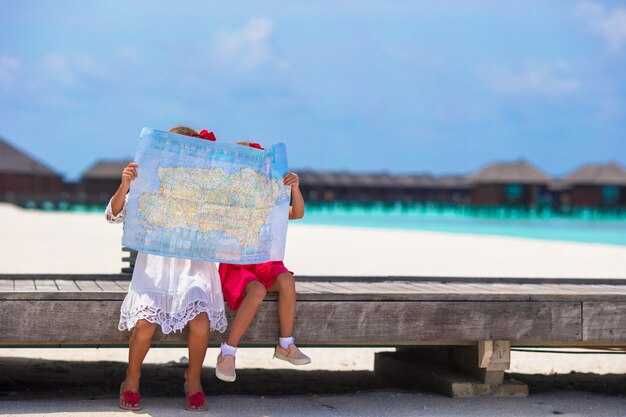
Book a seaplane transfer from Velana International Airport (MLE) to furaveri or hadahaa as soon as your booking is confirmed; it’s the best way to reach your island and starts your stay with stunning palm-lined views and shallow turquoise lagoons. The resort desk coordinates the timing, and you’ll be met at the seaplane dock or the island jetty for a smooth handoff.
Flight routes: From Malé, two common paths exist to island resorts–direct seaplane to your island or a two-step route via a domestic airstrip plus a short speedboat. Seaplane legs typically run 20–40 minutes and deliver spectacular overhead views of reef, sandbanks, and tiny islets around the next-door atolls. For furaveri, the direct seaplane option is often available, while hadahaa guests may follow a domestic flight to a nearby airstrip and a 30–60 minute boat ride. Guests arriving from around the world usually benefit from the fastest arrangements being coordinated by the resort.
Visa steps: Most nationalities receive a 30-day tourist visa on arrival, provided your passport remains valid for six months beyond your stay, you have a return or onward ticket, and a confirmed hotel booking. Have the hotel name and address ready; immigration will stamp your passport and direct you toward the transfer area. If youre muslim, you’ll find prayer spaces at major resorts and the airport, with quiet options near the lounges and rooms.
Transfer options and timing: Seaplanes operate only in daylight, so plan your arrival to fall within morning or early afternoon windows. If you land late, arrange an overnight stay in Malé and join the next morning transfer. Furaveri and hadahaa typically offer a single desk to coordinate the final leg, whether by boat or a short seaplane hop. Your room assignment and the dock contact appear on the welcome board; keep the numbers handy in case of delays.
Practical tips: Pack light for the final leg, since transfers move through stairs and small boats. If youre collecting starpoints or using travel cards, check eligibility for the flight segment and the transfer. Choose a room with direct water access or an estate-style option for ample space and exquisite views, especially on hadahaa and furaveri. Consider visiting a next-door island for a half-day excursion using shared transfer boats that run along the atolls. In shallow lagoons alongside palm-fringed shores, you can settle quickly between legs; store critical numbers in your phone or cards to avoid getting lost in the rush of arrivals.
Choose your stay: overwater villas, beach resorts, or local guesthouses
Recommendation: base your Maldives stay on overwater villas; they provide direct lagoon access, uninterrupted water views, and a world-class sense of privacy that makes the right choice for traveling across atolls, delivering incredible impressions.
Overwater villas come with sun decks, glass floors to watch reef life, and often a private pool. In peak season a luxury water villa can run 1500–3000 USD per night; off-season rates around 700–1200 USD are common. On furaveri, you’ll find lagoon-facing suites that blend land comforts with water access, made to keep guests close to the lagoon, and a hideaway feel when you’re out on the pier at dusk.
Beach resorts sit between the intimacy of a villa and the breadth of a resort; you land on a broad beachfront, with multiple restaurants, kids’ clubs, and world-class spa facilities. Prices range from 500–1500 USD per night on mid-range properties, with premium beach villas reaching 1500–2500 USD. Doing island-hopping between beach zones offers flexibility, and eventually you’ll see which pace fits you best.
Local guesthouses on inhabited islands offer the most affordable entry and a chance to observe daily life, craft markets, and sea salt production. Rates typically range from 60–150 USD per night, often including breakfast. These stays concentrate on land-based interaction, while island hopping is done by public ferry or speedboat–between two to four hours total for popular routes–and you’ll notice a closer cadence to the Maldivian everyday.
Tips to decide: if you want to earn starpoints, align with properties that honor the program; traveling with a tight budget? local guesthouses win on cost. If you want a memorable hideaway, base yourself on a private island with a quiet lagoon; bring reef-safe sunscreen, dry bags, and a compact snorkel set for daily exploration. For balance, plan a multi-stop itinerary across atolls and swap styles on another island, particularly to compare pace between land and water experiences and keep your mind open.
Budget blueprint: lodging, meals, activities, and unexpected costs
Book a Maldivian guesthouse on a local island with breakfast included to keep lodging under 100 USD per night. This base provides warm, welcoming service and easy access to nearby places for cheaper meals. This approach gives you the best chance to create memories without overspending, and you can rely on the feedback from travelers who chose local stays to keep costs clear.
Expect 60–120 USD per night for a double room on a local island, depending on the island, season, and inclusions like air conditioning or hot water. In addition, during the monsoon period you may find rates closer to 40–80 USD, but availability tightens. Reserve a room well ahead during school holidays or peak weekends to avoid sold-out options and last-minute surcharges.
Meals hinge on choosing a local restaurant rather than resort dining. Local restaurant prices typically run 3–8 USD per dish; a couple can eat well for 20–40 USD per day on two meals plus snacks. For fasting periods, some places adjust hours, so check ahead and plan pockets of time when open. Using markets and small cafés nearby helps you sample authentic flavors without heavy costs, and you can always supplement with bottled water from stalls to stay hydrated on a budget.
Transfers shape the total quickly. From Male to nearby inhabited islands, a public ferry or shared speedboat can cost 5–20 USD per person, while longer hops and private transfers spike to 50–150 USD per person. For a true budget stay, center your base on a local island and limit expensive transfers to a single, planned excursion. This keeps the getaway flexible and clear from the outset, and you’ll avoid surprise charges when you reach your room.
Activities offer value when you mix free options with guided experiences. Bring your own snorkeling gear if possible (5–10 USD per day to rent locally), and book simple lagoon or reef snorkeling trips for 25–60 USD per person. Dolphin-watching or sandbank trips run 30–100 USD. Look for guesthouses that organize open-water days, which can reduce overall costs while delivering award-worthy memories and better views of the lagoon and surrounding destinations.
Plan for unexpected costs by reserving a cushion of 10–15% of your total budget. Taxes, service charges, and local levies may apply, and some islands add modest surcharges for late arrivals or late check-out. Carry a small amount of cash for markets and small vendors, and keep a separate fund for transfers if you decide on a spontaneous day trip. Check garbage-management practices at each stay; choosing a place with clear, responsible waste handling saves trouble and supports clean, open beaches for your point of view when you walk the shore and reflect on the memories you collect during this best-known Maldivian getaway.
Best timing: weather, snorkeling visibility, and crowd levels by season
January and February offer the best balance of sun, warm water, and moderate crowds. Reserve rooms and dining slots on popular islands and islets near Malé well in advance. The indian Ocean backdrop adds long sunny days and warm seas, ideal for a swim and sunset dinners.
- Dry season: November–April
- Weather: long sunny spells; minimal rain; daytime highs around 29–32°C; nights breezy.
- Snorkeling visibility: pristine lagoons; commonly 20–40m; water stays 27–29°C; best near reefs around island groups and islets.
- Crowds: peak around holidays; cruise ships visit Malé and nearby atolls; popular rooms fill quickly; for a quieter experience, choose less visited islands or remote fringes; dining options on many islands offer memorable dinners.
- Shoulder season: May and October
- 天气:温暖潮湿;偶有阵雨;海水仍适合游泳。.
- 浮潜能见度:仍然良好,通常为 15–25 米;水流不定;上午通常平静,能见度好。.
- 人群:低于高峰期;更多优惠;可能会有船只参观,但不如高峰期频繁。.
- 雨季:六月至九月
- 天气:频繁降雨,湿度较高,海面风浪较大;部分日子水况较差。.
- 浮潜能见度:不定;可能出现更清晰的日子,雨后通常为 10–20 米;早晨通常更平静,适合游泳。.
- 人群:最安静的时期;非常适合私人房间和灵活用餐;酒店通常提供更优惠的价格和套餐。.
为了平衡行程,可以考虑入住客房分布在几个小岛上的岛屿群;在那里,您会发现美丽的餐饮选择和没有船只的清晨。如果您想要特别的东西,可以寻找提供水边Spa护理和餐饮体验的度假村。在这里的某个地方,您可以享受漫长而阳光明媚的一天、平静的游泳,以及在星空下令人难忘的晚餐。.
转运和交通:跳岛游、快艇及安全提示
预订度假村安排的快艇接送服务,让您的马尔代夫之旅拥有最快速、最可预测的完美开端。. 抵达像这样的偏远环礁 沃穆利 当您的交通由酒店协调时,前往其他天堂般景点的旅程效果最佳,这样可以避免在马累码头长时间等待,也能避开大风天气下的狂风巨浪。这种方式能确保您的跳岛游计划顺利进行,当您靠近棕榈成荫的岛屿时,也会感觉地平线更近了。.
快艇可在大约 20-60 分钟内完成短途旅行,具体时间取决于距离。从马累到例如以下 Dhaalu Atoll 的度假村: 沃穆利 或其他较远的地方,水上行程预计 60–90 分钟;更远的枢纽可能需要 2–3 小时。水上飞机可将时间缩短至 15–35 分钟,但价格更高。此外,一些酒店提供组合选择:国内航班加上 20–40 分钟的快艇,这样可以节省时间。请确认您的房价是否包含接送服务,以及是否可以用当地货币或银行卡支付。接送方式决定了您一天的节奏,并让您更灵活地根据您的计划安排抵达时间。.
安全提示:乘坐快艇时请穿戴救生衣,握紧扶手,并保持行李轻便以避免超载;务必听从船员指示。如海面平静,接驳将顺利进行;如海面变得波涛汹涌,运营可能会延误或改道。公共接驳船上禁止饮酒;在度假村的船只上您将有选择,但请尊重当地规定。切勿将垃圾丢入海中;使用指定的垃圾箱并带走您带来的物品。这种自律可以保护珊瑚礁,并确保在这些航线上,无论是在有人居住的还是无人居住的小岛上,服务始终保持平静和高效。.
换乘日的实用提示:带上足够的防晒霜和一件薄外套,外加一个防水袋装贵重物品。在船上,把你的货币和银行卡放在手边;有些运营商只接受现金,另一些则接受银行卡。轻装上阵——你需要空间来放置浮潜装备和从你参观的地点购买的任何东西。如果你要去水上别墅,当船接近码头时,找好位置观看地平线,那里有棕榈树成荫的海岸和世界一流的服务迎接你。这些时刻为轻松的住宿定下基调,即使你远离家乡,也能帮助你感到宾至如归。如果你去了 沃穆利 或另一个度假村,您已经安排了顺畅的交通,让您充满信心和轻松地探索这些地方。安顿好之后,直接从甲板上浮潜,并在您的马尔代夫之旅中重温这些回忆。.