


 Ελληνικά
  English (UK)
  Русский
  বাংলা
বাংলা  العربية
  日本語
日本語  한국어
한국어  Magyar
  Norsk nynorsk
  Türkçe
  עִבְרִית
  Español
  Čeština
  Svenska
  Português
  Suomi
Suomi  Nederlands
  Română
  Italiano
  Français
  Polski
  Українська
  Deutsch
  简体中文
简体中文  Slovenčina
  Српски језик
  اردو
اردو  Azərbaycan dili
  O‘zbekcha
  አማርኛ
አማርኛ 
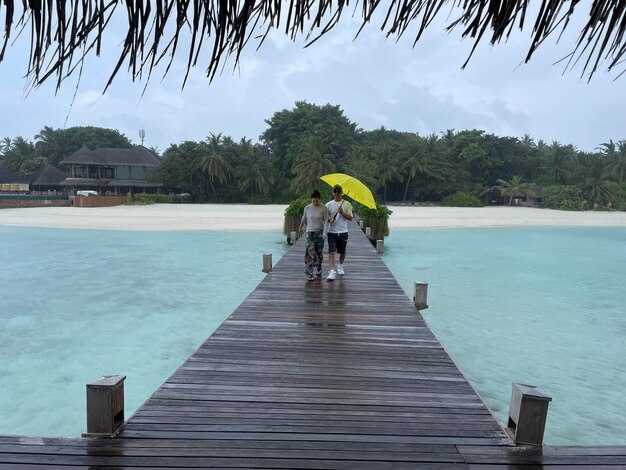
Go for a Maldives trip if you crave palm-fringed lagoons and exquisite overwater villas; this is the ultimate escape for serenity and sun. Target a 5–7 night stay to balance travel time and island pace. For the best conditions, pick a date window in the dry season–typically November through April–so you enjoy full sunshine and calm seas. Somewhere between luxury and nature, this destination offers a clear contrast to crowded mainland resorts; this would help you plan your days.
On the ground, resorts deliver full facilities such as reef-safe snorkeling gear, private pools, and in-villa dining. You can encounter manta rays or whale sharks on a guided day trip, and many properties arrange moon-lit dinners on a private sandbank. Expect world-class service, exquisite cuisine, and a tone of luxury that keeps your day-to-day experience full of small touches.
Costs run high: even mid-range rooms push up nightly rates, and seaplane transfers can add hundreds per person. Movement between atolls is common, with speedboats or domestic flights taking you from Malé to scattered islands, so plan travel time into your date plans. The Maldives is a muslim country, so alcohol and pork stay restricted on non-resorts; non-muslims can drink inside licensed resorts. On local islands, modest attire and restrained nightlife are expected.
Money matters: currency is the Maldivian rufiyaa (MVR), but USD is widely accepted in resorts; typical exchange rates around 15 MVR per USD at the airport. Prices taken from major operators in late 2024 show a range of around $600–$1,200 per night for standard reef-view villas in peak season. Book with an option that includes airport transfers to avoid surprises; many packages include meals or activities. For logistics, Malé International Airport serves as the gateway; speedboats reach central atolls in 30–90 minutes, while seaplanes connect to more remote hotel clusters.
Bottom line: if private time on turquoise water, sunset hues, and high-touch service appeal to you, the Maldives can deliver a remarkable escape. Choose an island with solid dive and snorkeling facilities, stay long enough to unwind, and budget for a few internal flights or speedboat hops. This approach yields a balanced itinerary that satisfies both relaxation and exploration.
Is Traveling to the Maldives Worth It? A Practical Breakdown
Yes. In the maldives, you’ll find pristine lagoons, sand between your toes, and smooth transfers between atolls. With a focused plan, you’ll keep costs predictable and your days filled with standout experiences.
Costs vary by island type. A mid-range guesthouse typically runs 150-250 per night, while luxury resorts begin around 600-1200. Domestic transfers by boat or seaplane add 50-400 per person, depending on distance and mode. Flights into Male from Europe or Asia can push total trip costs higher, so book early and look for multi-island packages to keep transfers efficient. Spa treatments, dining, and water activities add to the total, but you can save by choosing local guesthouses and longer stays. If you havent traveled to this region, expect a different pace and service style on land and water.
Monsoon patterns shape the best windows. November through April offer calmer seas and clearer snorkeling, while May through October bring brief showers and stronger winds. Plan around a window that suits your comfort level, and use local island stays to balance luxury with everyday access to budget-friendly meals and activities.
To make the most of your visit, consider mixing a stay on a local island with 1–2 nights in a resort for treatments and relaxation. This approach gives you the positive sense of variety that different options provide, while keeping your mind focused on the highlights such as reef snorkeling, boat transfers, and sunset moments. Keep your cards handy for larger expenses and carry some cash for small shops and boat transfers. If you land on a local island, you’ll actually experience everyday life, meet friendly guests, and see how the community keeps the island vibrant without losing its charm.
| Aspect | Τι πρέπει να γνωρίζετε | Συμβουλές |
|---|---|---|
| Weather | Monsoon affects seas and rain; dry spells peak Nov–Apr | Target a window with fewer showers; pack light rain gear and reef-safe sunscreen |
| Costs | Stays range from ~150–250 on local islands; luxury can start 600–1200+ per night | Book transfers in advance; consider a two-island plan to keep costs predictable |
| Μεταφορές | Boat is cheaper and slower; seaplane is faster but pricier | Check timing with your hotel; coordinate arrival and departure to minimize waiting |
| Δραστηριότητες | Snorkeling, sand-bar visits, spa treatments, and boat trips | Choose reef-safe sunscreen; join a guided snorkeling session for best spots |
| Payments | Cards are widely accepted at resorts; carry cash on local islands | Have a small budget for island snacks and small gifts |
Flight routes, visa steps, and transfer options from the airport to your island
Book a seaplane transfer from Velana International Airport (MLE) to furaveri or hadahaa as soon as your booking is confirmed; it’s the best way to reach your island and starts your stay with stunning palm-lined views and shallow turquoise lagoons. The resort desk coordinates the timing, and you’ll be met at the seaplane dock or the island jetty for a smooth handoff.
Flight routes: From Malé, two common paths exist to island resorts–direct seaplane to your island or a two-step route via a domestic airstrip plus a short speedboat. Seaplane legs typically run 20–40 minutes and deliver spectacular overhead views of reef, sandbanks, and tiny islets around the next-door atolls. For furaveri, the direct seaplane option is often available, while hadahaa guests may follow a domestic flight to a nearby airstrip and a 30–60 minute boat ride. Guests arriving from around the world usually benefit from the fastest arrangements being coordinated by the resort.
Visa steps: Most nationalities receive a 30-day tourist visa on arrival, provided your passport remains valid for six months beyond your stay, you have a return or onward ticket, and a confirmed hotel booking. Have the hotel name and address ready; immigration will stamp your passport and direct you toward the transfer area. If youre muslim, you’ll find prayer spaces at major resorts and the airport, with quiet options near the lounges and rooms.
Transfer options and timing: Seaplanes operate only in daylight, so plan your arrival to fall within morning or early afternoon windows. If you land late, arrange an overnight stay in Malé and join the next morning transfer. Furaveri and hadahaa typically offer a single desk to coordinate the final leg, whether by boat or a short seaplane hop. Your room assignment and the dock contact appear on the welcome board; keep the numbers handy in case of delays.
Practical tips: Pack light for the final leg, since transfers move through stairs and small boats. If youre collecting starpoints or using travel cards, check eligibility for the flight segment and the transfer. Choose a room with direct water access or an estate-style option for ample space and exquisite views, especially on hadahaa and furaveri. Consider visiting a next-door island for a half-day excursion using shared transfer boats that run along the atolls. In shallow lagoons alongside palm-fringed shores, you can settle quickly between legs; store critical numbers in your phone or cards to avoid getting lost in the rush of arrivals.
Choose your stay: overwater villas, beach resorts, or local guesthouses
Recommendation: base your Maldives stay on overwater villas; they provide direct lagoon access, uninterrupted water views, and a world-class sense of privacy that makes the right choice for traveling across atolls, delivering incredible impressions.
Overwater villas come with sun decks, glass floors to watch reef life, and often a private pool. In peak season a luxury water villa can run 1500–3000 USD per night; off-season rates around 700–1200 USD are common. On furaveri, you’ll find lagoon-facing suites that blend land comforts with water access, made to keep guests close to the lagoon, and a hideaway feel when you’re out on the pier at dusk.
Beach resorts sit between the intimacy of a villa and the breadth of a resort; you land on a broad beachfront, with multiple restaurants, kids’ clubs, and world-class spa facilities. Prices range from 500–1500 USD per night on mid-range properties, with premium beach villas reaching 1500–2500 USD. Doing island-hopping between beach zones offers flexibility, and eventually you’ll see which pace fits you best.
Local guesthouses on inhabited islands offer the most affordable entry and a chance to observe daily life, craft markets, and sea salt production. Rates typically range from 60–150 USD per night, often including breakfast. These stays concentrate on land-based interaction, while island hopping is done by public ferry or speedboat–between two to four hours total for popular routes–and you’ll notice a closer cadence to the Maldivian everyday.
Tips to decide: if you want to earn starpoints, align with properties that honor the program; traveling with a tight budget? local guesthouses win on cost. If you want a memorable hideaway, base yourself on a private island with a quiet lagoon; bring reef-safe sunscreen, dry bags, and a compact snorkel set for daily exploration. For balance, plan a multi-stop itinerary across atolls and swap styles on another island, particularly to compare pace between land and water experiences and keep your mind open.
Budget blueprint: lodging, meals, activities, and unexpected costs
Book a Maldivian guesthouse on a local island with breakfast included to keep lodging under 100 USD per night. This base provides warm, welcoming service and easy access to nearby places for cheaper meals. This approach gives you the best chance to create memories without overspending, and you can rely on the feedback from travelers who chose local stays to keep costs clear.
Expect 60–120 USD per night for a double room on a local island, depending on the island, season, and inclusions like air conditioning or hot water. In addition, during the monsoon period you may find rates closer to 40–80 USD, but availability tightens. Reserve a room well ahead during school holidays or peak weekends to avoid sold-out options and last-minute surcharges.
Meals hinge on choosing a local restaurant rather than resort dining. Local restaurant prices typically run 3–8 USD per dish; a couple can eat well for 20–40 USD per day on two meals plus snacks. For fasting periods, some places adjust hours, so check ahead and plan pockets of time when open. Using markets and small cafés nearby helps you sample authentic flavors without heavy costs, and you can always supplement with bottled water from stalls to stay hydrated on a budget.
Transfers shape the total quickly. From Male to nearby inhabited islands, a public ferry or shared speedboat can cost 5–20 USD per person, while longer hops and private transfers spike to 50–150 USD per person. For a true budget stay, center your base on a local island and limit expensive transfers to a single, planned excursion. This keeps the getaway flexible and clear from the outset, and you’ll avoid surprise charges when you reach your room.
Activities offer value when you mix free options with guided experiences. Bring your own snorkeling gear if possible (5–10 USD per day to rent locally), and book simple lagoon or reef snorkeling trips for 25–60 USD per person. Dolphin-watching or sandbank trips run 30–100 USD. Look for guesthouses that organize open-water days, which can reduce overall costs while delivering award-worthy memories and better views of the lagoon and surrounding destinations.
Plan for unexpected costs by reserving a cushion of 10–15% of your total budget. Taxes, service charges, and local levies may apply, and some islands add modest surcharges for late arrivals or late check-out. Carry a small amount of cash for markets and small vendors, and keep a separate fund for transfers if you decide on a spontaneous day trip. Check garbage-management practices at each stay; choosing a place with clear, responsible waste handling saves trouble and supports clean, open beaches for your point of view when you walk the shore and reflect on the memories you collect during this best-known Maldivian getaway.
Best timing: weather, snorkeling visibility, and crowd levels by season
January and February offer the best balance of sun, warm water, and moderate crowds. Reserve rooms and dining slots on popular islands and islets near Malé well in advance. The indian Ocean backdrop adds long sunny days and warm seas, ideal for a swim and sunset dinners.
- Dry season: November–April
- Weather: long sunny spells; minimal rain; daytime highs around 29–32°C; nights breezy.
- Snorkeling visibility: pristine lagoons; commonly 20–40m; water stays 27–29°C; best near reefs around island groups and islets.
- Crowds: peak around holidays; cruise ships visit Malé and nearby atolls; popular rooms fill quickly; for a quieter experience, choose less visited islands or remote fringes; dining options on many islands offer memorable dinners.
- Shoulder season: May and October
- Καιρός: θερμές, υγρές ημέρες· περιστασιακές βροχοπτώσεις· η θάλασσα παραμένει ευχάριστη για κολύμπι.
- Ορατότητα κατά την κολύμβηση με αναπνευστήρα: ακόμα καλή, συνήθως 15–25 μέτρα. Τα ρεύματα ποικίλλουν. Τα πρωινά είναι συχνά ήρεμα για καλή ορατότητα.
- Κόσμος: λιγότερος από την περίοδο αιχμής· καλύτερες προσφορές· ενδέχεται να πραγματοποιηθούν κάποιες επισκέψεις πλοίων, όχι τόσο συχνά όσο τις εβδομάδες αιχμής.
- Εποχή των βροχών: Ιούνιος–Σεπτέμβριος
- Καιρός: συχνές βροχές, αυξημένη υγρασία, θυελλώδεις θάλασσες· μερικές ημέρες πιο άγρια νερά.
- Ορατότητα κατά την κολύμβηση με αναπνευστήρα: μεταβλητή· πιθανές πιο καθαρές μέρες, συνήθως 10–20 μέτρα μετά από βροχή· τα πρωινά είναι συνήθως πιο ήρεμα για κολύμπι.
- Κοσμοπλημμύρα: η πιο ήσυχη περίοδος. Ιδανική για ιδιωτικούς χώρους και ευέλικτο φαγητό. Τα ξενοδοχεία συχνά προσφέρουν καλύτερες τιμές και πακέτα.
Για ένα ισορροπημένο δρομολόγιο, σκεφτείτε μια διαμονή σε ένα νησιωτικό σύμπλεγμα όπου τα δωμάτια είναι διάσπαρτα σε πολλά νησάκια. θα βρείτε όμορφες επιλογές για φαγητό και πρωινά χωρίς πλοία. Εάν θέλετε κάτι ιδιαίτερο, αναζητήστε ένα θέρετρο που προσφέρει περιποιήσεις σπα και γευστικές εμπειρίες κοντά στο νερό. Κάπου εδώ, μπορείτε να απολαύσετε μια μεγάλη, ηλιόλουστη μέρα, ένα ήρεμο μπάνιο και ένα αξέχαστο δείπνο κάτω από τα αστέρια.
Μεταφορές και μετακινήσεις: μετακινήσεις από νησί σε νησί, ταχύπλοα και υπενθυμίσεις ασφαλείας
Κλείστε μια μεταφορά με ταχύπλοο που οργανώνει το θέρετρο για την πιο γρήγορη και προβλέψιμη έναρξη της διαμονής σας στις Μαλδίβες. Πρόσβαση σε απομακρυσμένες ατόλλες όπως Βόμμουλι και άλλα παραδεισένια μέρη λειτουργεί καλύτερα όταν η μεταφορά σας συντονίζεται από το ξενοδοχείο σας, αποφεύγοντας τις μεγάλες αναμονές στην προβλήτα του Μαλέ και τις φουρτουνιασμένες θάλασσες σε μια θυελλώδη ημέρα. Αυτή η προσέγγιση διατηρεί τα σχέδιά σας σε καλό δρόμο για island hopping και κάνει τον ορίζοντα να φαίνεται πιο κοντά καθώς πλησιάζετε τα νησιά με τις φοινικόφυτες ακτές.
Τα ταχύπλοα καλύπτουν μικρές αποστάσεις σε περίπου 20–60 λεπτά, ανάλογα με την απόσταση. Από το Μαλέ προς θέρετρα στην Ατόλλη Ντααλού όπως τα Βόμμουλι ή άλλους απομακρυσμένους προορισμούς, υπολογίστε 60–90 λεπτά στη θάλασσα. Οι πιο μακρινοί κόμβοι ενδέχεται να διαρκέσουν 2–3 ώρες. Τα υδροπλάνα μειώνουν τον χρόνο σε 15–35 λεπτά, αλλά έχουν υψηλότερο κόστος. Επιπλέον, ορισμένα καταλύματα προσφέρουν μια συνδυασμένη επιλογή: μια εσωτερική πτήση συν μια διαδρομή με ταχύπλοο 20–40 λεπτών, η οποία μπορεί να εξοικονομήσει χρόνο. Ελέγξτε εάν οι μεταφορές περιλαμβάνονται στην τιμή σας και εάν μπορείτε να πληρώσετε σε τοπικό νόμισμα ή με κάρτες. Η επιλογή μεταφοράς καθορίζει τον ρυθμό της ημέρας σας και σας δίνει μεγαλύτερη ευελιξία να προσαρμόσετε τις αφίξεις στα σχέδιά σας.
Υπενθυμίσεις ασφαλείας: φορέστε σωσίβια στις ταχύπλοες λέμβους, κρατηθείτε από τα κιγκλιδώματα και κρατήστε τις αποσκευές ελαφριές για να αποφύγετε την υπερφόρτωση. να ακολουθείτε πάντα τις οδηγίες του πληρώματος. Εάν η θάλασσα είναι ήρεμη, οι μεταφορές γίνονται ομαλά, εάν η θάλασσα είναι τρικυμιώδης, οι εργασίες ενδέχεται να καθυστερήσουν ή να εκτραπούν. Η κατανάλωση αλκοόλ περιορίζεται στις δημόσιες μεταφορές. στα σκάφη των θέρετρων θα έχετε επιλογές, αλλά σεβαστείτε τους τοπικούς κανόνες. Μην πετάτε ποτέ σκουπίδια στη θάλασσα. χρησιμοποιήστε τους καθορισμένους κάδους και μαζέψτε ό,τι φέρετε μαζί σας. Αυτή η πειθαρχία προστατεύει τους υφάλους και διασφαλίζει ότι η υπηρεσία παραμένει ήρεμη και αποτελεσματική για όλους σε αυτές τις διαδρομές, σε κατοικημένα και ακατοίκητα νησάκια.
Πρακτικές συμβουλές για την ημέρα της μεταφοράς: φέρτε αρκετό αντηλιακό και ένα ελαφρύ μπουφάν, καθώς και μια αδιάβροχη τσάντα για τιμαλφή. Επί του σκάφους, να έχετε πρόχειρα τα χρήματα και τις κάρτες σας. Κάποιοι χειριστές δέχονται μόνο μετρητά, άλλοι δέχονται κάρτες. Πακετάρετε ελαφρά – θα χρειαστείτε χώρο για εξοπλισμό ψαροντούφεκου και τυχόν αγορές από μέρη που θα επισκεφθείτε. Εάν κατευθύνεστε σε μια υπερθαλάσσια βίλα, τοποθετηθείτε ώστε να παρακολουθείτε τον ορίζοντα καθώς το σκάφος πλησιάζει την προβλήτα, όπου σας υποδέχονται ακτές με φοίνικες και υπηρεσίες παγκόσμιας κλάσης. Αυτές οι στιγμές θέτουν τον ρυθμό για μια χαλαρή διαμονή και σας βοηθούν να νιώσετε σαν στο σπίτι σας ακόμα και όταν είστε μακριά από το σπίτι. Αν πήγατε σε Βόμμουλι είτε ένα άλλο θέρετρο, έχετε ήδη κανονίσει μια ομαλή μεταφορά που σας επιτρέπει να εξερευνήσετε αυτά τα μέρη με αυτοπεποίθηση και ευκολία. Μόλις εγκατασταθείτε, κάντε snorkeling ακριβώς έξω από το κατάστρωμα και δημιουργήστε αναμνήσεις που μπορείτε να ξαναζήσετε κατά τη διάρκεια του ταξιδιού σας στις Μαλδίβες.