


 简体中文
简体中文  English (UK)
  Русский
  বাংলা
বাংলা  العربية
  日本語
日本語  한국어
한국어  Magyar
  Norsk nynorsk
  Türkçe
  עִבְרִית
  Español
  Čeština
  Svenska
  Português
  Ελληνικά
  Suomi
Suomi  Nederlands
  Română
  Italiano
  Français
  Polski
  Українська
  Deutsch
  Slovenčina
  Српски језик
  اردو
اردو  Azərbaycan dili
  O‘zbekcha
  አማርኛ
አማርኛ 

Verify the host and listing on the platform before you book to ensure a worry-free stay. Check the host response rate, the safety features listed, and the most recent reviews, and confirm the listing has a verified ID badge and a clear safety checklist. Do this immediately to confirm the place matches the description.
Ensure the space has made-to-standard safety features 和 cleanliness standards:a smoke alarm, a CO detector, a fire extinguisher, and a first-aid kit. Ask the host to share photos showing that detectors are present and tested, and verify the indoor environment is sanitized before you arrive.
Use direct messages for safety questions and 讲述 the host about your arrival plan; if youve got concerns, state them clearly and ask for confirmation of check-in instructions, the front door code, and whether a host will meet you at the property.
On arrival, thoroughly inspect the front area and indoor spaces: test doors and windows, verify external lighting, check the door lock status, and look for hazards such as loose carpet edges or water leaks. If something doesnt seem right, contact the host or the platform immediately.
During your stay, keep safety in mind: know quick exits, have emergency numbers handy, and avoid situations that could compromise safety – dont block exits, dont overload sockets, and dont leave devices charging unattended without increasing risk. Address issues as they arise, and report them instantly if needed.
At checkout, provide a concise note about safety and cleanliness, including the status of detectors and any incidents. This helps the platform prepare for the next guest and keeps the community safe.
Airbnb Safety Guide
Update your safety policy today, embed a guest safety manual in the unit, and verify that smoke detectors are active and carbon monoxide detectors are tested before every guest stay, really ensuring reliability.
Center the experience on a robust onboarding for guests, really focusing on clear steps, such as a concise exit map, a contact number for emergencies, and a quick fire-safety drill.
Keep the owner contact visible, and set a 24/7 channel for urgent help; in every listing, spell out the steps guests take if alarm sounds, still easy to follow.
Regularly inspect the space for hazards, taking care to clear stairs, check light bulbs, and thoroughly verify that outlets are safe; test extinguishers yearly.
Mind the environment: reduce clutter, provide proper ventilation, and maintain clean, well-lit corridors so guests feel secure.
Allowed policies for smoke: if indoors is forbidden, state it clearly; if outdoor smoke is allowed, designate a specific area and provide an ash container.
Embed basic safety prompts in the listing description and a short video: show how to use the lock, where to find the safety manual, and how to reach help.
Looking at case files from prior stays helps, taking these lessons into account and updating the space accordingly.
Respectful host-guest communication matters: respond to these questions within hours; mind guest concerns and document the plan for late arrivals, late check-out, and any hazards.
Usually, schedule a quarterly review of safety features, test detectors, update the manual, and train any co-hosts.
Airbnb Safety Guide: 10 Tips for Safer Rentals – Keep Communication Up
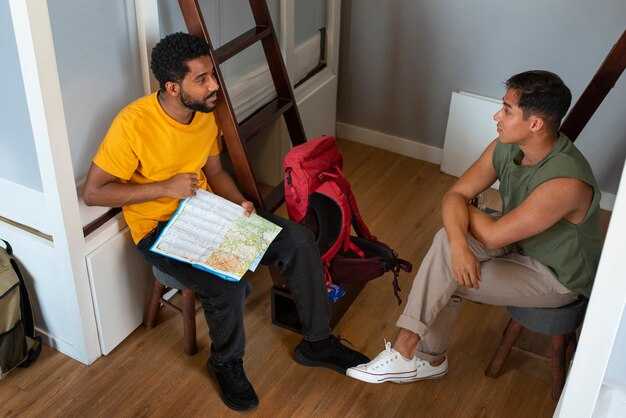
Set a 60-minute response window with your host and require that every safety concern is acknowledged within the app; remember to log each message, creating a record you can reference remotely if needed, especially at night.
- Document every safety concern in the Airbnb app and keep timestamped messages to create a clear trail you can reference if something goes wrong.
- Do a quick arrival check for leaks, hidden damage, and the maintenance status of fixtures; report anything off immediately to prevent bigger issues.
- Embed a safety checklist in the listing and in chat, including exit routes, smoke and carbon monoxide alarm status, fire extinguishers, and emergency numbers.
- Take timestamped photos on arrival and after any addressed issues; attach images to the thread to verify what was done.
- Clarify cleaning expectations before stay, specifying who cleans, when cleaning happens, and how hygiene is verified, including the environment of the space.
- Plan for night safety by sharing a local contact, keeping emergency numbers handy, and confirming how to reach the host after dark, like a hotel standard of safety.
- Respect their requirement for quiet hours and property rules; discuss concerns about luggage storage or access to luggage areas to prevent disputes.
- Coordinate remotely for any minor maintenance tasks; verify access details, privacy, and document what was done for future reference.
- Know the escalation path: if a host is unresponsive, contact Airbnb support and keep the status of the case updated in the thread.
- After checkout, leave feedback focused on safety and communication; including what helped, what could improve, and how future stays can be safer.
Verify listing details and host identity before booking
Verify listing details and host identity before booking by cross-checking the description, photos, price, and house rules. Ask for a clear outline of the space, including entrance type, parking, and shared areas, and demand precise responses that are clearly stated. If a host hesitates, really review the listing again.
Check host identity through the platform profile, verify badges or verified phone numbers, and compare the host’s name and the property address with the listing. For the customer, request a quick video walkthrough or a recent stay reference. Promises made in chat must be backed by listing details; if theyre unable to provide this, doesnt sound right, stop the booking process and reach out to support.
Practical steps you can take before paying: request a live chat with the host to confirm inside details; ask to see working devices like lights and smoke detectors; ask for a flashlight in case of power outage; verify there’s private entry and that the indoor environment matches the description. Having a short written confirmation helps you feel confident about what you’ll actually get.
Look for red flags in signals: inconsistent or heavily edited photos, outdated reviews, or a host who asks you to use a different payment method or to contact them off-platform. Avoid shady requests; use the alerts and the platform’s messaging to document every step. If a listing mentions extra fees or a service1 option, question it and seek clarification.
Bottom line: a thorough verification process lowers risk for traveling stays. For traveling guests, this upfront check matters and can save time later. By having confidence that the listing details align with reality, you can move forward, knowing you’re not relying on a guess. If everything checks out, you’ll feel ready, with a clear path from arrival to check-in, plus a plan to stop any issues if they arise.
Define clear house rules and communication expectations
Publish a concise house rules card and a short disclosure that guests must acknowledge before their stay. Include arrival and departure windows, quiet hours, pet and smoking policies, occupancy limits for the property, and any restricted areas inside.
Define check-in/out procedures and access methods clearly, such as a portable lockbox or keypad code, and specify what counts as improper use and the least disruptive remedy, aiming for a little disruption to guests’ stay.
Set expectations for communication: usually respond within 2 hours during the day and no later than 6 hours at night, using the Airbnb platform as the primary channel; alert you if anything could affect safety or comfort. If you hear nothing back within that window, escalate to a secondary contact. Ensure the information is accessible to the customer and that theyre responses are clear and friendly.
Create a safety protocol for common incidents: leaks, power outages, or motion detections; tell guests where to find emergency exits, extinguishers, and a contact person; outline steps to take in case of an urgent situation. Include guidelines for reporting problems and keeping the property secure between interactions.
Include insurance and disclosure details: remind guests that their renter’s insurance or your host policy covers most damages; require a brief understanding of coverage and a disclosure of any pre-existing issues; provide a printable card with policy contacts.
使用安全入住方法和受信任的联系人

使用带有已验证锁或智能锁的安全入住方式,并列出一位可信任的联系人,以便在旅客有疑问时提供帮助。每次客人入住后,密码都会更改,以防止未经授权的访问,并保持位置的安全功能有效,至少在访问控制方面是如此。.
请在您的房源信息中提供简单易懂的步骤,清晰的指南,让旅客可以验证身份、接收抵达指示并顺利完成入住流程。如遇问题,请保持与预订详情中列出的可信联系人的联络畅通。.
指定一位值得信赖的本地联系人,在所列信息中提供他们的详细信息,并确保在度假期间可以联系到他们。这有助于避免混淆,并帮助社区保持安全,同时客人应遵守隐私和安全规则,并尊重房产。.
请提醒访客进入后务必检查门锁是否已锁好,并避免公开分享访问信息。房东应在入住人员变更后及时更新临时密码。.
配备安全装置和简单的应急方案
在每个房间安装电池供电的烟雾探测器,并在每层楼的出口附近放置灭火器;每月轻松测试电池和警报器,并根据需要更换组件。发布一个简短的安全视频和一份针对客人的责任概要,以便住宿从明确的期望和来自社区的支持感开始。这种方法不依赖于wifi或应用程序——保持标志简单,并注意危险、布局变化和房源中发布的更新。客人到达后,可以查看概要和安全视频,然后充满信心地加入安全例行程序。.
制定一个简单的应急计划:在发生火灾或燃气泄漏时,通过最近的安全门离开,如有烟雾,请保持低姿,并在室外指定地点集合。从安全地点拨打紧急服务电话,报告地址、宾客人数以及遗留的任何贵重物品。将该计划张贴在厨房和客厅区域,并提供安全视频的快速二维码,以便宾客轻松快速地查看,以满足宾客对平静、有准备的住宿体验的期望。.
| Element | 位置/备注 | Maintenance | 职责 |
|---|---|---|---|
| 烟雾探测器 | 每个房间和主走廊各一个;确保便于访问以进行测试 | 每月测试;每年更换电池 | 主机和客房部追踪测试 |
| 灭火器 | 每层楼,靠近出口处;厨房里很常见 | 每月检查;年度专业服务 | 房东保留记录;客人不得妨碍访问 |
| 一氧化碳探测器 | 每层一个,靠近卧室 | 每月测试;按照建议更换传感器 | 主机验证位置和功能 |
| 紧急视频 | 房源列表及房间内印刷卡片中的链接 | 每年审查更新 | 访客入职;参与安全巡视 |
| 紧急大纲 | 厨房和客厅区域的海报;张贴在多个房间 | 根据法律或程序变更进行更新 | 主人敬酒,客人随意。 |
| 贵重物品/保险箱 | 入口或壁橱附近的隐蔽保险箱 | 测试锁和访问控制(季度性) | 主机控制访问权限;访客按需使用 |
维护一个简单的检查和更新记录,以确保频繁的变更与法律和社区规范保持一致。为观看安全视频并签署计划的客人提供少量积分,以加强连续住宿之间的合作关系和负责任的房东行为。该概要还明确了紧急情况下应联系的对象,并阐明了在电力或无线网络出现故障时由谁处理备份。.
对于存放贵重物品的房间,建议客人将重要物品备份到锁箱中,并避免将贵重物品放在显眼的地方。尤莉娅在当地社区的帮助下完善了这份大纲,其结果与当地法律保持一致。希望客人遵守该计划,并使用分贝参考值以确保警报不会过于扰民,同时保持可听性;保持尊重性的平衡,在保障安全的同时不妨碍邻居。未来入住时,方法上的变更应明确传达,并且每次频繁的客人更替后都应重新审视安全计划,以保持期望一致且具有可操作性。.