


 Українська
  English (UK)
  Русский
  বাংলা
বাংলা  العربية
  日本語
日本語  한국어
한국어  Magyar
  Norsk nynorsk
  Türkçe
  עִבְרִית
  Español
  Čeština
  Svenska
  Português
  Ελληνικά
  Suomi
Suomi  Nederlands
  Română
  Italiano
  Français
  Polski
  Deutsch
  简体中文
简体中文  Slovenčina
  Српски језик
  اردو
اردو  Azərbaycan dili
  O‘zbekcha
  አማርኛ
አማርኛ 

Verify the host and listing on the platform before you book to ensure a worry-free stay. Check the host response rate, the safety features listed, and the most recent reviews, and confirm the listing has a verified ID badge and a clear safety checklist. Do this immediately to confirm the place matches the description.
Ensure the space has made-to-standard safety features і cleanliness standardsa smoke alarm, a CO detector, a fire extinguisher, and a first-aid kit. Ask the host to share photos showing that detectors are present and tested, and verify the indoor environment is sanitised before you arrive.
Use direct messages for safety questions and telling the host about your arrival plan; if you’ve got concerns, state them clearly and ask for confirmation of check-in instructions, the front door code and whether a host will meet you at the property.
On arrival, thoroughly Inspect the front area and indoor spaces: test doors and windows, verify external lighting, check the door lock status, and look for hazards such as loose carpet edges or water leaks. If something doesn’t seem right, contact the host or the platform immediately.
During your stay, keep safety in mind: know quick exits, have emergency numbers handy, and avoid situations that could compromise safety – don't block exits, don't overload sockets, and don't leave devices charging unattended without increasing risk. Address issues as they arise, and report them instantly if needed.
At checkout, please provide a concise note about safety and cleanliness, including the status of detectors and any incidents. This helps the platform prepare for the next guest and keeps the community safe.
Airbnb Safety Guide
Update your safety policy today, embed a guest safety manual in the unit, and verify that smoke detectors are active and carbon monoxide detectors are tested before every guest stay, really ensuring reliability.
Centre the experience on a robust onboarding process for guests, really focusing on clear steps, such as a concise exit map, a contact number for emergencies, and a quick fire-safety drill.
Keep the owner contact visible, and set up a 24/7 channel for urgent help; in every listing, spell out the steps guests should take if the alarm sounds, making them easy to follow.
Regularly inspect the space for hazards, taking care to clear stairs, check light bulbs, and thoroughly verify that sockets are safe; test extinguishers yearly.
Be mindful of the environment: reduce clutter, ensure proper ventilation, and maintain clean, well-lit corridors so guests feel secure.
Permitted smoking policies: if smoking indoors is forbidden, state it clearly; if outdoor smoking is permitted, designate a specific area and provide an ash receptacle.
Embed basic safety prompts in the listing description and a short video: show how to use the lock, where to find the safety manual, and how to reach assistance.
Looking at case files from prior stays helps, taking these lessons into account and updating the space accordingly.
Respectful host-guest communication matters: respond to these questions within hours; mind guest concerns and document the plan for late arrivals, late check-out, and any hazards.
Usually, schedule a quarterly review of safety features, test detectors, update the manual, and train any co-hosts.
Airbnb Safety Guide:
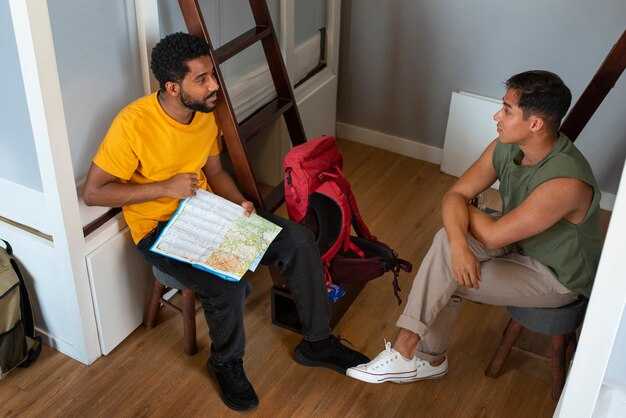
Set a 60-minute response window with your host and require that every safety concern is acknowledged within the app; remember to log each message, creating a record you can reference remotely if needed, especially at night.
- Document every safety concern in the Airbnb app and keep timestamped messages to create a clear trail you can reference if something goes wrong.
- Do a quick arrival check for leaks, concealed damage, and the maintenance status of fixtures; report anything amiss immediately to prevent bigger issues.
- Incorporate a safety checklist into the listing and in the chat, covering escape routes, smoke and carbon monoxide alarm status, fire extinguishers, and emergency contact numbers.
- Take timestamped photos on arrival and after any addressed issues; attach images to the thread to verify what was done.
- Clarify cleaning expectations before your stay, specifying who cleans, when cleaning happens, and how hygiene is verified, including the environment of the space.
- Plan for night safety by sharing a local contact, keeping emergency numbers handy, and confirming how to reach the host after dark, like a hotel standard of safety.
- Respect their requirements for quiet hours and property rules; discuss concerns about luggage storage or access to luggage areas to prevent disputes.
- Coordinate remotely for any minor maintenance tasks; verify access details, privacy, and document what was done for future reference.
- Know the escalation path: if a host is unresponsive, contact Airbnb support and keep the status of the case updated in the thread.
- After checkout, leave feedback focused on safety and communication; including what helped, what could improve, and how future stays can be safer.
Verify listing details and host identity before booking.
Verify listing details and host identity before booking by cross-checking the description, photos, price, and house rules. Ask for a clear outline of the space, including entrance type, parking, and shared areas, and demand precise responses that are clearly stated. If a host hesitates, really review the listing again.
Check host identity via their platform profile, verify badges or verified phone numbers, and compare the host’s name and the property address with the listing. For the customer, request a quick video walkthrough or a recent stay reference. Promises made in chat must be backed by listing details; if they're unable to provide this, doesn't sound right, stop the booking process and reach out to support.
Practical steps you can take before paying: request a live chat with the host to confirm inside details; ask to see working devices like lights and smoke detectors; ask for a torch in case of power cut; verify there’s private entry and that the indoor environment matches the description. Having a short written confirmation helps you feel confident about what you’ll actually get.
Look for red flags in signals: inconsistent or heavily edited photos, outdated reviews, or a host who asks you to use a different payment method or to contact them off-platform. Avoid dodgy requests; use the alerts and the platform’s messaging to document every step. If a listing mentions extra fees or a service option, question it and seek clarification.
Bottom line: a thorough verification process lowers risk for travelling stays. For travelling guests, this upfront check matters and can save time later. By having confidence that the listing details align with reality, you can move forward, knowing you’re not relying on a guess. If everything checks out, you’ll feel ready, with a clear path from arrival to check-in, plus a plan to stop any issues if they arise.
Define clear house rules and communication expectations
**House Rules** * **Arrival:** 3:00 PM - 7:00 PM * **Departure:** 11:00 AM * **Quiet Hours:** 10:00 PM - 8:00 AM * **Pets:** Not allowed. * **Smoking:** Strictly prohibited indoors. Please use designated outdoor areas only. * **Occupancy:** Maximum of 4 guests. * **Restricted Areas:** Attic and locked storage cupboards are off-limits. **Disclosure** By proceeding with your stay, you acknowledge and agree to abide by these House Rules. Any violation may result in a penalty fee or immediate eviction without refund. Thank you for your cooperation. Enjoy your stay!.
Clearly define check-in/out procedures and access methods, such as a portable lockbox or keypad code, and specify what constitutes improper use and the least disruptive remedy, aiming for minimal disruption to guests’ stay.
Set expectations for communication: usually respond within 2 hours during the day and no later than 6 hours at night, using the Airbnb platform as the primary channel; alert you if anything could affect safety or comfort. If you hear nothing back within that window, escalate to a secondary contact. Ensure the information is accessible to the customer and that their responses are clear and friendly.
Here's a safety protocol for common incidents: leaks, power cuts, or motion detection; tells guests where to find emergency exits, extinguishers, and a contact person; sets out steps to take in an urgent situation. Includes guidelines for reporting problems and keeping the property secure between interactions.
Include insurance and disclosure details: remind guests that their renter's insurance or your host policy covers most damages; require a brief understanding of coverage and a disclosure of any pre-existing issues; provide a printable card with policy contacts.
Use secure check-in methods and trusted contacts
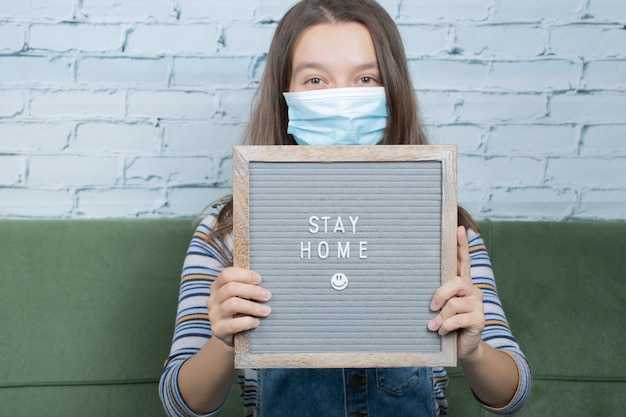
Use a secure check-in method with a verified lock or smart lock, and list a trusted contact who can assist the traveller if questions arise. The codes changed after each guest arrival to prevent unauthorised access and to keep the location’s security features effective, at least with access controls.
Provide simple, easy-to-follow steps in your listing, simply providing clear guidelines that lets the traveller verify identity, receive arrival instructions, and conduct the process smoothly. In the event of a problem, keep lines open through a trusted contact listed in the booking details.
Nominate a trusted local contact, provide their details in the listed information, and make certain they can be reached during the holiday window. This protects against confusion and helps the community stay safe, whilst guests adhere to privacy and safety rules and respect the property.
Guests are reminded to verify the lock is secure after entry and to avoid sharing access details publicly. The host should update temporary codes after occupancy changes.
Fit the space with safety devices and a basic emergency plan
Install a battery-powered smoke detector in every room and place an extinguisher on each floor near exits; test batteries and alarms easily every month and replace components as needed. Publish a short safety video and an outline of responsibilities for guests, so stays begin with clear expectations and a sense of support from the community. This approach doesn't rely on wifi or apps–keep signage simple and look for hazards, changes in the layout, and updates posted in the listing. Upon their arrival, guests can review the outline and the safety video, then join the safety routine with confidence.
Outline a straightforward emergency plan: in a fire or gas issue, exit through the nearest safe doorway, stay low if smoke is present, and meet at a designated spot outside. Call emergency services from a safe location and report the address, number of guests, and any valuables left behind. Post the plan in kitchens and living areas and provide a quick QR code to the safety video so guests can review it easily and quickly, fitting guest expectations for a calm, prepared stay.
| Element | Placement / Notes | Maintenance | Responsibilities |
|---|---|---|---|
| Smoke alarm | One per room and main hallway; ensure easy access for testing | Test monthly; replace battery annually | Host and housekeeping track tests |
| Extinguisher | On each floor, near exits; kitchen ones are common | Monthly check; professional service yearly | Host keeps records; guests don’t obstruct access |
| Carbon monoxide detector | One per floor, near bedrooms | Test monthly; replace sensor as recommended | Host verifies placement and functionality |
| Emergency video | Link in listing and printed card in rooms | Review annually for updates | Guest onboarding; join safety walkthrough |
| Emergency outline | Poster in kitchen and living area; posted in multiple rooms | Update with changes in laws or procedures | Host presents; guests follow |
| Valuables / lockbox | Discreet lockbox near entrance or cupboard | Test locks and access control quarterly | Host controls access; guests use when needed |
Keep a simple record of inspections and updates, so frequent changes stay aligned with laws and community standards. Offer a small credit to guests who review the safety video and sign the plan, reinforcing the partnership between back-to-back stays and responsible hosting. The outline also says whom to contact in an emergency and clarifies who handles backups if power or wi-fi falters.
For rooms that host valuables, advise guests to back up important items in the locked box and to avoid leaving valuables in plain sight. Yulia helped shape this outline with the local community, and the result stays well aligned with local laws. Expect guests to follow the plan, and use the decibel reference to ensure alarms aren’t intrusive while remaining audible; maintain a respectful balance that supports safety without disturbing neighbours. Changes in the approach should be communicated clearly in future stays, and the safety plan should be revisited after each frequent guest turnover to keep expectations aligned and actionable.