


 简体中文
简体中文  English (UK)
  Русский
  বাংলা
বাংলা  العربية
  日本語
日本語  한국어
한국어  Magyar
  Norsk nynorsk
  Türkçe
  עִבְרִית
  Español
  Čeština
  Svenska
  Português
  Ελληνικά
  Suomi
Suomi  Nederlands
  Română
  Italiano
  Français
  Polski
  Українська
  Deutsch
  Slovenčina
  Српски језик
  اردو
اردو  Azərbaycan dili
  O‘zbekcha
  አማርኛ
አማርኛ  7 Reasons to Visit Oman – The Ultimate Travel Guide">
Visit Oman now to unwind while you explore historic forts, stroll the beach at sunrise, and savor seafood caught that day. If you plan ahead, you can lock in dates for adventures like dhow trips at Muscat harbor and a desert camp under starry skies with stillness you won’t forget.
来自 traditions that shape every welcome to the glitzy waterfronts, Oman offers a compact itinerary that respects culture while gifting real, tactile experiences. In the mountains, higher elevations bring cooler air and dramatic views that reward every climb.
Hike the highest ridge of Jebel Shams, where cooler air welcomes your ascent, then head to the coast to spot dolphins nearby and end the day with a beachside seafood dinner.
Dates and spices fill markets across the countrys old towns, and a coastal seafood feast lets you taste Oman’s heritage with every bite. For a quieter moment, seek the stillness of a desert camp or a sea-view sunset that lingers long after the camels pass.
亚历克斯, a local guide, offers a tailor-made route for your dates and pace, with private beach dinners, fort visits, and a desert camp to unwind beneath starlight.
Oman’s spectrum–from storied forts to pristine beaches–invites you to balance exploration with downtime, to meet friendly locals, and to return home with a cooler perspective on travel and tradition.
Practical reasons to plan your Oman itinerary
Plan a 7-day loop starting in Muscat and looping through Nizwa, Jebel Akhdar, Wahiba Sands, and Ras Al Jinz. Youll see rugged mountains, relatively short drives, and a coastline that invites wandering, giving you a sense of life here. sourav recommends starting with a morning souk visit to see what locals value, and leaving space for heritage sites as you are looking for good photo moments; you can decide once you arrive.
- Smart routing and timing: Muscat to Nizwa is about 1.5–2 hours; Nizwa to Jebel Akhdar adds roughly 40–60 minutes along a winding road; this keeps daily drives under 3 hours, leaving late afternoons free for rooftop dinners or sunset viewpoints.
- Heritage and markets: Explore centuries-old forts in Nizwa and Bahla, then stroll the Mutrah souk for spices and silver. Wooden balconies line the old town, and youill get a clear sense of life and how craft trades have persisted for generations.
- Green mountains and akhdar: In Jebel Akhdar, walk among terraced farms and pine-fringed tracks; look for wooden guesthouses and hillside villages; late afternoon light makes the rocks glow and your photos pop.
- Desert and turtle experiences: Spend a night in Wahiba Sands for a dune walk, then visit Ras Al Jinz for turtle watching; late evenings offer silhouettes on the shore, and you can leave time for stargazing after the show.
- Accessibility from Dubai: flying from Dubai is a straightforward option; a 1.5-hour flight gets you into Muscat, after which you can add a coastal day or a desert stop to complete a compact itinerary; youll gain a full feel for Oman without long hauls.
- Destinations to weave into a plan: Ras Al Jinz, Nizwa Fort, Bahla Fort, Mutrah Corniche, and Muscat’s rooftop cafés provide variety–ancient heritage, maritime life, and modern flavors all in one trip; use these ideas to shape your look at what matters to you.
Best time to visit: month-by-month weather, festivals, and crowds
Plan your stay from October to April for the best balance of comfortable weather, festivals, and manageable crowds.
October – Dry, sunny days and cooler nights make hiking in the limestone canyons and highlands a joy. Daytime temps commonly stay in the mid-20s to around 30°C, with nights around 15–20°C. Outside adventures like camping along dune seas or Wahiba Sands, and sunrise walks in the Jebel Akhdar highlands feel well-paced and intimate for travellers who prefer untouched pockets of nature. Alongside popular coastal trips, this month lets you receive a rich taste of culture through markets, music, and crafts before the winter crowds rise.
November – Temperatures ease slightly; daytime 23–28°C, nights 15–20°C. This is an ideal window for a wooden-cabin stay on higher ground and for a camping trip along wadi edges. The landscapes gain depth as visibility improves; popular sites like coastal forts and mountain villages see more visitors, yet many cultural sites still feel intimate for the traveller who plans ahead. Festivals and performances increase in city centers, offering a window into culture and craft that is worth your time.
December – Mild days around 22–28°C; crisp evenings. This is the peak for many travellers, with a steady stream of visitors who come for city culture, diving, and desert excursions. The beauty of Oman shines in each corner. The outside scene buzzes with markets, concerts, and cultural events; crowds are steady but not overwhelming, so you can enjoy each site without long lines. For camping and stay options, you’ll find a range from simple desert camps to wooden lodges in the mountains, often with warm hospitality and shade from the sun.
January – Clear skies and cooler air; daytime 20–25°C, nights 10–15°C. This is a stellar month for hikes in the Hajar mountains, with misty mornings over greened wadis. It’s a personal favorite for travellers who want reliable weather and a sense of space; you’ll find untouched valleys and easy routes that are perfect for a multi-day camping trip, along with starry nights. Coastal stays stay comfortable, and you’ll notice crowds are well distributed across sites, making it easy to find a quiet corner.
February – Similar to January, with a touch more warmth; daytime 22–28°C, nights 12–16°C. Great for canyon hikes, coastal cruises, and cultural strolls in Muscat and Nizwa. Festivals and markets pick up in the evenings, alongside a growing set of activities for visitors. If you aim for a personal pace, head to less-visited wadis or cut across to the Dhofar region for a change in scenery.
March – Spring warmth returns; daytime 26–32°C, nights 18–22°C. Blooming dates bring color to terraces and orchards; you can hike through dramatic landscapes and see limestone walls glow at sunset. This is a good month for outdoor lovers who want to stay in smaller towns, where guesthouses and camping areas are well maintained. Festivals and cultural programs continue, alongside a steady stream of travellers; you’ll find plenty of activities to fill each day.
April – Early heat pushes up to 30–34°C during the day, with nights around 20–24°C. You’ll still enjoy coastal cooling breezes and highland retreats; it’s a fine time to camp in the mountains or along the coast, though plan midday breaks. For families and groups, guided hikes, boat trips, and diving sessions are popular alongside more intimate experiences with local culture. The crowds are still manageable if you book ahead, and you’ll be rewarded with pristine landscapes and a quiet pace.
May – Inland heat rises, with daytime around 34–38°C; coastal towns stay more bearable due to sea breezes. If you want to stay cool, head to Jebel Akhdar or Al Hajar foothills for elevated camping spots or a wooden retreat at higher altitude. This month favors longer, early-morning outings and late-afternoon activities like camping by a dune sea, sunset hikes, and rock-climbing sessions. Expect more visitors near major routes, but plenty of hidden trails remain worth discovering alongside a personal plan.
June – Dhofar Khareef begins in the south, transforming Salalah with misty mornings and lush landscapes; daytime temps near 28–32°C there, while the rest of the country sizzles in the high 30s. If you’re chasing cool air and green surroundings, plan a stay in Salalah and drive along the coast to see waterfalls, green plains, and limestone canyons. Outside Dhofar, choose coastal stays or desert camps with shade, but prepare for heat; this month marks the quiet before the peak tourist season in other regions.
July – Khareef dominates Salalah; temperatures are comfortable in the north only near 30°C day, nights cooler. Expect mist and light rain in the south, turning hills into emerald tones; popular river valleys feel alive with visitors, alongside untouched pockets for hikers and campers. For a traveller seeking personal space, Salalah remains the easiest option, with a range of hotels and camps that supplement a cultural itinerary with local cuisine and wooden-clad guest houses.
August – Salalah remains the draw; humidity is mild, rain is possible, and the landscapes stay green, making camping and hiking very pleasant. If you stay outside Dhofar, temperatures rise quickly and you’ll want early starts and midday shade. Alongside the Dhofar scene, you’ll find coastal zones and dhow trips, with a calmer crowd compared to peak northern winter months.
September – The Khareef recedes; Salalah cools a bit, but the rest of Oman heats up again with inland temps around 35–38°C by day and 22–26°C at night. It’s a good time to plan a last-minute visit to highlands for a final breath of cooler air before the next wave of travellers arrives. You can still enjoy diving, camping, and culture, though you’ll want to book ahead at popular sites and keep flexible in case of heat waves.
Iconic sites to prioritize: Muscat highlights, forts, and souqs
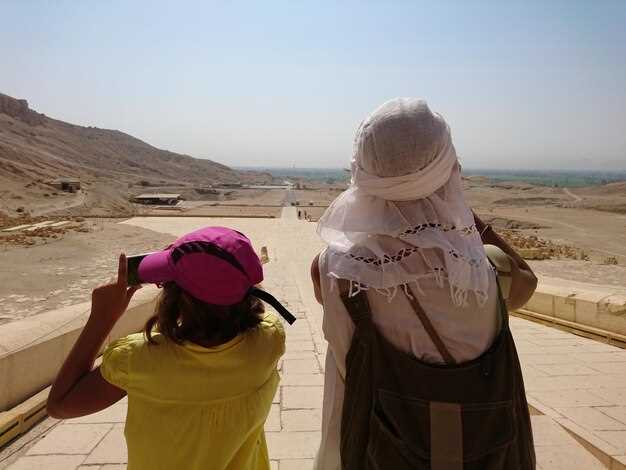
Start your trip at Al Alam Fort for dramatic sea views and then Mirani Fort to watch ships roll along the harbor, with the sea behind the walls.
These two forts sit on the edges of Muscat’s historic core, and from the ramparts you can photograph the modern city on one side and the rugged hills behind; these forts occupy a leading position in the skyline. This sequence is recommended for a first-timer and is a part of any trip.
Muttrah Souq offers spices, incense, and silver, with a weekly rhythm of bargaining; go early to avoid heat, then pause for coffee at a stall near the entrance. Depending on weather, you can swap this stop with a stroll along the corniche; this souq is a recommended start for a sense of local life and like the air of old Muscat.
Behind the souq, stroll along the Muttrah Corniche and watch dhow boats glide by, like a slow parade, while the sea air brings silence to the lanes for a moment.
Grand Mosque stands as a modern icon completed in 2001; the surrounding garden softens the white marble, and for the traveller the interior offers a moment to pause and reflect.
The Royal Opera House Muscat is a leading venue, incl weekly performances ranging from classical nights to contemporary fusions; plan a visit for a post-performance coffee nearby.
A rental car helps you cover these sites efficiently; road signs are clear and parking is practical downtown, though some lots near the forts fill by late morning.
For a quiet contrast, add a rural drive to hillside garden villages outside the city, where you can stop for coffee, watch the sunrise, and feel nature in the air; these edges of Muscat let you leave the crowds behind and offer much for the senses.
Hidden gems you can include in a concise route: Wadi Shab, Wahiba Sands, Jebel Akhdar
Start with Wadi Shab at dawn for a refreshing canyon swim; this anchor spot in the region offers garden-like pools and a sense of discovery that fits into a relatively compact itinerary.
- 瓦迪沙布: The canyon hike is typically 1.5–2.5 hours round trip from the parking area, with a short boat crossing and a ladder to the upper pools. Emerald water, a narrow tunnel, and several spots for a quick dip. Bring water sandals and a light headlamp; signal can be offline in parts of the canyon, so plan accordingly. In some spots a rope is pulling you toward the deeper pool, adding a tactile moment to your pace. The setting feels isolated yet is accessible as a popular day-trip from Muscat, based in the region around Tiwi, and these places can be combined to create a cohesive loop. Take a short walk along the water’s edge to reach the upper pools, then pause to soak in the reflections and calm.
- wahiba sands: Drive roughly 2.5–3 hours from Muscat to the dunes’ edge. Overnight in a desert camp with simple architecture; nomads still move between pockets of shade, lending a unique local flavor. The Big Dune and rolling dunes offer a bustling sunset scene, though the interior remains offline after dark. Heat peaks midday, so plan activities for early morning or late afternoon. A camel ride or a quad bike adds variety, with several spots along the ridge for sunset views; you’ll feel a primal quiet that many travelers call a feeling of space everywhere. A hint of jinz drift through the evening air near camp stalls, a quirky detail you’ll remember long after you leave.
- jebel akhdar: In the region of Ad Dhakhiliyah, Jebel Akhdar delivers cooler air, cliff-top villages, and terrace agriculture that feels like a garden in the sky. The architecture emphasizes stonework and hillside farms, with rose- and herb-garden terraces framing the views. Short hikes lead to panoramic overlooks, or you can hire a local guide to visit upper farms. A hotel on the plateau provides sweeping views and a comfortable base for evening relaxation. Distances from Muscat are typically 1.5–2 hours; from wahiba to jebel akhdar, about 2–3 hours depending on route. While this site sits a bit farther, the climb is worth it, and each overlook offers a new perspective–these places reward every careful step with striking panoramas.
Concise route outline:
- Day 1: Muscat to Wadi Shab at first light, return by late morning, then drive to wahiba sands for an overnight camp.
- Day 2: Early desert morning, depart toward jebel akhdar; basing in a hilltop hotel or lodge near Al Ain/Nizwa for access to terraces and viewpoints.
- Day 3: Explore Jebel Akhdar’s viewpoints, then return to Muscat in the afternoon.
Outdoor adventures with clear routes: canyon hikes, dune safaris, snorkeling
第一缕阳光洒下时,便开始瓦迪沙布峡谷的徒步之旅,沿着清晰的路线,攀登于红色砂岩墙之间,抵达碧绿的池水;进入峡谷,留意路标,并保持稳定的步伐完成整个环线。.
然后前往瓦希巴沙漠,体验一场沙漠探险。温暖的沙道在巍峨的沙丘间延伸;一位持证导游驾驶着四驱车,您攀登至顶峰,饱览令人叹为观止的景色,您将永远不会忘记日落时的光辉。带上额外的水、防晒霜和一件轻便外套,以防晚间寒冷。.
接下来,在达曼尼yat群岛或马斯喀特附近浮潜,那里碧绿的海水庇护着许多珊瑚头。上午出发能见度最佳,但在多风的季节,海面可能会比较波涛汹涌;许多地点都可以乘坐小船探索,非常适合与您的团队分享水下奇观。带上脚蹼、面罩、对珊瑚礁安全友好的防晒霜,以及一个安全的护照包,以便存放着陆时的贵重物品。.
与您的当地导游khalid一起,您可以选择峡谷、沙丘和珊瑚礁相结合的行程。您可能游览过阿曼的几家酒店或营地,但这种组合适合多个目的地和地点,让您可以在几天内比较不同的选择。请查看天气和海况,并提前预订,以确保能在热门时段的上午或额外几天预留位置,以便您悠闲地游玩。.
| Destination | 活动 | 典型距离/时间 | Difficulty | Tips |
|---|---|---|---|---|
| 瓦迪沙布(峡谷) | 峡谷徒步至绿松石水池和洞穴 | ~3.5 公里往返;2–3 小时 | Easy–Moderate | 黎明出发,穿水鞋,检查标记 |
| 瓦希巴沙漠(冲沙) | 四驱越野,攀登沙丘,欣赏日落 | 距马斯喀特约 180 公里;沙丘上行驶 2-4 小时 | Easy–Moderate | 持证导游,自带饮用水,避开高温时段 |
| 达曼尼yat群岛(浮潜) | 在碧蓝的礁石中浮潜 | 乘船游览半天;总时长 4–6 小时 | Easy | 上午出发,不伤害珊瑚礁的防晒霜,脚蹼 |
智能旅行后勤:签证、交通方式、住宿和预算
至少在旅行前14天在线申请阿曼电子签证,打印批准函,并随身携带护照。这一特别步骤可以加快入境速度,明确您的行程计划,并确保您从抵达的那一刻起就能顺利开展各项活动。.
标准旅游签证有效期为30天,并可根据需要选择延期;请通过您的住宿和航班制定计划,以避免在规则更严格的国家/地区产生额外费用。如果需要更长时间的停留,请提前数月协调,如果您计划跨越多条边境的往返行程,请考虑单独的签证。.
马斯喀特 (MCT) 欢迎大多数游客;着陆后,您可以租车沿着海岸线自驾游,或者在哈里夫季节飞往塞拉莱 (SLL),来一次沿海短途旅行。这个国家拥有令人印象深刻的景观,从荒凉的沙漠边缘到郁郁葱葱的沿海城镇。您可以租一辆车,沿着沙漠和海洋边缘蜿蜒的高速公路行驶,在那里,海浪拍打着堡垒和古老的城墙。如果您时间有限,可以预订国内航班以缩短长途驾驶时间;但如果您想要灵活性,那么往返自驾游可以覆盖更多区域。预订导游陪同的旅游还可以将交通和住宿结合起来,让您的旅途更加顺畅。.
住宿范围从经济型旅馆到海滩度假胜地不等。在马斯喀特,穆特拉可以方便地前往旧市场和香料市场,而库鲁姆则可以轻松地进行海滨漫步。在塞拉莱,海滨酒店让您在清新的海风中醒来。在规划行程时,请尽早通过可信赖的预订平台锁定住宿地点,并留意工作日期间的优惠;每个地点安排 3-5 天的住宿,以便在驾驶时间和休息日之间取得平衡。.
每日预算各不相同:预算型游客大约花费25–40阿曼里亚尔,中等花费60–120阿曼里亚尔,高档花费每天150+阿曼里亚尔(不包括国际航班)。携带足够的小面额现金,以备在市场和乡村地区使用,这些地方很少接受银行卡支付。一旦确定了一些优先事项,就可以优化路线以提高成本效益。无论您是独自旅行还是与家人一起旅行,都应在交通、住宿和活动之间平均分摊费用,以保持计划的透明性;即使是短途旅行,确定的预算也有助于您保持正轨。.
佐法尔地区的季风季节在7月到9月期间带来罕见的降雨和深绿色的山谷以及翠绿的山丘;如果您想要欣赏葱郁的景色,请在此期间安排萨拉拉之旅,但需要做好应对较高湿度和不同着装需求的准备。在季风季节之外,阿曼阳光充足;对于许多旅行者来说,最佳的折中方案是11月到次年2月,那时海岸漫步和参观尼兹瓦堡等堡垒会很舒适,而且城市生活充满活力,又不会过于拥挤。.
为了简化规划,构建一条简单的路线,将海岸线边缘与内陆堡垒和市场连接起来;携带备用 SIM 卡用于导航,并留出空间进行令他们愉悦的自发性停留,从一杯深夜咖啡到一片静谧的海滩风景。这种周全的预订、预算和灵活的节奏安排有助于您品味生活,领略阿曼的海岸魅力,打造一段难忘的旅程。.