


 Српски језик
  English (UK)
  Русский
  বাংলা
বাংলা  العربية
  日本語
日本語  한국어
한국어  Magyar
  Norsk nynorsk
  Türkçe
  עִבְרִית
  Español
  Čeština
  Svenska
  Português
  Ελληνικά
  Suomi
Suomi  Nederlands
  Română
  Italiano
  Français
  Polski
  Українська
  Deutsch
  简体中文
简体中文  Slovenčina
  اردو
اردو  Azərbaycan dili
  O‘zbekcha
  አማርኛ
አማርኛ  7 разлога да посетите Оман – Комплетан водич за путовање">
Visit Oman now to unwind while you explore historic forts, stroll the beach at sunrise, and savor seafood caught that day. If you plan ahead, you can lock in dates for adventures like dhow trips at Muscat harbor and a desert camp under starry skies with stillness you won’t forget.
From traditions that shape every welcome to the glitzy waterfronts, Oman offers a compact itinerary that respects culture while gifting real, tactile experiences. In the mountains, higher elevations bring cooler air and dramatic views that reward every climb.
Hike the highest ridge of Jebel Shams, where cooler air welcomes your ascent, then head to the coast to spot dolphins nearby and end the day with a beachside seafood dinner.
Dates and spices fill markets across the countrys old towns, and a coastal seafood feast lets you taste Oman’s heritage with every bite. For a quieter moment, seek the stillness of a desert camp or a sea-view sunset that lingers long after the camels pass.
Алекс, a local guide, offers a tailor-made route for your dates and pace, with private beach dinners, fort visits, and a desert camp to unwind beneath starlight.
Oman’s spectrum–from storied forts to pristine beaches–invites you to balance exploration with downtime, to meet friendly locals, and to return home with a cooler perspective on travel and tradition.
Practical reasons to plan your Oman itinerary
Plan a 7-day loop starting in Muscat and looping through Nizwa, Jebel Akhdar, Wahiba Sands, and Ras Al Jinz. Youll see rugged mountains, relatively short drives, and a coastline that invites wandering, giving you a sense of life here. sourav recommends starting with a morning souk visit to see what locals value, and leaving space for heritage sites as you are looking for good photo moments; you can decide once you arrive.
- Smart routing and timing: Muscat to Nizwa is about 1.5–2 hours; Nizwa to Jebel Akhdar adds roughly 40–60 minutes along a winding road; this keeps daily drives under 3 hours, leaving late afternoons free for rooftop dinners or sunset viewpoints.
- Heritage and markets: Explore centuries-old forts in Nizwa and Bahla, then stroll the Mutrah souk for spices and silver. Wooden balconies line the old town, and youill get a clear sense of life and how craft trades have persisted for generations.
- Green mountains and akhdar: In Jebel Akhdar, walk among terraced farms and pine-fringed tracks; look for wooden guesthouses and hillside villages; late afternoon light makes the rocks glow and your photos pop.
- Desert and turtle experiences: Spend a night in Wahiba Sands for a dune walk, then visit Ras Al Jinz for turtle watching; late evenings offer silhouettes on the shore, and you can leave time for stargazing after the show.
- Accessibility from Dubai: flying from Dubai is a straightforward option; a 1.5-hour flight gets you into Muscat, after which you can add a coastal day or a desert stop to complete a compact itinerary; youll gain a full feel for Oman without long hauls.
- Destinations to weave into a plan: Ras Al Jinz, Nizwa Fort, Bahla Fort, Mutrah Corniche, and Muscat’s rooftop cafés provide variety–ancient heritage, maritime life, and modern flavors all in one trip; use these ideas to shape your look at what matters to you.
Best time to visit: month-by-month weather, festivals, and crowds
Plan your stay from October to April for the best balance of comfortable weather, festivals, and manageable crowds.
October – Dry, sunny days and cooler nights make hiking in the limestone canyons and highlands a joy. Daytime temps commonly stay in the mid-20s to around 30°C, with nights around 15–20°C. Outside adventures like camping along dune seas or Wahiba Sands, and sunrise walks in the Jebel Akhdar highlands feel well-paced and intimate for travellers who prefer untouched pockets of nature. Alongside popular coastal trips, this month lets you receive a rich taste of culture through markets, music, and crafts before the winter crowds rise.
Новембар – Temperatures ease slightly; daytime 23–28°C, nights 15–20°C. This is an ideal window for a wooden-cabin stay on higher ground and for a camping trip along wadi edges. The landscapes gain depth as visibility improves; popular sites like coastal forts and mountain villages see more visitors, yet many cultural sites still feel intimate for the traveller who plans ahead. Festivals and performances increase in city centers, offering a window into culture and craft that is worth your time.
December – Mild days around 22–28°C; crisp evenings. This is the peak for many travellers, with a steady stream of visitors who come for city culture, diving, and desert excursions. The beauty of Oman shines in each corner. The outside scene buzzes with markets, concerts, and cultural events; crowds are steady but not overwhelming, so you can enjoy each site without long lines. For camping and stay options, you’ll find a range from simple desert camps to wooden lodges in the mountains, often with warm hospitality and shade from the sun.
January – Clear skies and cooler air; daytime 20–25°C, nights 10–15°C. This is a stellar month for hikes in the Hajar mountains, with misty mornings over greened wadis. It’s a personal favorite for travellers who want reliable weather and a sense of space; you’ll find untouched valleys and easy routes that are perfect for a multi-day camping trip, along with starry nights. Coastal stays stay comfortable, and you’ll notice crowds are well distributed across sites, making it easy to find a quiet corner.
February – Similar to January, with a touch more warmth; daytime 22–28°C, nights 12–16°C. Great for canyon hikes, coastal cruises, and cultural strolls in Muscat and Nizwa. Festivals and markets pick up in the evenings, alongside a growing set of activities for visitors. If you aim for a personal pace, head to less-visited wadis or cut across to the Dhofar region for a change in scenery.
Март – Spring warmth returns; daytime 26–32°C, nights 18–22°C. Blooming dates bring color to terraces and orchards; you can hike through dramatic landscapes and see limestone walls glow at sunset. This is a good month for outdoor lovers who want to stay in smaller towns, where guesthouses and camping areas are well maintained. Festivals and cultural programs continue, alongside a steady stream of travellers; you’ll find plenty of activities to fill each day.
April – Early heat pushes up to 30–34°C during the day, with nights around 20–24°C. You’ll still enjoy coastal cooling breezes and highland retreats; it’s a fine time to camp in the mountains or along the coast, though plan midday breaks. For families and groups, guided hikes, boat trips, and diving sessions are popular alongside more intimate experiences with local culture. The crowds are still manageable if you book ahead, and you’ll be rewarded with pristine landscapes and a quiet pace.
May – Inland heat rises, with daytime around 34–38°C; coastal towns stay more bearable due to sea breezes. If you want to stay cool, head to Jebel Akhdar or Al Hajar foothills for elevated camping spots or a wooden retreat at higher altitude. This month favors longer, early-morning outings and late-afternoon activities like camping by a dune sea, sunset hikes, and rock-climbing sessions. Expect more visitors near major routes, but plenty of hidden trails remain worth discovering alongside a personal plan.
June – Dhofar Khareef begins in the south, transforming Salalah with misty mornings and lush landscapes; daytime temps near 28–32°C there, while the rest of the country sizzles in the high 30s. If you’re chasing cool air and green surroundings, plan a stay in Salalah and drive along the coast to see waterfalls, green plains, and limestone canyons. Outside Dhofar, choose coastal stays or desert camps with shade, but prepare for heat; this month marks the quiet before the peak tourist season in other regions.
July – Khareef dominates Salalah; temperatures are comfortable in the north only near 30°C day, nights cooler. Expect mist and light rain in the south, turning hills into emerald tones; popular river valleys feel alive with visitors, alongside untouched pockets for hikers and campers. For a traveller seeking personal space, Salalah remains the easiest option, with a range of hotels and camps that supplement a cultural itinerary with local cuisine and wooden-clad guest houses.
August – Salalah remains the draw; humidity is mild, rain is possible, and the landscapes stay green, making camping and hiking very pleasant. If you stay outside Dhofar, temperatures rise quickly and you’ll want early starts and midday shade. Alongside the Dhofar scene, you’ll find coastal zones and dhow trips, with a calmer crowd compared to peak northern winter months.
Септембар – The Khareef recedes; Salalah cools a bit, but the rest of Oman heats up again with inland temps around 35–38°C by day and 22–26°C at night. It’s a good time to plan a last-minute visit to highlands for a final breath of cooler air before the next wave of travellers arrives. You can still enjoy diving, camping, and culture, though you’ll want to book ahead at popular sites and keep flexible in case of heat waves.
Iconic sites to prioritize: Muscat highlights, forts, and souqs
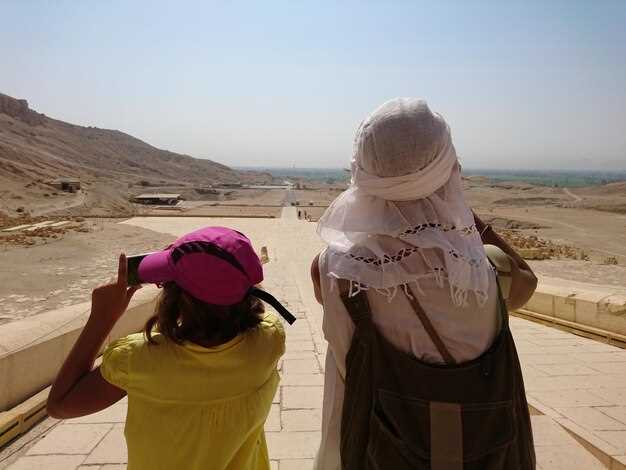
Start your trip at Al Alam Fort for dramatic sea views and then Mirani Fort to watch ships roll along the harbor, with the sea behind the walls.
These two forts sit on the edges of Muscat’s historic core, and from the ramparts you can photograph the modern city on one side and the rugged hills behind; these forts occupy a leading position in the skyline. This sequence is recommended for a first-timer and is a part of any trip.
Muttrah Souq offers spices, incense, and silver, with a weekly rhythm of bargaining; go early to avoid heat, then pause for coffee at a stall near the entrance. Depending on weather, you can swap this stop with a stroll along the corniche; this souq is a recommended start for a sense of local life and like the air of old Muscat.
Behind the souq, stroll along the Muttrah Corniche and watch dhow boats glide by, like a slow parade, while the sea air brings silence to the lanes for a moment.
Grand Mosque stands as a modern icon completed in 2001; the surrounding garden softens the white marble, and for the traveller the interior offers a moment to pause and reflect.
The Royal Opera House Muscat is a leading venue, incl weekly performances ranging from classical nights to contemporary fusions; plan a visit for a post-performance coffee nearby.
A rental car helps you cover these sites efficiently; road signs are clear and parking is practical downtown, though some lots near the forts fill by late morning.
For a quiet contrast, add a rural drive to hillside garden villages outside the city, where you can stop for coffee, watch the sunrise, and feel nature in the air; these edges of Muscat let you leave the crowds behind and offer much for the senses.
Hidden gems you can include in a concise route: Wadi Shab, Wahiba Sands, Jebel Akhdar
Start with Wadi Shab at dawn for a refreshing canyon swim; this anchor spot in the region offers garden-like pools and a sense of discovery that fits into a relatively compact itinerary.
- Wadi Shab: The canyon hike is typically 1.5–2.5 hours round trip from the parking area, with a short boat crossing and a ladder to the upper pools. Emerald water, a narrow tunnel, and several spots for a quick dip. Bring water sandals and a light headlamp; signal can be offline in parts of the canyon, so plan accordingly. In some spots a rope is pulling you toward the deeper pool, adding a tactile moment to your pace. The setting feels isolated yet is accessible as a popular day-trip from Muscat, based in the region around Tiwi, and these places can be combined to create a cohesive loop. Take a short walk along the water’s edge to reach the upper pools, then pause to soak in the reflections and calm.
- wahiba sands: Drive roughly 2.5–3 hours from Muscat to the dunes’ edge. Overnight in a desert camp with simple architecture; nomads still move between pockets of shade, lending a unique local flavor. The Big Dune and rolling dunes offer a bustling sunset scene, though the interior remains offline after dark. Heat peaks midday, so plan activities for early morning or late afternoon. A camel ride or a quad bike adds variety, with several spots along the ridge for sunset views; you’ll feel a primal quiet that many travelers call a feeling of space everywhere. A hint of jinz drift through the evening air near camp stalls, a quirky detail you’ll remember long after you leave.
- jebel akhdar: In the region of Ad Dhakhiliyah, Jebel Akhdar delivers cooler air, cliff-top villages, and terrace agriculture that feels like a garden in the sky. The architecture emphasizes stonework and hillside farms, with rose- and herb-garden terraces framing the views. Short hikes lead to panoramic overlooks, or you can hire a local guide to visit upper farms. A hotel on the plateau provides sweeping views and a comfortable base for evening relaxation. Distances from Muscat are typically 1.5–2 hours; from wahiba to jebel akhdar, about 2–3 hours depending on route. While this site sits a bit farther, the climb is worth it, and each overlook offers a new perspective–these places reward every careful step with striking panoramas.
Concise route outline:
- Day 1: Muscat to Wadi Shab at first light, return by late morning, then drive to wahiba sands for an overnight camp.
- Day 2: Early desert morning, depart toward jebel akhdar; basing in a hilltop hotel or lodge near Al Ain/Nizwa for access to terraces and viewpoints.
- Day 3: Explore Jebel Akhdar’s viewpoints, then return to Muscat in the afternoon.
Outdoor adventures with clear routes: canyon hikes, dune safaris, snorkeling
Започните у зору са планинарењем кроз кањон Вади Шаб јасном стазом која се пење између црвених пешчаних зидова до тиркизних базена; крените у кањон, проверите ознаке стазе и одржавајте стабилан темпо за целу кружну туру.
Zatim se uputite ka peskovitim dinama Wahiba Sandsa na safari. Topli pesak se proteže između visokih dina; licencirani vodič vozi 4×4, vi se penjete na vrh dine da biste uživali u pogledu koji oduzima dah i nikada nećete zaboraviti sjaj zalaska sunca. Spakujte dodatnu vodu, kremu za sunčanje i laganu jaknu za večernju hladnoću.
Zatim ronite oko ostrva Dajmanijat ili blizu Muskata, gde tirkizna voda štiti mnoge koralne grebene. Jutarnji polasci pružaju najbolju vidljivost, mada mora mogu biti nemirnija u vetrovitim sezonama; mnoga mesta se istražuju malim čamcima, što je odlično da podelite podvodne prizore sa svojom grupom. Ponesite peraja, masku, kremu za sunčanje bezbednu za grebene i torbu za dragocenosti koja je sigurna za pasoš kada sletite.
Zajedno sa halidom, vašim lokalnim vodičem, možete izabrati kombinaciju dana u kanjonu, dinama i na grebenu. Posetili ste nekoliko hotela ili kampova širom Omana, ali ova kombinacija odgovara mnogim destinacijama i mestima, omogućavajući vam da uporedite opcije tokom nekoliko dana. Proverite vremenske uslove i stanje mora i rezervišite unapred da biste obezbedili mesta u popularnim jutarnjim terminima ili dodatne dane ako želite opušteniji tempo.
| Destination | Активност | Типична удаљеност/време | Difficulty | Савети |
|---|---|---|---|---|
| Вади Шаб (кањон) | Каньонска шетња до тиркизног базена и пећине | ~3,5 km u oba smera; 2–3 sata | Лако - Умерено | Крените у зору, носите обућу за воду, проверите маркере |
| Wahiba Sands (сафари по динама) | Вожња 4×4, пењање по динама, залазак сунца | Од Маската ~180 км; 2–4 сата во вожњи по динама | Лако - Умерено | Licencirani vodič, ponesite dodatnu vodu, izbegavajte najveću vrućinu |
| Дајманијатска острва (роњење са маском и дисаљком) | Ронилац са дисалицом усред тиркизних гребена | Izlet brodom 1/2 dana; ukupno 4–6 sati | Easy | Jutarnji polasci, kreme za sunčanje bezbedne za grebene, peraja |
Паметна путна логистика: визе, опције превоза, смештај и буџети
Пријавите се онлајн за оманску е-визу најмање 14 дана пре путовања, одштампајте одобрење и носите га са пасошем. Овај посебан корак убрзава улазак, појашњава ваше планирање и омогућава да вам дани теку глатко од тренутка када слетите.
Стандардна туристичка виза покрива 30 дана, уз могућност продужења по потреби; припремите план преко свог смештаја и летова да бисте избегли додатне трошкове у земљама са строжим правилима. За дуже боравке, координирајте месецима унапред и размотрите посебну визу ако планирате кружно путовање преко више граница.
Muskat (MCT) dočekuje većinu posetilaca; kada sletite, možete iznajmiti automobil i voziti se obalom, ili leteti za Salalah (SLL) tokom sezone Khareef za obilazak obale. Ova zemlja nudi impresivan niz pejzaža, od oštrih ivica pustinje do bujnih primorskih gradova. Iznajmljeni automobil vam omogućava da istražujete krivudavim autoputevima duž ivica pustinje i mora, gde se talasi razbijaju u blizini tvrđava i starih gradskih zidina. Ako imate malo vremena, rezervišite domaći let da biste skratili duge vožnje, ali ako želite fleksibilnost, povratno putovanje automobilom pokriva više terena. Rezervacija vođene ture takođe može kombinovati transfere i smeštaj za besprekorne dane na putu.
Accommodation spans budget hostels to special beachfront resorts. In Muscat, Muttrah offers access to the old market and the spices market, while Qurum provides easy coastal strolls. In Salalah, beachfront properties let you wake to fresh sea breezes. When planning, lock in your lodging early through a trusted booking platform and expect to see deals across weekdays; aim for stays of 3–5 days per location to balance driving time with rest days.
Дневни буџети варирају: туристи са ограниченим буџетом могу проћи са око 25–40 OMR, средња класа 60–120 OMR, а они који траже лусуз 150+ OMR дневно, искључујући међународне летове. Носите довољно готовине у мањим апоенима за пијаце и рурална стајалишта где је плаћање картицама ретко. Када утврдите неколико приоритета, можете оптимизовати руту ради ефикасности трошкова. Без обзира да ли путујете сами или са породицом, равномерно поделите трошкове превоза, смештаја и активности како би ваш план био транспарентан; чак и на краћим путовањима, чврст буџет вам помаже да останете на правом путу.
Харифијски монсун у Дофару доноси ретке кише, дубоке зелене долине и смарагдне брежуљке од јула до септембра; планирајте посете Салали око овог периода ако желите бујне пејзаже, али очекујте већу влажност и другачије потребе за паковање. Изван месеци монсуна, Оман ужива у обиљу сунца; најбољи компромис за многе путнике је од новембра до фебруара, када су шетње обалом и утврђења – попут тврђаве Низва – пријатни, а градски живот је жив без велике гужве.
Da biste pojednostavili planiranje, napravite jednostavnu rutu koja spaja ivice obale sa utvrđenjima i pijacama u unutrašnjosti; ponesite rezervni SIM za navigaciju i ostavite prostora za spontane pauze koje će ih oduševiti, od kasne kafe do tihog pogleda na plažu. Ovo, kroz rezervacije, budžetiranje i fleksibilan tempo, pomaže vam da uživate u životu i primorskom šarmu širom Omana, stvarajući putovanje za pamćenje.