


 O‘zbekcha
  English (UK)
  Русский
  বাংলা
বাংলা  العربية
  日本語
日本語  한국어
한국어  Magyar
  Norsk nynorsk
  Türkçe
  עִבְרִית
  Español
  Čeština
  Svenska
  Português
  Ελληνικά
  Suomi
Suomi  Nederlands
  Română
  Italiano
  Français
  Polski
  Українська
  Deutsch
  简体中文
简体中文  Slovenčina
  Српски језик
  اردو
اردو  Azərbaycan dili
  አማርኛ
አማርኛ 
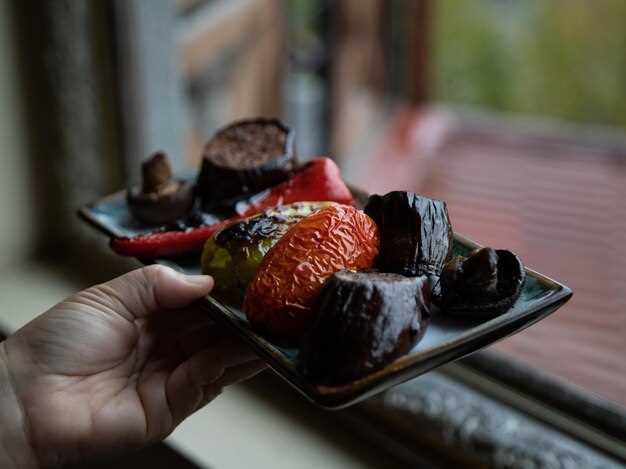
Kyoto, a city steeped in tradition and history, offers a culinary journey that reflects its rich heritage. Visitors to this famous district can savor meals that harmoniously blend centuries-old recipes with contemporary flair. The yakuniy qo'llanma to Kyoto’s food scene will lead you through popular eateries, quiet backstreets, and hidden gems that locals cherish, such as the tranquil village of Kibune, where culinary delights unfold alongside the flowing Kamogawa river.
As you embark on this gastronomic adventure, you will discover the beauty of kaiseki–a traditional multi-course meal that showcases the finest seasonal ingredients. Each bite is designed to please the senses, from the precise slices of fresh sushi to the subtle sweetness of obanzai dishes, which emphasize home-style cooking. You may even come across shojin ryori, a plant-based cuisine practiced by Buddhist monks that celebrates the environment and culinary creativity.
In Kyoto, culinary traditions are not just about eating; they encourage a dialogue between food and culture. Although traditional, many chefs here also embrace fusion techniques, inspired by global influences, including French cuisine refined by masters like Jean-Georges. While exploring the vibrant food scene, it is essential to inspect local marketplaces and street vendors as they offer insights into the daily lives of Kyoto’s residents. Each meal served in this city is a testament to the reverence for ingredients, the artistry of preparation, and the joy of sharing. Let this guide immerse you in the flavors of Kyoto, where every dish tells a story of dedication and respect for nature.
Must-Try Dishes in Kyoto
Kyoto’s culinary landscape is a treasure trove, featuring dishes that reflect the city’s rich history and refined techniques. One must-try is Kaiseki, a multi-course meal that unfolds like an intricate story on the plate. Each course is crafted with seasonal vegetables, tofu, and often incorporates local ingredients from the surrounding areas, like the fresh river crab found near the Kamo River. This meal is more than dinner; it’s a dialogue between nature and the chef’s artistry, showcasing the very essence of Japanese cuisine.
For those who seek something more casual yet equally delightful, Yudofu is a must. This dish, which centers around gently simmered tofu, is simple yet profound, often served in minimalist styles at local restaurants near Kōdaiji Temple. Here, the tofu is prepared with precision, allowing the natural flavors to shine through. Enjoy it with a splash of soy sauce or a sprinkle of scallions, allowing your taste buds to savor each bite.
Another iconic dish is the Obanzai ryori, which offers a glimpse into Kyoto’s home-cooked meals. This style of cooking emphasizes sustainability and utilizes leftover vegetables in creative ways. Each plate is a reflection of local traditions and seasonal bounty, often found in quiet family-run establishments throughout the city. You’ll be amazed at how every bite tells a story, showcasing the flavors that have been celebrated for centuries.
| Dish | Tavsif | Manzil |
|---|---|---|
| Kaiseki | Multi-course meal highlighting seasonal ingredients | Central Kyoto |
| Yudofu | Gently simmered tofu served with soy sauce | Kōdaiji Temple area |
| Obanzai ryori | Traditional homestyle cooking using local vegetables | Various local restaurants |
Exploring Kyo Kaiseki: A Traditional Multi-Course Experience
In the heart of Kyoto, Kyo Kaiseki represents a culinary tradition that has stood the test of time, unfolding over centuries to culminate in a refined dining experience. This multi-course meal not only highlights the artistry of Japanese cuisine but also embodies the deep-rooted traditions of the region. While some dishes may seem simple, each plate is a crafted portrayal of seasonal ingredients, showcasing the umami flavors that Japan is famous for.
Kai Seski is typically served in restaurants that embrace the tranquil atmosphere of Kyoto, where the surroundings invite diners to indulge their senses. Locations like Shinmonzen and Kibune, nestled amid flowing rivers and lush landscapes, allow for a harmonious blend of nature and flavor. Culinary inspiration often stems from local customs, giving every meal a unique character that reflects the surrounding environment.
The experience of Kyo Kaiseki is characterized by its multi-course format, where each plate serves as a dialogue between the chef and the diner. Plates may include delicacies such as tofu elegantly seasoned with dashi, fresh crab, or vegetables prepared in the obanzai style, a traditional style of Kyoto cooking that emphasizes simplicity and local ingredients. Depending on the time of year, the menu can change, offering a delightful surprise with every dinner.
Inspectors from prestigious culinary guides such as Michelin recognize Kyo Kaiseki restaurants for their commitment to quality and artistry. Even in temporary dining venues or pop-up restaurants, the level of skill and reverence for ingredients remains high. Each meal, designed to mimic nature’s beauty, is executed with an astonishing level of detail, much like the work of celebrated chefs like Jean-Georges, who have inspired a fusion of flavors in modern cuisine.
The delicate balance of flavor in Kyo Kaiseki is achieved by expert chefs who have honed their skills over years, often under the tutelage of seasoned monks. This dedication results in meals that are not just about taste, but also about the visual presentation. Each dish is served with care, inviting diners to take a moment to inspect and appreciate the craftsmanship that went into its creation.
While the costs associated with dining at a kaiseki restaurant can vary, the experience is often considered well worth the investment. Here, you are not just consuming food; you are participating in a culinary event that showcases centuries of tradition and the local culture of Kyoto. Sweetness and saltiness, texture and temperature, all play a crucial role in creating a balanced and memorable experience that tantalizes the tongue.
To truly enjoy the essence of Kyo Kaiseki, it’s ideal to stay in a ryokan, a traditional Japanese inn, where the ambient atmosphere complements the dining experience. Merging cozy lodging with exquisite meals allows visitors to fully absorb the local customs, ensuring a deeper appreciation for this culinary journey. Each meal becomes less about sustenance and more about communion with the culture itself.
In conclusion, Kyo Kaiseki stands as a testament to Kyoto’s rich culinary heritage. Its blend of seasonal ingredients, artistic presentation, and historical significance makes it a must-try for anyone visiting Japan. Whether you’re seated by the river or within the historic walls of Kōdaiji, every bite offers a taste of the past, harmoniously crafted for a memorable dinner experience.
Savoring Yudofu: Simple Yet Delicious Tofu Hot Pot
Yudofu, a simple yet exquisite dish, is a shining example of Kyoto’s culinary heritage, deeply rooted in centuries of tradition. Found particularly in the Kōdaiji district, this warm tofu hot pot is a staple of Kyoto cuisine. It reflects the essence of shojin ryori, which the monks crafted as a means of celebrating the beauty of simplicity in their meals. Meaning “gentle” in its preparation, yudofu offers a delightful experience that resonates with anyone who seeks genuine Japanese flavors.
At its core, the dish is made using soft, silken tofu, often accompanied by a light dashi broth. The broth gently flows around neatly sliced plates of tofu, highlighted by the sweetness of fresh seasonal vegetables. While exploring the meal, one can truly appreciate the subtle umami flavors that unfold on the tongue with each bite. This dish creates harmony on the palate, making it a perfect representation of Kyoto’s embodiment of taste and texture.
- Centuries of tradition
- Oddiy tayyorlash usullari
- Umamiga boy tajriba
- Mahalliy sabzavotlarni kiritish
Yudofu taqdim etiladigan muhit ko'pincha oshpazlik tajribasini yanada boyitadi. Markaziy hududdagi ko'plab restoranlar, masalan, Kamogawa daryosi bo'yidagi restoranlar, bu taomdan bahramand bo'lish uchun juda mos bo'lgan sokin muhitni yaratadi. Mehmonlar o'z taomlaridan tafakkurga chorlaydigan sokin muhitda bahramand bo'lishga undaladi. Aynan shu yerda har bir luqmada ilhom topish, hayotning soddaligi haqida o'ylash mumkin.
Kyoto rivojlanishda davom etar ekan, yudofu mahalliy aholi va sayyohlarning sevimli taomi bo'lib qolmoqda. Jan-Georges nafisligini aks ettiruvchi joylardagi oshpazlar kabi taniqli oshpazlar zamonaviy texnikalarni an'anaviy ta'mlar bilan birlashtirib, ushbu klassik taomga yangicha yondashuv yaratmoqdalar. Biroq, u avloddan-avlodga o'tib kelayotgan o'ziga xosligini saqlab qoladi. Hatto vaqtinchalik pop-up do'konlar yoki kafelarda ham yudofuning mohiyati aks etadi.
Yudofu restoraniga tashrif buyurish ko'pincha kengroq kulinar sayohat qilish imkoniyatini beradi. Ko'pgina muassasalar to'liq kaiseki tajribasini taklif etadi, bunda yudofu go'zal tarzda taqdim etilgan taomlar orasida faqat bitta yulduzdir. Taomlarning san'atkorona bezatilishi ovqatlanuvchilarni nafaqat ovqatlanishga, balki har bir taom orqasidagi san'atni qadrlashga undaydi va bu Kyoto oshpazlarining o'z mahsulotlariga bo'lgan hurmatini aks ettiradi.
- Кайсэки таомларига интеграция
- Badiiy taqdimot
- Mahsulotlarga hurmat
Qimmat restoran yoki kichik mahalliy oshxonada tatib ko‘riladimi, yudofu Kyoto oshxonasining mohiyatini o‘zida mujassam etgan taom sifatida ajralib turadi. Narxlar muassasaga qarab farq qilsa-da, u yapon oshxonasining eng yaxshi namunalarini o'rganmoqchi bo'lgan har bir kishi uchun ochiqdir. Yumshoq tofuni kesish yoqimli tajribaning bir qismi bo'lgani uchun pichog'ingizni tayyorlab qo'ying. Har bir taomning xotirjamligidan zavqlaning va lazzatlar sizni Kyoto-ning sehrli tarixiga olib borsin.
Nishiki bozorining ko'cha taomlaridan bahramand bo'lish
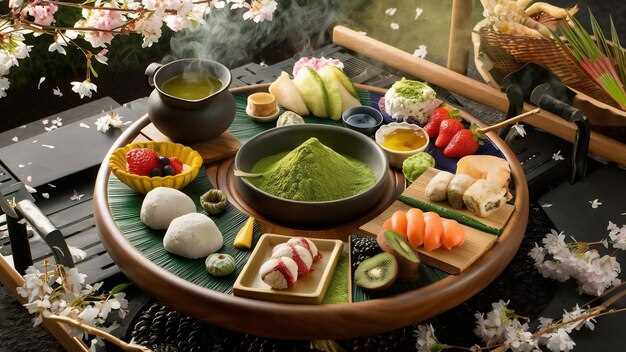
Kyoto shahrining markazida joylashgan Nishiki bozori, bu... markaziy ko'cha mazali ko'cha tamaddilarini taklif qiladigan markaz. Ushbu serhasham bozorni kezarkan, siz Kyoto mohiyatini namoyon etuvchi turli xil ta'mlarni topasiz. cuisine. Har bir sotuvchi taqdim etadi yasashgan asrlarni aks ettiruvchi takliflar bilan, bu joy mahalliy aholi va sayyohlar uchun haqiqiy ta'mlarni o'rganish uchun idealdir.
Yaxshi tamaddilardan biri bu yangi tayyorlangan tofu, sodda, ammo murakkab taom bo'lib, o'zida mujassam etgan shirinlik shaharning kulinar merosining ajralmas qismi. Sotuvchilar uni joyida tayyorlashadi va to‘yimli, mazali даши ta'mini yaxshilaydi. Ko'pincha o'zining sut tekstura, qulaylik va nafislikni izlaganlarni o'ziga tortadi.
Yana bir tatib ko'rish kerak bo'lgan narsa - mashhur sushi turli do‘konlarda namoyish etilgan. plastinalar ustalik bilan tayyorlangan, qirg'oq suvlardan keltirilgan va nihoyatda taqdim etilgan baliqlardan iborat. hurmat 日本語で ovqat madaniyat. Har bir tishlash sizda unutilmas taassurot qoldiradigan ta'm uyg'unligini ochib beradi. til. Ba'zi do'konlar hatto uslublar uyg'unligini taklif etib, an'anaviy uslubni biroz French ilhom.
Ichkariga chuqurroq kirganingiz sari, qo'lda tayyorlangan shirinliklarga e'tibor bering - ularning har biri quvonchli lahzani taqdim etadi. Mahalliy hunarmandlar yapon san'atini namoyon etuvchi shirinliklarni yaratishga o'z ishtiyoqini bag'ishlaydi. shirinliklar. Ta’mlar, shirin yoki sho‘r bo‘lishidan qat’i nazar, ko‘pincha tashrif buyuruvchilarga uy taomlarini eslatadi. ovqatlar avlodan avlodga o'tib kelayotgan.
Do‘konlarda yangi grilda pishirilgan baliq shashliklari ham namoyish etiladi, ular Kioto shahrining o‘ziga xos xushbo‘yligi bilan to‘yingan. tuman. Bu yengil taomlar shahar taklif qilishga sodiqligini anglatadi oddiy, ammo lekin mazali variantlar. Ulardan oqayotgan daryo bo'yida o'tirib zavqlanish, gavjum bozor muhitida bir zum tinchlikni his qilish imkoniyatini beradi.
Agar siz sayohatlaringizni to'ldiradigan taom izlayotgan bo'lsangiz, yaqin atrofdagi restorandan kayseki taklifini tatib ko'rishni o'ylab ko'ring. Bu an'anaviy yapon kechki ovqati bir nechta dishes, har birining batafsil e’tibor bilan taqdim etilgan. Nishiki bozori yaqinidagi restoranlar, masalan Shinmonzen, ayniqsa, Kioto mohiyatini aks ettiruvchi Michelin yulduzli taomnomalari bilan mashhur.
Xulosa qilib aytganda, Nishiki bozori shunchaki ovqatlanish joyidan ko'ra ko'proq narsa; u Kyoto oshxona landshaftining jonli namoyishidir. Tez tayyorlanadigan gazak yoki nafis taom istaysizmi, bozorning har bir burchagi alohida narsalarni taklif etadi va Yaponiyaning boy lazzatlar dunyosidan bahramand bo'lishga imkon beradi. Bu yerda taom o'tmish va hozirgi zamon o'rtasidagi muloqotga aylanadi va hayotning turli jabhalaridan bo'lgan oziq-ovqat ixlosmandlarini o'ziga tortadi.