


 עִבְרִית
  English (UK)
  Русский
  বাংলা
বাংলা  العربية
  日本語
日本語  한국어
한국어  Magyar
  Norsk nynorsk
  Türkçe
  Español
  Čeština
  Svenska
  Português
  Ελληνικά
  Suomi
Suomi  Nederlands
  Română
  Italiano
  Français
  Polski
  Українська
  Deutsch
  简体中文
简体中文  Slovenčina
  Српски језик
  اردو
اردو  Azərbaycan dili
  O‘zbekcha
  አማርኛ
አማርኛ 
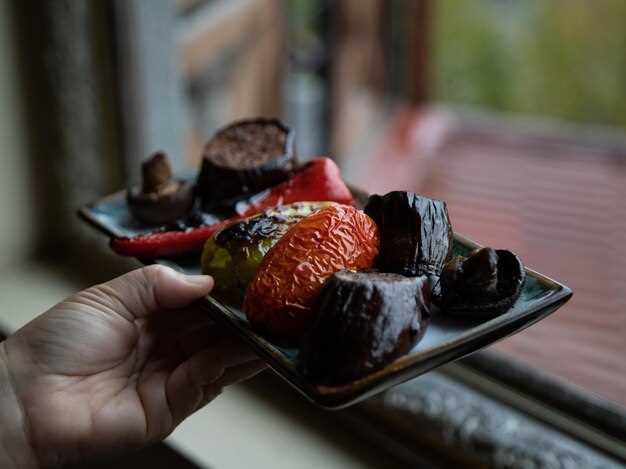
Kyoto, a city steeped in tradition and history, offers a culinary journey that reflects its rich heritage. Visitors to this famous district can savor meals that harmoniously blend centuries-old recipes with contemporary flair. The מדריך אולטימטיבי to Kyoto’s food scene will lead you through popular eateries, quiet backstreets, and hidden gems that locals cherish, such as the tranquil village of Kibune, where culinary delights unfold alongside the flowing Kamogawa נהר.
As you embark on this gastronomic adventure, you will discover the beauty of kaiseki–a traditional multi-course meal that showcases the finest seasonal ingredients. Each bite is designed to please the senses, from the precise slices of fresh sushi to the subtle sweetness of obanzai dishes, which emphasize home-style cooking. You may even come across shojin ryori, a plant-based cuisine practiced by Buddhist monks that celebrates the environment and culinary creativity.
In Kyoto, culinary traditions are not just about eating; they encourage a dialogue between food and culture. Although traditional, many chefs here also embrace fusion techniques, inspired by global influences, including צרפתית cuisine refined by masters like Jean-Georges. While exploring the vibrant food scene, it is essential to inspect local marketplaces and street vendors as they offer insights into the daily lives of Kyoto’s residents. Each meal served in this city is a testament to the reverence for ingredients, the artistry of preparation, and the joy of sharing. Let this guide immerse you in the flavors of Kyoto, where every dish tells a story of dedication and respect for nature.
Must-Try Dishes in Kyoto
Kyoto’s culinary landscape is a treasure trove, featuring dishes that reflect the city’s rich history and refined techniques. One must-try is Kaiseki, a multi-course meal that unfolds like an intricate story on the plate. Each course is crafted with seasonal vegetables, tofu, and often incorporates local ingredients from the surrounding areas, like the fresh river crab found near the Kamo River. This meal is more than dinner; it’s a dialogue between nature and the chef’s artistry, showcasing the very essence of Japanese cuisine.
For those who seek something more casual yet equally delightful, Yudofu is a must. This dish, which centers around gently simmered tofu, is simple yet profound, often served in minimalist styles at local restaurants near Kōdaiji Temple. Here, the tofu is prepared with precision, allowing the natural flavors to shine through. Enjoy it with a splash of soy sauce or a sprinkle of scallions, allowing your taste buds to savor each bite.
Another iconic dish is the Obanzai ryori, which offers a glimpse into Kyoto’s home-cooked meals. This style of cooking emphasizes sustainability and utilizes leftover vegetables in creative ways. Each plate is a reflection of local traditions and seasonal bounty, often found in quiet family-run establishments throughout the city. You’ll be amazed at how every bite tells a story, showcasing the flavors that have been celebrated for centuries.
| Dish | תיאור | מקום |
|---|---|---|
| Kaiseki | Multi-course meal highlighting seasonal ingredients | Central Kyoto |
| Yudofu | Gently simmered tofu served with soy sauce | Kōdaiji Temple area |
| Obanzai ryori | Traditional homestyle cooking using local vegetables | Various local restaurants |
Exploring Kyo Kaiseki: A Traditional Multi-Course Experience
In the heart of Kyoto, Kyo Kaiseki represents a culinary tradition that has stood the test of time, unfolding over centuries to culminate in a refined dining experience. This multi-course meal not only highlights the artistry of Japanese cuisine but also embodies the deep-rooted traditions of the region. While some dishes may seem simple, each plate is a crafted portrayal of seasonal ingredients, showcasing the umami flavors that Japan is famous for.
Kai Seski is typically served in restaurants that embrace the tranquil atmosphere of Kyoto, where the surroundings invite diners to indulge their senses. Locations like Shinmonzen and Kibune, nestled amid flowing rivers and lush landscapes, allow for a harmonious blend of nature and flavor. Culinary inspiration often stems from local customs, giving every meal a unique character that reflects the surrounding environment.
The experience of Kyo Kaiseki is characterized by its multi-course format, where each plate serves as a dialogue between the chef and the diner. Plates may include delicacies such as tofu elegantly seasoned with dashi, fresh crab, or vegetables prepared in the obanzai style, a traditional style of Kyoto cooking that emphasizes simplicity and local ingredients. Depending on the time of year, the menu can change, offering a delightful surprise with every dinner.
Inspectors from prestigious culinary guides such as Michelin recognize Kyo Kaiseki restaurants for their commitment to quality and artistry. Even in temporary dining venues or pop-up restaurants, the level of skill and reverence for ingredients remains high. Each meal, designed to mimic nature’s beauty, is executed with an astonishing level of detail, much like the work of celebrated chefs like Jean-Georges, who have inspired a fusion of flavors in modern cuisine.
The delicate balance of flavor in Kyo Kaiseki is achieved by expert chefs who have honed their skills over years, often under the tutelage of seasoned monks. This dedication results in meals that are not just about taste, but also about the visual presentation. Each dish is served with care, inviting diners to take a moment to inspect and appreciate the craftsmanship that went into its creation.
While the costs associated with dining at a kaiseki restaurant can vary, the experience is often considered well worth the investment. Here, you are not just consuming food; you are participating in a culinary event that showcases centuries of tradition and the local culture of Kyoto. Sweetness and saltiness, texture and temperature, all play a crucial role in creating a balanced and memorable experience that tantalizes the tongue.
To truly enjoy the essence of Kyo Kaiseki, it’s ideal to stay in a ryokan, a traditional Japanese inn, where the ambient atmosphere complements the dining experience. Merging cozy lodging with exquisite meals allows visitors to fully absorb the local customs, ensuring a deeper appreciation for this culinary journey. Each meal becomes less about sustenance and more about communion with the culture itself.
In conclusion, Kyo Kaiseki stands as a testament to Kyoto’s rich culinary heritage. Its blend of seasonal ingredients, artistic presentation, and historical significance makes it a must-try for anyone visiting Japan. Whether you’re seated by the river or within the historic walls of Kōdaiji, every bite offers a taste of the past, harmoniously crafted for a memorable dinner experience.
Savoring Yudofu: Simple Yet Delicious Tofu Hot Pot
Yudofu, a simple yet exquisite dish, is a shining example of Kyoto’s culinary heritage, deeply rooted in centuries of tradition. Found particularly in the Kōdaiji district, this warm tofu hot pot is a staple of Kyoto cuisine. It reflects the essence of shojin ryori, which the monks crafted as a means of celebrating the beauty of simplicity in their meals. Meaning “gentle” in its preparation, yudofu offers a delightful experience that resonates with anyone who seeks genuine Japanese flavors.
At its core, the dish is made using soft, silken tofu, often accompanied by a light dashi broth. The broth gently flows around neatly sliced plates of tofu, highlighted by the sweetness of fresh seasonal vegetables. While exploring the meal, one can truly appreciate the subtle umami flavors that unfold on the tongue with each bite. This dish creates harmony on the palate, making it a perfect representation of Kyoto’s embodiment of taste and texture.
- Centuries of tradition
- Simple preparation methods
- Umami-rich experience
- Incorporation of local vegetables
The environment in which yudofu is served often adds to the culinary experience. Many restaurants in the central area, such as those along the Kamogawa River, provide serene atmospheres perfect for savoring this dish. Guests are encouraged to enjoy their meal in a quiet setting that invites contemplation. It is here that one can find inspiration in every bite, allowing one to reflect on the simplicity of life.
As Kyoto continues to evolve, yudofu remains a favorite for both locals and tourists alike. Renowned chefs, including those in venues echoing the elegance of Jean-Georges, fuse contemporary techniques with traditional flavors, creating innovative takes on this classic dish. However, it retains the authenticity that has been passed down for generations. Even in temporary pop-ups or cafes, the essence of yudofu shines through.
Visiting a yudofu restaurant often allows for a wider culinary journey. Many establishments offer a complete kaiseki experience, where yudofu is just one star among an array of beautifully presented dishes. The artful arrangement of food invites diners not just to eat but to appreciate the artistry behind each plate, echoing the respect Kyoto chefs have for their ingredients.
- Integration into kaiseki dining
- Artful presentation
- Respect for ingredients
Whether enjoyed at a high-end restaurant or a small local eatery, yudofu stands out as a meal that embodies Kyoto’s culinary spirit. With costs varying depending on the establishment, it remains accessible for everyone wishing to explore the best of Japanese cuisine. Make sure to have your knife handy, as slicing through the soft tofu is part of the enjoyable experience. Savor the calmness of each meal, and let the flavors transport you to Kyoto’s enchanting history.
Indulging in Nishiki Market Street Snacks
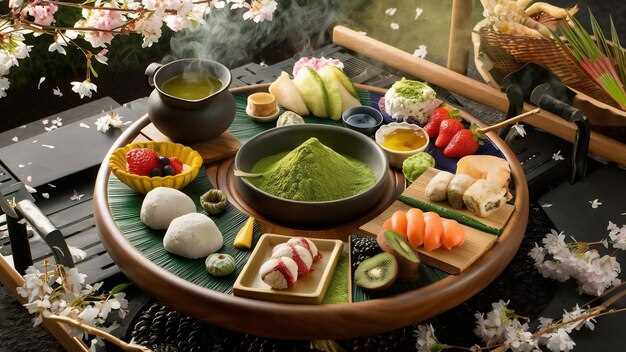
Nishiki Market, located in the heart of Kyoto, is a central hub that offers a delightful array of street snacks. As you traverse this bustling market, you’ll find a medley of flavors that showcase the essence of Kyoto’s cuisine. Each vendor presents מעוצב offerings that reflect centuries of tradition, making it an ideal spot for both locals and tourists to explore authentic tastes.
One standout snack is the freshly made tofu, a simple yet sophisticated dish that encapsulates the sweetness of the city’s culinary heritage. Vendors prepare it on-site, serving slices drizzled with rich, savory dashi that elevates its flavor. This dairy-like delicacy, often celebrated for its חלב texture, attracts those seeking both comfort and refinement.
Another must-try is the iconic סושי featured in various stalls. These צלחות display expertly scored fish, sourced from coastal waters and presented with the utmost reverence to Japanese אוכל culture. Each bite unfolds a harmonious balance of taste that leaves a lasting impression on your tongue. Some stores even offer a fusion of styles, merging traditional with a touch of צרפתית inspiration.
As you wander deeper, pay attention to the hand-crafted sweets–each offering a moment of joy. Local artisans pour their passion into creating treats that show the art of Japanese קינוחים. The flavors, whether sweet or savory, often remind visitors of home-style meals that have been enjoyed for generations.
Stalls also display fresh grilled fish skewers, perfumed with a smokiness that defines Kyoto’s urban מחוז. These light bites represent the city’s commitment to offering פָּשׁוּט., yet flavorful options. Enjoying them while seated by the flowing river enhances the experience, allowing for a moment of peace amidst the lively market atmosphere.
If you are looking for a meal to complement your explorations, consider indulging in a kaiseki offering from a nearby restaurant. This traditional Japanese dinner consists of multiple כלים, each presented with precise attention to detail. Restaurants near Nishiki Market, like Shinmonzen, are particularly well-known for their Michelin-starred menus that reflect the essence of Kyoto.
Ultimately, Nishiki Market is more than just a place to eat; it is a vibrant exhibition of Kyoto’s culinary landscape. Whether you’re seeking a quick snack or a refined meal, each corner of the market offers something exceptional, allowing you to indulge in the rich tapestry of flavors that Japan is known for. Here, food becomes a dialogue between the past and present, drawing in food lovers from all walks of life.