


 O‘zbekcha
  English (UK)
  Русский
  বাংলা
বাংলা  العربية
  日本語
日本語  한국어
한국어  Magyar
  Norsk nynorsk
  Türkçe
  עִבְרִית
  Español
  Čeština
  Svenska
  Português
  Ελληνικά
  Suomi
Suomi  Nederlands
  Română
  Italiano
  Français
  Polski
  Українська
  Deutsch
  简体中文
简体中文  Slovenčina
  Српски језик
  اردو
اردو  Azərbaycan dili
  አማርኛ
አማርኛ 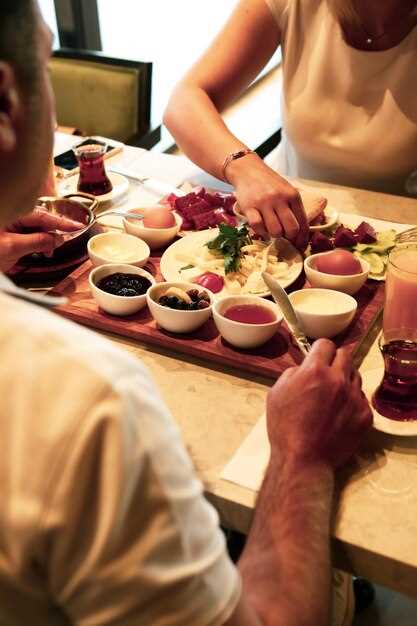 10 ta'mdagi Tapas pishirish kursi – Uyda klassik Ispan Tapaslarini tayyorlashni o'rganing">

Qatnashmoq 10 taomdan iborat Tapas pishirish kursiga yoziling va Eng zo'r ispancha ta'mlarni uyingizga olib kiring. The markaziy e’tibor oshxona javonlaridagi mahsulotlarni ziyofatga loyiq taomlarga aylantirish imkonini beruvchi oddiy, takrorlanuvchi usullarga qaratilgan. Kuting pomidor, sarimsoq, zaytun moyi va qarsildoq non asosiy o'rinni egallaydi. Bu ijtimoiy kechqurun mehmon qabul qilib, oshxonangizni...ga aylantirishingiz mumkin. uchrashuv do‘stlar va oila uchun ball.
Amaliy namoyishlar va yo'l-yo'riqli mashqlar orqali siz 10 ta klassik tapani, patatas bravasdan tortilya españagacha bo'lganlarni o'zlashtirasiz. Oddiy tomatodan tutunli paprikagacha, siz ko'pchilik mijozlar yopishib qolishini ta'kidlagan usullarni o'rganasiz; sayohatdan kelgan sayohatchilar tempni qadrlashadi.
Sizga bir nechta asboblar kerak bo'ladi: tov qozon, kastryulka, o'tkir pichoq va mustahkam taxta. Like Ko'pgina oshxonalarda katta hajmli gadjetlarni yashirib, ochiq joyni saqlab, texnikaga e'tibor qaratishingiz mumkin. Ikki soatlik vaqt ajrating, toza ish joyini tayyorlang va har bir tishlash uchun kichik tarelkalar qo'ying.
Format jonli demolar va amaliy mashgʻulotlarni birlashtiradi. Qatnashmoq qulay vaqtingizda yoki kerak bo'lsa, keyinroq qayta ko'rishingiz mumkin; biz amaliy xaridlar ro'yxati va tezkor mise en place rejasini ilova qildim, shunda siz darhol boshlashingiz mumkin.
qo'shiling Eng zo'r doʻstingiz eslaydigan tapas kechalarini oʻtkazishni boshlang. Ushbu dastur kechki payt ijtimoiy muhitni qoʻllab-quvvatlaydi, rejalashtirish, xarid qilish va pishirish uchun aniq qadamlar bilan taʼminlaydi, shunda ajoyib suhbat davomida har kim bilan lazzatlarni baham koʻrishingiz mumkin.
Uy sharoitida haqiqiy uslubda klassik tapalarni tayyorlash boʻyicha amaliy qoʻllanma
Bu hafta o'zlashtirish uchun uchta ishonchli tapas bilan boshlang: sarimsoq bilan qovurilgan krevetkalar (gambas al ajillo), tomat sousli patatas bravas va oddiy ispan omleti (tortilla española); ular sizga ishonch bag'ishlaydi.
Har bir mashg'ulotda uchta elementga doimiy e'tibor qarating: qovurish, sousdagi muvozanat va har bir komponent uchun aniq vaqt.
Ispaniya an'analari ta'm tanlovini boshqaradi: mintaqaviy madaniyatni aks ettirish uchun sifatli zaytun moyi, yangi sarimsoq va pimentón de la vera ishlatish kerak.
Birinchi hafta uchun xaridlar ro'yxati: turli rangdagi qalampirlar, 500 g qisqichbaqalar, 6-8 ta kartoshka, pomidor (yoki konservalangan pomidor), sarimsoq, zaytun moyi, paprika, petrushka, tuz va tetiklantiruvchi alkogolsiz ichimlik uchun bir shisha horchata.
Rejaga rioya qilish yordam beradi: tovani o'rta-yuqori haroratgacha qizdiring, dengiz mahsulotlarini quriting va yog'ning tutashini oldini oling; qobiqni saqlab qolish uchun tovani tiqilib qolishiga yo'l қўymang.
Turli xildagi teksturalar taomlarni qiziqarli qiladi: tortilla bo'laklariga oddiy sarimsoq yog'ini seping, limon bo'lagini qo'shing va shaxsiy didingizni ko'rsatish uchun qattiq nonga bruschetta uslubidagi nachinka qo'shishni o'ylab ko'ring.
Turli xil mintaqaviy oʻzgarishlar mavjud; sayohatchilar va sharhlovchilar bir xilda taʼmlar mahalliy ingredientlarni aks ettirishini taʼkidlashadi, bu esa Ispaniya oshxonasining xilma-xilligini aks ettiradi.
Yodda tutish kerak bo'lgan jihatlar: toza taqsimlash, xizmat qilishdan oldin tatib ko'rish va umumiy stol uchun porsiyalarni kichik qilish.
Seminar va onlayn darslar amaliy tajriba taklif qiladi: amaliy mashg‘ulotlar 2-3 soat davom etadi, 3-4 ta taomni qamrab oladi va taraqqiyotingizni yo‘naltirish uchun tatib ko‘rish qaydlarini taqdim etadi.
Tapasni uyda tatib ko'rish Ispaniya madaniyati bilan sezilarli bog'liqlikni yaratishini ta'kidlashadi sharhlovchilar va sayohatchilar; doimiy mashq bilan siz pechkada tezlik, muvozanat va ishonchning shaxsiy o'sishini sezasiz.
Ispancha Tapas uchun Kerakli Oziq-ovqat Zaxiralari, Asboblar va Uskunalar
12 dyuymli uglerod po'latdan yasalgan tovani va 10 dyuymli qalin tubli idishni sotib oling; bu ikkalasi qovurish, dimlash va emulsiyalashni uddalaydi, bu sizga tovalarni alishtirmasdan uzoq demo sessiyalarida natijaga erishishga imkon beradi.
Tez tayyorlanadigan mazali ispancha gazak (tapas) tayyorlash uchun doimo qo'l ostida bo'lishi kerak bo'lgan oshxona mahsulotlari:
- Zaytun moyi: Baza ta'mi va yakuniy bezak uchun 1–2 shisha yuqori sifatli extra virgin
- Sarimsoq piyoz: 2–3 dona, tez tayyorlanadigan sofrito uchun ezilgan yoki mayda qirg'ichdan o'tkazilgan tishchalaridan foydalaning
- Piyoz: 4–6 ta oʻrtacha; ta'mi boy bo'lishi uchun sariq yoki oq
- Kartoshka: jami 2–3 kg; patatas bravas uchun ingichka po'stlog'i va tortilla uchun qattiq navlarning aralashmasi
- Konservalangan pomidorlar yoki pomidor passatasi
- Dudlangan paprika (pimentón dulce va picante)
- Sherry sirkasi: 250–500 ml
- Zaytun, kapers va ançouslar
- Yangi sitrus mevalari: qobiq va yorqinlik uchun limon yoki apelsin
- Chili parchasi yoki yangi chili qalamprlari
- Dengiz tuzi, donador tuz sepish uchun
- Konservalangan yoki butilkalarga solingan dengiz mahsulotlari: tez tayyorlanadigan taomlar uchun tunets, midiya yoki ançouslar
- O'tlar: petrushka, kashnich va dafna yaprog'i
Tayyorgarlikni tezlashtirish va ta'mlarni yorqin saqlash uchun vositalar:
- Oshpaz pichog'i (20-25 sm) va sabzavot to'g'raydigan pichoq
- Sirpanmaydigan dastali kesish taxtalari
- Microplane qirg'ich va sitrus pressi
- Yog'och qoshiq, silikon kurakcha, teshikli qoshiq
- Qisqichbaqa, o'rgimchak to'ri va kichik suzgich
- Oʻlchov qoshiqlari, oshxona tarozisi va tez oʻqiydigan termometr
- Grater for manchego or aged cheeses
- Sharp kitchen shears for trimming herbs and seafood
Equipment and serving ware to present tapas beautifully and keep the process smooth:
- Paella pan (paellera) in 32–40 cm; smaller 20–30 cm works for demonstrations
- Cazuela or clay dishes for hot, rustic serving
- Tapas plates, board, and small bowls for variety
- Small ramekins or squeeze bottles for sauces and aioli
- Skewers (metal or bamboo) for shrimp, scallops, or peppers
- Heatproof mats, oven-safe lids, and kitchen towels for safety
- Digital timer and thermometer for precise steps
- Serving tongs and ladles in easy-grip handles
Once you assemble this setup, you can make a steady stream of dishes, from patatas bravas to quick scallops with zesty aioli. Your personal touch shines as you walk through the steps, answer questions, and meet the appetite of customers and younger cooks who attend classes. Love for preparation shows in every plate, and reviewers notice reliable results you cannot hide from curious palates. Thats why the setup matters for steady results across every class.
Knife Skills and Mise en Place for Small-Bite Dishes
Sharpen blades to about 15–20 degrees and organize mise en place in three zones: prep, cut, finish. Secure clothing, roll sleeves, remove jewelry, and keep a damp towel within reach to wipe blades between tasks. This setup minimizes waste and speeds up small-bite work.
Tools matter more than you expect. Equip an 8-inch chef’s knife, a 3-4 inch paring knife, and a serrated knife for crusty bread. Use a honing steel before and after rounds of chopping to maintain an edge; what you received from a well-tuned knife is control and speed. For particularly delicate tasks, switch to a lightweight blade.
Mise en place for tapas starts with prepared prep. Line up prepared ingredients by color and cut size on color-coded boards; label items for vegetarian options. whats common across successful kitchens is a tidy station, and lovers of small bites notice faster plating. In spain, tapas tradition rewards precision and timing.
Cutting techniques: julienne 2-3 mm strips, batonnet 3-4 mm sticks, and brunoise 1-2 mm dice. Use chiffonade for herbs. Keep the blade close to the board and guide with your knuckles; this reduces fatigue even during long sessions.
Workflow and safety. Practice a steady rhythm to prevent labor fatigue; rotate tasks between chopping and finishing. If you travel between hotel kitchens or classes by bike, carry a compact knife roll and a slim board to keep blades safe and ready. Whether you cook solo or in a class, this system scales.
Flavor and plating. Once prep is done, taste a sample and adjust salt and acid to sharpen flavor. Plate items with small, even portions, around 15-20 g per bite. Horchata pairs well between rounds for a refreshing palate cleanser.
Travelers and hotel guests arrive with different preferences. Offering vegetarian options widens appeal. Providing consistent portions and clear labeling helps a person or group know what to expect. Meeting around the prep table with the expert keeps everyone aligned and speeds service.
Overall guidance from this knife and mise en place routine: practice with a simple prep sheet listing cut sizes and order; expert feedback and repetition build confidence.
Authenticity through Flavor: Key Ingredients and Techniques
Begin with a simple, authentic base: tumaca on crusty bread, rubbed with garlic, brushed with olive oil, and a pinch of sea salt. This foundation lets the tomato’s sweetness and the olive oil’s fruitiness paint a toast that tastes bright and well balanced. This base is a part of your core technique.
Choose ingredients that deliver maximum aroma and texture: ripe tomatoes from valley farms, extra-virgin olive oil, coarse sea salt, and just a splash of sherry vinegar. Use garlic for depth; for a smoky lift, introduce a touch of pimentón. Keep each element fresh and prepared close to service for detail and intensity.
Techniques to lock in authenticity: toast bread until the crust is crisp; rub the cut garlic across the warm surface; smear tomato pulp thinly to form a glaze rather than a wet topping; drizzle oil in a slow, steady stream to paint flavor across each piece. This technique, allowing the tomato’s brightness to shine, keeps texture lively and flavors distinct.
Expand the lineup with bright, clean pairings: marinated olives, manchego shards, charred peppers, and a bruschetta-inspired topping for contrast. In Madrid, pan con tomate remains the star, but a small, well-chosen set of companions makes the tasting more rewarding. Overall, this approach should satisfy both purists and curious tasters.
For visiting Madrid, plan a tasting sequence that translates well to home: start with the basics, then build toward more complex combos. If you are visiting, join short food tours to see markets and kitchens; a 25-hour learning plan spread across tutorials should feel more rewarding and manageable.
To support those efforts, assemble a compact toolkit: a sharp chef’s knife, a sturdy board, a microplane for zest, a pastry brush or oil brush, a cast-iron skillet or griddle, and a small spoon for finishing salt. With these tools, you can execute the technique consistently and elevate your cooking at home. This kit is rated for home cooks and builds your skills.
Detail matters: measure salt gradually, taste after each step, and adjust acidity with a splash more vinegar if needed. Your palate will thank you as you move from simple tumaca to a fully layered spread that does not miss the mark and stays true to the classic flavor profile, providing an overall high level of confidence in every plate.
Step-by-Step: Classic Tapas – Patatas Bravas and Gambas al Ajillo
Begin with mise en place for Patatas Bravas and Gambas al Ajillo. In this interactive session, activities include crisping potatoes, sautéing garlic shrimp, a guided tasting, and a quick notes exchange at the table to build memories. This brunch-friendly pairing fits weekend gatherings and helps with learning at home.
Patatas Bravas: Step 1: Cut 500 g potatoes into 2 cm pieces; rinse to remove excess starch and pat dry. Step 2: Fry in oil heated to 180°C until crisp, about 4-5 minutes. Step 3: Sauce: sauté 1/2 onion and 2 garlic cloves in 2 tablespoons olive oil, add 400 g crushed tomatoes, 1 teaspoon smoked paprika, 1/2 teaspoon cayenne; simmer 8-10 minutes and season with salt. Step 4: Toss potatoes with sauce and finish with chopped parsley. Step 5: Serve hot with extra paprika for aroma.
Gambas al Ajillo: Step 1: Pat-dry 300 g shrimp. Step 2: Heat 60 ml olive oil in a skillet until shimmering. Step 3: Add 4 garlic cloves (sliced) and 1/4 teaspoon chili flakes; cook 1-2 minutes until fragrant. Step 4: Add shrimp; cook 2-3 minutes until pink. Step 5: Finish with chopped parsley and a squeeze of lemon; season with salt.
Serving the dishes at the same table encourages a smooth tasting flow. Booking a class provides a recipe code for reuse and access to tutorials. Reviewers highlight clear demonstrations and the way each step builds confidence in home cooking. If you notice discrepancies in heat or salt, adjust by adding a pinch more paprika or a touch more salt to the sauce, then re-taste.
You can adjust different heat levels to suit your crowd.
Optional tours of pantry staples accompany the session for learners who want a broader context.
Table: key ingredients and quick notes
| Dish | Ingredients (per serving) | Brief Steps |
|---|---|---|
| Patatas Bravas | Potatoes 500 g; Olive oil 2-3 tbsp; Crushed tomatoes 400 g; Onion 1/2; Garlic 2 cloves; Smoked paprika 1 tsp; Cayenne 1/4 tsp; Salt | Dice potatoes; Fry until crisp (180°C); Prepare sauce and combine; finish with parsley |
| Gambas al Ajillo | Shrimp 300 g; Garlic 4 cloves; Olive oil 60 ml; Chili flakes 1/4 tsp; Parsley; Lemon; Salt | Sauté garlic in oil; add shrimp; cook 2-3 min; finish with parsley and lemon |
Sauces, Dips, and Quick Fixes: Alioli, Romesco, Mojo
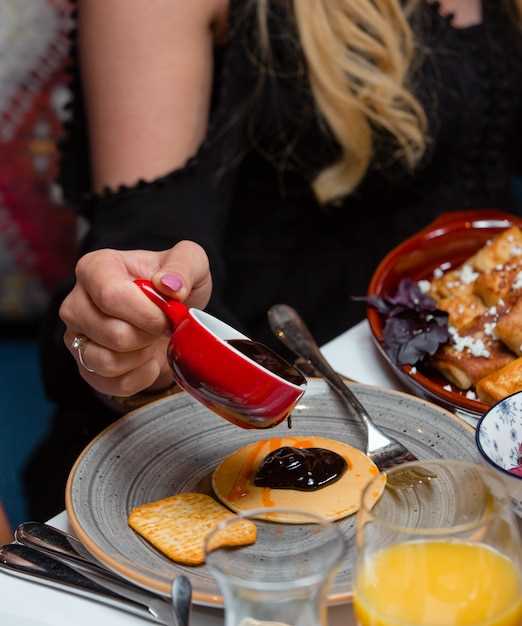
Start with a comfortable alioli base: whisk 1 egg yolk with crushed garlic, add lemon juice and salt, then slowly drizzle olive oil until it thickens into a velvety emulsion; if you cannot use raw egg, blend mayo with garlic and lemon as a reliable base. Eager cooks can use a store-bought aioli base to speed things up.
Romesco blends roasted peppers, almonds, garlic, olive oil, and a splash of vinegar into a lively paste; roast the peppers until charred, then blend with almonds and breadcrumbs for body. In a 3-hour session, you’ll discover its origins in Catalonia and how the smoky, sweet notes promise a punch to grilled vegetables or over crusty bread; this delightful staple stores well in the fridge and stays priced affordably when you make it at home.
Mojo combines garlic, cumin, paprika, olive oil, and vinegar, with optional orange juice for brightness; blitz until smooth and thin with a little water to reach dipping consistency. For a quick fix, whisk by hand and adjust salt to taste; instructors will guide you through experimenting with verde or rojo versions; theyyll help you adjust heat and brightness. The setup is located on a sunny calle near the market, making it easy to locate fresh herbs and citrus for this bright dip. The class promises more creations you can make at home, includes storage tips, and traces the origins of regional mojo styles so you discover how to adapt them to your pantry. If you have questions, the instructors will answer them during the session.