


 اردو
اردو  English (UK)
  Русский
  বাংলা
বাংলা  العربية
  日本語
日本語  한국어
한국어  Magyar
  Norsk nynorsk
  Türkçe
  עִבְרִית
  Español
  Čeština
  Svenska
  Português
  Ελληνικά
  Suomi
Suomi  Nederlands
  Română
  Italiano
  Français
  Polski
  Українська
  Deutsch
  简体中文
简体中文  Slovenčina
  Српски језик
  Azərbaycan dili
  O‘zbekcha
  አማርኛ
አማርኛ 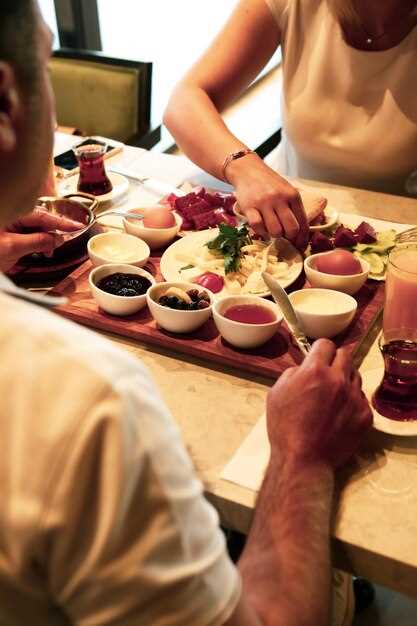 10 تاپاس کوکنگ کلاس - گھر پر کلاسیکی ہسپانوی تاپاس بنانا سیکھیں">

شرکت کریں۔ اس 10 تاپاس کھانا پکانا کلاس اور لے آئیے بہترین گھر میں ہسپانوی ذائقوں کا۔ central توجہ سادہ، بار بار دہرائی جانے والی تکنیکوں پر ہے جو آپ کو پینٹری میں موجود عام اشیاء کو پارٹی کے قابل لقموں میں تبدیل کرنے دیتی ہیں۔ توقع کریں ٹماٹر, ، لہسن، زیتون کا تیل، اور کرسٹی روٹی کو مرکزی حیثیت دینے کے لیے۔ یہ ایک سماجی شام آپ دیر تک میزبانی کر سکتے ہیں، آپ کے باورچی خانے کو ایک میں تبدیل کر کے ملاقات دوستوں اور خاندان کے لیے پوائنٹ۔.
عملی مظاہروں اور رہنمائی کے ذریعے، آپ 10 کلاسک تاپاس میں مہارت حاصل کریں گے، جن میں پٹاتاس براواس سے لے کر ٹارٹیلا ایسپانیولا شامل ہیں۔ سادہ ٹماٹر سے لے کر سموکی پیپریکا تک، آپ ایسی تکنیکیں سیکھیں گے جن کے بارے میں بیشتر گاہکوں نے نوٹ کیا کہ وہ کارآمد رہیں گی۔ ٹور سے آنے والے مسافر رفتار کی تعریف کرتے ہیں۔.
آپ کو صرف چند اوزاروں کی ضرورت ہوگی: ایک سکیلٹ، ایک ساس پین، ایک تیز چاقو، اور ایک مضبوط تختہ۔. پسند متعدد کچنوں میں، آپ بھاری بھرکم آلات کو چھپا سکتے ہیں تاکہ تکنیک پر توجہ مرکوز کرتے وقت کاؤنٹر کو صاف رکھ سکیں۔ دو گھنٹے کی تیاری کریں، ایک صاف جگہ بنائیں اور ہر نوالے کے لیے چھوٹی پلیٹیں رکھیں۔.
یہ فارمیٹ لائیو ڈیمو اور عملی مشق کو یکجا کرتا ہے۔. شرکت کریں۔ اپنی سہولت کے مطابق یا اگر ضرورت ہو تو بعد میں دوبارہ چلائیں۔; weve میں نے خریداری کی ایک عملی فہرست اور فوری میز این پلاس کا منصوبہ بھی شامل کیا ہے تاکہ آپ فوراً شروع کر سکیں۔.
شامل ہوں بہترین کلاس کریں اور ٹاپاس نائٹس کی میزبانی شروع کریں جو دوستوں کو یاد رہیں۔ یہ پروگرام ایک شام میں سماجی ماحول فراہم کرتا ہے، جس میں منصوبہ بندی کرنے، خریداری کرنے اور کھانا پکانے کے لیے واضح اقدامات ہیں، تاکہ آپ کسی بھی شخص کے ساتھ شاندار گفتگو پر ذائقے بانٹ سکیں۔.
گھر پر مستند انداز کے ساتھ کلاسک تاپس میں مہارت حاصل کرنے کے لیے ایک عملی گائیڈ
اس ہفتے مہارت حاصل کرنے کے لیے تین قابلِ اعتماد تاپس کے ساتھ آغاز کریں: گیمباس اَل اجیّو، ٹماٹر پر مبنی ساس کے ساتھ پٹاتاس براواس، اور ایک سادہ ٹورٹیلا ایسپانیولا؛ ان سے اعتماد بڑھے گا۔.
ہر سیشن میں تین عناصر پر مسلسل توجہ مرکوز رکھیں: پین سیئر، ساس میں توازن اور ہر جزو کے لیے عین وقت۔.
اسپین کی روایات ذائقوں کے انتخاب کی رہنمائی کرتی ہیں: علاقائی ثقافت کی عکاسی کے لیے اچھا زیتون کا تیل، تازہ لہسن اور پیمنٹون ڈی لا ویرا استعمال کریں۔.
ہفتہ اول کے لیے خریداری کی فہرست: مختلف رنگوں کی شملہ مرچ، 500 گرام جھینگے، 6-8 آلو، ٹماٹر (یا ڈبہ بند ٹماٹر)، لہسن، زیتون کا تیل، پسی ہوئی لال مرچ، اجمود، نمک، اور فرحت بخش غیر الکوحلی جوڑی کے لیے ایک بوتل ہورچاٹا۔.
منصوبے پر قائم رہنا مدد کرتا ہے: پین کو درمیانی اونچی آنچ پر پہلے سے گرم کریں، سمندری غذا کو خشک کریں، اور تیل کو جلنے سے بچانے کے لیے دیکھتے رہیں؛ کرسٹ کو محفوظ رکھنے کے لیے پین میں زیادہ بھیڑ سے گریز کریں۔.
مختلف طریقوں سے پلیٹوں کو دلچسپ بنائیں: ٹورٹیلا ویجز پر لہسن کے تیل کا ہلکا سا چھڑکاؤ کریں، لیموں کا ایک قتلہ شامل کریں، اور ذاتی انداز دکھانے کے لیے کرسٹی بریڈ پر بروسکیٹا طرز کی ٹاپنگ پر غور کریں۔.
علاقائی موڑ مختلف قسم کے موجود ہیں؛ مسافر اور جائزہ نگار سبھی اس بات پر غور کرتے ہیں کہ ذائقے کس طرح مقامی اجزاء کی عکاسی کرتے ہیں، جو اسپین کے کھانے کے تنوع کی عکاسی کرتے ہیں۔.
اہم نکات میں پلیٹنگ صاف رکھنا، پیش کرنے سے پہلے چکھنا اور مشترکہ میز کے لیے مقدار کم رکھنا شامل ہیں۔.
ورکشاپس اور آن لائن کلاسیں عملی تجربہ پیش کرتی ہیں: عملی سیشن 2-3 گھنٹے تک جاری رہتے ہیں، 3-4 ڈشز کا احاطہ کرتے ہیں، اور آپ کی پیش رفت کی رہنمائی کے لیے چکھنے کے نوٹس فراہم کرتے ہیں۔.
نظرثانی کرنے والے اور مسافر اکثر اس بات پر روشنی ڈالتے ہیں کہ گھر پر تاپاس کا مزہ چکھنا اسپین کی ثقافت سے ایک واضح تعلق پیدا کرتا ہے۔ مسلسل مشق کے ساتھ، آپ چولہے پر اپنی رفتار، توازن اور اعتماد میں ذاتی ترقی دیکھیں گے۔.
ہسپانوی تاپس کے لیے لازمی پینٹری، ٹولز اور آلات
ایک 12 انچ کا کاربن اسٹیل کا سکیلٹ اور ایک 10 انچ کا بھاری نیچے والا برتن خریدیں؛ یہ دونوں چیزیں سئیرنگ، بریزنگ اور ایملشنز کو سنبھالتی ہیں، جس سے آپ پین تبدیل کیے بغیر طویل ڈیمو سیشنز میں ڈیلیور کر سکتے ہیں۔.
مختلف علاقوں میں فوری، لذیذ تاپس کے لیے آپ کے پاس پینٹری میں یہ بنیادی اشیاء ضرور ہونی چاہئیں:
- زیتون کا تیل: بنیادی ذائقے اور تکمیل کے لیے 1-2 اعلیٰ معیار کے ایکسٹرا ورجن بوتلیں۔
- لہسن: 2-3 گٹھیاں، نیز فوری سوفریٹو کے لیے پِسی ہوئی یا باریک کٹی ہوئی لونگ
- پیاز: 4-6 عدد در اندازه متوسط؛ زرد یا سفید برای عمق دادن به طعم
- آلو: مجموعی طور پر 2-3 کلوگرام؛ پٹاتاس براواس کے لیے پتلی جلد اور ٹورٹیلا کے لیے سخت آلو کا مرکب
- ٹماٹر محفوظ یا ٹماٹر پاساٹا
- سموکڈ پیپریکا (پیمینٹون ڈلس اور پیکانٹے)
- شيري ونيگر: 250–500 ملي ليٽر
- زیتون، کیپر، اور اینچوویز
- تازہ ترشہ: ذائقے اور چمک کے لیے لیموں یا نارنگی
- چلی فلیکس یا تازہ چلی؟
- سمندری نمک، باریک ختم کرنے والا نمک
- ڈبہ بند یا بوتلوں میں محفوظ سمندری غذا: فوری کھانے کے لیے ٹونا، مسلز یا اینکوویز
- جڑی بوٹیاں: اجمود، دھنیا، اور تیز پات
تیاری کو تیز کرنے اور ذائقوں کو برقرار رکھنے کے لیے ٹولز:
- شیف کا چاقو (8-10 انچ) اور ایک پیرنگ چاقو
- این لغزش سے پاک گرفت والے کٹنگ بورڈ
- مائیکروپلین زیسٹر اور ایک سٹرس پریس
- لکڑی کا چمچہ، سلیکون اسپاتولا، سلاٹ والا چمچہ
- چمٹے، مکڑی کا چھلنی، اور ایک چھوٹا سکیمر
- Measuring spoons, kitchen scale, and an instant-read thermometer
- Grater for manchego or aged cheeses
- Sharp kitchen shears for trimming herbs and seafood
Equipment and serving ware to present tapas beautifully and keep the process smooth:
- Paella pan (paellera) in 32–40 cm; smaller 20–30 cm works for demonstrations
- Cazuela or clay dishes for hot, rustic serving
- Tapas plates, board, and small bowls for variety
- Small ramekins or squeeze bottles for sauces and aioli
- Skewers (metal or bamboo) for shrimp, scallops, or peppers
- Heatproof mats, oven-safe lids, and kitchen towels for safety
- Digital timer and thermometer for precise steps
- Serving tongs and ladles in easy-grip handles
Once you assemble this setup, you can make a steady stream of dishes, from patatas bravas to quick scallops with zesty aioli. Your personal touch shines as you walk through the steps, answer questions, and meet the appetite of customers and younger cooks who attend classes. Love for preparation shows in every plate, and reviewers notice reliable results you cannot hide from curious palates. Thats why the setup matters for steady results across every class.
Knife Skills and Mise en Place for Small-Bite Dishes
Sharpen blades to about 15–20 degrees and organize mise en place in three zones: prep, cut, finish. Secure clothing, roll sleeves, remove jewelry, and keep a damp towel within reach to wipe blades between tasks. This setup minimizes waste and speeds up small-bite work.
Tools matter more than you expect. Equip an 8-inch chef’s knife, a 3-4 inch paring knife, and a serrated knife for crusty bread. Use a honing steel before and after rounds of chopping to maintain an edge; what you received from a well-tuned knife is control and speed. For particularly delicate tasks, switch to a lightweight blade.
Mise en place for tapas starts with prepared prep. Line up prepared ingredients by color and cut size on color-coded boards; label items for vegetarian options. whats common across successful kitchens is a tidy station, and lovers of small bites notice faster plating. In spain, tapas tradition rewards precision and timing.
Cutting techniques: julienne 2-3 mm strips, batonnet 3-4 mm sticks, and brunoise 1-2 mm dice. Use chiffonade for herbs. Keep the blade close to the board and guide with your knuckles; this reduces fatigue even during long sessions.
Workflow and safety. Practice a steady rhythm to prevent labor fatigue; rotate tasks between chopping and finishing. If you travel between hotel kitchens or classes by bike, carry a compact knife roll and a slim board to keep blades safe and ready. Whether you cook solo or in a class, this system scales.
Flavor and plating. Once prep is done, taste a sample and adjust salt and acid to sharpen flavor. Plate items with small, even portions, around 15-20 g per bite. Horchata pairs well between rounds for a refreshing palate cleanser.
Travelers and hotel guests arrive with different preferences. Offering vegetarian options widens appeal. Providing consistent portions and clear labeling helps a person or group know what to expect. Meeting around the prep table with the expert keeps everyone aligned and speeds service.
Overall guidance from this knife and mise en place routine: practice with a simple prep sheet listing cut sizes and order; expert feedback and repetition build confidence.
Authenticity through Flavor: Key Ingredients and Techniques
Begin with a simple, authentic base: tumaca on crusty bread, rubbed with garlic, brushed with olive oil, and a pinch of sea salt. This foundation lets the tomato’s sweetness and the olive oil’s fruitiness paint a toast that tastes bright and well balanced. This base is a part of your core technique.
Choose ingredients that deliver maximum aroma and texture: ripe tomatoes from valley farms, extra-virgin olive oil, coarse sea salt, and just a splash of sherry vinegar. Use garlic for depth; for a smoky lift, introduce a touch of pimentón. Keep each element fresh and prepared close to service for detail and intensity.
Techniques to lock in authenticity: toast bread until the crust is crisp; rub the cut garlic across the warm surface; smear tomato pulp thinly to form a glaze rather than a wet topping; drizzle oil in a slow, steady stream to paint flavor across each piece. This technique, allowing the tomato’s brightness to shine, keeps texture lively and flavors distinct.
Expand the lineup with bright, clean pairings: marinated olives, manchego shards, charred peppers, and a bruschetta-inspired topping for contrast. In Madrid, pan con tomate remains the star, but a small, well-chosen set of companions makes the tasting more rewarding. Overall, this approach should satisfy both purists and curious tasters.
For visiting Madrid, plan a tasting sequence that translates well to home: start with the basics, then build toward more complex combos. If you are visiting, join short food tours to see markets and kitchens; a 25-hour learning plan spread across tutorials should feel more rewarding and manageable.
To support those efforts, assemble a compact toolkit: a sharp chef’s knife, a sturdy board, a microplane for zest, a pastry brush or oil brush, a cast-iron skillet or griddle, and a small spoon for finishing salt. With these tools, you can execute the technique consistently and elevate your cooking at home. This kit is rated for home cooks and builds your skills.
Detail matters: measure salt gradually, taste after each step, and adjust acidity with a splash more vinegar if needed. Your palate will thank you as you move from simple tumaca to a fully layered spread that does not miss the mark and stays true to the classic flavor profile, providing an overall high level of confidence in every plate.
Step-by-Step: Classic Tapas – Patatas Bravas and Gambas al Ajillo
Begin with mise en place for Patatas Bravas and Gambas al Ajillo. In this interactive session, activities include crisping potatoes, sautéing garlic shrimp, a guided tasting, and a quick notes exchange at the table to build memories. This brunch-friendly pairing fits weekend gatherings and helps with learning at home.
Patatas Bravas: Step 1: Cut 500 g potatoes into 2 cm pieces; rinse to remove excess starch and pat dry. Step 2: Fry in oil heated to 180°C until crisp, about 4-5 minutes. Step 3: Sauce: sauté 1/2 onion and 2 garlic cloves in 2 tablespoons olive oil, add 400 g crushed tomatoes, 1 teaspoon smoked paprika, 1/2 teaspoon cayenne; simmer 8-10 minutes and season with salt. Step 4: Toss potatoes with sauce and finish with chopped parsley. Step 5: Serve hot with extra paprika for aroma.
Gambas al Ajillo: Step 1: Pat-dry 300 g shrimp. Step 2: Heat 60 ml olive oil in a skillet until shimmering. Step 3: Add 4 garlic cloves (sliced) and 1/4 teaspoon chili flakes; cook 1-2 minutes until fragrant. Step 4: Add shrimp; cook 2-3 minutes until pink. Step 5: Finish with chopped parsley and a squeeze of lemon; season with salt.
Serving the dishes at the same table encourages a smooth tasting flow. Booking a class provides a recipe code for reuse and access to tutorials. Reviewers highlight clear demonstrations and the way each step builds confidence in home cooking. If you notice discrepancies in heat or salt, adjust by adding a pinch more paprika or a touch more salt to the sauce, then re-taste.
You can adjust different heat levels to suit your crowd.
Optional tours of pantry staples accompany the session for learners who want a broader context.
Table: key ingredients and quick notes
| Dish | Ingredients (per serving) | Brief Steps |
|---|---|---|
| Patatas Bravas | Potatoes 500 g; Olive oil 2-3 tbsp; Crushed tomatoes 400 g; Onion 1/2; Garlic 2 cloves; Smoked paprika 1 tsp; Cayenne 1/4 tsp; Salt | Dice potatoes; Fry until crisp (180°C); Prepare sauce and combine; finish with parsley |
| Gambas al Ajillo | Shrimp 300 g; Garlic 4 cloves; Olive oil 60 ml; Chili flakes 1/4 tsp; Parsley; Lemon; Salt | Sauté garlic in oil; add shrimp; cook 2-3 min; finish with parsley and lemon |
Sauces, Dips, and Quick Fixes: Alioli, Romesco, Mojo
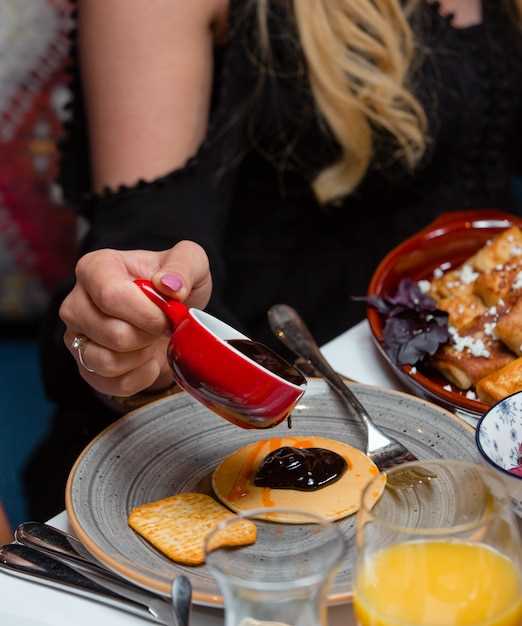
Start with a comfortable alioli base: whisk 1 egg yolk with crushed garlic, add lemon juice and salt, then slowly drizzle olive oil until it thickens into a velvety emulsion; if you cannot use raw egg, blend mayo with garlic and lemon as a reliable base. Eager cooks can use a store-bought aioli base to speed things up.
Romesco blends roasted peppers, almonds, garlic, olive oil, and a splash of vinegar into a lively paste; roast the peppers until charred, then blend with almonds and breadcrumbs for body. In a 3-hour session, you’ll discover its origins in Catalonia and how the smoky, sweet notes promise a punch to grilled vegetables or over crusty bread; this delightful staple stores well in the fridge and stays priced affordably when you make it at home.
Mojo combines garlic, cumin, paprika, olive oil, and vinegar, with optional orange juice for brightness; blitz until smooth and thin with a little water to reach dipping consistency. For a quick fix, whisk by hand and adjust salt to taste; instructors will guide you through experimenting with verde or rojo versions; theyyll help you adjust heat and brightness. The setup is located on a sunny calle near the market, making it easy to locate fresh herbs and citrus for this bright dip. The class promises more creations you can make at home, includes storage tips, and traces the origins of regional mojo styles so you discover how to adapt them to your pantry. If you have questions, the instructors will answer them during the session.