


 O‘zbekcha
  English (UK)
  Русский
  বাংলা
বাংলা  العربية
  日本語
日本語  한국어
한국어  Magyar
  Norsk nynorsk
  Türkçe
  עִבְרִית
  Español
  Čeština
  Svenska
  Português
  Ελληνικά
  Suomi
Suomi  Nederlands
  Română
  Italiano
  Français
  Polski
  Українська
  Deutsch
  简体中文
简体中文  Slovenčina
  Српски језик
  اردو
اردو  Azərbaycan dili
  አማርኛ
አማርኛ 

Choose a destination within a short radius and travel by rail or bus when possible to cut emissions and start sustainable travel right away.
As a traveler, pack light to reduce waste, carry a durable bottle to drink, and keep a small litter-free kit to manage waste on the road.
Respect wild habitats by sticking to marked trails and following local practices that protect nature and wildlife, even in busy areas.
Choose meals that are locally sourced and seasonal; you only need to order what you can finish, reducing litter and the need for takeout waste.
For longer distances, avoid flying when alternatives exist; opt for trains or ferries and choose direct routes to minimize emissions.
Keep snacks handy with simple, low-packaging options, like bananas or nuts in reusable containers to reduce single-use wrappers.
Find the right eco-friendly activities with locals, ask about anything else you can do, and support businesses that share transparent practices; travel responsibly and leave them better than you found them.
Becoming an eco-conscious traveler means adopting eight simple steps you can repeat on any trip, including choosing nearby routes, reducing waste, and supporting locals.
8 Practical Tips for Eco-Conscious Travelers with Water-Conscious Tactics
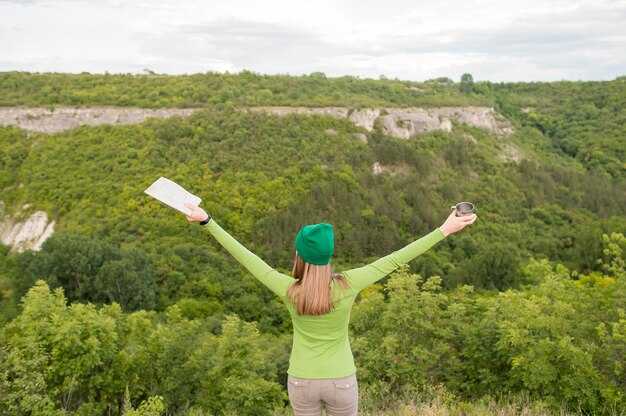
- Pick the best flight with eco-friendlier options and carbon offset programs to reduce your footprint as a traveler.
- Pack a refillable bottle and a compact water filter to avoid buying anything single-use.
- Stay in eco-conscious hotel options that install low-flow fixtures and harvest rainwater for common areas.
- Conserve water daily: take shorter showers, reuse towels, and run laundry only with a full load.
- Protect reefs by snorkeling with licensed guides, avoiding touching corals, and supporting protection of marine habitats.
- Offset your carbon for flights and other travel by using verified programs; documenting your offsets and making receipts.
- Walk, cycle, or ride public transit whenever possible to cut transport pollution; pick routes that minimize water waste and use them properly.
- Share practical tips via media and talk with locals about water needs; your stories can inspire better practices, and youre there to learn.
Choose Lodgings with Water-Saving Features
Book accommodations with water-saving features, such as low-flow showerheads, dual-flush toilets, and efficient laundry systems, to reduce much water use by about 30–40% on a typical stay, without sacrificing experience. Low-flow showers run about 1.5–1.8 gpm, dual-flush toilets 1.0–1.6 gpf, and high-efficiency laundries use 15–25 gallons per load instead of 30–45.
Looking for ratings or labels like WaterSense or green globe, and asking about linen-reuse programs and towel reductions. It’s okay to confirm how often they wash linens and whether they offer room-service options that minimize laundry for them. With thousands of accommodations worldwide offering these practices, you can travel mindful as plans change without sacrificing comfort.
Engage with staff to confirm outdoor irrigation uses drought-tolerant landscaping and any on-site rainwater harvesting. Some properties implement graywater systems or solar-powered pumping for irrigation, combining renewable energy with conservation and offering an alternative water path that cuts demand.
Consider budget-friendly options like a hostel that prioritizes water-efficiency or an organic-themed property using organic cotton towels and line-dried linens. These choices can be less costly and still meet comfort needs, helping you keep cost down while reducing carbon.
Becoming a travelling advocate for conservation, you respect local ecosystems and help shift demand toward less water-intensive options. Choosing lodgings with water-saving features lowers carbon, supports mindful conservation, and offers better experiences for communities and the planet across many nights.
Pack Light and Reuse Bottles and Gear
Make packing light your default: bring a durable 1.0–1.2 liter drinking bottle and one compact, fast-drying bag that can serve as a daypack. A second bag keeps damp clothes separate, simplifying transitions at destinations.
Refill the bottle at accommodations and in local communities; avoid single-use bottles and cups. This practice means less trash and cleaner oceans and habitats along the route.
Choose multiuse gear that reduces the number of items you take. For example, a cap that doubles as a cup, a quick-dry towel, and a foldable utensil set let you take fewer things while staying comfortable on long hikes or transit days. These choices cut bulk and lower fatigue down during travel by train or plane, and they make taking fewer bags easier.
Care for the gear and the planet: rinse drinking water residue, dry items completely, and store in a dedicated bag to prevent mold. Opt for durable manmade fabrics and coatings that withstand travel, and choose renewable options when possible, so gear lasts longer and travel remains responsible.
Mistakes to avoid include overpacking, buying new gear on arrival, and discarding reusable containers as trash. Plan meals with a diet that leans toward plant-based options to reduce packaging and waste, helping communities protect animal habitats and oceans.
Becoming a lighter traveler changes how you move across destinations: you stay flexible, save energy, and leave less impact. Taking fewer bags and reusing gear means you can explore more destinations with less disruption to habitats and animal life.
Choose Public Transit, Walking, or Cycling
Take public transit for most city trips, then switch to walking or cycling for the last mile.
Public transit is your strongest option for eco-friendlier travel in dense areas. With buses, trams, and metro, you share a vehicle with many riders, which lowers emissions per person. Typical CO2 per passenger-km ranges from about 40 to 80 g, versus roughly 180 g per km for single-occupancy cars. Cost per ride is often in the 2–5 USD range, and monthly passes cut that further. If youre planning a day out, you can leave the car at home, pack light, and still cover meaningful distances while maintaining speed. For a simple energy boost, pack bananas and water, then keep moving. Switching modes means less stress on your wallet and the planet. There is great potential to connect with neighbors along the way.
Walking makes sense for short trips and offers zero direct emissions. It costs only time, strengthens your heart and legs, and helps you notice neighborhood details. If youre new to longer walks, start with routes near home and build up gradually. Foot traffic also helps communities thrive by increasing pedestrian flow and supporting local shops. Pack a water bottle and choose comfortable shoes for comfort and safety. There are routes that let you combine modes, turning each step into a small, positive action for your day.
Cycling covers mid-range distances quickly and with minimal cost. If you own a bike, ongoing maintenance is modest. If you rent, daily rates vary by city (roughly 5–15 USD). Always carry a lock, a repair kit, front and rear lights, and a spare tube. Use bike lanes or quiet streets, and plan routes that avoid steep hills. Regular cycling turns commutes into a healthy habit while preserving streets for pedestrians and buses, which is a win for communities and the worlds we share.
Combine modes to maximize results. For example, take transit to a neighborhood hub, then walk to a park, and use cycling for errands around town. This mix suits youre schedule and helps you stay flexible. Keep a small pack with essentials, such as a rain layer, water, and a few snacks. Leaving the car behind reduces traffic, improves air quality, and creates a positive example for others who want to switch to greener options. When you start small, you can build a routine that supports eco-friendly living.
| Variant | Typical cost per trip | CO2 per passenger-km | City travel speed | Maslahatlar |
|---|---|---|---|---|
| Jamoat transporti | 2–5 USD; monthly passes 40–100 USD | 40–80 g | Moderate to fast in dense networks | Carry a pass or card; check real-time updates; pack light |
| Sayr qilish | 0 | 0 | Slowest for long legs | Wear comfortable shoes; hydrate; plan safe routes |
| Cycling | Rentals 5–15 USD/day; own bike costs vary | 0 | Fast for short to mid distances | Carry lock, repair kit, lights; ride in bike lanes |
Mahalliy, mavsumiy mahsulotlar iste'mol qiling va oziq-ovqat chiqindilarini kamaytiring
Mavsumiy mahsulotlar uchun mahalliy bozorlarda xarid qiling va sayohat uchun ovqat rejalashtiring, shunda xarid qilgan narsangiz xarid ro'yxatidan tezda dasturxonga o'tadi va chiqindilar kamayadi. Ular yaqin atrofda o'sgan, hayotga ta'sirni kamaytiradigan va qadoqlash shikastlanishini kamaytiradigan qisqa yo'llari bilan ancha yangi variantlar edi.
To‘g‘ri saqlang: bargli ko‘katlarni sabzavot qutisida, ildiz mevalarni salqin, qorong‘i joyda saqlang va yashil mahsulotlarni pishib yetilgan mevalardan uzoqroq tuting, bu pishishni sekinlashtiradi. Bu mahsulotlarning yangiligini uzaytiradi, buzilishini kamaytiradi va bayram manzillaringizga ketadigan oziq-ovqat milyalarini qisqartirish orqali pulingizni tejashga yordam beradi va yo‘lda kamroq to‘xtashga imkon beradi.
Qoldiqlaringiz bo'lsa, ularga sho'ng'ib, yangi taomga aylantiring: kechagi qovurilgan sabzavotlar frittata, рулет yoki tez tayyor bo'ladigan sho'rvaga aylanadi. Agar ishonchingiz komil bo'lmasa, oddiy kombinatsiyadan boshlang va ta'tib ko'ring; band bo'lgan sayohat kunlarida ta'midan voz kechmasdan chiqindilarni kamaytirishingiz mumkin.
Oʻzingizning idishlaringiz va qayta ishlatiladigan sumkalaringizni olib yurish chiqindilarni kamaytirishni osonlashtiradi; bu sayohat joylarida qadoqlashni kamaytiradi va sayohatchilar mahalliy aholi bilan maslahatlar va ovqat qoldiqlarini baham ko'radigan ongli ovqatlanish atrofidagi ijtimoiy fikrlashni qo'llab-quvvatlaydi.
Sayohat qiluvchilar mahalliy, mavsumiy variantlarga o'tish orqali o'z byudjetlari va atrof-muhitga sezilarli ta'sir ko'rsatadilar. Katta yetkazib beruvchilar o'rniga kichik ishlab chiqaruvchilarga o'tish oziq-ovqatning tashilish masofasini kamaytiradi va tirikchilikni himoya qiladi, shuning uchun ovqatlar yangiroq bo'ladi va sayyoramiz foyda ko'radi.
Xo'sh, amaliy qoida o'rnating: faqat uch kun ichida pishira oladigan narsalarni sotib oling, so'ngra qolganini qayta ishlatib yoki muzlatib qo'ying. Bu chiqindilarni kamaytiradi, byudjetda qolishga yordam beradi va yo'lda hayotdan zavqlanar ekansiz, sayohatni ekologik toza qiladi.
Kichik o'zgarishlar manzilgohlar va ularga g'amxo'rlik qiluvchi odamlar uchun katta farqni anglatishi mumkin; chiqindilarni kam ushlab turish ko'proq yashil hayot va mahalliy ekotizimlarga kamroq zarar yetkazish demakdir.
Suvni tejash amaliyotlari: har bir sayohatda beshta aniq harakat
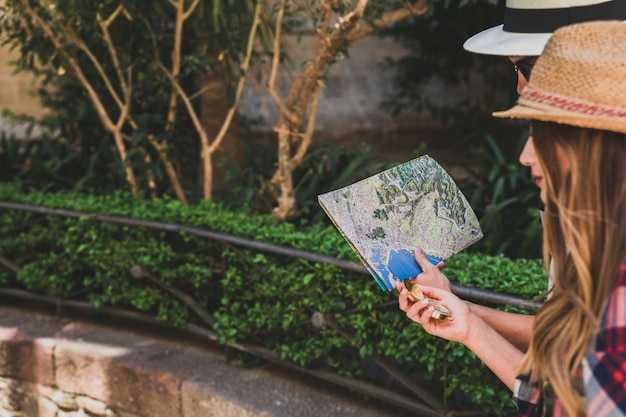
Har bir safarda plastik chiqindilarni kamaytirish va pulni tejash uchun qayta ishlatiladigan idish olib yuring. Xaridlar uchun ixcham qayta ishlatiladigan sumkalar to‘plamini joylang va plastik o‘ramli gazaklar o‘rniga bozorlardan tarvuzni oling. Aeroport zallari va mehmonxona nonushtalarida bir martalik idishlardan voz keching va uzoq safarlarda tayyor turishi uchun idishni har kuni ertalab chaying. Plastik idishning parchalanishi uchun 450 yilgacha vaqt ketishi mumkin, shuning uchun bardoshli variantlarni tanlash uzoq muddatli o‘zgarishga olib keladi.
2-Qadam: Kam emissiyali yoʻnalishlarni oldindan rejalashtirish va iloji boricha samolyotda uchish oʻrniga poyezd yoki avtobuslarni tanlash orqali ustuvor ahamiyatga ega qiling. Amaliy jihati – yoʻnalishlarni oldindan solishtiring va energiya sarfini kamaytirish uchun yukxaltangizni yengil qiling. Sekin sayohat qiling va energiya va emissiyalarni kamaytirish uchun bir joyda uzoqroq turing. Agar uchishingiz kerak boʻlsa, toʻgʻridan-toʻgʻri reyslarga buyurtma bering va uglerod ofsetlarini koʻrib chiqing, soʻngra mashina vaqtini kamaytirish uchun kelganingizdan soʻng piyoda yoki velosipedda harakatlaning.
3-Qadam: Habitat va okeanlarni himoya qilish uchun belgilangan yo'llarda yurish va yovvoyi tabiatdan hurmatli masofani saqlash; marjonlar xavfsiz quyoshdan himoya kremini surting va marjonlarga tegmang. Snorkling yoki suv ostida suzish bo'yicha mahalliy qoidalarni o'rganing va riflarni va minglab gektar habitatni himoya qiladigan tabiatni muhofaza qilish loyihalarini amalga oshiradigan gidlarni qo'llab-quvvatlang. Kichik axlat qopini olib yuring va uchragan mikro-axlatni yig'ishtiring, har bir sayohatni tabiatga ongli ravishda xizmat qilish burchiga aylantiring.
4-qadam: Kichik sotuvchilardan xarid qilish, mahalliy gidlardan foydalanish va qayta tiklanadigan energiya bilan ishlaydigan turar joylarni tanlash orqali mahalliy jamiyatlarni qo'llab-quvvatlang. Habitatni tiklash va riflarni himoya qilishga sarmoya kiritadigan sertifikatlarni yoki jamiyat tomonidan boshqariladigan konservatsiya loyihalarini qidiring - to'g'ri kanallar orqali xaridlaringiz haqiqiy o'zgarishlarga olib keladi. Bundan tashqari, yashil bo'yashdan qochish uchun bron qilishdan oldin ishonchli NNTlardan olingan sertifikatlarni tekshiring. Ushbu maqolada da'volarni tekshirish uchun amaliy qadamlar keltirilgan: sizning turar joyingizdan nima moliyalashtiriladi va u qanday qilib uy mintaqasiga foyda keltiradi va ommaviy bozor importi o'rniga mahalliy hunarmandlar tomonidan tayyorlangan mahsulotlarni afzal ko'rishingiz kerak.
5-qadam: Mehmonxonalarda yorug'lik va iqlim sozlamalarini me'yorga keltirib, sochiqlarni qayta ishlatib, qisqa dush qabul qilib hamda xonadan chiqayotganda elektronika vositalarini o'chirib, energiya va suvni tejang. Bir martalik buyumlardan qochish uchun ixcham shaxsiy gigiyena to'plamini yig'ing; kech yetib kelish uchun kichik фонарик olib keling va qayta ishlatiladigan sayohat anjomlaridan foydalaning. Ushbu maslahatlarni sayohatdoshlaringiz bilan baham ko'ring, shunda har bir sayohat davomida hamma hushyor bo'lib, oddiy odatlar orqali okeanlar, riflar va yashash joylarini himoya qilish bo'yicha umumiy burchni mustahkamlaydi.