


 አማርኛ
አማርኛ  English (UK)
  Русский
  বাংলা
বাংলা  العربية
  日本語
日本語  한국어
한국어  Magyar
  Norsk nynorsk
  Türkçe
  עִבְרִית
  Español
  Čeština
  Svenska
  Português
  Ελληνικά
  Suomi
Suomi  Nederlands
  Română
  Italiano
  Français
  Polski
  Українська
  Deutsch
  简体中文
简体中文  Slovenčina
  Српски језик
  اردو
اردو  Azərbaycan dili
  O‘zbekcha

Choose a destination within a short radius and travel by rail or bus when possible to cut emissions and start sustainable travel right away.
As a traveler, pack light to reduce waste, carry a durable bottle to drink, and keep a small litter-free kit to manage waste on the road.
Respect wild habitats by sticking to marked trails and following local practices that protect nature and wildlife, even in busy areas.
Choose meals that are locally sourced and seasonal; you only need to order what you can finish, reducing litter and the need for takeout waste.
For longer distances, avoid flying when alternatives exist; opt for trains or ferries and choose direct routes to minimize emissions.
Keep snacks handy with simple, low-packaging options, like bananas or nuts in reusable containers to reduce single-use wrappers.
Find the right eco-friendly activities with locals, ask about anything else you can do, and support businesses that share transparent practices; travel responsibly and leave them better than you found them.
Becoming an eco-conscious traveler means adopting eight simple steps you can repeat on any trip, including choosing nearby routes, reducing waste, and supporting locals.
8 Practical Tips for Eco-Conscious Travelers with Water-Conscious Tactics
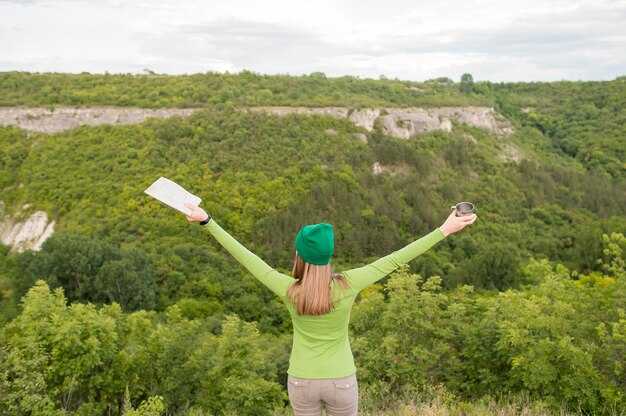
- Pick the best flight with eco-friendlier options and carbon offset programs to reduce your footprint as a traveler.
- Pack a refillable bottle and a compact water filter to avoid buying anything single-use.
- Stay in eco-conscious hotel options that install low-flow fixtures and harvest rainwater for common areas.
- Conserve water daily: take shorter showers, reuse towels, and run laundry only with a full load.
- Protect reefs by snorkeling with licensed guides, avoiding touching corals, and supporting protection of marine habitats.
- Offset your carbon for flights and other travel by using verified programs; documenting your offsets and making receipts.
- Walk, cycle, or ride public transit whenever possible to cut transport pollution; pick routes that minimize water waste and use them properly.
- Share practical tips via media and talk with locals about water needs; your stories can inspire better practices, and youre there to learn.
Choose Lodgings with Water-Saving Features
Book accommodations with water-saving features, such as low-flow showerheads, dual-flush toilets, and efficient laundry systems, to reduce much water use by about 30–40% on a typical stay, without sacrificing experience. Low-flow showers run about 1.5–1.8 gpm, dual-flush toilets 1.0–1.6 gpf, and high-efficiency laundries use 15–25 gallons per load instead of 30–45.
Looking for ratings or labels like WaterSense or green globe, and asking about linen-reuse programs and towel reductions. It’s okay to confirm how often they wash linens and whether they offer room-service options that minimize laundry for them. With thousands of accommodations worldwide offering these practices, you can travel mindful as plans change without sacrificing comfort.
Engage with staff to confirm outdoor irrigation uses drought-tolerant landscaping and any on-site rainwater harvesting. Some properties implement graywater systems or solar-powered pumping for irrigation, combining renewable energy with conservation and offering an alternative water path that cuts demand.
Consider budget-friendly options like a hostel that prioritizes water-efficiency or an organic-themed property using organic cotton towels and line-dried linens. These choices can be less costly and still meet comfort needs, helping you keep cost down while reducing carbon.
Becoming a travelling advocate for conservation, you respect local ecosystems and help shift demand toward less water-intensive options. Choosing lodgings with water-saving features lowers carbon, supports mindful conservation, and offers better experiences for communities and the planet across many nights.
Pack Light and Reuse Bottles and Gear
Make packing light your default: bring a durable 1.0–1.2 liter drinking bottle and one compact, fast-drying bag that can serve as a daypack. A second bag keeps damp clothes separate, simplifying transitions at destinations.
Refill the bottle at accommodations and in local communities; avoid single-use bottles and cups. This practice means less trash and cleaner oceans and habitats along the route.
Choose multiuse gear that reduces the number of items you take. For example, a cap that doubles as a cup, a quick-dry towel, and a foldable utensil set let you take fewer things while staying comfortable on long hikes or transit days. These choices cut bulk and lower fatigue down during travel by train or plane, and they make taking fewer bags easier.
Care for the gear and the planet: rinse drinking water residue, dry items completely, and store in a dedicated bag to prevent mold. Opt for durable manmade fabrics and coatings that withstand travel, and choose renewable options when possible, so gear lasts longer and travel remains responsible.
Mistakes to avoid include overpacking, buying new gear on arrival, and discarding reusable containers as trash. Plan meals with a diet that leans toward plant-based options to reduce packaging and waste, helping communities protect animal habitats and oceans.
Becoming a lighter traveler changes how you move across destinations: you stay flexible, save energy, and leave less impact. Taking fewer bags and reusing gear means you can explore more destinations with less disruption to habitats and animal life.
Choose Public Transit, Walking, or Cycling
Take public transit for most city trips, then switch to walking or cycling for the last mile.
Public transit is your strongest option for eco-friendlier travel in dense areas. With buses, trams, and metro, you share a vehicle with many riders, which lowers emissions per person. Typical CO2 per passenger-km ranges from about 40 to 80 g, versus roughly 180 g per km for single-occupancy cars. Cost per ride is often in the 2–5 USD range, and monthly passes cut that further. If youre planning a day out, you can leave the car at home, pack light, and still cover meaningful distances while maintaining speed. For a simple energy boost, pack bananas and water, then keep moving. Switching modes means less stress on your wallet and the planet. There is great potential to connect with neighbors along the way.
Walking makes sense for short trips and offers zero direct emissions. It costs only time, strengthens your heart and legs, and helps you notice neighborhood details. If youre new to longer walks, start with routes near home and build up gradually. Foot traffic also helps communities thrive by increasing pedestrian flow and supporting local shops. Pack a water bottle and choose comfortable shoes for comfort and safety. There are routes that let you combine modes, turning each step into a small, positive action for your day.
Cycling covers mid-range distances quickly and with minimal cost. If you own a bike, ongoing maintenance is modest. If you rent, daily rates vary by city (roughly 5–15 USD). Always carry a lock, a repair kit, front and rear lights, and a spare tube. Use bike lanes or quiet streets, and plan routes that avoid steep hills. Regular cycling turns commutes into a healthy habit while preserving streets for pedestrians and buses, which is a win for communities and the worlds we share.
Combine modes to maximize results. For example, take transit to a neighborhood hub, then walk to a park, and use cycling for errands around town. This mix suits youre schedule and helps you stay flexible. Keep a small pack with essentials, such as a rain layer, water, and a few snacks. Leaving the car behind reduces traffic, improves air quality, and creates a positive example for others who want to switch to greener options. When you start small, you can build a routine that supports eco-friendly living.
| Option | Typical cost per trip | CO2 per passenger-km | City travel speed | ጠቃሚ ምክሮች |
|---|---|---|---|---|
| Public transit | 2–5 USD; monthly passes 40–100 USD | 40–80 g | Moderate to fast in dense networks | Carry a pass or card; check real-time updates; pack light |
| ምWalking | 0 | 0 | Slowest for long legs | Wear comfortable shoes; hydrate; plan safe routes |
| Cycling | Rentals 5–15 USD/day; own bike costs vary | 0 | Fast for short to mid distances | Carry lock, repair kit, lights; ride in bike lanes |
ብሀልይ ብናይ ዓዲ፣ ብግዜኡ፣ ከምኡ'ውን ብልሽነት ምግብ’ን ንካንስ።
ሸዊት ናይ ዓዲ ዕዳጋታት ንወቅታዊ ፍረን መኣዛታት ፈልጡ እሞ ምግቢ ንጉዕዞኹም ኣቀዲምኩም ምድላው ግበሩ፣ ስለዚ እቲ ትገዝእዎ ካብ ዝርዝር መሸመቲ ናብ ሳህን ብቕልጡፍ ይኸይድ ብምባል ብኽነት ይንኪ። እቲኦም ዝቐረቡ ኣማራጺታት፡ ኣብ ጥቓኦም ዝተተኽሉ፡ ነቲ ሓጺር መንገዶም ነቲ ኣብ ህይወት ዘለዎ ጽልዋ እናнክዩን ጉዳት መኽደን እናተንከፈን።.
ማከማቻ፡ ቅጠላማ አትክልቶችን ማስቀመጫ ውስጥ፣ የደረቁ አትክልቶችን ቀዝቃዛና ጨለማ ቦታ ውስጥ፣ አረንጓዴ ምርቶችን ደግሞ ከበሰሉ ፍራፍሬዎች ራቅ አድርገው በማስቀመጥ ብስለታቸውን ማዘግየት። ይህ ትኩስነታቸውን ያረዝማል፣ መበላሸትን ይቀንሳል፣ እንዲሁም ገንዘብዎን ለመቆጠብ ይረዳዎታል፤ የበዓል መዳረሻዎትን ሲጓዙ የጉዞ ርቀትን ከመቀነስ ባሻገር በመንገድ ላይ የሚኖሩትን ቆይታዎች ይቀንሳል።.
ድሕሪ ዝተረፈካ ምግቢ፣ ናብኡ ብምእታው ናብ ሓድሽ ዓይነት መግቢ ለውጦ፤ ትማሊ ዝተጠብሰ ኣሕምልቲ ፍሪታታ ወይ ድማ ቁርጥራጽ ወይ ቀልጣፍ ሾርባ ይኸውን። እንተዘይ ተረዲእካ ቀሊል ብምውህሃድ ጀምርን ቅመሞ፤ ኣብ ጽዑቕ ናይ ምጓዓዝ መዓልታት ጣዕሚ ከይሰኣንካ ብዘይ ምብኻን ከተውርድ ትኽእል ኢኻ።.
ቆሻሻን መቀነስ የራስዎን ዕቃዎችና እንደገና ጥቅም ላይ የሚውሉ ከረጢቶችን ይዘው ሲሄዱ ይቀላል፤ ይህም በመድረሻዎች የሚደረገውን ማሸጊያ በመቀነስ ተጓዦች ጠቃሚ ምክሮችንና ትርፍራፊ ምግቦችን ለአካባቢው ሰዎች በሚሰጡበት ጥንቁቅ የመመገብ ልማድ ላይ የተመሠረተ ማኅበራዊ አስተሳሰብን ይደግፋል።.
travelers jiñ ni switch i lo local, seasonal options emen wia significant impact ion both their budgets ak environment eo. switch in ñan small producers over large supplier ko e lok loktak food miles ak ejaki livelihood ko, joten meals rej feel fresher ak planet ej benefit.
እሺ፡ በሦስት ቀናት ውስጥ ማብሰል የምትችለውን ብቻ ግዛ፤ ከዚያ ቀሪውን እንደገና ተጠቀም ወይም አቀዘቅዘው። ይህ ብክነትን ይቀንሳል፣ በጀትህን ለመጠበቅ ይረዳሃል፣ እንዲሁም በመንገድ ላይ ህይወትህን እየተደሰትክ ጉዞውን አረንጓዴ ያደርገዋል።.
ጥቃቅን ማስተካከያዎች ለአካባቢዎችና እነሱን ለሚንከባከቡ ሰዎች ትልቅ ለውጥ ሊያመጡ ይችላሉ፤ ቆሻሻን መቀነስ ማለት ብዙ አረንጓዴ ሕይወትና በአካባቢው ሥነ ምህዳሮች ላይ የሚደርሰው ጉዳት አነስተኛ መሆን ማለት ነው።.
የውሃ አስተዋይነት ልምዶች፡ በእያንዳንዱ ጉዞ ላይ አምስት ተጨባጭ ተግባራት

ብዙ ጊዜ ጥቅም ላይ ሊውል የሚችል ጠርሙስ ይዘው በመጓዝ የፕላስቲክ ብክነትን ይቀንሱ፤ እንዲሁም ገንዘብ ይቆጥቡ። ለግዢ የሚሆኑ የታመቁ ከበርካታ ጊዜያት በላይ ጥቅም ላይ የሚውሉ ከረጢቶችን ይያዙ፤ ፕላስቲክ የተጠቀለለባቸውን መክሰስ ከመግዛት ይልቅ ከገበያ ላይ ልቅ የሆኑ ሙዞችን ይግዙ። በአይሮፕላን ማረፊያ ላውንጅዎች እና በሆቴል ቁርስ ነጠላ ጥቅም ያላቸውን ኮንቴይነሮች አይቀበሉ፣ ጠርሙሱን በተደጋጋሚ ለረጅም ጊዜ ለመጠቀም እንዲመችዎ በየማለዳው ያጠቡት። አንድ የፕላስቲክ ጠርሙስ ለመበስበስ እስከ 450 ዓመታት ሊወስድ ይችላል፣ ስለዚህ የሚበረክት አማራጭ መምረጥ ዘላቂ ለውጥ ያመጣል።.
እርምጃ 2፡ አስቀድመው በማቀድ እና በተቻለ ጊዜ በአውሮፕላን ከመጓዝ ይልቅ ባቡሮችን ወይም አውቶቡሶችን በመምረጥ አነስተኛ ልቀትን ቅድሚያ ይስጡ። ተግባራዊ የሚሆነው መንገዶችን አስቀድሞ ማወዳደር እና የኃይል አጠቃቀምን ለመቀነስ ሻንጣዎን ቀላል ማድረግ ነው። የጉዞ ጊዜን ለመቀነስ እና ልቀትን ለመቀነስ ቀስ ብሎ መጓዝን ይለማመዱ እና በአንድ ቦታ ረዘም ላለ ጊዜ ይቆዩ። በግድ አውሮፕላን መጓዝ ካለብዎት ቀጥታ በረራዎችን ያስይዙ እና የካርቦን ማካካሻዎችን ያስቡ፣ ከዚያም መኪና የሚወስደውን ጊዜ ለመቀነስ ሲደርሱ በእግር ወይም በብስክሌት ይሂዱ።.
እርምጃ 3፡ ምልክት በተደረገባቸው መንገዶች ላይ በመቆየት እና ከዱር እንስሳት በአክብሮት ርቀት በመቆየት መኖሪያዎችን እና ውቅያኖሶችን ይጠብቁ፤ ሪፍ-አስተማማኝ የፀሐይ መከላከያ ይልበሱ እና ኮራሎችን ከመንካት ይቆጠቡ፡፡ ስለ ስኖርክልንግ ወይም ስኩባ እንቅስቃሴዎች የአካባቢ ደንቦችን ይወቁ እና ሪፎችን እና በሺዎች የሚቆጠሩ ሄክታር መኖሪያዎችን የሚከላከሉ የጥበቃ ፕሮጀክቶችን የሚያካሂዱ መመሪያዎችን ይደግፉ። ትንሽ የቆሻሻ ከረጢት ይያዙ እና ያገኟቸውን ጥቃቅን ቆሻሻዎች በማንሳት እያንዳንዱን ጉዞ ወደ ተፈጥሮ ባለው ጥንቃቄ የተሞላበት ግዴታ ይለውጡት።.
እርምጃ 4፡ ከአነስተኛ ሻጮች ጋር በመግዛት፣ የአካባቢ መሪዎችን በመጠቀም እና ታዳሽ ኃይልን በሚጠቀሙ ማረፊያዎች በመምረጥ የአካባቢ ማህበረሰቦችን ይደግፉ። መኖሪያን ወደ ነበረበት ለመመለስ እና የድንጋይ ንጣፍን ለመከላከል የሚያደርጉ የምስክር ወረቀቶችን ወይም በማህበረሰብ የሚመሩ የጥበቃ ፕሮጀክቶችን ይፈልጉ - በትክክለኛው ቻናሎች በኩል የሚደረጉ ግዢዎችዎ እውነተኛ ለውጥ ያመጣሉ። ከዚህም በላይ የአረንጓዴ ማጠቢያን ለማስወገድ ከመያዝዎ በፊት የታመኑ መንግሥታዊ ያልሆኑ ድርጅቶች የምስክር ወረቀቶችን ለማግኘት ሚዲያዎችን ይመልከቱ። ይህ ጽሑፍ የይገባኛል ጥያቄዎችን ለማረጋገጥ ተግባራዊ እርምጃዎችን ያስቀምጣል፡ ቆይታዎ ምን እየደገፈ እንዳለ እና የትውልድ ክልልን እንዴት እንደሚጠቅም፣ እና በጅምላ ከሚገቡ ምርቶች ይልቅ በአካባቢው የእጅ ባለሞያዎች የተሰሩ ምርቶችን መምረጥ አለብዎት።.
ምዕጻድ 5፡ ኣብ ሆቴላት ብብርሃንን ምድላዋት ኩነታት ኣየርን ሓይልን ማይን ብምቁጽጻር፣ መጽረግያታት ዳግም ብምጥቃም፣ ሓጸርቲ ገላውቲ ብምውሳድ፣ ከምኡ’ውን ካሜራታት ኤለክትሮኒክስ ካብ ሓደ ክፍሊ ክትወጹ ከለኹም ብምዕጻው ሓይልን ማይን ቆጥቡ። ነጠላ ዝጥቀሙሎም ነገራት ንምውጋድ ንእሽቶ ናይ ውልቂ ክንክን መሳርያ ኣዳሉ። ንመሃመሽ ምብጻሕ ንእሽቶ የእምሮ ብርሃን ሒዝኩም ምጹ፣ ከምኡ’ውን ዳግም ዝጥቀመሎም መቑረጽቲ ተጠቐሙ። ኩሎም ኣብ ዝኾነ ይኹን ጉዕዞ ንቑሓት ምእንቲ ክኾኑ ነዚ ምኽርታት ምስ መሳፈርቲ ተጓዓዝቲ ተካፈሉ። ውቅያኖሳት፣ ሪፎምን መዕቆሪታትን ብቀላል ልማድ ንምክልኻል ሓባራዊ ሓላፍነት ብምጽናዕ።.