


 O‘zbekcha
  English (UK)
  Русский
  বাংলা
বাংলা  العربية
  日本語
日本語  한국어
한국어  Magyar
  Norsk nynorsk
  Türkçe
  עִבְרִית
  Español
  Čeština
  Svenska
  Português
  Ελληνικά
  Suomi
Suomi  Nederlands
  Română
  Italiano
  Français
  Polski
  Українська
  Deutsch
  简体中文
简体中文  Slovenčina
  Српски језик
  اردو
اردو  Azərbaycan dili
  አማርኛ
አማርኛ 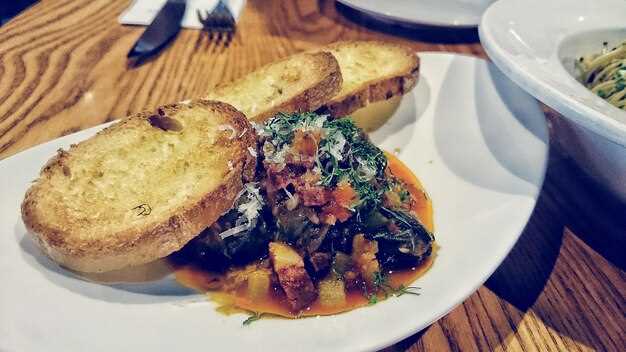 10 of the Best Traditional Welsh Foods – A Delicious Guide to Welsh Cuisine">
Qisqichbaqasimonlar va krempoglar bilan boshlang Uels ta’mini bilish yo‘lini boshlash uchun. Ushbu oddiy moslashuv mamlakatingizning dengiz mahsulotlari ixtisosligini ta’kidlaydi va qishki oshxonada tezda tayyor bo‘ladi. Qonuniy jihatdan sizga maxsus uskunalar kerak emas - faqatgina qozon, sariyog‘ va sarguzashtga bo‘lgan ishtiyoq kifoya.
U yerdan, kolbasalar va dudlangan go'shtlar iliqlik baxsh etadi, ammo haqiqiy hayajon sohilda yashiringan. Bir qozon seafood kabi baliq yoki treska, o'tlar bilan qo'shilgan mollyuskalar yoki yengil quyuq sho'rva quruqlik va dengizning qanday birlashtiradi. Qirg'oqdan esgan shamol ta'm tatib bo'lgandan keyin ham qoladigan tiniq bir xususiyat qo'shadi. Bu haqiqiy Uels ta'mlaridan namuna olish uchun sizning imkoniyatingiz.
Uels oshxonasida yillar davomida o'rgangan narsam shuki, muvozanat muhim: tuzga qarama-qarshi qo'yish uchun krempogs yoki bir tomchi asal shirinligini qo'shing. Ta'm bilishingiz bu kontrastni qadrlaydi, qachonki topmoq birgalikda mazali ta'm bilan.
Qishki taomnomalar o'tlar va ziravorlar aralashmalaridan foyda ko'radi; kolbasalar bilan timyan, dimlangan go'shtga dafna yaprog'i va oxirida qo'shilgan petrushkani sinab ko'ring. Siz issiqlik va o'tlarni o'z didingizga ko'ra sozlashingiz mumkin va ishonchingiz ortishi bilan taomlar yanada yaxshi bo'ladi.
Birgalikda, ushbu oʻnta taom Uels oshxonasi va uning qirgʻoq boʻyidagi yuragi haqida aniq tasavvur beradi.
Uels ikonik taomlarini tanlash, tayyorlash va tatib ko'rish bo'yicha amaliy qo'llanma
Uels taomini tanlang boshlash uchun va rejalashtiring kechqurun to'liq va mazali natijalarga erishish uchun o'z lazzatlari atrofida. Yangisini toping hosil qilmoq mahalliy Uels fermalaridan olib, masalliqlaringizga hurmat bilan munosabatda bo'ling. Shunday qilib harorat oddiy nazorat: dimlangan sho'rvalarni sekin qaynatish, bug'lash seafood ochilguncha va undan saqlaning notoʻgʻri foydalanish tabiatni yashiradigan tuz ta’m.
Tanlash uchun klassikadan boshlang: to‘yimli dimlama bilan quyon va o'tlar, yoki piyoz va arpa bilan kavlah variantini tanlasangiz. seafood, ishonchli manbalardan midiya, mollyusk yoki kichik baliqlarni tanlang; yangi hid va toza chig'anoqlarga ishonch hosil qiling. Dengiz mahsulotlarini do‘ngacha qayiq qishloqona joziba uchun va taklif eting oggies bir ozgina qo'shimcha sifatida shakar mazali notalarga qarama-qarshi qo'yish uchun. ichida qishlar, bu taomlar sekin olovda qaynatilib, yangi ko'katlar bilan bezatilganda o'zining eng yaxshi qirralarini namoyon etadi. To'g'ri tayyorlanganda, bu taom dasturxonning ko'rki bo'ladi.
Ta'mini yaxshilang birinchi marta bosilgan qovurilgan sabzavotlar yoki dimlangan sousga yakuniy teginish sifatida maxsus kolza yog'i. Ta'mini tekshirib turing va tuzni rostlang, o'tlar, va bir chimdim shakar bara brit kabi nonlarda shirinlikni muvozanatlash uchun. sen. oʻzingizni mahalliy taʼmga ega, mahalliy sikllar va mavsumiylikni aks ettiruvchi ingredientlar bilan tayyorlangan taomga yoʻnaltiring.
Tortiq qilish va zavqlanish uchun, hammasini oddiy qiling: bitta taomni yog'och taxtada yoki do‘ngacha qayiq Agar sizda bittasi bo'lsa, qirg'oq merosining ta'mini olish uchun. Rayhonlangan Uels sidri yoki yengil vino bilan birlashtiring; maqsad - ta'mni yashirish emas, balki saqlab qolish. Agar tez tugatishni istasangiz, tayyorlang oggies iliq, so‘ngra sariyog‘ yoki yangi bilan bezang o'tlar xushbo'ylikni kuchaytirish uchun. Agar siz boshqa ta'm notalarini xohlasangiz, profilni ko'tarish uchun bir oz sitrus qo'shing.
Whether sen. O'zingiz yoki mehmonlar uchun ovqat tayyorlash, bir taomga asoslangan reja oqshomni xotirjam va unutilmas qiladi. Kuchli bulyondan boshlang, yaltiroq sousga qadar kamaytiring va oddiy ko'katlar bilan birga torting. Agar mehmon eslatib o'tsa Santyago, undan foydalanib, mintaqaviy o‘ziga xoslikni yoki sitrus po‘sti qo‘shilishi orqali taomni yanada yorqinroq qilish mumkinligini aytib o‘ting.
Carmarthen Ham PGI: kelib chiqishi, himoya maqomi va o'ziga xos ta'mi
Uels taxtangiz uchun Karmarten PGI jambonini tanlang va o'ziga xos ta'mga ega bo'ling. Uelsning g'arbiy qismida joylashgan Karmartenshirda paydo bo'lgan bu jambon kichik, oilaviy fermalarda yetishtirilgan mahalliy zotdan tayyorlanadi. Yuzlab yillar davomida amaliy bilimlar tuzlash usulini shakllantirib, har bir tilimga toza tuzilish va nozik shirinlik bilan tuz muvozanatini berdi. Asrlar davomida mintaqa bozorlarida ko'rilgan nasl o'zining muvozanatli ta'mi va har bir tilimda sezadigan toza ta'mi bilan mashhur bo'ldi.
Himoya ukgi qaramog'ida bo'lib, faqat Karmartenshirda ishlab chiqarilgan va an'anaviy usullarga rioya qilgan holda tayyorlangan go'shtlargina ushbu nom bilan sotilishini ta'minlaydigan qonuniy kafolatlar mavjud. Mahalliy nom bilan sotish huquqi aniq kelib chiqishi, sertifikatlangan qayta ishlash va fermadan tortib iste'molchigacha bo'lgan kuzatuvchanlikni talab qiladi, bu tekshiruvlar qonunga kiritilgan. Mahsulotni oddiy nusxalardan yuqori tutadigan haqiqiylikka katta e'tibor qaratiladi; keyin ushbu tizim sifatga qat'iy pozitsiyani egallaydi va Buyuk Britaniya oziq-ovqat himoyasida aniq va majburiy bo'lgan mezon hisoblanadi.
Flavor and serving ideas: the meat comes from a local breed, cured with salt and a touch of sugar, then air-dried under mountain air. The result is a lean, firm slice with a hint of sweetness and a long finish. This ham is known for its balanced salt and umami, with a clean aroma that hints at sea and farm. There is a second benefit: it pairs well with mussel stew on the same board. For serving, include slices on crusty bread with apples on the side, and a slice of local sausage on the board. It is fantastic and adds depth to any Welsh platter.
Buying tips: this guide takes you to trusted retailers–look for the PGI logo and the ukgi designation on packaging to confirm legal protection. Purchase from reputable Welsh producers at markets in west Wales or through trusted delis that list Carmarthenshire as origin. If you see Carmarthen Ham labeled elsewhere, skip it. For best results, slice thinly against the grain and serve within a day or two of curing, keeping the texture supple and the taste clean. Historically, Carmarthen markets attracted buyers from far and wide, including a king passing through.
Buying Carmarthen Ham PGI: how to spot authenticity and what to look for
Choose Carmarthen Ham PGI with the official PGI label from a reputable retailer to guarantee authenticity–this protects the sense of West Wales craftsmanship and local flavour.
Look for the PGI mark and the exact name “Carmarthen Ham PGI” on the pack, plus the producer or packer name, origin line, and a batch code. These signals tell you which batch is authentic and which is not. If the label mentions a local name such as Rees, it adds traceability and a humble connection to the farm which produced it.
Some labels carry a note from a packer named Santiago, adding a personal touch.
Check the packaging date, integrity of the seal, and the storage instructions. Prefer packs that show a precise origin, an address, and a lot number–these details give you a sense of provenance mirroring how the ham was traditionally made in West Wales. The regional network also includes small distilleries that help circulate quality products across communities.
In person, inspect the ham’s appearance: a firm, flat cut with a clean fat cap, and a color that sits pink to rosy. A sweet, mild aroma signals a lean cure rather than heavy smoke. When sliced, the texture should be even; the flavour should support simple pairings like leek and vegetables, instead of overpowering the plate.
Ask the stallholder about the curing method and age. True Carmarthen Ham PGI comes from small-scale, careful producers who care about quality and tradition. The family story behind each ham adds a humble sense of provenance and an accolade in taste, visible in the crumb.
The regional supply chain, including farms, markets, and even distilleries, supports the Carmarthen Ham network, ensuring steady quality across seasons and throughout the west–where the mountain air meets sea breeze and local castles stand as quiet witnesses to the craft.
Serve and store: slice thinly for a delicate mouthfeel, then enjoy in the evening with warm bread and a light salad. Keep the rest refrigerated, wrapped to protect the texture. This is how you give your palate a chance to taste Welsh producers love–a unique, high-quality product that reflects a humble tradition.
| Authenticity signal | Nimani tekshirish kerak |
|---|---|
| PGI label and Carmarthen Ham PGI name | Official protection, traceability to the origin. |
| Producer/packer name and origin line | Verifies site of origin in West Wales, often linked to mountain farms. |
| Batch code and dates | Allows tracking to a specific run and storage window. |
| Appearance and aroma | Firm, flat slices with pink color and a sweet, mild scent. |
| Brand notes (e.g., Rees, Santiago, Oggies) | Enhances provenance and consumer confidence. |
| Storage instructions | Guides freshness and best serving window. |
Glamorgan Sausage: ingredients, texture, and serving ideas
Start with a simple rule: pan-fry Glamorgan sausages until the crust is crisp and the centers stay creamy, then plate them with mashed potato and a dab of laverbread on the side for a full night-in Welsh feast.
Ingredients include 200 g mature Caerphilly cheese, 150 g leeks (finely chopped), 120 g fresh breadcrumbs, 1 egg to bind, and a pinch of salt, black pepper, and chopped sage or thyme. Add a splash of milk and, if you like a subtle lift, a pinch of sugar to balance the leek sweetness. Integrate a small amount of spices such as paprika or nutmeg to sharpen the profile. Source indigenous Welsh produce when possible to keep it authentic; a homemade mix benefits from a few minutes of resting so the flavors meld before you shape them into patties.
The texture yields a crisp exterior and a soft, creamy interior thanks to the cheese. The crumb binds into a neat patty, delivering a hearty bite with an expansive aroma of leek and herbs. Generally, avoid overworking the mix, or it will wear the binder and lose its light crumb; always handle just enough to hold together.
Serving ideas: plate the patties on a warm plate, piled with mashed potato and greens, and add a tangy chutney or mustard. They pair beautifully with laverbread on the side, or with mussels in garlic butter for a coastal contrast. For travelling picnics, pack the patties with biscuits and a wedge of cheese to cover miles of road through mountains. Theyre a hearty part of Welsh cooking, a staple that has been loved by locals and visitors alike for generations, and you can adapt the profile by adding herbs or a splash of stout reduction. What ever mood you’re cooking for, Glamorgan sausages remain a reliable, full-flavoured option. This approach also gives you a chance to tailor the dish to your taste and source new, expansive pairings across the night hours.
Welsh Rarebit: classic method, cheese choices, and toppings
To enjoy Welsh Rarebit at its best, start with thick slices of pembrokeshire loaf, toast them until lightly crisp, then spoon hot cheese sauce on top and finish under a grill until bubbling and lightly bronzed. This approach keeps the texture crisp outside and silky inside, perfect for an evening gathering.
Classic method: melt 2 tbsp butter, whisk in 2 tbsp flour to form a pale roux (the base). Gradually whisk in 1 cup whole milk and 1/4 cup beer or stout, simmer until thick and glossy. Remove from heat and fold in 8 oz grated mature cheddar (preferably from snowdonia grown dairies), 1 tsp mustard, 1 tsp Worcestershire, a pinch of yeast, and salt and pepper to taste. Return to low heat until the cheese forms a smooth sauce. Spoon over toasted loaf slices and grill 3–5 minutes, when the top is mouth-watering and bubbling. If you like a tang, whisk in a splash of buttermilk just before serving.
Cheese choices: start with a base of mature cheddar. For extra softness, blend in caerphilly; for sharper bite, add a crumb of blue cheese. For a local twist, use snowdonia grown cheddar or caerphilly from denbigh region. A 60/40 mix (cheddar to caerphilly) works well, and you can adjust to taste. If youre careful with salt, rely on protected, land-based dairies whose milk forms a balanced tang; their products come from pastures where the grass grows near marsh and stone walls, giving the sense of place that cooking links through generations.
Toppings: keep it simple or go bold. Sautéed mushrooms, crispy bacon, or pickled onions add texture, while a sprinkle of chopped chives, smoked paprika, or spices provides extra spice. A drizzle of olive oil or a light dusting of nutmeg can warm the season. traditionally, this dish embodies Welsh cooking and a sense of hospitality, with mouth-watering portions that invite everyone to join the table for a night with friends. If youre sharing with visitors from the marsh towns or Snowdonia valleys, the link between simple ingredients and regional character shines.
Laverbread: traditional preparation and ideal accompaniments
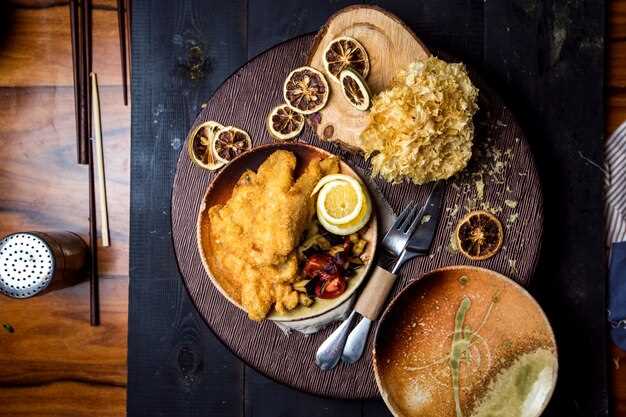
Serve hot laverbread on thick toasted flatbread with crispy Welsh bacon and cockles, finished with a dab of mustard for a bright contrast.
welsh tradition uses a simple, long-standing technique: boil the laver, blend with oatmeal, and season to taste. For dried laver, rehydrate first; for fresh laver, skip soaking and go straight to simmering. This practice preserves the finest texture, a smooth paste with a deep colour.
- Rinse the laver well, soak dried pieces 20-30 minutes if needed, then drain.
- Simmer in neutral water until tender, about 15-20 minutes; reserve some cooking liquid to loosen the paste later.
- Stir in toasted oatmeal and simmer slowly until it forms a thick, full-bodied paste; adjust with a little cooking liquid for a glossy finish.
- Season with salt and pepper; cool slightly, then shape into slices or patty and gently fry until the outer edge crisps.
Current year trends show laverbread moving beyond the coast and finding a place on modern menus globally, with growing interest in its special, nutrient-rich profile. The dish travels well, and many households keep a small stash of dried laver to guarantee a ready base for a quick meal. Knowledge built in Welsh kitchens guides every step from soaking to frying, ensuring a full, balanced flavour. Personal preference shapes the heat and thickness, so adjust oats and fry time to your taste as you refine your practice.
In addition to the classic pairing, try these ideal accompaniments to highlight different facets of the dish:
- Toasted flatbread or crusty Welsh brown bread to soak up the paste’s full flavour
- Welsh bacon or Shropshire sausages, both frying to a crisp counterpoint
- Cockles and mussels from estuary waters, steamed until they open and served in a small dish for dipping
- Mustard or a mustard-based dressing to lift the oceanic notes
- Fruit chutney or pickled fruit for a contrasting sweet note
- A squeeze of lemon juice and a light salad to balance richness
- A drizzle of olive oil with mountain herb relish for a fresh twist
- Tuzlangan sabzavotlarning kichik qoshiqlari tekstura va rang qo'shish uchun
Sifatli laverbrend mahsulotlari toza, qirg'oq manbalaridan keladi va taomni turli holatlarda moslashuvchan qiladi. Uels oshxonalaridagi bu uzoq an'ana isbotlaydiki, oddiy, yaxshi tayyorlangan ingredientlar uzoq muddatli jozibaga ega taomni yaratadi va eng yaxshi kombinatsiyalardan yil sayin istalgan joyda bahramand bo'lish mumkin.