


 한국어
한국어  English (UK)
  Русский
  বাংলা
বাংলা  العربية
  日本語
日本語  Magyar
  Norsk nynorsk
  Türkçe
  עִבְרִית
  Español
  Čeština
  Svenska
  Português
  Ελληνικά
  Suomi
Suomi  Nederlands
  Română
  Italiano
  Français
  Polski
  Українська
  Deutsch
  简体中文
简体中文  Slovenčina
  Српски језик
  اردو
اردو  Azərbaycan dili
  O‘zbekcha
  አማርኛ
አማርኛ 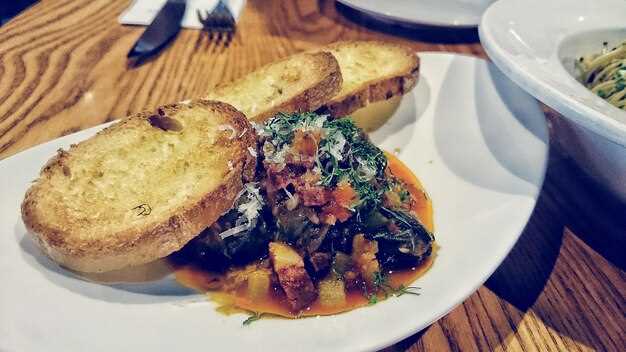 최고의 전통 웨일스 음식 10가지 – 웨일스 요리의 맛있는 가이드">
꼬막과 크렘포그로 시작하세요 여러분의 웨일스 미식 탐험을 시작해 보세요. 간단한 조합으로 웨일스의 특별한 해산물을 맛볼 수 있으며, 겨울철 주방에서도 빠르게 만들 수 있습니다. 법적으로는 화려한 장비가 필요 없고, 프라이팬, 버터, 그리고 모험심만 있으면 됩니다.
From there, 소시지 그리고 훈제 고기는 따스함을 가져다주지만, 진정한 스릴은 해안가 근처에 있다. 한 냄비의 seafood 대구 또는 해덕과 같은 생선, 허브를 넣은 새꼬막, 또는 가벼운 클램 차우더는 육지와 바다가 어떻게 결합합니다. 해안에서 불어오는 바람은 한 입 베어 문 후에도 맴도는 상쾌함을 더합니다. 진정한 웨일스 풍미를 맛볼 기회입니다.
수년간의 웨일스 요리는 균형이 중요하다는 것을 가르쳐주었습니다. 크렘폭의 달콤함이나 꿀을 살짝 더해 짠맛과 대비시키세요. 당신의 미각은 그 대비를 즐거워할 것입니다. find 짭짤한 맛과 함께.
겨울 메뉴는 허브와 향신료 혼합의 이점을 누립니다. 소시지에는 타임, 스튜에는 월계수 잎, 마지막에는 파슬리를 추가해 보세요. 취향에 따라 매운맛과 허브를 조절할 수 있으며, 자신감이 커질수록 요리가 완성될 것입니다.
이 열 가지 요리들은 웨일스 요리와 그 해안의 심장에 대한 명확한 그림을 보여줍니다.
상징적인 웨일스 요리 선택, 준비 및 즐기기를 위한 실용적인 안내서
웨일스 요리 하나를 선택하세요. 우선 시작하고 계획하세요. evening 풍미를 살려 맛있고 완전한 음식을 만들 수 있습니다. 신선한 생산하다 토종 웨일스 농장에서 생산된 식재료를 존중하며 사용하세요. 온도 간단한 조절: 스튜는 약불로 천천히 끓이고, 찜 요리하기 seafood 열릴 때까지만, 그리고 피하세요 오용 자연적인 맛을 감추는 소금 맛.
선택을 위해, 든든한 클래식부터 시작하세요: stew 와 함께 토끼 그리고 허브, 또는 리크와 보리가 들어간 카울의 변형 요리. 만약 당신이 선택한다면 seafood, 믿을 수 있는 곳에서 꼬막, 홍합, 또는 작은 생선을 고르고, 신선한 향과 깨끗한 껍데기를 확인하십시오. 해산물을 담을 때는 코래클 소박한 매력을 위해, 그리고 제공합니다. 오기스 곁들이는 작은 메뉴로 설탕 짭짤한 맛과 대조를 이루도록. 윈터스, 이 요리들은 은근히 끓여 신선한 허브로 마무리했을 때 빛을 발합니다. 제대로 만들면 이 요리가 식탁의 왕이 됩니다.
풍미를 더하다 처음 누름 구운 채소나 약불로 끓인 소스에 마무리로 유채유를 살짝 뿌려보세요. 간을 보면서 소금 간을 조절하세요., 허브, 그리고 약간의 설탕 바라 브리트 같은 빵의 단맛을 균형 있게 잡아줍니다. 너는 제철 재료와 현지 순환 주기를 반영하여 토속적인 맛이 나는 요리를 찾아 나서는 것.
제공 및 즐거움을 위해 간단하게 유지하세요. 나무 판자나 그릇에 단품 요리를 담아내세요. 코래클 해안 지역의 유산이 느껴지는 것을 곁들이세요. 청량한 웨일스 사과주나 가벼운 와인과 함께 드시면 맛을 가리는 것이 아니라 보존하는 데 목적이 있습니다. 빨리 끝내고 싶다면 준비하세요. 오기스 따뜻하게 데운 후 버터나 신선한 허브 향을 더 끌어올릴 수 있습니다. 다른 풍미를 더하고 싶다면, 살짝 시트러스를 첨가하여 풍미를 더욱 돋보이게 해보세요.
여부 너는 혼자 또는 손님을 위해 요리할 때, 하나의 요리를 기반으로 한 계획은 저녁을 편안하고 기억에 남게 만듭니다. 진한 육수로 시작하여 윤기 있는 소스로 졸인 다음 간단한 채소 곁들임과 함께 제공하세요. 만약 손님이 언급한다면 산티아고, 그 순간을 활용하여 지역 특색을 살리거나 요리에 풍미를 더하는 감귤류 껍질 조합을 소개하십시오.
카마던 햄 PGI: 원산지, 보호 상태, 그리고 독특한 풍미
특별한 맛을 선사하는 전통적인 카마던 햄 PGI를 웨일스 음식 상에 올려보세요. 웨일스 서부 카마던셔에서 생산되는 이 햄은 소규모 가족 농장에서 자란 토종 품종으로 만듭니다. 수백 년에 걸쳐 실용적인 노하우가 염장 기술을 형성하여 각 슬라이스마다 깔끔한 질감과 짠맛과 섬세한 단맛의 균형을 이루게 되었습니다. 수세기 동안 이 지역 시장에서 볼 수 있었던 혈통은 균형 잡힌 풍미와 깔끔한 뒷맛으로 유명해졌으며, 이는 모든 슬라이스에서 느낄 수 있습니다.
Protection rests under ukgi, with legal safeguards ensuring only hams produced in Carmarthenshire and following traditional practices may bear the name. The designation requires clear origin, certified processing, and traceability from farm to plate, with checks that have been passed into law. There is a significant emphasis on authenticity that keeps the product above casual copies; this framework then takes a firm stance on quality and becomes a benchmark in uk food protection, being clear and enforceable.
Flavor and serving ideas: the meat comes from a local breed, cured with salt and a touch of sugar, then air-dried under mountain air. The result is a lean, firm slice with a hint of sweetness and a long finish. This ham is known for its balanced salt and umami, with a clean aroma that hints at sea and farm. There is a second benefit: it pairs well with mussel stew on the same board. For serving, include slices on crusty bread with apples on the side, and a slice of local sausage on the board. It is fantastic and adds depth to any Welsh platter.
Buying tips: this guide takes you to trusted retailers–look for the PGI logo and the ukgi designation on packaging to confirm legal protection. Purchase from reputable Welsh producers at markets in west Wales or through trusted delis that list Carmarthenshire as origin. If you see Carmarthen Ham labeled elsewhere, skip it. For best results, slice thinly against the grain and serve within a day or two of curing, keeping the texture supple and the taste clean. Historically, Carmarthen markets attracted buyers from far and wide, including a king passing through.
Buying Carmarthen Ham PGI: how to spot authenticity and what to look for
Choose Carmarthen Ham PGI with the official PGI label from a reputable retailer to guarantee authenticity–this protects the sense of West Wales craftsmanship and local flavour.
Look for the PGI mark and the exact name “Carmarthen Ham PGI” on the pack, plus the producer or packer name, origin line, and a batch code. These signals tell you which batch is authentic and which is not. If the label mentions a local name such as Rees, it adds traceability and a humble connection to the farm which produced it.
Some labels carry a note from a packer named Santiago, adding a personal touch.
Check the packaging date, integrity of the seal, and the storage instructions. Prefer packs that show a precise origin, an address, and a lot number–these details give you a sense of provenance mirroring how the ham was traditionally made in West Wales. The regional network also includes small distilleries that help circulate quality products across communities.
In person, inspect the ham’s appearance: a firm, flat cut with a clean fat cap, and a color that sits pink to rosy. A sweet, mild aroma signals a lean cure rather than heavy smoke. When sliced, the texture should be even; the flavour should support simple pairings like leek and vegetables, instead of overpowering the plate.
Ask the stallholder about the curing method and age. True Carmarthen Ham PGI comes from small-scale, careful producers who care about quality and tradition. The family story behind each ham adds a humble sense of provenance and an accolade in taste, visible in the crumb.
The regional supply chain, including farms, markets, and even distilleries, supports the Carmarthen Ham network, ensuring steady quality across seasons and throughout the west–where the mountain air meets sea breeze and local castles stand as quiet witnesses to the craft.
Serve and store: slice thinly for a delicate mouthfeel, then enjoy in the evening with warm bread and a light salad. Keep the rest refrigerated, wrapped to protect the texture. This is how you give your palate a chance to taste Welsh producers love–a unique, high-quality product that reflects a humble tradition.
| Authenticity signal | What to check |
|---|---|
| PGI label and Carmarthen Ham PGI name | Official protection, traceability to the origin. |
| Producer/packer name and origin line | Verifies site of origin in West Wales, often linked to mountain farms. |
| Batch code and dates | Allows tracking to a specific run and storage window. |
| Appearance and aroma | Firm, flat slices with pink color and a sweet, mild scent. |
| Brand notes (e.g., Rees, Santiago, Oggies) | Enhances provenance and consumer confidence. |
| Storage instructions | Guides freshness and best serving window. |
Glamorgan Sausage: ingredients, texture, and serving ideas
Start with a simple rule: pan-fry Glamorgan sausages until the crust is crisp and the centers stay creamy, then plate them with mashed potato and a dab of laverbread on the side for a full night-in Welsh feast.
Ingredients include 200 g mature Caerphilly cheese, 150 g leeks (finely chopped), 120 g fresh breadcrumbs, 1 egg to bind, and a pinch of salt, black pepper, and chopped sage or thyme. Add a splash of milk and, if you like a subtle lift, a pinch of sugar to balance the leek sweetness. Integrate a small amount of spices such as paprika or nutmeg to sharpen the profile. Source indigenous Welsh produce when possible to keep it authentic; a homemade mix benefits from a few minutes of resting so the flavors meld before you shape them into patties.
The texture yields a crisp exterior and a soft, creamy interior thanks to the cheese. The crumb binds into a neat patty, delivering a hearty bite with an expansive aroma of leek and herbs. Generally, avoid overworking the mix, or it will wear the binder and lose its light crumb; always handle just enough to hold together.
Serving ideas: plate the patties on a warm plate, piled with mashed potato and greens, and add a tangy chutney or mustard. They pair beautifully with laverbread on the side, or with mussels in garlic butter for a coastal contrast. For travelling picnics, pack the patties with biscuits and a wedge of cheese to cover miles of road through mountains. Theyre a hearty part of Welsh cooking, a staple that has been loved by locals and visitors alike for generations, and you can adapt the profile by adding herbs or a splash of stout reduction. What ever mood you’re cooking for, Glamorgan sausages remain a reliable, full-flavoured option. This approach also gives you a chance to tailor the dish to your taste and source new, expansive pairings across the night hours.
Welsh Rarebit: classic method, cheese choices, and toppings
To enjoy Welsh Rarebit at its best, start with thick slices of pembrokeshire loaf, toast them until lightly crisp, then spoon hot cheese sauce on top and finish under a grill until bubbling and lightly bronzed. This approach keeps the texture crisp outside and silky inside, perfect for an evening gathering.
Classic method: melt 2 tbsp butter, whisk in 2 tbsp flour to form a pale roux (the base). Gradually whisk in 1 cup whole milk and 1/4 cup beer or stout, simmer until thick and glossy. Remove from heat and fold in 8 oz grated mature cheddar (preferably from snowdonia grown dairies), 1 tsp mustard, 1 tsp Worcestershire, a pinch of yeast, and salt and pepper to taste. Return to low heat until the cheese forms a smooth sauce. Spoon over toasted loaf slices and grill 3–5 minutes, when the top is mouth-watering and bubbling. If you like a tang, whisk in a splash of buttermilk just before serving.
Cheese choices: start with a base of mature cheddar. For extra softness, blend in caerphilly; for sharper bite, add a crumb of blue cheese. For a local twist, use snowdonia grown cheddar or caerphilly from denbigh region. A 60/40 mix (cheddar to caerphilly) works well, and you can adjust to taste. If youre careful with salt, rely on protected, land-based dairies whose milk forms a balanced tang; their products come from pastures where the grass grows near marsh and stone walls, giving the sense of place that cooking links through generations.
Toppings: keep it simple or go bold. Sautéed mushrooms, crispy bacon, or pickled onions add texture, while a sprinkle of chopped chives, smoked paprika, or spices provides extra spice. A drizzle of olive oil or a light dusting of nutmeg can warm the season. traditionally, this dish embodies Welsh cooking and a sense of hospitality, with mouth-watering portions that invite everyone to join the table for a night with friends. If youre sharing with visitors from the marsh towns or Snowdonia valleys, the link between simple ingredients and regional character shines.
Laverbread: traditional preparation and ideal accompaniments
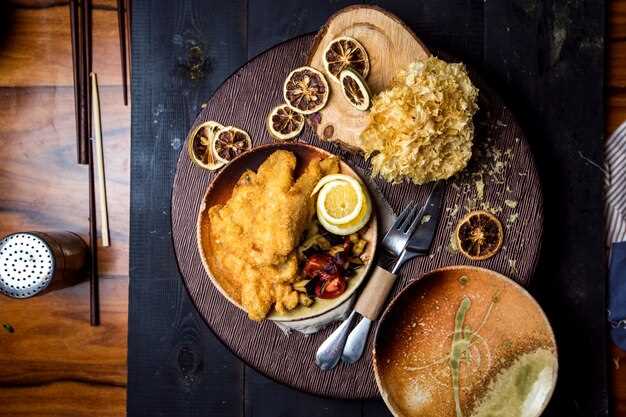
Serve hot laverbread on thick toasted flatbread with crispy Welsh bacon and cockles, finished with a dab of mustard for a bright contrast.
welsh tradition uses a simple, long-standing technique: boil the laver, blend with oatmeal, and season to taste. For dried laver, rehydrate first; for fresh laver, skip soaking and go straight to simmering. This practice preserves the finest texture, a smooth paste with a deep colour.
- Rinse the laver well, soak dried pieces 20-30 minutes if needed, then drain.
- Simmer in neutral water until tender, about 15-20 minutes; reserve some cooking liquid to loosen the paste later.
- Stir in toasted oatmeal and simmer slowly until it forms a thick, full-bodied paste; adjust with a little cooking liquid for a glossy finish.
- Season with salt and pepper; cool slightly, then shape into slices or patty and gently fry until the outer edge crisps.
Current year trends show laverbread moving beyond the coast and finding a place on modern menus globally, with growing interest in its special, nutrient-rich profile. The dish travels well, and many households keep a small stash of dried laver to guarantee a ready base for a quick meal. Knowledge built in Welsh kitchens guides every step from soaking to frying, ensuring a full, balanced flavour. Personal preference shapes the heat and thickness, so adjust oats and fry time to your taste as you refine your practice.
In addition to the classic pairing, try these ideal accompaniments to highlight different facets of the dish:
- Toasted flatbread or crusty Welsh brown bread to soak up the paste’s full flavour
- Welsh bacon or Shropshire sausages, both frying to a crisp counterpoint
- Cockles and mussels from estuary waters, steamed until they open and served in a small dish for dipping
- Mustard or a mustard-based dressing to lift the oceanic notes
- Fruit chutney or pickled fruit for a contrasting sweet note
- 레몬즙 살짝 짜고, 느끼함을 잡아줄 가벼운 샐러드
- 신선한 풍미를 더하는 올리브 오일과 산 허브 렐리시의 조화
- 질감과 색감을 더하기 위해 작은 스푼으로 떠먹는 절임 채소
최고 품질의 해초 빵 제품은 깨끗한 해안가에서 생산되며, 다양한 상황에서 요리가 다재다능하게 활용될 수 있도록 합니다. 웨일스 가정에서 오랜 전통을 이어온 이 요리는 단순하고 잘 준비된 재료가 지속적인 매력을 지닌 요리를 만들고, 최고의 조합은 어디에서든, 해마다 즐길 수 있다는 것을 증명합니다.