


 O‘zbekcha
  English (UK)
  Русский
  বাংলা
বাংলা  العربية
  日本語
日本語  한국어
한국어  Magyar
  Norsk nynorsk
  Türkçe
  עִבְרִית
  Español
  Čeština
  Svenska
  Português
  Ελληνικά
  Suomi
Suomi  Nederlands
  Română
  Italiano
  Français
  Polski
  Українська
  Deutsch
  简体中文
简体中文  Slovenčina
  Српски језик
  اردو
اردو  Azərbaycan dili
  አማርኛ
አማርኛ  10 Famous Banksy Pieces and Their Meaning">
Boshlash: keyingi safar siz Banksy asariga duch kelsangiz, show devor ortidan qanday gapiradi, kabi statement hokimiyat haqida. Bu qo'llanma vaziyatni tezda o'qishingizga yordam beradi: qismlar bo'yalgan ko'pincha jamoat joylarida noqoniy, va holbuki, ular xabarlarni yetkazib beradi, ya'ni himoyalangan ruxsatlar bilan emas, bahs bilan hal qilish kerak. Sahna qanday ta'sir qilishini o'ylab ko'ring between sanʼat va siyosat, qoʻshnilar, muxbirlar va hukumatning munosabati qanday news qamrov. Maqsad shunchaki tasvirdan ma'noga, yuzadan go'zallik fikrning, davomi shaharning xotirasida va final Qolgan qo'llanmani qanday o'qish haqida eslatma.
Bu o'nta yozuv muhokamani aniq ma'lumotlar bilan mustahkamlaydi: birinchi ko'rinishi (shahar, yil), devor turi va displeyning huquqiy maqomi (u paydo bo'lgan joyda noqonuniy, ba'zi yurisdiktsiyalarda himoyalangan). Asosni aniqlab beramiz statement har bir asarning nomi, uning joylashuvi va faktlar yaratilishi haqida, jumladan, tasvirning bo'yalgan yakka seansda yoki keyinroq to'g'rilab qo'yilgan. Ba'zi asarlar qarama-qarshilik yoki norozilikni ta'kidlash uchun molotov motiviga murojaat qilsa, boshqalari ironiya yoki mayinlikka moyil bo'ladi. Shuningdek, qanday qilib news qamrov voqeani ayni paytda va qanday shakllantirganini tanqidlar rassomlar, tarixchilar va mahalliy aholi vakillaridan iborat bo'lgan olomon o'sha asl ko'rinishidan beri rivojlanib kelgan. Qisqacha aytganda, hikoya qisman sozlama va uning atrofidagi olomon tomonidan shakllanadi.
Samarali o‘qish uchun asar xabari va atrof-muhit o‘rtasidagi masofani kuzating: siyosiy bahslar, ijtimoiy tengsizlik va shahar hayoti. Asar sayohat qilganda, dastlabki reaksiyalarni keyingi talqinlar bilan solishtiring. between shaharlar va ommaviy axborot vositalari. Diqqat qiling go'zallik va hazilni saqlab qolgan holda tan oling tanqidlar, va tekshiring faktlar imkon qadar birlamchi manbalarga qarshi. Ishning qanday o'zgarishini ko'rib chiqing qisman vaqt o'tishi bilan yoki yangi o'rnatishlar orqali va bu evolyutsiya uning ma'nosiga qanday ta'sir qiladi.
Ushbu kirishdan so'ng, o'nta asar kontekst bilan taqdim etiladi, shunda har bir asar o'z xabarini qanday yetkazishi va dialogning shaharlar bo'ylab qanday davom etganini solishtirishingiz mumkin. stiv, bizning kurator-hikoyachimiz, galereyalar va ko'cha tomoshabinlari bir xil tasvirni qanday qabul qilishini tushuntiradi. Qo'zg'oloning chegarasi kundalik hayot bilan qayerda uchrashishini va bitta tasvir qanday qilib harakatga undashi mumkinligini aniqlash uchun ushbu qo'llanmadan foydalaning. Ushbu yondashuv muvozanatlaydi faktlar va tanqidlar, muayyan sanalar va joylar bilan sizga tekshirish va solishtirishga yordam beradi. Ma'no qisman muhit va u qo'zg'atadigan suhbatlar bilan shakllanadi.
Banksy Demystified: Diqqatga sazovor qo'llanma
Har bir qism qayerda paydo bo'lganini va kimni nishonga olganini kuzatib boring; saytlarni kuzatish sirning shouni qanday kuchaytirishini va auditoriyaning talqinini qanday shakllantirishini ko'rsatadi.
Banksy ko'cha tanqidini qo'zg'atishni xohlaydi, shunchaki galereyalardagi devorlarni bezashni emas. Ularning asarlari jamoat joylarida paydo bo'ladi, keyin ommaviy axborot vositalari tomonidan qabul qilinadi, ленталарда ulashiladi va kam rasmiy nazorat bilan targ'ib qilinadi.
Ko'pincha asarlar maqsad bilan yaratiladi: jamoat joyi va hokimiyat o'rtasidagi taranglikni ko'rsatish; albatta, tomoshabinlarning reaksiyalari shahar, devor va mahalliy siyosatga qarab farq qiladi.
Sahnalarni tashkil etishda ishtirok etgan artistik guruhlardan tortib, ommaviy axborot vositalarining aks-sadosigacha, boshqa ma'no kasb etgan kontekst tomoshabinlarning asarni qanday o'qishini shakllantiradi; devor bilan o'ralgan xiyobon bir talqinni taqdim etsa, tom esa boshqa talqinni taqdim etadi.
Ko'cha san'ati atrofidagi kuchayib borayotgan bahs talqinlarga yana bir qatlam qo'shib, tomoshabinlarni estetikani ijtimoiy pozitsiya bilan bog'lashga undaydi.
Ba’zi asarlar Suriya yoki gumanitar xavf haqida so‘z yuritadi, oddiy suratni sotish haqiqiy xavf-xatarlarga beparvolikni ko'rsatadi; tanqid Banksyning faqat devorni bezash emas, balki qo'llab-quvvatlash va xabardorlikni oshirishga qaratilgan maqsadini namoyon etadi.
Tan olish suratning sayohat qilish qobiliyatidan kelib chiqadi; biz ishlatadigan atamalar – targʻib qilish, ikonalar va jamoatchilikning ishtiroki – Banksyni kollektorlardan tashqari, kengroq auditoriyaga yoʻnaltiradi. Tomoshabinlar turli xil talqinlar berishdi, olomon esa maqsad va kontekst haqida bahslashdi.
| Bo'lak | Mavzu | Ta'sir |
|---|---|---|
| Havorli sharli qiz | Umid va yo'qotish; bardavom timsol | Global e'tirof; ommaviy axborot vositalari va kampaniyalarda keng iqtibos keltirilgan |
| G'azab, Gul Sochuvchi | Norozilik va matonat | Tinch norozilik uchun ikonik ma'lumotnoma |
| Har doim umid bor | Inqirozda optimizm | Ta'lim va xayriya kampaniyalarida qo'llaniladi |
| Oʻtkir muhabbat qoʻzgʻatuvchi | Intimacy and surveillance critique | Stimulated debates on privacy and public space |
Origins, Location, and Display Date
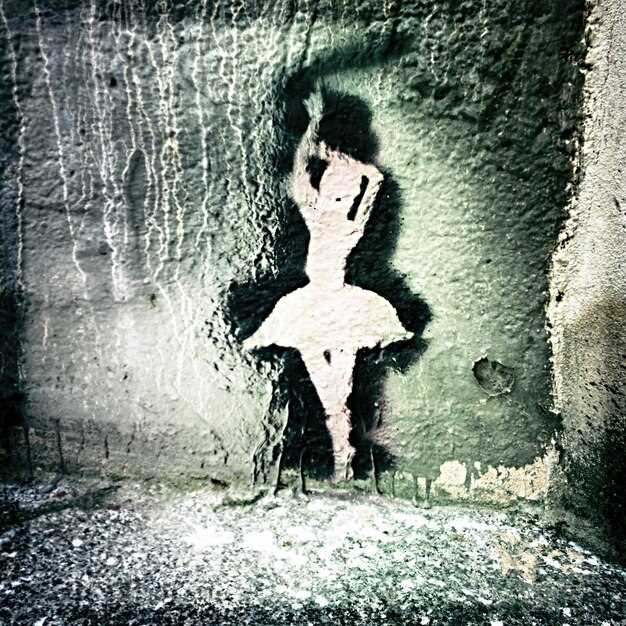
Trace each artwork to its original wall and the date it first appeared to grasp its call and theme. This approach clarifies why the piece spoke to passersby at that moment and how the artist aimed to spark dialogue among viewers.
Banksy grew from Bristol’s grassroots graffiti scene in the 1990s, blending stencil techniques with activist messages. That early period shaped his career and pushed his work from hidden corners into a wider exhibition circuit, drawing mainstream attention and a broader audience. This sort of trajectory pushes public perception towards a more open dialogue about art in public spaces.
Location and reach: Works surfaced on city walls across Bristol and London and later on the West Bank barrier, shifting from anonymous street acts to public conversations. They appeared on facades and in front of shops, among alleyways and transit routes, a strategy that sharply sharpened the message while inviting a wide audience to view the artworks within their urban context. Some pieces reached audiences far beyond galleries. This connects to riot contexts surrounding urban spaces around the time of their display.
Early iconic pieces surfaced in the early 2000s; for example, “There Is Always Hope” and “Girl with a Balloon” appeared in London circa 2002, anchoring the shift from punchy visuals to more personal, melancholic themes.
Exhibitions and projects bridged street and gallery spaces. The 2006 exhibition Barely Legal drew massive attention and fetched mainstream media coverage. It showcased a wide array of artworks that highlighted how authorities and audiences respond to street-based messages. The 2015 installation Dismaland offered a satirical theme that critiqued spectacle and consumer culture. The 2017 project Walled Off Hotel in Bethlehem extended the conversation about borders into a functioning venue.
For readers planning to explore these pieces, verify current display status with reliable sources, and consult street-art maps. Keep notes on location changes to understand the whole narrative and the facts behind each piece’s meaning. The works fetched high prices at auctions, but their origins within a grassroots career remain essential for interpretation, especially when comparing pieces created within the same year or during a shift in style.
Iconography: Key Imagery and Symbolism
Begin by tracing how a harsh black-and-white palette amplifies the activist call and triggers an alarm in the view, creating a compelling message.
Imagery often places ordinary items–bags, street signs, and household objects–in unusual juxtapositions, where humor and critique converge. They become projects of critique, as rats, balloons, and masked figures recur to illuminate power dynamics; a globe or earth motif shows how issues travel beyond borders.
The direct arrangement favors instant comprehension; a silhouette and a single prop deliver a clean, memorable message and a clear call to action, sometimes pointing to payment systems or economic tension that underpins the scene.
In british urban spaces, the motifs often target household rhythms and consumer habits, though the critique aims at a global audience; the works show how a single image can speak to payment politics, labor, and welfare.
For readers, the key is to assess where the piece was made and how its location, enhancing meaning, deepens the view. Some layers barely register, inviting closer inspection. By viewing the setting–the street, gallery, or wall–you gain a compelling view of what the artist seeks to provoke.
Context: Political, Social, and Economic Messages
Trace the источник of each Banksy piece and map its audience to assess political, social, and economic messages with precision.
Banksy’s stencil-based works travel to high-visibility spots, often illegally installed on city walls or property, where the visual punch becomes a catalyst for public debate. The act itself forces the discourse and makes the source of power visible to pedestrians, turning walls into forums for critique.
These artworks challenge the commodification of art and space, addressing selling of urban surfaces to advertisers and galleries. The artwork becomes a mirror for economic and policy choices, inviting viewers to question who profits from public spaces.
Viewers respond with a mix of laugh and contemplation; the visual clarity often yields a quick, memorable impression that travels amongst diverse audiences and can give communities new perspectives and forgive long-standing tensions around public art.
-
Political messages that critique power structures
- Identify the political source (источник) of the critique and the audience–governments, corporations, or surveillance regimes–and note how the piece challenges policy or authority.
- Observe how the illegal placement amplifies the force of the statement and signals dissent beyond formal channels.
- Assess the visual approach: high-contrast, stencil-based imagery that remains legible from street level and travels easily online.
- Examples and geography: works in cities across Europe and the Middle East, such as the Walled Off Hotel project in Bethlehem, show how local context shapes interpretation and response.
-
Social justice and daily life
- Highlight themes of inequality, migration, and public services; place marginalized voices at the center of the frame to pierce everyday routines.
- Humor and irony (laugh) expand reach, inviting dialogue rather than confrontation.
- Contextual textures matter: the scenes remain visually accessible even when the environment is pierced by harsh realities, turning walls into banners for positive social change.
- Examples: scenes that critique surveillance, policing, and community resilience, often near transit hubs or housing blocks to maximize impact.
-
Economic critique and consumer culture
- Show how selling of space and the commodification of art challenge the idea that urban surfaces belong to anyone but the public.
- Use colorful, witty imagery to juxtapose consumer desires with social needs, underscoring economic tension in public spaces.
- Context: projects tied to tourism or hotels illustrate how markets monetize culture, while the pieces subvert that dynamic and keep messages alive beyond oils-based campaigns or gallery shows.
- Impact: provoke readers to rethink value, exchange, and the responsibilities of wealth toward arts and communities; that gave rise to new conversations about street art as a civic resource.
By tracing the origin and context of each message, you reveal how a simple, visually clear, stencil-based method can deliver forceful ideas that resonate with diverse audiences. The approach often yields a positive impact by stimulating conversation, helping communities forgive longstanding myths about graffiti, and inspiring new artistic expressions that enrich arts landscapes across the earth.
Public Response, Controversies, and Preservation
Coordinate formal preservation agreements with authorities and property owners to secure key murals for the long term; fund conservation projects and monitor weathering to protect works over time. This stand reflects a balanced approach that respects the artist’s subversive voice while ensuring public access.
Public response runs from civic pride to controversy; crowds gather, and social feeds amplify debates about legality, ownership, and the right to alter public space. The date of a piece’s appearance often sparks online discussion and a visible notice on city channels. Defiance in these works resonates with many, while critics cite the need for clear guidelines.
Controversies flare around enforcement, removal attempts, and the ethics of preserving versus repainting. Authorities may be charged in some jurisdictions when procedures aren’t followed; however, many argue that careful, consent-based actions protect both residents and art. The press uses the term ‘thrower’ to label acts of damage, while many cases involve negotiated licenses between owners and artists.
Academic research guides practical preservation: documentation, high-resolution photography, and mild stabilization help maintain composition and texture when walls fade. in october, studies show weather cycles affect layers, reinforcing the need for rigorous, non-invasive methods. Documentation helps the works retain their power for future audiences. The experience gained through community projects with colleges and local artists expands awareness and supports the career paths of artists.
Organizations should publish clear guidelines that balance public access with artist intent. Regular audits, community input, and transparent funding help protect works and ensure ongoing engagement with projects.
Impact and Legacy on Art, Curation, and Urban Space
Recommendation: treat Banksy’s urban works as catalysts for public conversation and policy awareness, not mere aesthetics.
These interventions appear in unexpected middle places, turning blank walls into boards for critique. Anonymity invites a broad audience to form identity around the messages, while others engage with the life of a city beyond commercial displays. Simply placing a piece is not enough; it becomes a prompt for community collaboration and policy reflection. The street becomes a window into everyday life, revealing how urban space is used and perceived.
Curators want to know what local residents want from these interventions, balancing spectacle with social value. Some studies reference clement critique practices that value context over spectacle.
- Artist-audience relationship: public works code-switch between image and message; some know the author remains anonymous, which preserves anonymity and shifts focus to the ideas rather than branding.
- Accessibility and impact: works travel across neighborhoods, expanding access and inviting dialogue about identity, capitalism, and power structures.
- Curatorial practice: reshapes the middle ground between institution and street; curators merge documentary records with community storytelling and create programs that extend conversations beyond the wall.
- Urban space and policy: placements prompt reassessment of policing, surveillance, and public space; in cities with aggressive policies like stopped-and-frisked, sites become forums for study and citizen input.
- Etika va saqlash: bahslar rozilik, egalik huquqi va qo'riqlash hamda mahalla hayotining ritmi o'rtasidagi muvozanatga qaratilgan; ko'rsatmalar ildiz otgan jamiyat aloqalarini hurmat qilishi kerak.
- Meros va aloqa: asarlar mahalliy iftixorni va mahallalararo aloqani kuchaytiruvchi vositaga aylanadi, yengil, ammo mazmunli madaniy tadbirlar va taʼlimni ragʻbatlantiradi.
Ta'sirni saqlab qolish uchun amaliy qadamlarni qo'llang: mulk egalari bilan aniq rozilik va hujjatlashtirish jarayonini yo'lga qo'ying; o'z-o'zidan paydo bo'lish xususiyatini kamaytirmasdan, asosiy g'oyalarni tushuntiruvchi kontekstli panellarni taqdim eting; asarlarni mahalliy loyihalarga aylantiruvchi jamoatchilik tashabbusi bilan tashkil etilgan san'at laboratoriyalarini moliyalashtiring; va xabardorlik, hayot sifati va jamoat san'at dasturlarida ishtirok etishni kuzatuvchi keyingi tadqiqotlar orqali natijalarni o'lchang.