


 اردو
اردو  English (UK)
  Русский
  বাংলা
বাংলা  العربية
  日本語
日本語  한국어
한국어  Magyar
  Norsk nynorsk
  Türkçe
  עִבְרִית
  Español
  Čeština
  Svenska
  Português
  Ελληνικά
  Suomi
Suomi  Nederlands
  Română
  Italiano
  Français
  Polski
  Українська
  Deutsch
  简体中文
简体中文  Slovenčina
  Српски језик
  Azərbaycan dili
  O‘zbekcha
  አማርኛ
አማርኛ  10 Famous Banksy Pieces and Their Meaning">
یہاں سے شروع کریں: اگلی بار جب آپ کو بینکسی کا کوئی ٹکڑا نظر آئے،, دکھائیں۔ یہ دیوار کے اُس پار کیسے بولتا ہے بطور ایک statement طاقت کے بارے میں۔ یہ گائیڈ آپ کو سیاق و سباق کو تیزی سے پڑھنے میں مدد کرتی ہے: یہ ٹکڑے ہیں painted عوامی جگہوں پر، اکثر غیر قانونی, ، اور اس کے باوجود وہ پیغامات لے کر جاتے ہیں جو کہ محفوظ مناظرے سے، اجازت نامے سے نہیں۔ غور کریں کہ منظر کیسے چھوتا ہے۔ درمیان فن اور سیاست، ہمسایوں، رپورٹروں اور حکام کا ردعمل کیسے ہوتا ہے خبریں کوریج۔ مقصد محض تصویر سے معنی کی طرف، سطح سے آگے بڑھنا ہے۔ خوبصورتی ایک خیال کا،, جاری ہے۔ شہر کی یاد میں، اور ایک حتمی بقیہ گائیڈ کو کیسے پڑھنا ہے کے بارے میں ایک نوٹ۔.
یہ دس اندراجات ٹھوس اعداد و شمار کے ساتھ بحث کو مضبوط کرتے ہیں: پہلی ظاہری شکل (شہر، سال)، دیوار کی قسم، اور ڈسپلے کی قانونی حیثیت (جہاں یہ نمودار ہوا غیر قانونی، بعض دائرہ اختیار میں محفوظ)۔ ہم بنیادی چیز کی وضاحت کرتے ہیں۔ statement ہر کام کا، اس کا مقام اور حقائق اس کی تخلیق کے بارے میں، بشمول اس بات کے کہ آیا تصویر painted ایک ہی سیشن میں ہو یا بعد میں بہتر کیا جائے۔ کچھ کام محاذ آرائی یا احتجاج کو اجاگر کرنے کے لیے مولوتوف کے نقش کو بطور حوالہ استعمال کرتے ہیں، جبکہ دیگر طنز یا نرمی کی طرف جھکاؤ رکھتے ہیں۔ ہم اس بات کا خلاصہ بھی کرتے ہیں کہ خبریں کوریج نے اس ٹکڑے کو اس لمحے اور کیسے فریم کیا۔ تنقیدات فنکاروں، مؤرخین، اور مقامی لوگوں کی جانب سے اصل ظہور کے بعد سے ارتقا پذیر ہوئی ہیں۔ مختصراً، کہانی جزوی طور پر اس مقام اور اس کے ارد گرد کے لوگوں سے تشکیل پاتی ہے۔.
موثر انداز میں پڑھنے کے لیے، فن پارے کے پیغام اور اردگرد کی حقیقی دنیا: پالیسی مباحثوں، سماجی عدم مساوات اور شہری زندگی کے درمیان فاصلے کا پتہ لگائیں۔ ابتدائی ردعمل کا موازنہ بعد میں کی جانے والی دوبارہ تشریحات سے کریں جب یہ ٹکڑا سفر کرتا ہے۔ درمیان شہر اور ذرائع ابلاغ۔ نوٹ کریں۔ خوبصورتی اور مزاح کو تسلیم کرتے ہوئے تنقیدات, اور تصدیق کریں۔ حقائق بمقابله بنیادی ماخذوں کے جہاں تک ممکن ہو۔ غور کریں کہ کام کس طرح منتقل ہوتا ہے۔ جزوی طور پر وقت گزرنے کے ساتھ یا نئی تنصیبات کے ذریعے، اور یہ ارتقاء اس کے معنی کو کیسے متاثر کرتا ہے۔.
اس تعارف کے بعد، دس تخلیقات کو سیاق و سباق کے ساتھ پیش کیا جائے گا تاکہ آپ موازنہ کر سکیں کہ کس طرح ہر تخلیق اپنا پیغام پہنچاتی ہے اور کس طرح شہروں میں مکالمہ جاری رہا۔. سٹیو, ، ہمارا کیوریٹر-راوی، بیان کرتا ہے کہ کس طرح گیلریاں اور سٹریٹ سامعین ایک ہی تصویر کی مختلف تشریح کرتے ہیں۔ یہ شناخت کرنے کے لیے اس گائیڈ کا استعمال کریں کہ بغاوت کا کنارہ روزمرہ کی زندگی سے کہاں ملتا ہے، اور ایک واحد تصویر کس طرح عمل کی تحریک دے سکتی ہے۔ یہ نقطہ نظر متوازن ہے۔ حقائق اور تنقیدات, ٹھوس تاریخوں اور مقامات کے ساتھ جو آپ کو تصدیق کرنے اور موازنہ کرنے میں مدد کریں۔ معنی جزوی طور پر ترتیب اور اس بات چیت سے تشکیل پاتے ہیں جو یہ پیدا کرتا ہے۔.
بینکسی ڈیمسٹفائیڈ: ایک فوکسڈ گائیڈ
اس بات کا سراغ لگائیں کہ ہر ٹکڑا کہاں شائع ہوا اور اس کا ہدف کون تھا؛ سائٹس کو ٹریک کرنے سے پتا چلتا ہے کہ کس طرح رازداری شو کو ہوا دیتی ہے اور ناظرین کی تشریح کو شکل دیتی ہے۔.
بینکسی چاہتا ہے کہ تنقید گلی سے پھوٹے، نہ کہ محض گیلریوں میں دیواریں سجائی جائیں۔ ان کے فن پارے عوامی جگہوں پر نمودار ہوتے ہیں، پھر میڈیا انہیں اٹھاتا ہے، فیڈز پر شیئر کیے جاتے ہیں اور بغیر کسی رسمی کنٹرول کے ان کی تشہیر ہوتی ہے۔.
اکثر ٹکڑے ایک مقصد کے ساتھ آتے ہیں: عوامی جگہ اور اختیار کے درمیان تناؤ کو ظاہر کرنا؛ یقیناً، سامعین کے ردعمل شہر، دیوار اور مقامی پالیسی کے لحاظ سے مختلف ہوتے ہیں۔.
منظر کشی میں شامل فنکارانہ عملے سے لے کر میڈیا کی بازگشت تک، وہ سیاق و سباق جو ایک مختلف معنیٰ اخذ کرتا ہے، اس بات کو تشکیل دیتا ہے کہ ناظرین کام کو کیسے پڑھتے ہیں۔ ایک دیوار والی گلی ایک قرأت پیش کرتی ہے، اور ایک چھت دوسری۔.
سٹریٹ آرٹ کے بارے میں بڑھتا ہوا بحث مباحثہ تشریح میں ایک اور پرت کا اضافہ کرتا ہے، جو ناظرین کو جمالیات کو سماجی موقف سے جوڑنے پر زور دیتا ہے۔.
بعض ٹکڑے شام یا انسانی ہمدردی کے خطرے کا حوالہ دیتے ہیں، اس بات پر روشنی ڈالتے ہیں کہ ایک سادہ تصویر بیچنا حقیقی خطرات کو نظر انداز کرتا ہے۔ تنقید ظاہر کرتی ہے کہ بینکسی کا مقصد محض دیوار کو سجانا نہیں، بلکہ حمایت اور آگاہی کو بڑھانا ہے۔.
شناخت تصویر کی سفر کرنے کی طاقت سے آتی ہے۔ اصطلاحات جو ہم استعمال کرتے ہیں - تشہیر کرنا، آئیکنز، اور عوام کی شرکت - بینکسی کو جمع کرنے والوں سے بالاتر، ایک وسیع تر سامعین کی طرف دھکیلتی ہے۔ سامعین نے مختلف تشریحات پیش کیں، اور مقصد اور سیاق و سباق پر ہجوم بحث کرتا رہا۔.
| ٹکڑا | تھیم | اثر |
|---|---|---|
| غبارے والی لڑکی | امید اور نقصان؛ ایک پائیدار نشان | عالمی سطح پر پذیرائی; میڈیا اور مہمات میں بڑے پیمانے پر حوالہ جات |
| غصہ، پھول پھینکنے والا | احتجاج اور استقامت | پرامن اختلاف رائے کے لیے مثالی حوالہ |
| ہمیشہ امید ہوتی ہے۔ | بحران میں رجائیت | تعلیمی اور خیراتی مہمات میں استعمال کیا جاتا ہے۔ |
| خوش قامت عاشق | Intimacy and surveillance critique | Stimulated debates on privacy and public space |
Origins, Location, and Display Date
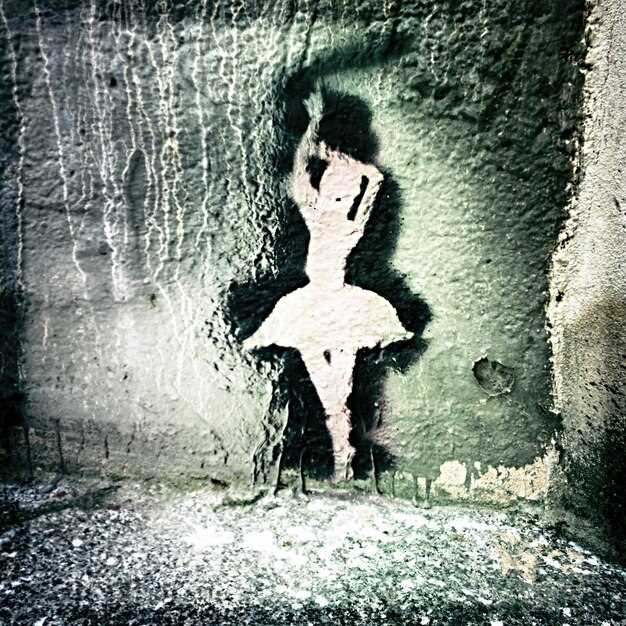
Trace each artwork to its original wall and the date it first appeared to grasp its call and theme. This approach clarifies why the piece spoke to passersby at that moment and how the artist aimed to spark dialogue among viewers.
Banksy grew from Bristol’s grassroots graffiti scene in the 1990s, blending stencil techniques with activist messages. That early period shaped his career and pushed his work from hidden corners into a wider exhibition circuit, drawing mainstream attention and a broader audience. This sort of trajectory pushes public perception towards a more open dialogue about art in public spaces.
Location and reach: Works surfaced on city walls across Bristol and London and later on the West Bank barrier, shifting from anonymous street acts to public conversations. They appeared on facades and in front of shops, among alleyways and transit routes, a strategy that sharply sharpened the message while inviting a wide audience to view the artworks within their urban context. Some pieces reached audiences far beyond galleries. This connects to riot contexts surrounding urban spaces around the time of their display.
Early iconic pieces surfaced in the early 2000s; for example, “There Is Always Hope” and “Girl with a Balloon” appeared in London circa 2002, anchoring the shift from punchy visuals to more personal, melancholic themes.
Exhibitions and projects bridged street and gallery spaces. The 2006 exhibition Barely Legal drew massive attention and fetched mainstream media coverage. It showcased a wide array of artworks that highlighted how authorities and audiences respond to street-based messages. The 2015 installation Dismaland offered a satirical theme that critiqued spectacle and consumer culture. The 2017 project Walled Off Hotel in Bethlehem extended the conversation about borders into a functioning venue.
For readers planning to explore these pieces, verify current display status with reliable sources, and consult street-art maps. Keep notes on location changes to understand the whole narrative and the facts behind each piece’s meaning. The works fetched high prices at auctions, but their origins within a grassroots career remain essential for interpretation, especially when comparing pieces created within the same year or during a shift in style.
Iconography: Key Imagery and Symbolism
Begin by tracing how a harsh black-and-white palette amplifies the activist call and triggers an alarm in the view, creating a compelling message.
Imagery often places ordinary items–bags, street signs, and household objects–in unusual juxtapositions, where humor and critique converge. They become projects of critique, as rats, balloons, and masked figures recur to illuminate power dynamics; a globe or earth motif shows how issues travel beyond borders.
The direct arrangement favors instant comprehension; a silhouette and a single prop deliver a clean, memorable message and a clear call to action, sometimes pointing to payment systems or economic tension that underpins the scene.
In british urban spaces, the motifs often target household rhythms and consumer habits, though the critique aims at a global audience; the works show how a single image can speak to payment politics, labor, and welfare.
For readers, the key is to assess where the piece was made and how its location, enhancing meaning, deepens the view. Some layers barely register, inviting closer inspection. By viewing the setting–the street, gallery, or wall–you gain a compelling view of what the artist seeks to provoke.
Context: Political, Social, and Economic Messages
Trace the источник of each Banksy piece and map its audience to assess political, social, and economic messages with precision.
Banksy’s stencil-based works travel to high-visibility spots, often illegally installed on city walls or property, where the visual punch becomes a catalyst for public debate. The act itself forces the discourse and makes the source of power visible to pedestrians, turning walls into forums for critique.
These artworks challenge the commodification of art and space, addressing selling of urban surfaces to advertisers and galleries. The artwork becomes a mirror for economic and policy choices, inviting viewers to question who profits from public spaces.
Viewers respond with a mix of laugh and contemplation; the visual clarity often yields a quick, memorable impression that travels amongst diverse audiences and can give communities new perspectives and forgive long-standing tensions around public art.
-
Political messages that critique power structures
- Identify the political source (источник) of the critique and the audience–governments, corporations, or surveillance regimes–and note how the piece challenges policy or authority.
- Observe how the illegal placement amplifies the force of the statement and signals dissent beyond formal channels.
- Assess the visual approach: high-contrast, stencil-based imagery that remains legible from street level and travels easily online.
- Examples and geography: works in cities across Europe and the Middle East, such as the Walled Off Hotel project in Bethlehem, show how local context shapes interpretation and response.
-
Social justice and daily life
- Highlight themes of inequality, migration, and public services; place marginalized voices at the center of the frame to pierce everyday routines.
- Humor and irony (laugh) expand reach, inviting dialogue rather than confrontation.
- Contextual textures matter: the scenes remain visually accessible even when the environment is pierced by harsh realities, turning walls into banners for positive social change.
- Examples: scenes that critique surveillance, policing, and community resilience, often near transit hubs or housing blocks to maximize impact.
-
Economic critique and consumer culture
- Show how selling of space and the commodification of art challenge the idea that urban surfaces belong to anyone but the public.
- Use colorful, witty imagery to juxtapose consumer desires with social needs, underscoring economic tension in public spaces.
- Context: projects tied to tourism or hotels illustrate how markets monetize culture, while the pieces subvert that dynamic and keep messages alive beyond oils-based campaigns or gallery shows.
- Impact: provoke readers to rethink value, exchange, and the responsibilities of wealth toward arts and communities; that gave rise to new conversations about street art as a civic resource.
By tracing the origin and context of each message, you reveal how a simple, visually clear, stencil-based method can deliver forceful ideas that resonate with diverse audiences. The approach often yields a positive impact by stimulating conversation, helping communities forgive longstanding myths about graffiti, and inspiring new artistic expressions that enrich arts landscapes across the earth.
Public Response, Controversies, and Preservation
Coordinate formal preservation agreements with authorities and property owners to secure key murals for the long term; fund conservation projects and monitor weathering to protect works over time. This stand reflects a balanced approach that respects the artist’s subversive voice while ensuring public access.
Public response runs from civic pride to controversy; crowds gather, and social feeds amplify debates about legality, ownership, and the right to alter public space. The date of a piece’s appearance often sparks online discussion and a visible notice on city channels. Defiance in these works resonates with many, while critics cite the need for clear guidelines.
Controversies flare around enforcement, removal attempts, and the ethics of preserving versus repainting. Authorities may be charged in some jurisdictions when procedures aren’t followed; however, many argue that careful, consent-based actions protect both residents and art. The press uses the term ‘thrower’ to label acts of damage, while many cases involve negotiated licenses between owners and artists.
Academic research guides practical preservation: documentation, high-resolution photography, and mild stabilization help maintain composition and texture when walls fade. in october, studies show weather cycles affect layers, reinforcing the need for rigorous, non-invasive methods. Documentation helps the works retain their power for future audiences. The experience gained through community projects with colleges and local artists expands awareness and supports the career paths of artists.
Organizations should publish clear guidelines that balance public access with artist intent. Regular audits, community input, and transparent funding help protect works and ensure ongoing engagement with projects.
Impact and Legacy on Art, Curation, and Urban Space
Recommendation: treat Banksy’s urban works as catalysts for public conversation and policy awareness, not mere aesthetics.
These interventions appear in unexpected middle places, turning blank walls into boards for critique. Anonymity invites a broad audience to form identity around the messages, while others engage with the life of a city beyond commercial displays. Simply placing a piece is not enough; it becomes a prompt for community collaboration and policy reflection. The street becomes a window into everyday life, revealing how urban space is used and perceived.
Curators want to know what local residents want from these interventions, balancing spectacle with social value. Some studies reference clement critique practices that value context over spectacle.
- Artist-audience relationship: public works code-switch between image and message; some know the author remains anonymous, which preserves anonymity and shifts focus to the ideas rather than branding.
- Accessibility and impact: works travel across neighborhoods, expanding access and inviting dialogue about identity, capitalism, and power structures.
- Curatorial practice: reshapes the middle ground between institution and street; curators merge documentary records with community storytelling and create programs that extend conversations beyond the wall.
- Urban space and policy: placements prompt reassessment of policing, surveillance, and public space; in cities with aggressive policies like stopped-and-frisked, sites become forums for study and citizen input.
- اخلاقیات اور تحفظ: بحثیں رضا مندی، ملکیت اور کسی محلے میں زندگی کے تحفظ اور تال کے درمیان توازن پر مرکوز ہیں۔ رہنما خطوط کو جڑے ہوئے معاشرتی تعلقات کا احترام کرنا چاہیے۔.
- وراثت اور جوڑ: کام مقامی فخر اور محلوں کو جوڑنے کے انجن بن جاتے ہیں، جو ہلکی لیکن بامعنی ثقافتی سرگرمیوں اور تعلیم کو فروغ دیتے ہیں۔.
اثر کو برقرار رکھنے کے لیے عملی اقدامات پر عمل کریں: جائیداد کے مالکان کے ساتھ واضح رضامندی اور دستاویزات کا عمل قائم کریں؛ ایسے contextual panels فراہم کریں جو بے ساختگی کو کم کیے بغیر بنیادی خیالات کی وضاحت کریں؛ کمیونٹی کی زیرِقیادت آرٹ لیبز کو فنڈ کریں جو ٹکڑوں کو مقامی منصوبوں میں ترجمہ کریں؛ اور آگاہی، معیارِ زندگی اور عوامی آرٹ پروگراموں میں شرکت کو ٹریک کرنے والے فالو اپ اسٹڈیز کے ذریعے نتائج کی پیمائش کریں۔.