


 اردو
اردو  English (UK)
  Русский
  বাংলা
বাংলা  العربية
  日本語
日本語  한국어
한국어  Magyar
  Norsk nynorsk
  Türkçe
  עִבְרִית
  Español
  Čeština
  Svenska
  Português
  Ελληνικά
  Suomi
Suomi  Nederlands
  Română
  Italiano
  Français
  Polski
  Українська
  Deutsch
  简体中文
简体中文  Slovenčina
  Српски језик
  Azərbaycan dili
  O‘zbekcha
  አማርኛ
አማርኛ 

روزانہ نوٹس لکھنے کی عادت ڈالیں: بصیرت آتا ہے جب جلدی considering انتخاب کے لیے ملاقات کرنا زمین اور ہفتے بھر کے سفر پر کہاں پارک کرنا ہے، اور کب رونق پذیر, ، آپ ایک ٹھوس سبق حاصل کریں گے۔ بالکل مکمل ہر روز۔ اگر کوئی شخص اگر رہنمائی طلب کی جائے تو آپ کے پاس یہ دکھانے کے لیے ڈیٹا ہوگا کہ کیا ہوا اور اب کیا کرنا ہے۔.
زیادہ تر ہفتے۔ ایک سادہ لوپ سے شروع کیا۔, weve میں نے سیکھا کہ بڑا قدر آتی ہے بُوکنگ کیمپ سائٹس 60 دن پہلے بُک کر لیں اور ایندھن کے اسٹاپس کو 200 میل سے کم فاصلے پر رکھیں۔ یہ ڈسپلن وقت بچاتا ہے اور اندھیرا ہونے کے بعد لمبی ڈرائیوز سے بچاتا ہے۔.
Nothing برباد کرے گا۔ week منصوبوں میں آخری لمحات میں ہونے والی تبدیلیوں سے بچنے کے لیے سفر ناموں کو تیزی سے تبدیل کریں؛ اس سے بچنے کے لیے کیمپ میں مائلیج اور وقت کا حساب رکھیں اور انتخاب کریں۔ roads نرم ڈھلوانوں کے ساتھ۔. بلکہ سب سے تیز راستے کی تلاش کرنے کے بجائے، ایک دلفریب راستے کا منصوبہ بنائیں جو کہ قریب سے گزرے۔ زمین وہ خصوصیات جن کا آپ دورہ کرنا چاہتے ہیں۔.
غور کرنے پر ایک دورہ از کوئی شخص جن چیزوں کی آپ کو پروا ہے، ایک مختصر قیام کے لیے منصوبہ بندی کریں: دو لچکدار راتیں اور ایک فکسڈ بیک اپ سائٹ مقرر کریں۔. ہم نے اس انداز کو اپنانے سے تناؤ کم ہوتا ہے اور اکٹھے گزارے جانے والے وقت کا معیار بہتر ہوتا ہے۔ week ٹرپس۔ اگر کوئی میزبان اپنی جگہ پر پارکنگ کی سہولت فراہم کرتا ہے زمین, ، آپ دو راتیں ٹھہر سکتے ہیں اور آخری وقت پر کسی خوف کے بغیر آگے بڑھ سکتے ہیں۔ بُوکنگ, ، کبھی زیادہ دیر نہ ٹھہریں، اور رکھیں roads پر سکون۔.
دو مہینے کے آر وی لائف کے سفر سے عملی اقدامات
روزانہ ڈرائیونگ کی حد 2.5 گھنٹے مقرر کریں اور سستے پارکس کا انتخاب کریں جو کئی راتوں کے قیام کی اجازت دیتے ہیں۔ یہ ترتیب سست رفتاری کی اجازت دیتا ہے اور تھکاوٹ کو کم کرتا ہے، جس سے ایک چھوٹی سی پیدل سفر کے لیے وقت مل جاتا ہے۔.
سب کچھ سمیٹ کر رکھنے کا فن سیکھ لیا: صرف ضروری سامان ساتھ رکھو، مہینے میں دو بار صفائی کرو، اور سطحوں کو صاف رکھو تاکہ غیر ضروری اشیاء اور ٹوٹ پھوٹ کم ہو۔.
مقام کے قریب ہفتہ وار پیدل سفر کے لیے ایک ونڈو رکھیں؛ یہ ری سیٹ سڑک پر گھنٹوں گزارنے کے بعد پیروں کو تازہ رکھنے میں مدد کرتا ہے۔.
ایک مخصوص معمول پر قائم رہیں اور سامان پر حدیں مقرر کریں: بڑی اشیاء کو ایک ہی جگہ پر رکھیں اور ایک اندر، ایک باہر کا اصول برقرار رکھیں، تاکہ کیبن رہنے کے قابل محسوس ہو۔.
شریک یا دوست کے ساتھ تعلق: منصوبے، راستوں اور کاموں کو ہموار کرنے کے لیے روزانہ 15 منٹ کی چیک ان رکھیں؛ اس سے تعلق مضبوط ہوتا ہے اور رگڑ کم ہوتی ہے۔.
لوکیشن اسکاؤٹنگ ضروری ہے: ہک اپ، پانی اور محفوظ پارکنگ والے پارکوں کو تلاش کرنے کے لیے ایپس استعمال کریں؛ ایک ایسا راستہ بنائیں جو بیک ٹریکنگ کو کم سے کم کرے اور سرپرائز سے بچائے۔ اگر کسی ریسٹ ایریا یا پارک میں کسی مقامی سے چیٹ کرنے کا موقع ملے، تو اس سے فائدہ اٹھائیں تاکہ یہ معلوم ہو سکے کہ کون سی جگہیں ڈی ٹور کے قابل ہیں۔.
رِگز اور بڑی مرمت: ہر 2 ہفتے میں ٹائروں کا معائنہ کریں، بیٹری اور ہوز کی جانچ کریں، اور تیل کی تبدیلیوں کو لاگ کریں؛ سروس کے وقفوں کو ٹریک کرنے کے لیے ایک سادہ اسپریڈ شیٹ رکھیں۔.
وابستہ نوٹ: اگر آپ وابستہ پروگراموں کے ذریعے گیئر کو لنک کرتے ہیں، تو واضح طور پر انکشاف کریں اور ایمانداری سے جائزہ لیں؛ یہ قارئین کے ساتھ اعتماد برقرار رکھتا ہے اور گیئر کے اخراجات کو پورا کرنے میں مدد کرتا ہے۔.
ماحول اور علاقے کے تحفظات: گندے اور سیاہ پانی کو منظم کریں، پلاسٹک کے استعمال کو کم سے کم کریں، اور اپنے میزبانوں اور جنگلی حیات کا احترام کرنے کیلئے اپنے اردگرد کے مقام کو صاف رکھیں۔.
نوٹس کا اشتراک: ہر سٹاپ پر ملنے والے کسی شخص کے ساتھ تجاویز کا تبادلہ کریں؛ اشتراک کے لیے ایک سادہ نوٹ بک یا بلاگ رکھنا دوسروں کی مدد کرتا ہے اور نیٹ ورک کو مضبوط کرتا ہے۔.
روزانہ سڑک پر وقت بچانے اور تناؤ کم کرنے کے معمولات
ہر صبح گاڑی چلانے سے پہلے 5 منٹ کا معائنہ کریں: ایندھن، ٹائر پریشر، ہچ کی حفاظت کی تصدیق کریں، اور آگے کے راستے کا فوری جائزہ لیں تاکہ حیرت کم سے کم ہو۔.
ایک چھوٹا آن-روڈ کِٹ رکھیں: پورٹیبل چارجر، فلیش لائٹ، سپئیر فیوز، مائیکرو فائبر کپڑا، اور چھوٹا فرسٹ ایڈ سامان تاکہ عام مرمتیں آسان رہیں۔.
فاصلاتی اور سروسز کے لحاظ سے ایک نقشہ استعمال کرتے ہوئے ایک نظر میں دن کا منصوبہ بنائیں، ایندھن، پانی اور کچرا پھینکنے کی آسان رسائی والے مقامات کو نشانہ بنائیں تاکہ اضافی ڈرائیونگ کم کی جا سکے۔.
ڈرائیونگ کے دوران آف لائن نقشے استعمال کر کے آلے میں مداخلت کم کریں اور اپ ڈیٹس کے لیے صرف منصوبہ بند اسٹاپ پر دوبارہ کنیکٹ کریں۔ اس سے سڑک پر توجہ مرکوز رہتی ہے اور تناؤ کم ہوتا ہے۔.
ہر اسٹاپ پر معمول کے کاموں کا بیچ بنائیں: پانی بھریں، اگر ممکن ہو تو فوری لانڈری سائیکل چلائیں، گرے اور بلیک ٹینک خالی کریں اور کچرا باہر نکالیں۔ اس سے رفتار برقرار رہتی ہے اور اندرونی جگہ محفوظ رہتی ہے۔.
وقتی وقتاں نال ویکھݨ آلی لسٹ رکھ کے ٹریک دی دیکھ بھال کرو: بیٹری دی صحت، ٹائر گھسائی، چھت دیاں مہراں تے لیک۔ یاد دہانی کراؤ تاکہ توانوں مسئلے توں اگے رہوو۔.
ایسی جگہیں منتخب کریں جہاں کشادہ جگہ، سایہ اور آسانی سے دستیاب آؤٹ لیٹس ہوں تاکہ غیر ضروری چکر کم لگیں؛ اس سے تناؤ کم ہوتا ہے اور توانائی کھانے اور منصوبہ بندی کے لیے بچتی ہے۔.
جب منصوبے بدلیں تو فوری طور پر ایندھن بھرنے یا سروس کے لیے جلد رکنے کا انتخاب کر کے اور کھانے اور آرام کے وقت کو حسب ضرورت بڑھا کر تیزی سے ڈھل جائیں۔.
اگر ٹریفک یا تاخیرات بڑھ جائیں تو 2 منٹ کا سانس لینے کا وقفہ لیں؛ یہ ری سیٹ آپ کو کم مایوسی کے ساتھ کاموں پر واپس آنے میں مدد کرتا ہے۔.
ہر دن کے اختتام پر ایک مختصر جائزہ لیں: نوٹ کریں کہ کیا کارآمد رہا، کس چیز میں زیادہ وقت لگا، اور اس کے مطابق اگلے دن کے منصوبے کو ایڈجسٹ کریں، رفتار کو مستقل اور قابلِ پیش گوئی رکھیں۔.
Vehicle and Camper Setup Choices for Reliability and Comfort
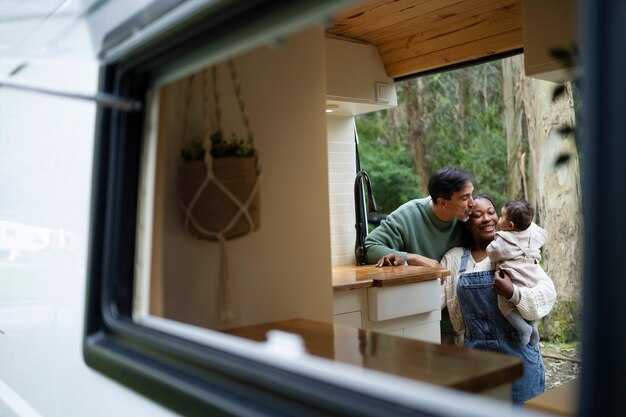
Choose a four-season camper with proven insulation and a reliable heating system, paired with a chassis that handles full-time use and a dependable hitch.
- Vehicle reliability and setup
- Looking for a chassis with solid payload, durable springs, and reliable brakes; select all-season tires and a cooling system built for long periods of use. This choice provides better performance in remote locations and reduces unexpected breakdowns when travelling travelled long distances.
- Install a proven hitch with proper weight distribution and anti-sway; this keeps the load stable whether you’re cruising or parked for the weekend.
- Winter readiness is a priority: insulation around doors, underbelly protection, heated hoses, and a robust heating system. Even when temperatures drop, you’ll stay comfortable and avoid frozen pipes, which saves time and effort during chores and meals.
- Camper shell and interior layout
- Choose a folding bed that converts to seating to maximize space; a simple fold mechanism saves time after a long day. A dedicated meal prep area with a stable counter makes cooking easier on any trip.
- Insulate exposed water lines and install foam around travel doors; this reduces heat loss and lowers energy use, something you’ll notice on winter mornings.
- Design storage around the most-used items first, so you don’t have to rummage for cups or utensils during a busy weekend.
- Electrical and climate control
- Build a battery bank with 200–600 Ah total, add 200–400 W of solar for most setups, and include a 2000–4000 W inverter for peak cooking or heating. This provides off-grid freedom and helps you stay comfortable in boondock locations where power is scarce.
- Pair solar with shore power when available; a smart charger keeps batteries healthy and avoids overcharging. A compact propane or diesel furnace boosts warmth without draining batteries on cold nights.
- Ventilation matters: install high-quality roof vents and a ceiling fan to move air without letting heat escape on winter nights or heat build-up in summer.
- Water, waste, and comfort systems
- Use a heated water hose and a heated freshwater reservoir to prevent freezing in winter; keep a hot-water tap running for a faster meal setup and easier dishwashing.
- Coolant-heated lines and insulated tanks reduce condensation and energy needs, while a simple grey-water management plan prevents leaks during a sudden shift in location.
- Carry an extra water filter cartridge and a compact water filter pitcher; occasional filters improve taste and reduce mineral buildup in hard water areas.
- Maintenance, safety, and budget
- Set a monthly fund for unexpected repairs and routine maintenance; even a small reserve prevents delays on long trips and keeps your schedule intact, especially when you’re in unfamiliar places like Oregon or coastal routes. Remember to document maintenance tasks so nothing slips through the cracks.
- Keep a compact tool kit, duct tape, spare fuses, a tire plug kit, and a basic air compressor; these items save time and avoid expensive tow services during a roadside incident.
- Regularly inspect seams, seals, and R-value around doors and windows; if you notice a draft, address it before winter so your heating system works less and your comfort rises.
- Living and travel flow
- Define a favorite layout for quick setup when you arrive at a site; a familiar arrangement reduces friction after a long drive and makes a weekend feel like home.
- Keep a small travel kit with snacks and a quick meal plan; something like a one-pan dinner and a ready-to-make coffee station speeds up mornings and helps you keep a steady routine.
- Plan for both city and boondock stays: a flexible setup provides you with comfortable options wherever you travel, from a scenic Oregon campground to a remote forest clearing.
Budget Framework: Tracking Costs, Fuel, and Maintenance
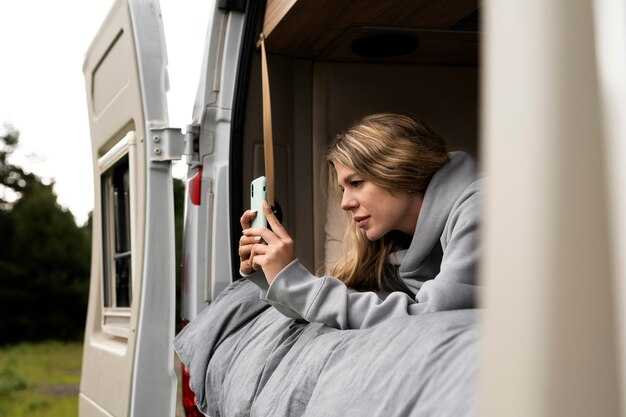
Track every mile and every dollar in a simple spreadsheet. This lets you see what goes where and what affects the budget, so you can decide quickly what to adjust before the next trip. Start with three buckets: fuel and miles, campgrounds and meals, and maintenance and repairs. That kind clarity keeps you from overspending and helps you stay within budget, building a cushion for the inevitable hiccups. If a month goes tight, you stayed within budget.
Fuel and miles: log price per gallon, total miles, and mpg for each tank; a sample: $3.50/gal, 250 miles, 8 mpg costs about $109.75. Use that to forecast a month’s fuel and adjust trips that go over the budget. Campgrounds: note nightly rates, tax, and a few free ground sites when possible; nine nights in campgrounds per month is a practical baseline for many full-timers. Meals: plan mostly home-cooked meals; a simple rule wins here–three meals a day with groceries costing around $10–$15 per person keeps you on track. Just log every receipt and you know where you stand. Maintenance and repairs: set aside a monthly cushion of $300–$600 and log each repair (what was done, cost, and supplier). If you started with this setup, you easily see where the money goes and can rearrange trips or routes to stay on track.
Practical tips and mindset: There is nothing mystical about budgeting. Use tricks like keeping a stash for smores nights by the campfire to avoid impulse buys, carry a spare tire and essential tools to reduce emergency trips, and track spare parts like filters; this taught us to spot costs and adapt on the fly. When you plan routes, imagine an airplane ascent–steady, predictable climbs, not sudden surges; that keeps your budget from stalling. If you decided to push further, your capacity grows; you can stay longer by balancing fuel, ground amenities, and repairs. If a repair takes longer than expected, taken notes help you adjust the rest of the month. The main goal is a simple routine: log, review, adjust; lets you stay flexible and avoid wasted trips; thats how you protect your budget and enjoy sailing or road cruising with confidence. Truckers often share tips at rest areas–use their tricks to find cheaper fuel and quiet campgrounds. Started with a few notes, this approach is mainly about consistency and practical choices.
Route Planning: Balancing Scenic Stops with Work and Breaks
Plan two solid work blocks and a single scenic break each day; seek options that minimize backtracking and keep the camper moving confidently.
Decided structure: pick a planned route that blends major trips with productive work gaps, and build in forest or water stops as reset anchors.
Travel with a motor and use satellite data to map the sequence; if the signal fades, switch to offline notes and a quick checklist.
If a plan lands in a town with good services, the day ended there at a reliable campsite; if that town feels super, stay a bit longer and savor the pause.
Forest breaks offer a fast, refreshing reset: just 20–30 minutes of a walk or a stretch keeps eyes away from the screen and hands off the keyboard completely.
The relationship between work and living on the road thrives when you keep options open and take a leap in how you approach the day; just have a simple idea of where you might stop, however stay flexible with the plan.
Satellite-enabled routing and offline maps let you check water sources, fuel, and campground hours, then adjust on the fly in your campervan to keep the day on track; this gives you confidence.
When choosing stops, map options that balance speed with the chance to explore a forest corridor or a town square; a super short detour can be worth the gain in mood and focus for the next trips.
Finally, record the lesson learned: note what stopped work last time and what to seek next; living on the road rewards careful prep and responsive pacing.
Site Selection Protocols: What to Look for at Campgrounds or Boondocking Spots
Prioritize pull-through or back-in sites that are level, solid, and give you clear space to park and depart. Verify ground conditions and drainage, and avoid spots with a noticeable slope or puddling after rain. If you crave quiet mornings, choose locations away from entry roads or group gatherings; keep the rig within the site’s grid so you can back out smoothly. Measure width and length so you can fully open slides and mirrors without contact. Pack light to limit pounds of bulky gear in exterior compartments, and decide which items truly matter for comfort.
Check connectivity and power options before you commit to a site. Your cell signal should be strong enough for navigation and safety; if not, confirm better coverage at nearby locations or plan for a mobile hotspot. For boondocking, calculate your energy needs to run the fridge, lights, and devices, and factor in solar capacity or battery reserves. The approach that really works is aligning power availability with your typical travel days and needs–not chasing a perfect forecast.
Water access and shower proximity save time and reduce tote weight. If you plan to use campground showers, check wait times, cleanliness, and whether you must book in advance or pay with a card. Boondocking requires planning for total water–about 20–60 gallons for a week for a compact setup, plus extra for coffee and dishes. Note the distance from your unit to the water source to avoid backtracking. If mail or packages come during travel, verify whether the site accepts mail drops or has nearby affiliate pickup options.
Walk the perimeter and observe how the site behaves once parked. Look for wind patterns, shade, drainage, and proximity to amenities. Ensure there is no close exposure to power pedestals or water spigots that could cause noise or vibrations; respect generator limits and quiet hours. Check for hazards, trash, and wildlife activity. The most reliable answer comes from observing on site, not only from photos online. If a location checks most boxes, record its coordinates for future trips and consider it a candidate point in your traveler’s notebook.
After you decided on a site, use a compact checklist you can carry in the rig’s glove box. اہم معیاروں میں ہمواری، سورج کی روشنی، سایہ، سروسز سے دوری، سیل، شور اور حفاظت شامل ہیں۔ ایک فوری ہاں/نہیں کی فہرست بنائیں: پانی/شاور، بجلی یا شمسی توانائی کا امکان، پارکنگ تک رسائی، اور پڑوسی۔ اگر آپ اس معمول پر عمل کرتے ہیں، تو آپ سفری دنوں میں بھی جلدی فیصلہ کر سکتے ہیں۔ خیال یہ ہے کہ ایک مستقل معیار کو برقرار رکھا جائے تاکہ آپ ہر اسٹاپ کا آغاز اعتماد کے ساتھ کریں بجائے اس کے کہ فی البدیہہ کام کریں۔.
قابلِ اعتماد لوکیشن ذرائع اور ملحقہ جائزوں کے ساتھ آپشنز کو وسعت دیں۔. محفوظ کردہ چند بھروسہ مند مقامات کو محفوظ کریں اور اپنے سفری میل نوٹس میں بیک اپ کی ایک مختصر فہرست رکھیں۔ جب آپ کو نئی جگہیں ملیں، تو ان کی خصوصیات کا موازنہ اپنی چیک لسٹ سے کریں اور ان اختلافات کو نوٹ کریں جنہیں آپ اگلی بار آزمانا چاہتے ہیں۔ یہ طریقہ آپ کو وضاحت دیتا ہے اور کسی ایک ذریعہ پر زیادہ انحصار سے بچاتا ہے۔ نقشے پر موجود ہر نقطہ ایک ممکنہ سائٹ بن جاتا ہے، اور آپ اس کا موازنہ اپنے قائم کردہ بڑے معیار سے کر سکتے ہیں۔.