


 日本語
日本語  English (UK)
  Русский
  বাংলা
বাংলা  العربية
  한국어
한국어  Magyar
  Norsk nynorsk
  Türkçe
  עִבְרִית
  Español
  Čeština
  Svenska
  Português
  Ελληνικά
  Suomi
Suomi  Nederlands
  Română
  Italiano
  Français
  Polski
  Українська
  Deutsch
  简体中文
简体中文  Slovenčina
  Српски језик
  اردو
اردو  Azərbaycan dili
  O‘zbekcha
  አማርኛ
አማርኛ 

毎日のメモを習慣にしましょう: 洞察 来る より速く 検討中 選択肢 visiting 土地と、一週間の旅行でどこに駐車できるか、そしていつ。 アービング, 、具体的な教訓を一つ掴むことになるでしょう。 承知いたしました。 毎日。もし だれか ガイダンスを求められたら、何が起こったのか、次に何をすべきかを示すデータが得られます。.
ほとんどの週 単純なループから始めました。, weve 知ったこと bigger 価値は、 booking キャンプ地の予約は60日前から、燃料補給は200マイル以内に行うこと。この規律が時間の節約になり、日没後の長距離運転を避けることにつながる。.
Nothing 無駄にするだろう week 直前の変更よりも迅速に旅程を把握するため、走行距離とキャンプでの時間を記録し、選択してください。 道路 より緩やかな勾配で。. むしろ 最短ルートを追いかけるよりも、景色の良い寄り道を計画しましょう。 land 訪れたい機能。.
考慮中 訪問 だれか 短い滞在を計画するなら、大切なこと:フレキシブルな2晩と、固定のバックアップサイトを設定すること。. 私たちは このアプローチは、ストレスを軽減し、共に過ごす時間の質を向上させることに役立つとわかりました。 week 旅行を提供している場合、ホストが駐車場を提供していれば land, キャンセルを心配することなく、2泊滞在して出発できます。 booking, 、長居は無用、そして常に 道路 calm.
2ヶ月のRV生活から得られた実践的な学び
1日の運転時間を2.5時間に制限し、複数泊が可能な安価な公園を選ぶ。これにより、ペースを落として疲労を軽減し、短いハイキングの時間も確保できる。.
必要最小限のものだけを持ち歩き、月に二度不要なものを処分し、表面を常にきれいに保ち、乱雑さを減らし、消耗を防ぐことを学びました。.
近場で週一回のハイキングの時間を確保すること。長時間の運転の後の足のリフレッシュに役立ちます。.
一定のルーチンを守り、ギアの量を制限する:かさばるものは一箇所にまとめて保管し、一つ買ったら一つ手放すルールを維持して、キャビンが快適に過ごせるようにする。.
パートナーや友人との関係:15分間の毎日のチェックインを行い、計画、ルート、雑用について連携する。これにより、関係が強化され、摩擦が軽減されます。.
ロケハンは重要:アプリを使って、電源、水、安全な駐車場がある公園を見つけ、無駄な移動を最小限に抑え、不測の事態を避けるルートを計画しましょう。休憩所や公園で地元の人と話す機会があれば、寄り道する価値のある場所を知るために、積極的に話を聞きましょう。.
リグと主要なメンテナンス:タイヤは2週間ごとに点検、バッテリーとホースをチェック、オイル交換を記録;整備間隔を追跡するための簡単なスプレッドシートを維持。.
アフィリエイトに関する注意:アフィリエイトプログラムを通じてギアを紹介する場合は、明確に開示し、正直なレビューを心がけてください。これは読者との信頼関係を維持し、ギアの費用をまかなうのに役立ちます。.
環境と場所への配慮:グレーウォーターとブラックウォーターの管理、プラスチックの使用を最小限に抑える、そしてホストと野生動物に敬意を払うために、サイト周辺を清潔に保つこと。.
ノートの共有:各立ち寄り先で出会った人と情報交換をしましょう。簡単なノートやブログを作って共有すれば、他の人の役に立ち、ネットワークを強化できます。.
時間を節約し、ストレスを軽減する毎日の移動ルーチン
毎朝、5分間の運転前チェックを行いましょう。燃料、タイヤの空気圧、ヒッチの安全性、そして今後のルートをざっと確認し、予期せぬ事態を最小限に抑えましょう。.
携帯用のオンロードキット(携帯充電器、懐中電灯、交換用ヒューズ、マイクロファイバークロス、小型の救急用品)を携帯して、よくある修理を簡単に済ませられるようにしましょう。.
燃料、水、廃棄物処理にアクセスしやすい場所をターゲットにして、余計な運転を減らすために、距離とサービスを考慮した単一の地図で、一目でその日の計画を立てましょう。.
運転中はオフラインマップを利用し、アップデートは計画的な停車時のみに行うことで、デバイスによる中断を制限できます。これにより、運転に集中し、ストレスを軽減できます。.
各停車地でのバッチ処理ルーチン:給水、可能であれば簡単な洗濯、グレータンクとブラックタンクの排水、そしてゴミ出し。これにより勢いを維持し、室内空間を保護します。.
定期的なチェックリストでトラックのメンテナンス状況を把握しましょう:バッテリーの状態、タイヤの摩耗、ルーフシールの状態、漏れなどを確認します。リマインダーを設定して、問題の発生を未然に防ぎましょう。.
広々としたスペース、日陰、利用しやすいコンセントがある場所を選び、余計な移動を最小限に抑えましょう。これはストレスを軽減し、食事や計画のためのエネルギーを保ちます。.
計画が変更になった場合は、燃料補給やサービスの停車場所をより迅速に選択し、必要に応じて食事と休憩時間を延長することで、迅速に対応してください。.
渋滞や遅延が重なったら、2分間の呼吸休憩で気持ちを切り替えましょう。このリセットで、イライラを軽減してタスクに戻ることができます。.
End each day with a brief recap: note what worked, what took longer, and adjust the next day’s plan accordingly, keeping the cadence steady and predictable.
信頼性と快適性を両立させる車両とキャンピングカーのセットアップの選択肢
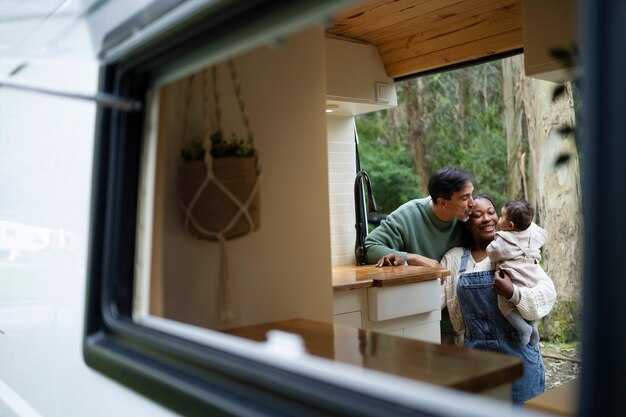
Choose a four-season camper with proven insulation and a reliable heating system, paired with a chassis that handles full-time use and a dependable hitch.
- Vehicle reliability and setup
- Looking for a chassis with solid payload, durable springs, and reliable brakes; select all-season tires and a cooling system built for long periods of use. This choice provides better performance in remote locations and reduces unexpected breakdowns when travelling travelled long distances.
- Install a proven hitch with proper weight distribution and anti-sway; this keeps the load stable whether you’re cruising or parked for the weekend.
- Winter readiness is a priority: insulation around doors, underbelly protection, heated hoses, and a robust heating system. Even when temperatures drop, you’ll stay comfortable and avoid frozen pipes, which saves time and effort during chores and meals.
- Camper shell and interior layout
- Choose a folding bed that converts to seating to maximize space; a simple fold mechanism saves time after a long day. A dedicated meal prep area with a stable counter makes cooking easier on any trip.
- Insulate exposed water lines and install foam around travel doors; this reduces heat loss and lowers energy use, something you’ll notice on winter mornings.
- Design storage around the most-used items first, so you don’t have to rummage for cups or utensils during a busy weekend.
- Electrical and climate control
- Build a battery bank with 200–600 Ah total, add 200–400 W of solar for most setups, and include a 2000–4000 W inverter for peak cooking or heating. This provides off-grid freedom and helps you stay comfortable in boondock locations where power is scarce.
- Pair solar with shore power when available; a smart charger keeps batteries healthy and avoids overcharging. A compact propane or diesel furnace boosts warmth without draining batteries on cold nights.
- Ventilation matters: install high-quality roof vents and a ceiling fan to move air without letting heat escape on winter nights or heat build-up in summer.
- Water, waste, and comfort systems
- Use a heated water hose and a heated freshwater reservoir to prevent freezing in winter; keep a hot-water tap running for a faster meal setup and easier dishwashing.
- Coolant-heated lines and insulated tanks reduce condensation and energy needs, while a simple grey-water management plan prevents leaks during a sudden shift in location.
- Carry an extra water filter cartridge and a compact water filter pitcher; occasional filters improve taste and reduce mineral buildup in hard water areas.
- Maintenance, safety, and budget
- Set a monthly fund for unexpected repairs and routine maintenance; even a small reserve prevents delays on long trips and keeps your schedule intact, especially when you’re in unfamiliar places like Oregon or coastal routes. Remember to document maintenance tasks so nothing slips through the cracks.
- Keep a compact tool kit, duct tape, spare fuses, a tire plug kit, and a basic air compressor; these items save time and avoid expensive tow services during a roadside incident.
- Regularly inspect seams, seals, and R-value around doors and windows; if you notice a draft, address it before winter so your heating system works less and your comfort rises.
- Living and travel flow
- Define a favorite layout for quick setup when you arrive at a site; a familiar arrangement reduces friction after a long drive and makes a weekend feel like home.
- Keep a small travel kit with snacks and a quick meal plan; something like a one-pan dinner and a ready-to-make coffee station speeds up mornings and helps you keep a steady routine.
- Plan for both city and boondock stays: a flexible setup provides you with comfortable options wherever you travel, from a scenic Oregon campground to a remote forest clearing.
Budget Framework: Tracking Costs, Fuel, and Maintenance
Track every mile and every dollar in a simple spreadsheet. This lets you see what goes where and what affects the budget, so you can decide quickly what to adjust before the next trip. Start with three buckets: fuel and miles, campgrounds and meals, and maintenance and repairs. That kind clarity keeps you from overspending and helps you stay within budget, building a cushion for the inevitable hiccups. If a month goes tight, you stayed within budget.
Fuel and miles: log price per gallon, total miles, and mpg for each tank; a sample: $3.50/gal, 250 miles, 8 mpg costs about $109.75. Use that to forecast a month’s fuel and adjust trips that go over the budget. Campgrounds: note nightly rates, tax, and a few free ground sites when possible; nine nights in campgrounds per month is a practical baseline for many full-timers. Meals: plan mostly home-cooked meals; a simple rule wins here–three meals a day with groceries costing around $10–$15 per person keeps you on track. Just log every receipt and you know where you stand. Maintenance and repairs: set aside a monthly cushion of $300–$600 and log each repair (what was done, cost, and supplier). If you started with this setup, you easily see where the money goes and can rearrange trips or routes to stay on track.
Practical tips and mindset: There is nothing mystical about budgeting. Use tricks like keeping a stash for smores nights by the campfire to avoid impulse buys, carry a spare tire and essential tools to reduce emergency trips, and track spare parts like filters; this taught us to spot costs and adapt on the fly. When you plan routes, imagine an airplane ascent–steady, predictable climbs, not sudden surges; that keeps your budget from stalling. If you decided to push further, your capacity grows; you can stay longer by balancing fuel, ground amenities, and repairs. If a repair takes longer than expected, taken notes help you adjust the rest of the month. The main goal is a simple routine: log, review, adjust; lets you stay flexible and avoid wasted trips; thats how you protect your budget and enjoy sailing or road cruising with confidence. Truckers often share tips at rest areas–use their tricks to find cheaper fuel and quiet campgrounds. Started with a few notes, this approach is mainly about consistency and practical choices.
Route Planning: Balancing Scenic Stops with Work and Breaks
Plan two solid work blocks and a single scenic break each day; seek options that minimize backtracking and keep the camper moving confidently.
Decided structure: pick a planned route that blends major trips with productive work gaps, and build in forest or water stops as reset anchors.
Travel with a motor and use satellite data to map the sequence; if the signal fades, switch to offline notes and a quick checklist.
If a plan lands in a town with good services, the day ended there at a reliable campsite; if that town feels super, stay a bit longer and savor the pause.
Forest breaks offer a fast, refreshing reset: just 20–30 minutes of a walk or a stretch keeps eyes away from the screen and hands off the keyboard completely.
The relationship between work and living on the road thrives when you keep options open and take a leap in how you approach the day; just have a simple idea of where you might stop, however stay flexible with the plan.
Satellite-enabled routing and offline maps let you check water sources, fuel, and campground hours, then adjust on the fly in your campervan to keep the day on track; this gives you confidence.
When choosing stops, map options that balance speed with the chance to explore a forest corridor or a town square; a super short detour can be worth the gain in mood and focus for the next trips.
Finally, record the lesson learned: note what stopped work last time and what to seek next; living on the road rewards careful prep and responsive pacing.
Site Selection Protocols: What to Look for at Campgrounds or Boondocking Spots
Prioritize pull-through or back-in sites that are level, solid, and give you clear space to park and depart. Verify ground conditions and drainage, and avoid spots with a noticeable slope or puddling after rain. If you crave quiet mornings, choose locations away from entry roads or group gatherings; keep the rig within the site’s grid so you can back out smoothly. Measure width and length so you can fully open slides and mirrors without contact. Pack light to limit pounds of bulky gear in exterior compartments, and decide which items truly matter for comfort.
Check connectivity and power options before you commit to a site. Your cell signal should be strong enough for navigation and safety; if not, confirm better coverage at nearby locations or plan for a mobile hotspot. For boondocking, calculate your energy needs to run the fridge, lights, and devices, and factor in solar capacity or battery reserves. The approach that really works is aligning power availability with your typical travel days and needs–not chasing a perfect forecast.
Water access and shower proximity save time and reduce tote weight. If you plan to use campground showers, check wait times, cleanliness, and whether you must book in advance or pay with a card. Boondocking requires planning for total water–about 20–60 gallons for a week for a compact setup, plus extra for coffee and dishes. Note the distance from your unit to the water source to avoid backtracking. If mail or packages come during travel, verify whether the site accepts mail drops or has nearby affiliate pickup options.
Walk the perimeter and observe how the site behaves once parked. Look for wind patterns, shade, drainage, and proximity to amenities. Ensure there is no close exposure to power pedestals or water spigots that could cause noise or vibrations; respect generator limits and quiet hours. Check for hazards, trash, and wildlife activity. The most reliable answer comes from observing on site, not only from photos online. If a location checks most boxes, record its coordinates for future trips and consider it a candidate point in your traveler’s notebook.
After you decided on a site, use a compact checklist you can carry in the rig’s glove box. Major criteria include levelness, sun exposure, shade, distance to services, cell, noise, and safety. Create a quick yes/no list: water/shower, power or solar potential, parking access, and neighbors. If you follow this routine, you can decide quickly even on travel days. The idea is to maintain a steady standard so you start every stop with confidence rather than improvising.
信頼できるロケーションソースとアフィリエイトレビューでオプションを拡充します。. 信頼できる定番の場所をいくつか保存しておき、旅行メールのメモにバックアップの場所を簡単にリストアップしておきましょう。新しい場所を見つけたら、チェックリストと照らし合わせて、次回試したい相違点をメモしておきます。このアプローチにより、明確さが得られ、単一の情報源への過度の依存を回避できます。地図上の各ポイントが潜在的な場所となり、確立した主要な基準に照らして測定できます。.