


 اردو
اردو  English (UK)
  Русский
  বাংলা
বাংলা  العربية
  日本語
日本語  한국어
한국어  Magyar
  Norsk nynorsk
  Türkçe
  עִבְרִית
  Español
  Čeština
  Svenska
  Português
  Ελληνικά
  Suomi
Suomi  Nederlands
  Română
  Italiano
  Français
  Polski
  Українська
  Deutsch
  简体中文
简体中文  Slovenčina
  Српски језик
  Azərbaycan dili
  O‘zbekcha
  አማርኛ
አማርኛ 
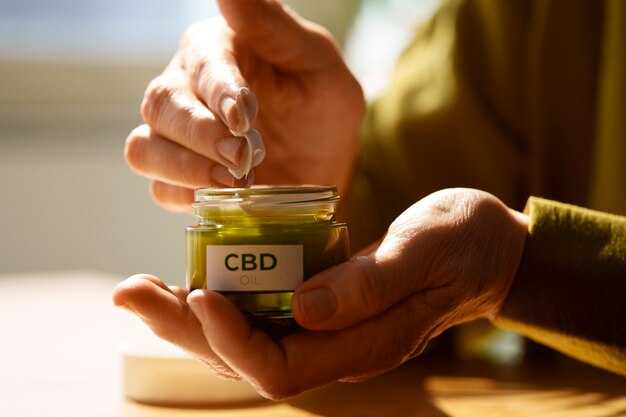
Keeping all required documentation on you at all times is essential: a clinician‑issued prescription, a dated letter detailing your medical need, and product information including name, strength, and dosage. This keeps possession clear and supports how you carry the medicine through checkpoints.
Before you travel, investigate the rules in your destination and seek advice from a clinician or qualified travel adviser. Some jurisdictions treat medical cannabis differently; a couple of clear steps–present your documents, report the contents honestly if asked, and know the allowed number of units for personal use–will save delays. When you approach historic sites or tourist hubs, such as castles, keep your paperwork ready in case staff request proof of medical necessity.
Keep the product in its original packaging from the manufacturer and carry only what you need for the trip’s duration. Do not exceed the number of units permitted for personal possession, and separate the product from other luggage to minimize confusion at checkpoints.
In the UK, cannabis‑based medicines are available only via prescription from a clinician who specializes in these therapies, and many patients obtain them through private arrangements. Do not rely on over‑the‑counter products; they may not meet medical standards or legal requirements for travel. If possible, arrange a private travel prescription and obtain a letter that covers your planned routes and layovers.
When you must declare, stay calm and present your documents clearly. Keep a copy of your clinician’s contact details and the product label as a backup. If authorities challenge you, ask to speak with a supervisor and seek immediate legal or medical advice; having a prepared plan provides protection against misunderstandings.
Dream of a smooth trip? It is highly feasible with careful planning, and with a sure approach you can minimize risk. While the rules can be unlikely to align across borders, keeping documentation, clear communication, and a practical plan will give you a solid chance to travel safely and maintain treatment wherever you go.
UK Medical Cannabis Travel Plan
Step 1: Talk with your clinician and obtain a formal medical cannabis certificate that states your diagnosis, product type, dosage, and daily use. Make two copies: one for your travel bag and one for your clinician’s file. This is advisable when travelling and helps prevent delays at border checks, especially if you are visiting foreign states such as italy. In the heading of each document, ensure your name matches your passport.
Step 2: Check entry rules for each state you plan to visit; many foreign authorities require a translation, a permit, or a separate certificate. If you need to apply for any permit, do it well in advance; carry a letter that describes the medical need and the exact product, and verify the heading on the documents is clear.
Step 3: Pack medication in the original packaging with the label showing your name, dosage, and active ingredients. Bring certificates and the clinician’s contact details. If you are possessing cannabis products, limit the amount to personal use and follow state limits; maybe keep a small extra in case of delays.
Step 4: When travelling internationally, contact your airline in advance and confirm their policies. Declare if required; some airports apply strict checks. Complications can arise when rules differ, so plan for storage constraints and possible delays.
Step 5: Plan for medical support abroad: identify nearby clinicians or clinics along your route and set a contact plan with your UK clinician for dose changes while away. You may need to adjust your schedule and keep notes if trying new routines.
Step 6: After returning, keep copies of receipts and any notes from clinicians. Read stories from other people about their experiences to guide your plan, but verify facts. If rules change, apply updates to your plan and share your learnings responsibly.
How UK prescription validity applies when travelling
Do not assume UK prescription validity applies abroad. Before departure, verify with the destination’s authority whether a UK-issued prescription is recognized and whether you may carry your medicine. Obtain a clinician letter on headed paper that confirms your diagnosis, the exact product name (alternaleaf or your licensed preparation), strength, daily dose, total quantity for travel, and the prescribing clinician’s contact details. Keep the UK prescription and the letter with you during travel and within reach at the security check.
Pack the product in its original packaging with label showing your name, dosage, and expiry. Carry only the amount needed for the stay, the travel time, and your planned days away, to reduce risks of confiscation or questions. If you need access to more, ask your clinician for guidance on whether a longer-term plan can be arranged; do not improvise at the border. Always mind the customs rules of your destination, as some authorities may treat cannabis products differently. For those who love to travel, staying compliant saves time and stress.
UK prescription validity covers home use; abroad, most countries require a local authorization. In Berlin and other cities, residents may need a local prescription or official clearance; you should plan for this well before departure. Check their local requirements for your product form, including oils, capsules, or heavy products that attract stricter controls. Do not assume automatic permission to travel with your medicine; arrange a local confirmation if available.
If you are driving between destinations, be aware that driving under the influence is illegal in many places. When travelling by car, carry your documents in the vehicle and be prepared to present them if asked by authorities. Do not drive with products that are not permitted; check how long you can keep them within your car in each country. This step reduces risks for you and reduces issues for fellow travellers.
Step-by-step checklist you can use: (1) confirm destination rules with the relevant authority; (2) obtain a clinician letter with product details; (3) bring original packaging and all labels; (4) carry a copy of the prescription; (5) keep the prescriber’s contact details; (6) carry only enough for your stay; (7) declare on return if required; (8) have a digital copy of documents accessible; (9) verify airline policies for carry-on and medical cannabis. Within these details you will find the most reliable approach to stay compliant while travelling and adjust after each trip.
Residents and travellers often asked about how UK expiry dates apply. The answer: UK prescriptions retain their validity within the UK; abroad, check each country’s rules and be prepared to source local care if required. When in doubt, contact the embassy or health authority ahead of time and find a safe plan for your stay in accordance with law. If you are away, ensure you can access your documents online and offline to show them if asked; this reduces the risks of misinterpretation in transit, during departure, or whilst travelling to new places like castles or city breaks in places such as berlin.
Documents you must carry: prescription, clinician letter, product specifics, and packaging
Carry the original prescription and a clinician letter in your hand luggage, with clear contact details for the issuing clinic. This documentation is required outside the UK and can help you pass security checks with less friction.
Prepare a product brief that lists the exact product name, form (flower, liquid, oil, or edibles), cannabinoid content, daily dose, total supply, and the supplier. Include the batch or lot number, expiry date, and storage instructions to avoid confusion at checkpoints.
Keep packaging intact and label everything clearly. Use the original outer packaging and retain labels that show product name, strength, source (pharmacy or licensed supplier), batch number, and warnings. Sanskara branding on a label should be verified against your supplier’s paperwork to prevent mismatches.
Include a clinician letter detailing diagnosis, medical justification, recommended daily intake, and duration of therapy, plus the clinician’s full contact information. Use headed paper if possible to reinforce authenticity and speed up verification.
Make backups: print multiple copies and store digital versions on a phone or secure cloud. If you need translations, prepare them in advance and attach them to the originals for quick reference by inspectors or pharmacists.
Be prepared for questions: respond calmly, reference your documentation, and avoid improvisation. If you are detained, present your prescription, clinician letter, and product details immediately and request contact with your pharmacy or clinician for verification.
European travel requires country-specific checks: some destinations allow medical cannabis with proper documentation, while others impose strict rules. Review the case for each destination and obtain any extra letters if required, to support your medical status across borders.
When traveling with liquids, edibles, or other formats, keep items in compliant containers and declare if asked. For a holiday trip, plan ahead and allow extra time for checks; a well-organized packet of documents helps you move over checkpoints smoothly and reduces the chance of miscommunication.
Having complete documentation reduces the risk of imprisonment or detention and helps travelers maintain access to medical cannabis while abroad. Prepare now to support an incredible, well-managed experience across destinations. If uncertainty arises, leaning on your pharmacy for official printouts and guidance provides a reliable backbone for every step after you land.
Destination checks and airline rules: how to verify import limits and permitted forms
Check the airline’s official platform and the destination’s public authorities before you travel to verify import limits and the forms you may carry on board. Keep the product in hand luggage where allowed and bring a printed copy of authorisation if issued.
Prepare authorisation from your clinician and any issued documentation; carry both digital and paper copies. This helps when questions arise at check-in or customs, and it keeps the process smoother for your travel plans.
Pack items in their original packaging with legible labels and include the product name, dosage, and ingredient list. Have a concise note from your doctor about consumption needs and the rationale for medical cannabis use.
Understand that regions vary; some destinations prohibit possession entirely, while others permit certain forms and dosages. Know what is allowed and what is prohibited to avoid issues on arrival.
Ask airline staff in advance about their rules for your exact product, and check if you must declare anything at check-in. Some platforms require you to upload documents or obtain an electronic waiver before you depart.
On arrival, declare if required and present documentation to customs; some items may be surrendered or restricted further, depending on local laws. If authorities request more details, stay calm and provide clear information about your medical use and supply sources.
Having clarity about the rules reduces risk and makes exploring foreign destinations easier. For any product labeled alternaleaf, verify its classification in the destination’s regulations; some forms may fall under non-controlled status, while others require special authorisation or may be prohibited.
When traveling, keep some key steps in mind: confirm the limits, carry the authorisation, and respect the public rules of each region you explore. This approach supports traveling with confidence and minimizes friction at borders.
| Region / Destination Check | تصدیق کے لیے کیا ہے | Commonly Allowed Forms (examples) | Documentation to Carry | Official Platform to Check | نوٹس |
|---|---|---|---|---|---|
| Europe (including UK) destinations | Import limits and permitted forms vary by country; consult the destination government site and the airline policy | Capsules, oils, tinctures (where permitted); dried flower rarely allowed unless specifically authorized | Doctor’s authorisation, prescription, and any issued import permits; product labels | Official government portal; airline platform | Rules differ per country; some require a separate import permit; do not rely on anecdotal guidance |
| Americas (Canada, Caribbean, parts of South America) | اپنی پروڈکٹ کی قسم کے لیے مقامی بھنگ کے قانون اور ٹرانزٹ (نقل و حمل) کے قوانین کی جانچ پڑتال کریں۔ | معیاری طبی فارم (کیپسول، تیل)؛ کچھ مقامات فارمز یا سپلائی کو محدود کرتے ہیں۔ | طبیب کا خط، نسخہ، درآمد کی اجازت اگر ضروری ہو | کسٹمز/صحت کی وزارت کا پورٹل؛ ایئر لائن کی رہنمائی | ٹرانزٹ قوانین لاگو ہو سکتے ہیں۔ اس بات کو یقینی بنائیں کہ آپ اصل اور منزل مقصود دونوں کی ضروریات کو پورا کرتے ہیں۔ |
| ایشیا پیسیفک، مشرقِ وسطیٰ | بہت سی جگہیں سخت اجازت ناموں کے بغیر قبضہ یا درآمد کو منع کرتی ہیں۔ | اکثر غیر-کینابیس طبی مصنوعات تک محدود؛ متعدد مقامات ممنوع قرار دیتے ہیں | مسافروں کے لیے اجازت نامے شاذ و نادر ہی جاری کیے جاتے ہیں۔ اگر اجازت ہو تو کم سے کم مقدار میں ساتھ رکھیں۔ | سفارت خانہ یا سرکاری سائٹ؛ سرکاری کسٹم پورٹل | اگر یقین نہیں ہے تو، بھنگ کی مصنوعات لے جانے سے گریز کریں۔ |
| دیگر علاقوں کے لیے عمومی رہنمائی | سمجھیں کہ قوانین خطے کے لحاظ سے مخصوص ہیں اور تبدیل ہو سکتے ہیں۔ پیک کرنے سے پہلے تصدیق کریں۔ | منزل مقصود کی طرف سے واضح طور پر اجازت شدہ فارمز؛ غیر تصدیق شدہ اقسام سے گریز کریں۔ | طبی ضرورت کو ظاہر کرنے والی دستاویزات؛ جہاں ضروری ہو اجازت نامہ | منزل مقصود حکومتی پورٹل؛ ایئر لائن پلیٹ فارم | ہمیشہ اعلان کریں اگر ضرورت ہو؛ دستاویزات کو آسانی سے قابل رسائی رکھیں۔ |
سیکورٹی چیک پوائنٹ پروٹوکول: کیا توقع کریں اور عملے کو کیا دکھائیں
ہمیشہ اپنے فرمان کی اور طبیب کے خط کی ایک کاغذی نقل اپنے پاس رکھیں، اور قانونی حیثیت قائم کرنے اور تاخیر سے بچنے کے لیے پہلے حفاظتی رابطہ پر انہیں پیش کرنے کے لیے تیار رہیں۔.
ذیل میں ایک عملی، ٹھوس منصوبہ ہے جو عملے سے رابطہ کرتے وقت آپ کو تیاری کرنے اور جواب دینے میں مدد کرے گا، اور ایک ہموار تجربے کے لیے چیک پوائنٹ کے ذریعے کیا دکھانا ہے یہ جاننے میں مدد کرے گا۔.
- اپنے کاغذات تیار کریں۔
- حکم: یقینی بنائیں کہ کاغذی نقل پر جاری کرنے والے ادارے کا نام، تاریخ، اور مریض کا نام بالکل ویسا ہی درج ہو جیسا کہ آپ کے پاسپورٹ پر موجود ہے۔.
- طبی خط یا نسخہ: پروڈکٹ، کل مقدار، ڈوزنگ گائیڈنس، اور اجراء کی تاریخ شامل کریں۔.
- اگر قابل اطلاق ہو تو سٹوریج اور ہینڈلنگ کے نوٹ اور اس بات کا ثبوت کہ آپ نے پروڈکٹ کب حاصل کی تھی۔.
- اسٹاف کو کیا دِکھانا ہے
- حکم اور خط کو پہلے پیش کریں، اور کسی بھی معاون دستاویزات کو ایک شفاف فولڈر میں ڈال دیں۔.
- طبی ضرورت اور سفری منصوبے کی وضاحت کے لیے تیار رہیں، بشمول آپ پروڈکٹ کہاں رکھیں گے اور اسے کیسے محفوظ رکھیں گے۔.
- اگر عملے کو معلومات کی تصدیق کرنے کی ضرورت ہو تو اپنے طبیب کے رابطے کی تفصیلات دکھانے کی پیشکش کریں۔.
- اضافی سوالات کے لیے تیار رہیں؛ اختصار کے ساتھ جواب دیں اور جب قابل اطلاق ہو تو جاری کردہ تاریخ اور حکم نامے کا حوالہ دیں۔.
- چیک پوائنٹ پر
- علیحدہ، واضح طور پر نشان زدہ تھیلے میں بھنگ کی مصنوعات رکھیں؛ اگر پالیسی کے تحت مطلوب ہو تو ان کا اعلان کریں؛ عملے کی ہدایات کی ترتیب پر عمل کریں۔.
- دستاویزات کو اوپر رکھیں تاکہ سکرینر ان کا جلدی سے جائزہ لے سکیں۔.
- اصل، قانونی حیثیت اور ذخیرہ کرنے سے متعلق سوالات کی توقع رکھیں۔ سوالوں کا مختصر جواب دیں اور جاری کردہ حکمنامے اور تاریخ کا حوالہ دیں۔.
- قانونی اور سفری تناظر
- قواعد مختلف ہوتی ہیں ہر ملک کے لحاظ سے؛ رابطہ کریں منزل کے سفارت خانے یا ٹریول کلینک سے پہلے از وقت ضروریات کی تصدیق کے لیے۔.
- برلن یا دیگر بین الاقوامی ہوائی اڈوں جیسے مراکز سے سفر کرتے وقت، عملہ اضافی تصدیق کی درخواست کر سکتا ہے۔ براہ راست رابطہ لائن ہونے سے عمل کو تیز کیا جا سکتا ہے۔.
- اگر انکار کیا جاتا ہے، تو پرسکون رہیں، نظرثانی کے طریقہ کار کے بارے میں پوچھیں اور بعد میں رپورٹ کے لیے کسی بھی حوالہ نمبر یا حکم نامے کی تفصیلات لکھ لیں۔.
- ہموار تجربے کے لیے تجاویز
- لائن کو رواں رکھنے اور ہینڈلنگ کو کم کرنے کے لیے کم بھاری اشیاء لے کر آئیں۔.
- اسکریننگ کو آسان بنانے اور اپنے دستاویزات کی حفاظت کے لیے کم وزنی اشیاء ساتھ لے جائیں۔.
- اگر پالیسی اجازت دیتی ہے تو کاغذی دستاویزات کی ایک کاپی اپنے ہینڈ بیگ میں اور دوسری اپنے چیک کیے گئے بیگ میں رکھیں۔.
- سفر کرنے سے پہلے اپنے دستاویزات کی تصدیق کر لیں؛ تاریخ کی جانچ پڑتال کریں اور اس بات کو یقینی بنائیں کہ اجرا کی تاریخ آپ کی سفری تاریخوں کے مطابق ہے۔.
اُمید ہے، یہ طریقہ کار اس عمل کو بہت آسان بنا دے گا اور سیکیورٹی چیک کے دوران پریشانی کو کم سے کم کرے گا۔.
اگر روکا جائے: فوری اقدامات، حقوق، اور سپورٹ سے رابطہ

نسخہ اور ڈاکٹر کے نوٹ پر اپنا نام اور تاریخ دکھائیں، پھر دستاویزات افسر کے حوالے کریں اور اپنی موجودہ طبی ضرورت کو مختصراً بیان کریں۔.
موقع پر کسی بھی پروڈکٹ کا استعمال نہ کریں؛ چرس کو احتیاط سے سیل بند کنٹینر میں رکھیں اور مقدار کو اپنے پاس بیگ میں رکھیں نہ کہ اپنے جسم پر یا نظروں کے سامنے۔.
متوقعہ پیچیدگیوں کے مُتَوَقَّع رہیں؛ پُرسکون رہیں، اور آپ کو ترجمے اور اپنے قونصل خانے یا کسی وکیل سے رابطہ کرنے کا حق ہے۔.
اگر آپ کو ضرورت ہو تو ترجمان طلب کریں، سٹاپ کا تحریری ریکارڈ طلب کریں (افسر کا نام، بیج، تاریخ، شہر)، اور نوٹ کریں کہ آپ اپنی یو کے سپورٹ لائن یا قانونی مشیر سے رابطہ کر سکتے ہیں۔.
مدد کے آپشنز میں شہر میں برطانوی سفارت خانے یا قونصل خانے کو کال کرنا، اپنے کلینک سے رابطہ کرنا اور مقامی قانونی امداد یا کینابِس وکالت کی خدمات تک رسائی شامل ہیں۔ اگر آپ برطانیہ سے باہر ہیں، تو جلد از جلد کال کرنے کا منصوبہ بنائیں۔.
جہاں آپ سفر کرتے ہیں وہاں کی حدود اور غیر قانونی حیثیت کو جان لیں؛ بہت سی جگہیں کسی بھی مقدار کو غیر قانونی سمجھتی ہیں، اور کھانے کی اشیاء پر سخت جرمانے ہو سکتے ہیں۔ برلن ایک مفید حوالہ نقطہ ہے: طبی بھنگ کو نسخے کے ساتھ تسلیم کیا جاتا ہے، لیکن پولیس چیک کے لیے اب بھی دستاویزات اور طبی جواز کی واضح ضرورت ہوتی ہے۔.
ریکارڈ رکھنے کا معاملہ: جب سٹاپ ہو تو تاریخ، نام، موجودہ مقام، شہر، رقم، پروڈکٹ کی قسم (ایڈیبلز یا پودا)، اور متعلقہ تفصیلات نوٹ کریں؛ یہ دوسروں کی مدد کرتا ہے جو آپ کی حمایت کریں گے اور سب کو لائن آف ایکشن سے اوپر باخبر رکھتا ہے۔.