


 Français
  English (UK)
  Русский
  বাংলা
বাংলা  العربية
  日本語
日本語  한국어
한국어  Magyar
  Norsk nynorsk
  Türkçe
  עִבְרִית
  Español
  Čeština
  Svenska
  Português
  Ελληνικά
  Suomi
Suomi  Nederlands
  Română
  Italiano
  Polski
  Українська
  Deutsch
  简体中文
简体中文  Slovenčina
  Српски језик
  اردو
اردو  Azərbaycan dili
  O‘zbekcha
  አማርኛ
አማርኛ 
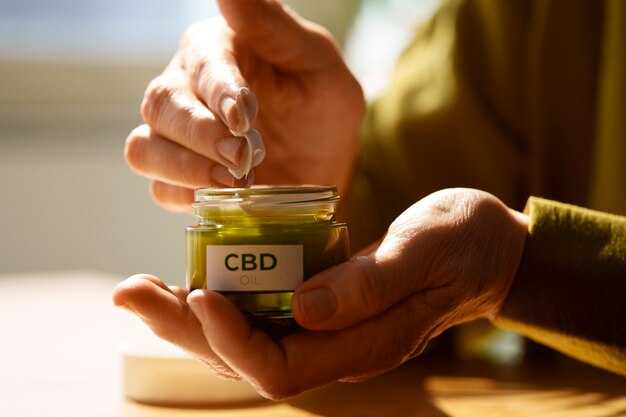
Keeping all required documentation on you at all times is essential: a clinician‑issued prescription, a dated letter detailing your medical need, and product information including name, strength, and dosage. This keeps possession clear and supports how you carry the medicine through checkpoints.
Before you travel, investigate the rules in your destination and seek advice from a clinician or qualified travel adviser. Some jurisdictions treat medical cannabis differently; a couple of clear steps–present your documents, report the contents honestly if asked, and know the allowed number of units for personal use–will save delays. When you approach historic sites or tourist hubs, such as castles, keep your paperwork ready in case staff request proof of medical necessity.
Keep the product in its original packaging from the manufacturer and carry only what you need for the trip’s duration. Do not exceed the number of units permitted for personal possession, and separate the product from other luggage to minimize confusion at checkpoints.
In the UK, cannabis‑based medicines are available only via prescription from a clinician who specializes in these therapies, and many patients obtain them through private arrangements. Do not rely on over‑the‑counter products; they may not meet medical standards or legal requirements for travel. If possible, arrange a private travel prescription and obtain a letter that covers your planned routes and layovers.
When you must declare, stay calm and present your documents clearly. Keep a copy of your clinician’s contact details and the product label as a backup. If authorities challenge you, ask to speak with a supervisor and seek immediate legal or medical advice; having a prepared plan provides protection against misunderstandings.
Dream of a smooth trip? It is highly feasible with careful planning, and with a sure approach you can minimize risk. While the rules can be unlikely to align across borders, keeping documentation, clear communication, and a practical plan will give you a solid chance to travel safely and maintain treatment wherever you go.
UK Medical Cannabis Travel Plan
Step 1: Talk with your clinician and obtain a formal medical cannabis certificate that states your diagnosis, product type, dosage, and daily use. Make two copies: one for your travel bag and one for your clinician’s file. This is advisable when travelling and helps prevent delays at border checks, especially if you are visiting foreign states such as italy. In the heading of each document, ensure your name matches your passport.
Step 2: Check entry rules for each state you plan to visit; many foreign authorities require a translation, a permit, or a separate certificate. If you need to apply for any permit, do it well in advance; carry a letter that describes the medical need and the exact product, and verify the heading on the documents is clear.
Step 3: Pack medication in the original packaging with the label showing your name, dosage, and active ingredients. Bring certificates and the clinician’s contact details. If you are possessing cannabis products, limit the amount to personal use and follow state limits; maybe keep a small extra in case of delays.
Step 4: When travelling internationally, contact your airline in advance and confirm their policies. Declare if required; some airports apply strict checks. Complications can arise when rules differ, so plan for storage constraints and possible delays.
Step 5: Plan for medical support abroad: identify nearby clinicians or clinics along your route and set a contact plan with your UK clinician for dose changes while away. You may need to adjust your schedule and keep notes if trying new routines.
Step 6: After returning, keep copies of receipts and any notes from clinicians. Read stories from other people about their experiences to guide your plan, but verify facts. If rules change, apply updates to your plan and share your learnings responsibly.
How UK prescription validity applies when travelling
Do not assume UK prescription validity applies abroad. Before departure, verify with the destination’s authority whether a UK-issued prescription is recognized and whether you may carry your medicine. Obtain a clinician letter on headed paper that confirms your diagnosis, the exact product name (alternaleaf or your licensed preparation), strength, daily dose, total quantity for travel, and the prescribing clinician’s contact details. Keep the UK prescription and the letter with you during travel and within reach at the security check.
Pack the product in its original packaging with label showing your name, dosage, and expiry. Carry only the amount needed for the stay, the travel time, and your planned days away, to reduce risks of confiscation or questions. If you need access to more, ask your clinician for guidance on whether a longer-term plan can be arranged; do not improvise at the border. Always mind the customs rules of your destination, as some authorities may treat cannabis products differently. For those who love to travel, staying compliant saves time and stress.
UK prescription validity covers home use; abroad, most countries require a local authorization. In Berlin and other cities, residents may need a local prescription or official clearance; you should plan for this well before departure. Check their local requirements for your product form, including oils, capsules, or heavy products that attract stricter controls. Do not assume automatic permission to travel with your medicine; arrange a local confirmation if available.
If you are driving between destinations, be aware that driving under the influence is illegal in many places. When travelling by car, carry your documents in the vehicle and be prepared to present them if asked by authorities. Do not drive with products that are not permitted; check how long you can keep them within your car in each country. This step reduces risks for you and reduces issues for fellow travellers.
Step-by-step checklist you can use: (1) confirm destination rules with the relevant authority; (2) obtain a clinician letter with product details; (3) bring original packaging and all labels; (4) carry a copy of the prescription; (5) keep the prescriber’s contact details; (6) carry only enough for your stay; (7) declare on return if required; (8) have a digital copy of documents accessible; (9) verify airline policies for carry-on and medical cannabis. Within these details you will find the most reliable approach to stay compliant while travelling and adjust after each trip.
Residents and travellers often asked about how UK expiry dates apply. The answer: UK prescriptions retain their validity within the UK; abroad, check each country’s rules and be prepared to source local care if required. When in doubt, contact the embassy or health authority ahead of time and find a safe plan for your stay in accordance with law. If you are away, ensure you can access your documents online and offline to show them if asked; this reduces the risks of misinterpretation in transit, during departure, or whilst travelling to new places like castles or city breaks in places such as berlin.
Documents you must carry: prescription, clinician letter, product specifics, and packaging
Carry the original prescription and a clinician letter in your hand luggage, with clear contact details for the issuing clinic. This documentation is required outside the UK and can help you pass security checks with less friction.
Prepare a product brief that lists the exact product name, form (flower, liquid, oil, or edibles), cannabinoid content, daily dose, total supply, and the supplier. Include the batch or lot number, expiry date, and storage instructions to avoid confusion at checkpoints.
Keep packaging intact and label everything clearly. Use the original outer packaging and retain labels that show product name, strength, source (pharmacy or licensed supplier), batch number, and warnings. Sanskara branding on a label should be verified against your supplier’s paperwork to prevent mismatches.
Include a clinician letter detailing diagnosis, medical justification, recommended daily intake, and duration of therapy, plus the clinician’s full contact information. Use headed paper if possible to reinforce authenticity and speed up verification.
Make backups: print multiple copies and store digital versions on a phone or secure cloud. If you need translations, prepare them in advance and attach them to the originals for quick reference by inspectors or pharmacists.
Be prepared for questions: respond calmly, reference your documentation, and avoid improvisation. If you are detained, present your prescription, clinician letter, and product details immediately and request contact with your pharmacy or clinician for verification.
European travel requires country-specific checks: some destinations allow medical cannabis with proper documentation, while others impose strict rules. Review the case for each destination and obtain any extra letters if required, to support your medical status across borders.
When traveling with liquids, edibles, or other formats, keep items in compliant containers and declare if asked. For a holiday trip, plan ahead and allow extra time for checks; a well-organized packet of documents helps you move over checkpoints smoothly and reduces the chance of miscommunication.
Having complete documentation reduces the risk of imprisonment or detention and helps travelers maintain access to medical cannabis while abroad. Prepare now to support an incredible, well-managed experience across destinations. If uncertainty arises, leaning on your pharmacy for official printouts and guidance provides a reliable backbone for every step after you land.
Destination checks and airline rules: how to verify import limits and permitted forms
Check the airline’s official platform and the destination’s public authorities before you travel to verify import limits and the forms you may carry on board. Keep the product in hand luggage where allowed and bring a printed copy of authorisation if issued.
Prepare authorisation from your clinician and any issued documentation; carry both digital and paper copies. This helps when questions arise at check-in or customs, and it keeps the process smoother for your travel plans.
Pack items in their original packaging with legible labels and include the product name, dosage, and ingredient list. Have a concise note from your doctor about consumption needs and the rationale for medical cannabis use.
Understand that regions vary; some destinations prohibit possession entirely, while others permit certain forms and dosages. Know what is allowed and what is prohibited to avoid issues on arrival.
Ask airline staff in advance about their rules for your exact product, and check if you must declare anything at check-in. Some platforms require you to upload documents or obtain an electronic waiver before you depart.
On arrival, declare if required and present documentation to customs; some items may be surrendered or restricted further, depending on local laws. If authorities request more details, stay calm and provide clear information about your medical use and supply sources.
Having clarity about the rules reduces risk and makes exploring foreign destinations easier. For any product labeled alternaleaf, verify its classification in the destination’s regulations; some forms may fall under non-controlled status, while others require special authorisation or may be prohibited.
When traveling, keep some key steps in mind: confirm the limits, carry the authorisation, and respect the public rules of each region you explore. This approach supports traveling with confidence and minimizes friction at borders.
| Region / Destination Check | What to Verify | Commonly Allowed Forms (examples) | Documentation to Carry | Official Platform to Check | Notes |
|---|---|---|---|---|---|
| Europe (including UK) destinations | Import limits and permitted forms vary by country; consult the destination government site and the airline policy | Capsules, oils, tinctures (where permitted); dried flower rarely allowed unless specifically authorized | Doctor’s authorisation, prescription, and any issued import permits; product labels | Official government portal; airline platform | Rules differ per country; some require a separate import permit; do not rely on anecdotal guidance |
| Americas (Canada, Caribbean, parts of South America) | Check local cannabis law and transit rules for your product type | Standard medical forms (capsules, oils); some destinations restrict forms or supply | Clinician letter, prescription, import authorisation if required | Customs/health ministry portal; airline guidance | Transit rules can apply; ensure you meet both origin and destination requirements |
| Asia-Pacific, Middle East | Many places prohibit possession or import without strict permits | Often limited to non-cannabis medical products; many destinations prohibit | Permits are rarely issued for travelers; carry minimal quantities if allowed | Embassy or government site; official customs portal | If unsure, avoid carrying cannabis products |
| General guidance for other regions | Understand that rules are region-specific and can change; verify before you pack | Forms that are explicitly allowed by the destination; avoid unverified types | Documentation showing medical need; authorisation where required | Destination government portal; airline platform | Always declare if required; keep documents easily accessible |
Security checkpoint protocol: what to expect and what to show staff
Always carry a paper copy of your decree and the clinician’s letter, and be prepared to present them at the first security contact to establish legitimacy and avoid delays.
Below is a practical, concrete plan to help you prepare and respond when contacting staff, and to know what to show through the checkpoint for a smooth experience.
- Prepare your documents
- Decree: ensure the paper copy shows the issuing authority, the date, and the patient name exactly as it appears on your passport.
- Physician letter or prescription: include product, total quantity, dosing guidance, and the date of issue.
- Storage and handling notes, if applicable, and proof of when you obtained the product.
- What to show staff
- Present the decree and letter first, with any supporting documents tucked into a transparent folder.
- Be ready to explain the medical necessity and the travel plan, including where you will carry the product and how you will keep it secure.
- Offer to show contact details for your clinician if staff need to verify information.
- Be prepared for getting extra questions; respond succinctly and reference the issued date and decree when applicable.
- At the checkpoint
- Place cannabis products in a separate, clearly labeled bag; declare them if required by policy; follow the order of staff instructions.
- Keep the documents on top so screeners can review them quickly.
- Expect questions about origin, legality, and storage; answer succinctly and refer to the issued decree and date as needed.
- Legal and travel context
- Rules vary by country; contact the destination’s embassy or travel clinic in advance to confirm requirements.
- When traveling through hubs such as berlin or other international airports, staff may request additional confirmation; having a direct contact line can speed the process.
- If you are refused, remain calm, ask for the review procedure and write down any reference numbers or decree details for a later report.
- Tips for a smooth experience
- Carry less bulky items to keep the line moving and reduce handling.
- Carry fewer bulky items to simplify screening and protect your documents.
- Keep a copy of the paper documents in your hand luggage and another in your checked bag if allowed by policy.
- Verify your documents before you travel; check the date and ensure the issued date aligns with your travel dates.
Hopefully, this approach makes the process incredibly smooth and minimizes stress during security checks.
If stopped: immediate steps, rights, and contacting support

Show your name and date on the prescription and doctor’s note, then hand the documents to the officer and state your current medical need concisely.
Do not consume any product at the scene; store cannabis discreetly in a sealed container and keep the amount in your bag rather than on your person or in view.
Expect potential complications; stay calm, and youve rights to translation and to contact your consulate or a solicitor.
Ask for a translator if you need one, request a written record of the stop (officer name, badge, date, city), and note that you can contact your UK support line or a legal adviser.
Options for support include calling the UK embassy or consulate in the city, contacting your clinic, and reaching local legal aid or cannabis advocacy services. If you’re outside the UK, plan the call as soon as you can.
Know the limits and illegal status where you travel; many places treat any amount as illegal, and edibles can carry harsher penalties. berlin is a useful reference point: medical cannabis is recognized with a prescription, but police checks still require documentation and a clear medical justification.
Record-keeping matters: when the stop happens, note the date, name, current location, city, amount, product type (edibles or plant), and related details; this helps others who will support you and keeps everyone informed above the line of action.