


 اردو
اردو  English (UK)
  Русский
  বাংলা
বাংলা  العربية
  日本語
日本語  한국어
한국어  Magyar
  Norsk nynorsk
  Türkçe
  עִבְרִית
  Español
  Čeština
  Svenska
  Português
  Ελληνικά
  Suomi
Suomi  Nederlands
  Română
  Italiano
  Français
  Polski
  Українська
  Deutsch
  简体中文
简体中文  Slovenčina
  Српски језик
  Azərbaycan dili
  O‘zbekcha
  አማርኛ
አማርኛ 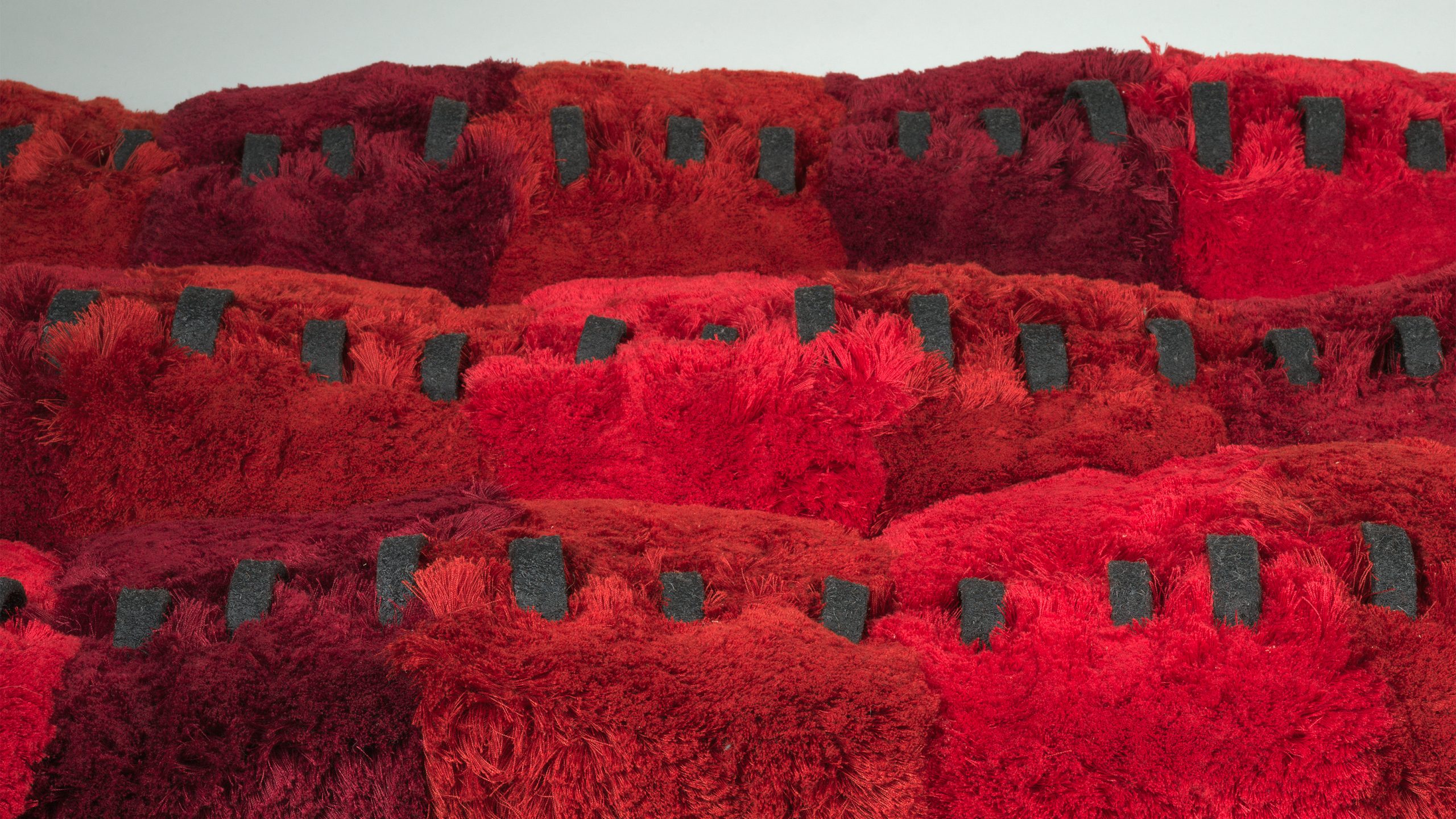 پین میوزیم میں معاصر دیسی فن اور دستکاری">

The Native North America Gallery at the Penn Museum operates with dedicated climate-controlled vitrines, UV-filtered lighting, and curated circulation paths to accommodate both fragile ancestral objects and newly commissioned pieces; eight Indigenous curators—two from each of the four represented regions—were integral to integrating contemporary works into the exhibition narrative.
At a glance: what to look for
The galleries connect more than 13,000 years of indigenous history through objects ranging from stone tools to modern glass and mixed-media sculpture. Contemporary works are displayed alongside ancestral objects so visitors can compare technique, continuity, and cultural resonance in one visit.
نمایاں ٹیبل
| فنکار | Nation | میڈیم | Gallery Note |
|---|---|---|---|
| Preston Singletary | Lingít | Blown glass | Raven motif—ties to Northwest myth |
| Holly Wilson | Delaware Nation / Lenape | Bronze, glass, feathers | Patchwork narrative on identity |
| Jonathan Rowan | Lingít | Alaskan yellow cedar, yew | Functional halibut hook with spirit figures |
| Brenda Mallory | Cherokee Nation | Felt, thread, wood panel | Allotment and parcelation themes |
| Christopher Lewis | Zuni Pueblo | Yucca and willow basketry | Revival of ancestral pottery rings |
| Vina Brown | Haíłzaqv Nation, Nuučaan̓uɫ | Beadwork, silver juxtaposition | Contemporary earrings near historic bracelets |
| Charlie Watty | Eastern Band Cherokee | Walnut wood carving | Balanced bear pair—comforting craftsmanship |
Emerging from Raven
Preston Singletary (Lingít)
Preston Singletary blends Lingít form-line design with techniques of the American Studio Glass movement. Trained under Dale Chihuly and teaching at Pilchuck Glass School, he uses blown glass to reinterpret Raven figures that recur across more than sixty of his works. The piece on view emphasizes mythic presence and technical virtuosity.
I Am More Than Fluff
Holly Wilson (Delaware Nation / Lenape)
Holly Wilson’s mixed-media sculpture—constructed from bronze, patina, glass, brass, and feathers—answers romanticized misperceptions head-on. The work’s declarative voice insists on living presence rather than frozen stereotype: a powerful contemporary counterpoint to the museum’s historical displays.
Halibut Hook
Jonathan Rowan (Lingít)
Carved from Alaskan yellow cedar and Pacific yew, Rowan’s halibut hook is both tool and talisman. The carving integrates spirit figures—mice, a flicker, land otter—reminding visitors that utilitarian objects often carry layered narratives. The object demonstrates continuity of practice where tradition and daily life meet.
Parceled Space #2
Brenda Mallory (Cherokee Nation)
Brenda Mallory composes felt, thread spools, staples, and wood to suggest maps and the violence of allotment. Parceled Space #2 invites interpretation about land division and identity; the materials resist tidy meaning and encourage slow looking—an excellent prompt for guided museum tours.
Pot Ring
Christopher Lewis (Zuni Pueblo)
Christopher Lewis’s yucca and willow ring basket revives an ancestral form used to cushion and stabilize pottery. Displayed in the “Learning from Our Ancestors” section, the piece illustrates practical technologies that connected daily life and aesthetic choices across generations.
Ovoid Earrings
Vina Brown (Haíłzaqv Nation, Nuučaan̓uɫ)
Vina Brown’s beadwork and woven elements sit alongside historic silver bracelets carved with clan emblems. The juxtaposition highlights jewelry as active identity-making: large earrings as contemporary celebration of Northwest Indigenous womanhood.
Dancing Bears Wood Carving
Charlie Watty (Eastern Band Cherokee)
Working in walnut, Charlie Watty’s paired bears show the smooth finish and accessible warmth of Cherokee carving traditions. After learning under Amanda Crowe, Watty has continued the lineage, producing pieces that translate technical skill into emotional ease—perfect for visitors who appreciate tactile craft history.
Visitor notes and tips
- Guided viewing: seek museum tours with live guides to hear curator context and traditional meanings.
- فوٹوگرافی: obey gallery signage—some vitrines limit flash to protect organic materials.
- Time to allocate: 60–90 minutes recommended to see the gallery and adjacent exhibits.
The gallery’s pairing of historical artifacts and recent commissions makes it a useful stop for travelers who have a mind to understand continuity in Indigenous art—whether you’re planning a museum-hopping day or building a longer cultural itinerary.
For visitors seeking tailored experiences around the Penn Museum, GetExperience offers a diverse selection of local museum tours and cultural excursions that fit every taste and budget. Bookings on the platform include secure online payments and voucher confirmations, and you can submit requests for bespoke tours so providers send offers that match your preferences—convenience and transparency that help when planning a focused cultural visit. Book your Trip GetExperience.com
Seeing the Native North America Gallery reveals how contemporary makers extend, challenge, and enliven ancestral practice: from Preston Singletary’s glass Raven to Holly Wilson’s declarative sculpture, Jonathan Rowan’s working hook, Brenda Mallory’s parcelled maps, Christopher Lewis’s basket revival, Vina Brown’s jewelry dialogues, and Charlie Watty’s comforting carvings. Personal experience—whether a museum tour with live guides, an interactive online cultural workshop, or a regional itinerary combining museum tours and eco-friendly wildlife safaris—outweighs any review. Travel experiences that include museum stops can also pair with adventure activities, online virtual tours, cruise packages or safari tours, even exclusive yacht charters or yacht parties for events; for other interests there are professional esports training programs, beginner esports coaching sessions and interactive lessons. These offerings, from museum tours with live guides to luxury adventure travel experiences, make planning seamless and rewarding.