


 اردو
اردو  English (UK)
  Русский
  বাংলা
বাংলা  العربية
  日本語
日本語  한국어
한국어  Magyar
  Norsk nynorsk
  Türkçe
  עִבְרִית
  Español
  Čeština
  Svenska
  Português
  Ελληνικά
  Suomi
Suomi  Nederlands
  Română
  Italiano
  Français
  Polski
  Українська
  Deutsch
  简体中文
简体中文  Slovenčina
  Српски језик
  Azərbaycan dili
  O‘zbekcha
  አማርኛ
አማርኛ 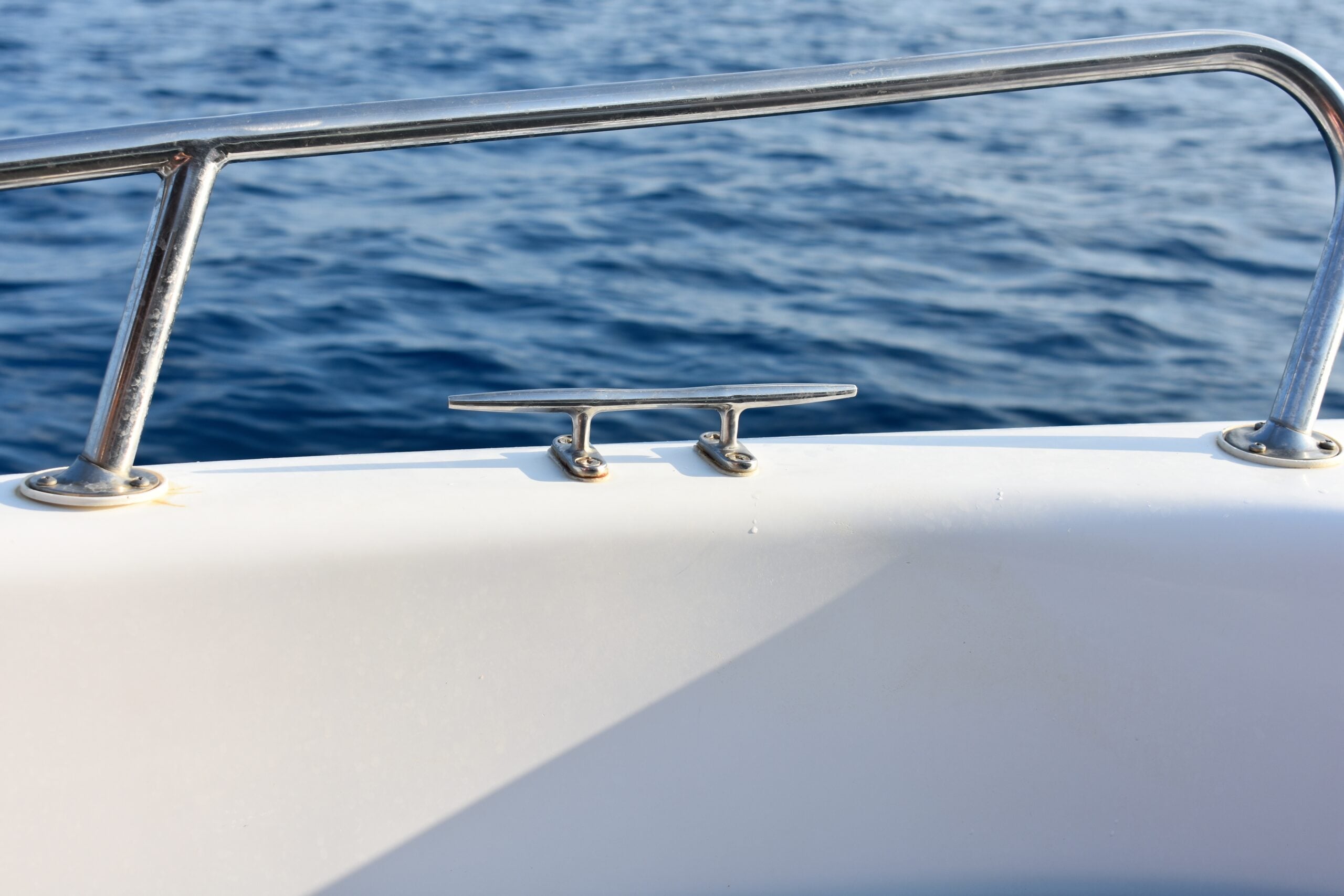 نئے کپتانوں کے لیے کشتی کی اصطلاحات کی ابتدائی معلومات — این بی او اے ضروریات">

Mandatory lighting and orientation rules that matter in port
Maritime regulations require every power-driven vessel to show a masthead light and correct sidelights during restricted visibility and at night, and failure to identify پورٹ اور starboard quickly is a common factor in close-quarters incidents in busy harbors. For novice skippers, mastering these fixed orientation terms reduces miscommunication when mooring, relaying positions in radio traffic, or coordinating with marina staff.
Front, back, left & right — the constant directions
Boat orientation uses immutable terms: bow (front), سخت (back), پورٹ (left when facing bow) and starboard (right when facing bow). Unlike shore-based left/right, these labels remain the same regardless of which way a crew member faces, which is why they’re favoured in navigation planning and incident reports.
Memory tricks to lock them in
- پورٹ = بائیں (both four letters).
- Think of port wine and the red light on the port side.
- Phrase: “There is no more red port left to drink!”
- Phrase: “The ship has left port” helps anchor the association.
- Starboard contains the “r” like right.
Navigation lights at a glance
Understanding lights is critical for safe night passages and for reading other vessels’ intentions. The key lights to recognize are:
- Red sidelights — port side, indicate the vessel’s left edge when viewed from ahead.
- Green sidelights — starboard side, indicate the vessel’s right edge when viewed from ahead.
- Sternlight — white light visible from astern to show a vessel is ahead of you.
- Masthead light — forward white light required on power-driven vessels.
- All-around white light — combines stern and masthead for 360° visibility; useful as an anchor light.
Boat anatomy: parts you’ll use every day
Familiarity with hull components speeds up basic seamanship, docking and equipment checks. Below is a concise table of common parts and their function.
| حصہ | جگہ | Primary function |
|---|---|---|
| ہل | Entire body | Buoyancy and structural integrity |
| Transom | Stern end connecting bottom to sides | Distributes weight; mounts motor |
| Gunwale | Upper edge where deck meets side | Handhold, line attachment, boarding aid |
| Propeller | Attached under motor at stern | Generates thrust; never swim near a running prop |
| Cleats | On gunwale and docks | Secure ropes and lines (cam, horn, closed-base) |
Common cleat types and uses
Cleats are simple but essential: horn cleats for quick tie-offs, cam cleats for adjustable lines, and closed-base cleats for heavy loads. Practice tying a cleat hitch before your first docking attempt.
Steering mechanisms and helm basics
وہ helm is the control center: wheel, engine controls, navigation instruments and VHF radio. Turning the wheel moves the rudder, an underwater appendage that changes the vessel’s direction. For joystick-controlled units, the same principles apply—rudder or thrust vectoring translates helm input into motion through the water.
Practical tips for new skippers
- Always cut engine and ensure propeller is stationary before boarding or swimming.
- Call out “port” or “starboard” rather than “left” or “right” during maneuvers.
- Check navigation lights during pre-departure checks; replace bulbs before night runs.
- Practice slow-speed handling in calm water to learn helm feedback and turning radius.
Knowing basic boat vocabulary improves safety, reduces stress when communicating with crew or marina staff, and builds confidence for day trips or longer charters. For travellers who enjoy nautical experiences, this vocabulary becomes part of planning: selecting appropriate vessels for yacht charters or understanding briefing notes for cruise packages and yacht parties.
At the same time, it’s helpful to rely on trusted platforms when booking water-based experiences. On GetExperience, you book your experience from verified providers at reasonable prices; payments are secure with voucher confirmation issued afterward, and you can submit custom requests so providers offer tours or excursions that match your preferences. This transparency and convenience help avoid surprises and ensure a better match for different budgets and tastes — Book now GetExperience.com
In short, mastering terms like bow, سخت, پورٹ, starboard, and basic systems such as lights, hull parts and the helm keeps outings safer and more enjoyable. Whether you’re planning travel experiences that include yacht parties, بحری جہاز کے پیکیجز, سفاری ٹورز, or even انٹرایکٹو آن لائن ثقافتی ورکشاپس, a little nautical literacy goes a long way. Personal experience always beats the best reviews: try a local boating excursion, a museum tour with live guides, or an eco-friendly wildlife safari to see terms in action and refine your skills.
Key takeaways: learn fixed orientation terms, recognize navigation lights, respect propeller safety, and practice helm control. These fundamentals support confident participation in adventure activities, luxury adventure travel experiences and even beginner-focused options like adventure rafting trips for beginners or beginner esports coaching sessions for shore-based downtime. With practice, online virtual tours and interactive offerings can complement hands-on sailing lessons—tying together Travel experiences, Yacht parties, Exclusive yacht charters for events, Museum tours with live guides and Professional esports training programs into a well-rounded voyage of discovery.