


 اردو
اردو  English (UK)
  Русский
  বাংলা
বাংলা  العربية
  日本語
日本語  한국어
한국어  Magyar
  Norsk nynorsk
  Türkçe
  עִבְרִית
  Español
  Čeština
  Svenska
  Português
  Ελληνικά
  Suomi
Suomi  Nederlands
  Română
  Italiano
  Français
  Polski
  Українська
  Deutsch
  简体中文
简体中文  Slovenčina
  Српски језик
  Azərbaycan dili
  O‘zbekcha
  አማርኛ
አማርኛ 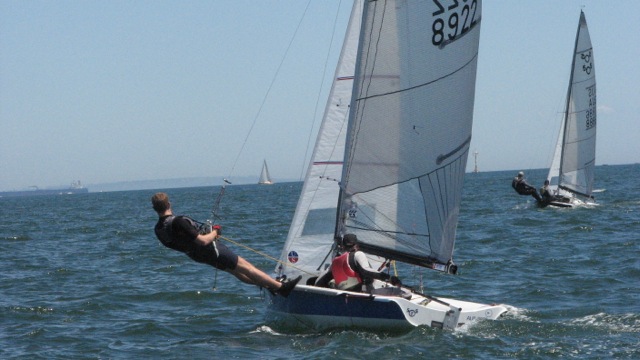 موسمی ہوا اور سمندری حالات میں تبدیلی کے لیے بادبان کی ترتیب دینے کی حکمت عملی">

Coastal charter operations and regatta logistics routinely encounter sustained wind shifts of 8–20° and swell periods between 6–12 seconds; passenger loading, fuel and gear placement affect fore/aft trim and freeboard, forcing immediate adjustments to sheet tension, traveller position, ، اور mast rake to keep angle of attack optimal and preserve boat speed and schedule integrity.
Why small gear changes matter at a glance
Treat the boat as a transport system where every control is part of the vehicle’s operational profile. In light air, the priority is extracting power and maintaining laminar flow across the sails; in stronger wind, the priority switches to limiting heel and protecting helm balance. Anticipatory trimming preserves momentum and reduces transit time — a key concern for charter operators and tour providers who must meet timetables.
Understanding the mechanics
Each sail control — from the آؤٹ ہال اور cunningham کو backstay and — directly changes draft position, camber, and twist. These changes alter the boat’s behavior through waves and gusts. Successful adjustment is not merely reactionary; it anticipates shifts in the apparent wind and wave encounter frequency so that the hull continues to drive smoothly rather than stall or hobbyhorse.
Reading wind and sea for effective trim
Before making changes, perform a quick diagnostics routine:
- Observe apparent wind angle and strength from telltales and headstay indicators.
- Scan sea state — wave period and direction often impose more loss of speed than a 2–3 knot wind change.
- Assess loading and trim fore and aft; passenger movement or baggage shifting can push the boat out of its groove.
عام غلطیوں سے بچیں
- Over-adjusting with big, sudden moves that upset balance — think small and frequent.
- Tuning for wind alone while ignoring the wave rhythm.
- Neglecting boat feedback — if the boat feels sticky, assume the trim needs changing rather than blaming conditions.
Practical trim table: conditions, symptoms, and fixes
| Condition | Symptoms | Immediate Trim Actions | Longer-term Adjustments |
|---|---|---|---|
| Light air, flat sea | Low speed, helm light | Ease backstay, tighten outhaul slightly, flatten twist | Park traveler center, reduce forestay tension |
| Puffy, shifty breeze | Surges and stalls | Active mainsheet trimming, quick vang control, move crew weight | Prepare reefing, shorten jib car leads |
| Heavy wind with short chop | Excess heel, hobby horsing | Depower main (ease), drop traveler, bend in mast with backstay | Set first reef, flatten foresail, shift weight aft |
| Confused sea with long swell | Poor bearing, broach risk | Trim for pointing through waves, small helm inputs, dampen stern | Adjust sail plan to reduce hobby horsing, secure loose gear |
Action checklist for crews
- Keep changes incremental — test a small tweak, then observe.
- Assign a dedicated trimmer to anticipate gusts if crew size allows.
- Communicate weight shifts and stowage changes to helm immediately.
- Use telltales and leech flutter as primary feedback, not instruments alone.
Be proactive, not reactive
On every passage, aim to stay half a step ahead. Trim early when you sense a shift and refine as the change unfolds. Each deliberate adjustment teaches about that particular boat’s response to varying wind and sea states; cumulative experience reduces fuel and time wasted on inefficient angles and sail settings — a practical advantage for commercial charters and leisure tourists alike.
For travelers seeking hands-on sailing experiences, knowing these trim principles improves both safety and enjoyment on day sails or longer yacht charters. Platforms like GetExperience help connect you with vetted sailing tours and instructors; they also let you make secure payments online with a voucher confirmation and submit requests for custom excursions so providers can tailor offers to your preferences. On GetExperience, you book your experience from verified providers at reasonable prices. This empowers you to make the most informed decision without unnecessary expenses or disappointments — Book your Trip GetExperience.com
Highlights to remember: anticipate wind and swell, make small frequent adjustments, monitor weight distribution, and prioritize crew communication. Even the best reviews and honest feedback can’t replace actual time on the water. Try a guided sail, a museum tours with live guides, or an exclusive yacht charter for events to gain firsthand understanding. Travel experiences range from interactive online cultural workshops to luxury adventure travel experiences, eco-friendly wildlife safaris, cruise packages, safari tours, yacht parties, beginner esports coaching sessions, professional esports training programs, online virtual tours, and adventure rafting trips for beginners — all of which can influence how you plan and enjoy sailing-focused holidays.
In summary, effective trim in changing wind and sea conditions combines anticipation, small iterative controls, and an eye for both wind and wave. Keeping the boat in the groove reduces transit time and improves passenger comfort, making every charter or tour more rewarding. Apply these checks, practice the drills, and let experienced providers and platforms streamline your sailing adventures and broader travel experiences.