


 Norsk nynorsk
  English (UK)
  Русский
  বাংলা
বাংলা  العربية
  日本語
日本語  한국어
한국어  Magyar
  Türkçe
  עִבְרִית
  Español
  Čeština
  Svenska
  Português
  Ελληνικά
  Suomi
Suomi  Nederlands
  Română
  Italiano
  Français
  Polski
  Українська
  Deutsch
  简体中文
简体中文  Slovenčina
  Српски језик
  اردو
اردو  Azərbaycan dili
  O‘zbekcha
  አማርኛ
አማርኛ 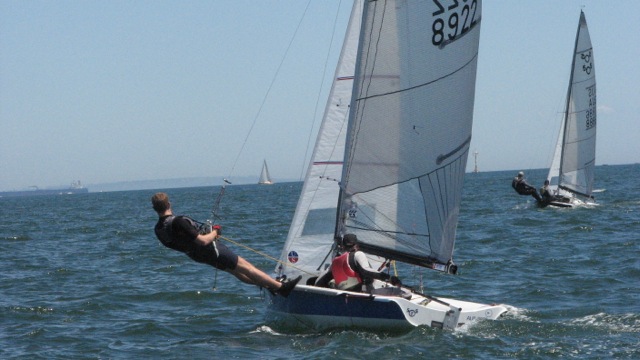 Kọ́ bí a ṣe ń ṣètò ọkọ̀ ojú omi nígbà tí afẹ́fẹ́ bá ń yí pa dà, tí ipò omi òkun sì ń yí padà">

Coastal charter operations and regatta logistics routinely encounter sustained wind shifts of 8–20° and swell periods between 6–12 seconds; passenger loading, fuel and gear placement affect fore/aft trim and freeboard, forcing immediate adjustments to sheet tension, traveller position, na mast rake to keep angle of attack optimal and preserve boat speed and schedule integrity.
Why small gear changes matter at a glance
Treat the boat as a transport system where every control is part of the vehicle’s operational profile. In light air, the priority is extracting power and maintaining laminar flow across the sails; in stronger wind, the priority switches to limiting heel and protecting helm balance. Anticipatory trimming preserves momentum and reduces transit time — a key concern for charter operators and tour providers who must meet timetables.
Understanding the mechanics
Each sail control — from the outhaul na cunningham na backstay and — directly changes draft position, camber, and twist. These changes alter the boat’s behavior through waves and gusts. Successful adjustment is not merely reactionary; it anticipates shifts in the apparent wind and wave encounter frequency so that the hull continues to drive smoothly rather than stall or hobbyhorse.
Reading wind and sea for effective trim
Before making changes, perform a quick diagnostics routine:
- Observe apparent wind angle and strength from telltales and headstay indicators.
- Scan sea state — wave period and direction often impose more loss of speed than a 2–3 knot wind change.
- Assess loading and trim fore and aft; passenger movement or baggage shifting can push the boat out of its groove.
Common mistakes to avoid
- Over-adjusting with big, sudden moves that upset balance — think small and frequent.
- Tuning for wind alone while ignoring the wave rhythm.
- Neglecting boat feedback — if the boat feels sticky, assume the trim needs changing rather than blaming conditions.
Practical trim table: conditions, symptoms, and fixes
| အခြေအနေ | Symptoms | Immediate Trim Actions | Longer-term Adjustments |
|---|---|---|---|
| Light air, flat sea | Low speed, helm light | Ease backstay, tighten outhaul slightly, flatten twist | Park traveler center, reduce forestay tension |
| Puffy, shifty breeze | Surges and stalls | Active mainsheet trimming, quick vang control, move crew weight | Prepare reefing, shorten jib car leads |
| Heavy wind with short chop | Excess heel, hobby horsing | Depower main (ease), drop traveler, bend in mast with backstay | Set first reef, flatten foresail, shift weight aft |
| Confused sea with long swell | Poor bearing, broach risk | Trim for pointing through waves, small helm inputs, dampen stern | Adjust sail plan to reduce hobby horsing, secure loose gear |
Action checklist for crews
- Keep changes incremental — test a small tweak, then observe.
- Assign a dedicated trimmer to anticipate gusts if crew size allows.
- Communicate weight shifts and stowage changes to helm immediately.
- Use telltales and leech flutter as primary feedback, not instruments alone.
Be proactive, not reactive
On every passage, aim to stay half a step ahead. Trim early when you sense a shift and refine as the change unfolds. Each deliberate adjustment teaches about that particular boat’s response to varying wind and sea states; cumulative experience reduces fuel and time wasted on inefficient angles and sail settings — a practical advantage for commercial charters and leisure tourists alike.
Ọ bụrụ na ị bụ onye njem nke na-achọ ihe omume aka na-enyere mmadụ aka ịkwọ ụgbọ mmiri, ịmara ụkpụrụ ịkpụzi ihe ndị a na-eme ka nchekwa na ụtọ dịkwuo elu na njem ụgbọ mmiri ehihie ma ọ bụ akwụkwọ ikike ụgbọ mmiri ogologo. Ikpo okwu dịka GetExperience na-enyere gị aka ijikọ gị na nlegharị anya ụgbọ mmiri akwadoro yana ndị nkuzi; ha na-enyekwara gị aka ịkwụ ụgwọ n'ịntanetị n'enweghị nsogbu site na nkwenye akwụkwọ ikike ma nyefee arịrịọ maka njem omenala ka ndị na-enye ọrụ wee nwee ike ịhazi onyinye maka mmasị gị. Na GetExperience, ị na-edebanye aha ahụmịhe gị n'aka ndị na-eweta ya enyochara na ọnụahịa ezi uche dị na ya. Nke a na-enye gị aka ime mkpebi kacha mma n'enweghị mmefu ma ọ bụ ndakpọ olileanya na-enweghị isi — Debanye aha njem gị GetExperience.com
Nn̄kan̄ n̄kọ ke ekikere: ben̄e iso se mfịna ye mbufa, sisiak mmemmem ukpụhọde kpukpru ini, se udomo ndobo, nyụn̄ nọ nneme otu iso. Uforo ukpep-n̄kpọ ye akpanikọ ibọsọn̄ in̄wan̄-n̄wan̄ ikpọ usen ke mmọn̄. Domo ndida ubom-ọfọn̄, nse n̄kpọsọn̄ udiana ye mme n̄kpanuen, m̀mê ndisiaha mme ubom-ọfọn̄ ukpono nnọ mme utịp man mfiọk ọfọn. Mme idatesịt isan̄ ẹsịmde ke ndibene mme in̄wan̄-n̄wan̄ ndụn̄-nda ke intanet obio-ọn̄wọn̄, mme isan̄ ukpono ke enyọn̄, mme isan̄ ndise unen edem, mme utọt usụhọ ndọ, mme isan̄ isọn̄ ukpono, mme udia ubom, mme ufọk-ukpep, mme ndineme ke intanet, mme isan̄ unọm-unọm ebe iso, mme isan̄ mmọn̄ ebe iso nnọ mme ọbọn̄ – kpukpru ukpụhọde ke nte odotde ndise ye didara mme ndọ isan̄.
Ni gbogbo rẹ̀, líla tí ó gbéṣẹ́ ní iyípadà afẹ́fẹ́ àti ipò òkun ṣàkópọ̀ ìròtẹ́lẹ̀, ìṣàkóso kéékèèké, àti ojú fún afẹ́fẹ́ àti ìgbì. Mímú kí ọkọ̀ wà ní ipò tí ó tọ́ dín àkókò ìrìnàjò kù ó sì mú àlàáfíà àwọn èrò dàgbà, ní ṣíṣe kí gbogbo àkókò ìgbafẹ́ tàbí ìrìnàjò kún fún èrè. Lo àwọn àyẹ̀wò wọ̀nyí, ṣe àwọn eré ìmúlára, kí o sì jẹ́ kí àwọn olùpèsè àti pèpéle tí ó ní ìrírí mú kí ìrìn àjò ìgbafẹ́ rẹ rọrùn àti àwọn ìrírí ìrìnàjò gbogbogbò.