


 اردو
اردو  English (UK)
  Русский
  বাংলা
বাংলা  العربية
  日本語
日本語  한국어
한국어  Magyar
  Norsk nynorsk
  Türkçe
  עִבְרִית
  Español
  Čeština
  Svenska
  Português
  Ελληνικά
  Suomi
Suomi  Nederlands
  Română
  Italiano
  Français
  Polski
  Українська
  Deutsch
  简体中文
简体中文  Slovenčina
  Српски језик
  Azərbaycan dili
  O‘zbekcha
  አማርኛ
አማርኛ 
Visit Jigokudani at first light; historically quiet pools and the wild macaques are seen more clearly, and you’ll completely miss the usual crowds.
Beyond the valley, hop onto a regional railway and climb into the mountainous hinterlands, where seasonal trails open and autumn colors brighten cedar and maple; particularly rich in small craft towns, these routes reveal slower, more intimate scenery.
In a nearby hillside town, glass-making studios shape delicate wares; watch locals at work, ask about their specialties, and pick a favourite piece to carry home.
In autumn light, a coastal tower anchors a bustling market where seafood and seasonal produce define the scene, offering a window into a completely different rhythm than city life.
In other villages and along quieter coastlines, stone lanes, shrines, and craft shops invite slow exploration, from lacquerware to textiles, with locals happy to share how they keep tradition alive.
48-Hour Takamatsu Offbeat Itinerary: Day-by-Day Stops
Day 1: Naoshima Art Loop and Ritsurin Garden
Begin day one with the 08:30 ferry from Takamatsu Port to Naoshima, approximately 50 minutes. Once there, rent an e-bike and follow two core stops: Chichu Art Museum and Benesse House for a camera-friendly, captivating mix of architecture and sea light. Plan short, timed visits (about 60–90 minutes per site) and share the route with your companion to keep the pace tight. You can plan this yourself as a compact two-day loop.
Return to Takamatsu by early afternoon (roughly 1 hour 15 minutes). Next stop, Ritsurin Garden, lush pine and maple vistas around a series of ponds; climb the viewing tower at the far terrace for a wide, calm overlook. Then stroll Tamamo Park and the castle ruins to feel the town’s maritime history, written in planters and stone walls. For dinner, choose a restaurant specializing in Sanuki udon or fresh seafood; the options include merchant-run eateries offering handmade noodles and seasonal sides. After dinner, a riverside promenade walk provides a gentle close to the day, and you leave with a sense that the setting made a lasting impression.
On wednesdays the waterfront area hosts a small night market with local crafts you can share with friends later. If you prefer a quieter end to the day, take a short loop along the harbor and listen to the sea breeze while the city lights begin to glow.
Day 2: Shodoshima Coastline and Kosanji Temple Circuit
Begin with an early ferry to Shodoshima, approximately 1 hour 15 minutes; the island is famed for lush olive groves and scenic coastal roads. Start at Olive Park for olive oil tastings and sea-view coffee; the atmosphere feels bright and lush, with paths that invite slow strolling. Follow a coast-hugging drive to Kankakei Gorge and ride the cable car for dramatic cliff vistas, then enjoy a lunch spot with views over the dotted islets in the gorge basin. A Kosanji Temple visit crowns the afternoon, perched on cliffs with a cluster of temple buildings and panoramic sea outlooks that stay with you after you leave the site.
For architecture fans, this day offers a contrast with Toyama’s Ainokura, where a cluster of gassho-zukuri houses demonstrates a regional preservation ethos. It is a useful types comparison to the modern island experience. The process is simple: prebook a Kosanji boat tour or a guided trail, then return to Takamatsu by ferry in the evening. Finish with a final restaurant stop near the station to taste more Sanuki udon, or a seaside café if you crave something lighter. Leave the shores with invisible threads connecting craft, landscape, and memory, and recognize this as a compact, option-filled itinerary you can tailor to your pace.
Quiet Temples, Coastal Walks, and Secret Gardens in Takamatsu
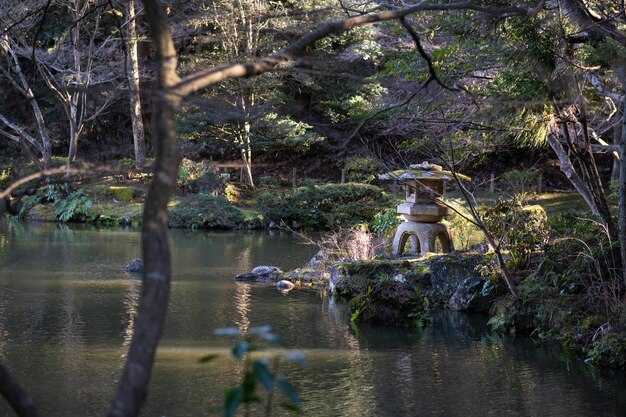
Begin your day with a quiet temple in the iwase hills, where a weathered gate opens into a tranquil inner court and cedar scent lingers, creating a true pause with its unique allure while the courtyard remains still.
Then follow a coastal path along the Seto Inland Sea. The route threads along low cliffs and small harbors, perfect for cycling or a relaxed stroll, with image-worthy views towards Megijima and the blue horizon. Keep an image in your phone to recall the breeze and salt-kissed air as the day completes.
- Quiet temple stop in iwase: features carved stones, a simple gate, and a courtyard that stays cool; plan 20–30 minutes, completing the loop by strolling through nearby streets for a true pause.
- Coastal cycling route: flat, well-marked lanes starting near the harbor and looping towards islands; stop at hidden coves spotted along the shore and sample light snacks at a local stall (cuisine focused on fresh seafood).
- Megijima island detour: ferry connections from Takamatsu center go to an island known for sea cliffs, a shrine complex, and sea caves; return by early afternoon for more cultural sights back in the city.
- Secret garden and crafts stop: Rakuya and adjacent gardens tucked in narrow streets; crafted hedges, stone lanterns, and a cultural path link studios and shops, offering handmade goods and a serene atmosphere that allures many visitors.
- Dinner and local flavor: finish with kansai-inspired options or nagoya-inspired dishes at a harbor-side spot; seek places that highlight kagoshima-style miso and fresh seafood for a high-quality dining experience.
Nearby art additions: a chihuly-inspired glass feature near the waterfront adds color without overpowering the sea air. For a quick memory, spot a true image of the harbor or capture a shot of the quiet streets as evening approaches.
Practical notes: check with the local information line (telephone) for current openings and route updates. The coastal routes offer a cultural, low-stress day that reveals industries, gate architecture, and true moments of stillness along the water, with stops that invite you to pause, observe, and be present as you move towards the next stop.
Seasonal Timing: Best Months to Visit Takamatsu’s Hidden Corners
April and May offer the best window for Takamatsu’s quiet corners, with temperatures around 15–23°C, light rain, and frequent clear mornings. The scenic routes around Hachiman-dori, the ponds in Ritsurin Garden, and the coast near Shodoshima create photo possibilities at their peak, while crowds stay manageable on weekdays. Early light enhances sight lines and makes each shot feel crisp.
In this period, shoten lanes along the old merchant street feel alive, and you can leave the city bustle to enjoy a meal at a seaside restaurant, then stroll along the quay. For contrast, a short day trip to gero offers onsen vibes that set a baseline for alpine-like coolness before returning to Takamatsu’s mild breeze; a similar mood can be found closer to kurobe’s highland air. If you’ve experienced Okinawa’s humidity, you’ll notice spring here is drier and friendlier for museums, workshops, and creating memories. Among these experiences, pond moments and temple sights stand out as enduring attractions.
Seasonal highlights
Spring reveals bloom cycles and scenic views around Hachiman and Ritsurin; autumn fills town gardens with color, especially along pond edges that reflect light at golden hours. The best times for photo in these months run from early morning to late afternoon, when light shifts and air turns crisp.
| Month/Season | عام موسم | Top Corners | Best Activities | Crowd Level | نکات |
|---|---|---|---|---|---|
| April | 13–20°C, light rain possible | Hachiman-dori, Ritsurin Garden, Shodoshima coast, Yashima | garden stroll, temple visits, pond reflections, photo | میڈیم | Hit the dawn light; explore shoten lanes for quiet moments and try a local restaurant for lunch. |
| May | 17–23°C, comfortable | Ritsurin iris garden, Shodoshima olive roads, coast-viewpoints | iris blooms, coastal walks, photo sessions | Medium-low | Plan weekday visits; extend strolls along main paths for additional scenic captures. |
| Sept | 25–30°C, humid | Ritsurin precinct, Hachiman area | indoor museum visits, shaded walks, street photography | اعلیٰ | Watch for possible typhoon alerts; favor indoor sights and color after the heat drops. |
| اکتوبر | 18–24°C, comfortable | Ritsurin Garden ponds, Shodoshima coast, Hachiman-dori | autumn leaf walks, pond reflections, seafood meals | میڈیم | Join a local workshop; sunset at a pond edges offers lasting memories. |
| November | 12–20°C, cool | Ritsurin Park grove, Yashima overlook | autumn color walks, photo at vantage points | Medium-low | Early mornings provide best color and light; pair with a seaside restaurant visit. |
Practical planning tips
Pack a light jacket for cool mornings; carry a compact camera for quick captures along pond reflections. Look for workshops in crafts and pottery to create a tangible memory; many are held near shoten districts and along the coast. If you want to extend the day, combine a museum visit with a coastal restaurant stop for fresh fare and a view. For optimal light, choose times toward dawn or late afternoon, and consider weekday visits to reduce crowds while still enjoying the country’s blend of culture and scenery.
Local Bites and Markets Near Hidden Gems: A Foodie Route
Begin with a debut bite at the Onomichi harbor market: sardine-dashi ramen and a grilled sea bream set the tone, then ride the Shimanami toward Ikuchijima and Omishima for roughly 70 km of sea-breeze tastings. Along the coastline, vending stalls pop up fresh, fried, and seasonal, turning every stop into gems of flavor that feel like a living map of the cluster’s coastline.
In Ikuchijima’s inland lanes, a small cluster of studios offers carved wood sculptures and hinoki works, and the Iwasaki family-run cafe adds a quiet pause with citrus tea and a view over the sea. This hikiami-inspired detour blends craft with cuisine, giving you a glimpse of life where traditional technique meets modern taste–particularly after a long ride when you crave something light yet memorable.
From there, a short hop to Okinawa widens the palette: Makishi Public Market in Naha anchors a world of bites–from tuna sashimi to goya champuru and sata andagi–paired with quick, friendly vending outside stalls. Historic sights nearby include a coastal tower and a swords display that enriches the sensory bite with cultural context, making the route feel like a continuous, edible sightseeing tour for the tourist who seeks depth alongside flavor.
During holidays, seek out family-run stalls where iwasakis operate micro-shops and offer a life story with every sample: fresh fish cut before your eyes, a quick biwa recital in the corner, and a warm welcome that makes you feel at home. Use vending as a convenience tool to sample more snacks between meals, while the final stop at a seaside cafe serves a simple, well-paired dessert or seasonal fruit–an unexpected surprise that seals the memory creation on the coast.
If you crave a compact arc, start once, go over an ambitious route, and let the sights reel you in: a coast-hugging ride that reveals historic markets, a tower of views, and a wave of sizzle and savory that keeps you energized. The route’s holidays-to-life cadence offers a steady rhythm–you’ll return home with a cluster of stories, a few carved mementos, and a renewed appreciation for the coastline’s endless creation and flavor.
Getting There and Getting Around: Practical Transit Tips for Takamatsu’s Backstreets
Grab a 1-day Kotoden pass at Takamatsu Station and rent a city bike; this is the most efficient way to reach east-side alleys and harbor lanes while staying flexible.
Transit Essentials
- Purchase a 24-hour local transit pass (Kotoden + JR portions) at Takamatsu Station; it covers most inner-city hops and short island trips.
- Carry an IC card (ICOCA or compatible) for quick payments on JR lines and city routes across the mainland network.
- Begin from Takamatsu Station, follow the canal toward the east; signs hang with route numbers and English guides, aiding navigational details.
- In the Johana district, a small workshop space offers glasswork reminiscent of Chihuly; this is a good stop for a brief surprise art detour.
- Bring sunglasses or glasses for sunny days along the water and in open plazas.
Neighborhood Navigation
- Walkers are rewarded with natural spots and temple stays near heritage-listed sites; plan 2–3 stops to avoid crowds and drink in local history.
- Boat trips depart from the harbor at certain times; take a short ride to nearby caves and coastline for a different perspective.
- Staying in guesthouses close to the river keeps you in reach of morning markets and seasonal summer events.
- Alternative routes include cycling along the eastern shore or using regional buses to reach rural quarters; both save time and let you linger at craft shops.
- Travel connections extend to the nation’s rail network, linking to Nagano and Nara via larger hubs; expect transfers at major junctions that connect with Shiga and Hokkaido routes as part of a globe-spanning itinerary.
- Details: bring a pocket book or map to mark temple sites, cave entrances, and workshop addresses; many places post details on small boards in front.
Where to Stay: Lodging Options Within Reach of Takamatsu’s Offbeat Sights
Book a compact ryokan within a 10-minute walk of Takamatsu Station to maximize your first-day access to the trail to Yashima, torii gates along the harbor, and local delights. Upon arrival, public transit links are reliable for quick hops to Ritsurin Garden, artisan studios, and castle ruins along quiet lanes. Choose a tatami room with a canal view to enjoy sake and seasonal flavors after a day of coastal strolls. During shoulder-season months, calmer crowds make it easier to leave overtourism behind and dive into firsthand experiences.
Practical stays by budget and scene
Budget options near the station include public guesthouses and dorms from 6,000–9,000 JPY per night; private doubles typically 9,000–15,000 JPY. Mid-range boutique inns along the harbor or dotted canal run 15,000–22,000 JPY, with some offering breakfast featuring local ingredients and occasional sake tastings. For extra comfort, refined ryokan with a garden bath can be 25,000–40,000 JPY; many provide kimono rentals or tea service, and some offer firsthand guidance to nearby sights and local workshops. If you’re staying for months during peak seasons, ask about monthly rates and flexible terms; these options often provide a better bargain while staying near toyamas and the station area.
Immersive experiences to complement your stay
Some properties feature nikko-inspired decor and intricate woodwork that deliver real charm. A local team can arrange a short, public-friendly walk to torii and coastal shrines, followed by dives into nearby sake bars and seafood eateries. Rent a kimono for a stroll along the harbor quay, savor meals that highlight coastal flavors, and learn about regional castles and their stories firsthand. This approach helps you voyage through quieter lanes during extra months of travel while keeping pace with a thoughtful itinerary and against overtourism.