


 العربية
  English (UK)
  Русский
  বাংলা
বাংলা  日本語
日本語  한국어
한국어  Magyar
  Norsk nynorsk
  Türkçe
  עִבְרִית
  Español
  Čeština
  Svenska
  Português
  Ελληνικά
  Suomi
Suomi  Nederlands
  Română
  Italiano
  Français
  Polski
  Українська
  Deutsch
  简体中文
简体中文  Slovenčina
  Српски језик
  اردو
اردو  Azərbaycan dili
  O‘zbekcha
  አማርኛ
አማርኛ 
Visit Jigokudani at first light; historically quiet pools and the wild macaques are seen more clearly, and you’ll completely miss the usual crowds.
Beyond the valley, hop onto a regional railway and climb into the mountainous hinterlands, where seasonal trails open and autumn colors brighten cedar and maple; particularly rich in small craft towns, these routes reveal slower, more intimate scenery.
In a nearby hillside town, glass-making studios shape delicate wares; watch locals at work, ask about their specialties, ، واختار favourite piece to carry home.
In autumn light, a coastal tower anchors a bustling market where seafood and seasonal produce define the scene, offering a window into a completely different rhythm than city life.
In other villages and along quieter coastlines, stone lanes, shrines, and craft shops invite slow exploration, from lacquerware to textiles, with locals happy to share how they keep tradition alive.
48-Hour Takamatsu Offbeat Itinerary: Day-by-Day Stops
Day 1: Naoshima Art Loop and Ritsurin Garden
Begin day one with the 08:30 ferry from Takamatsu Port to Naoshima, approximately 50 minutes. Once there, rent an e-bike and follow two core stops: Chichu Art Museum and Benesse House for a camera-friendly, captivating mix of architecture and sea light. Plan short, timed visits (about 60–90 minutes per site) and share the route with your companion to keep the pace tight. You can plan this yourself as a compact two-day loop.
Return to Takamatsu by early afternoon (roughly 1 hour 15 minutes). Next stop, Ritsurin Garden, lush pine and maple vistas around a series of ponds; climb the viewing tower at the far terrace for a wide, calm overlook. Then stroll Tamamo Park and the castle ruins to feel the town’s maritime history, written in planters and stone walls. For dinner, choose a restaurant specializing in Sanuki udon or fresh seafood; the options include merchant-run eateries offering handmade noodles and seasonal sides. After dinner, a riverside promenade walk provides a gentle close to the day, and you leave with a sense that the setting made a lasting impression.
On wednesdays the waterfront area hosts a small night market with local crafts you can share with friends later. If you prefer a quieter end to the day, take a short loop along the harbor and listen to the sea breeze while the city lights begin to glow.
Day 2: Shodoshima Coastline and Kosanji Temple Circuit
Begin with an early ferry to Shodoshima, approximately 1 hour 15 minutes; the island is famed for lush olive groves and scenic coastal roads. Start at Olive Park for olive oil tastings and sea-view coffee; the atmosphere feels bright and lush, with paths that invite slow strolling. Follow a coast-hugging drive to Kankakei Gorge and ride the cable car for dramatic cliff vistas, then enjoy a lunch spot with views over the dotted islets in the gorge basin. A Kosanji Temple visit crowns the afternoon, perched on cliffs with a cluster of temple buildings and panoramic sea outlooks that stay with you after you leave the site.
For architecture fans, this day offers a contrast with Toyama’s Ainokura, where a cluster of gassho-zukuri houses demonstrates a regional preservation ethos. It is a useful types comparison to the modern island experience. The process is simple: prebook a Kosanji boat tour or a guided trail, then return to Takamatsu by ferry in the evening. Finish with a final restaurant stop near the station to taste more Sanuki udon, or a seaside café if you crave something lighter. Leave the shores with invisible threads connecting craft, landscape, and memory, and recognize this as a compact, option-filled itinerary you can tailor to your pace.
Quiet Temples, Coastal Walks, and Secret Gardens in Takamatsu
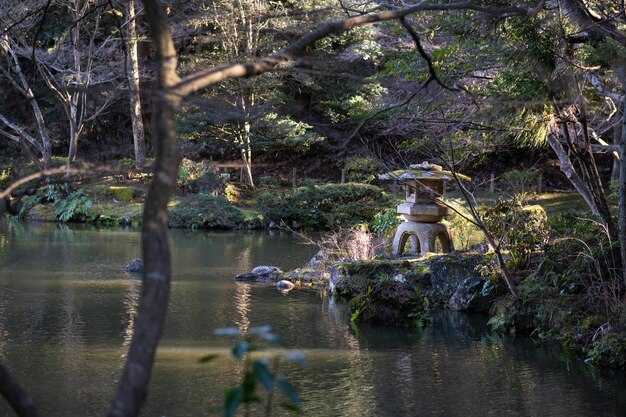
Begin your day with a quiet temple in the iwase hills, where a weathered gate opens into a tranquil inner court and cedar scent lingers, creating a true pause with its unique allure while the courtyard remains still.
Then follow a coastal path along the Seto Inland Sea. The route threads along low cliffs and small harbors, perfect for cycling or a relaxed stroll, with image-worthy views towards Megijima and the blue horizon. Keep an image in your phone to recall the breeze and salt-kissed air as the day completes.
- Quiet temple stop in iwase: features carved stones, a simple gate, and a courtyard that stays cool; plan 20–30 minutes, completing the loop by strolling through nearby streets for a true pause.
- Coastal cycling route: flat, well-marked lanes starting near the harbor and looping towards islands; stop at hidden coves spotted along the shore and sample light snacks at a local stall (cuisine focused on fresh seafood).
- Megijima island detour: ferry connections from Takamatsu center go to an island known for sea cliffs, a shrine complex, and sea caves; return by early afternoon for more cultural sights back in the city.
- Secret garden and crafts stop: Rakuya and adjacent gardens tucked in narrow streets; crafted hedges, stone lanterns, and a cultural path link studios and shops, offering handmade goods and a serene atmosphere that allures many visitors.
- Dinner and local flavor: finish with kansai-inspired options or nagoya-inspired dishes at a harbor-side spot; seek places that highlight kagoshima-style miso and fresh seafood for a high-quality dining experience.
Nearby art additions: a chihuly-inspired glass feature near the waterfront adds color without overpowering the sea air. For a quick memory, spot a true image of the harbor or capture a shot of the quiet streets as evening approaches.
Practical notes: check with the local information line (telephone) for current openings and route updates. The coastal routes offer a cultural, low-stress day that reveals industries, gate architecture, and true moments of stillness along the water, with stops that invite you to pause, observe, and be present as you move towards the next stop.
Seasonal Timing: Best Months to Visit Takamatsu’s Hidden Corners
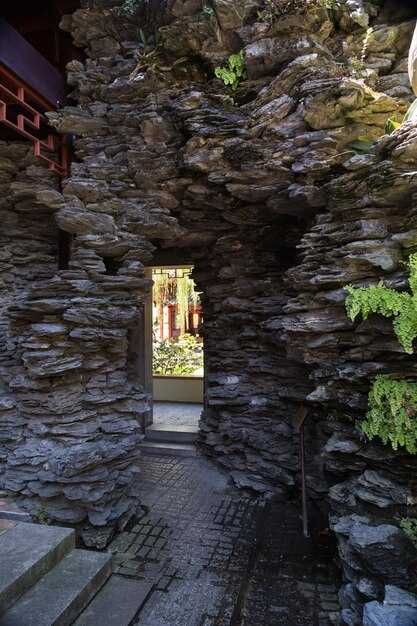
April and May offer the best window for Takamatsu’s quiet corners, with temperatures around 15–23°C, light rain, and frequent clear mornings. The scenic routes around Hachiman-dori, the ponds in Ritsurin Garden, and the coast near Shodoshima create photo possibilities at their peak, while crowds stay manageable on weekdays. Early light enhances sight lines and makes each shot feel crisp.
In this period, shoten lanes along the old merchant street feel alive, and you can leave the city bustle to enjoy a meal at a seaside restaurant, then stroll along the quay. For contrast, a short day trip to gero offers onsen vibes that set a baseline for alpine-like coolness before returning to Takamatsu’s mild breeze; a similar mood can be found closer to kurobe’s highland air. If you’ve experienced Okinawa’s humidity, you’ll notice spring here is drier and friendlier for museums, workshops, and creating memories. Among these experiences, pond moments and temple sights stand out as enduring attractions.
Seasonal highlights
Spring reveals bloom cycles and scenic views around Hachiman and Ritsurin; autumn fills town gardens with color, especially along pond edges that reflect light at golden hours. The best times for photo in these months run from early morning to late afternoon, when light shifts and air turns crisp.
| Month/Season | الطقس النموذجي | Top Corners | أفضل الأنشطة | Crowd Level | Tips |
|---|---|---|---|---|---|
| April | 13–20°C, light rain possible | Hachiman-dori, Ritsurin Garden, Shodoshima coast, Yashima | garden stroll, temple visits, pond reflections, photo | Medium | Hit the dawn light; explore shoten lanes for quiet moments and try a local restaurant for lunch. |
| May | 17–23°C, comfortable | Ritsurin iris garden, Shodoshima olive roads, coast-viewpoints | iris blooms, coastal walks, photo sessions | Medium-low | Plan weekday visits; extend strolls along main paths for additional scenic captures. |
| Sept | 25–30°C, humid | Ritsurin precinct, Hachiman area | indoor museum visits, shaded walks, street photography | High | Watch for possible typhoon alerts; favor indoor sights and color after the heat drops. |
| October | 18–24°C, comfortable | Ritsurin Garden ponds, Shodoshima coast, Hachiman-dori | نزهات أوراق الخريف، انعكاسات البركة، وجبات المأكولات البحرية | Medium | انضم إلى ورشة عمل محلية؛ الغروب على حافة البركة يمنح ذكريات تدوم. |
| November | 12-20 درجة مئوية، معتدل البرودة | غابة متنزه ريتسورين، مطل ياشيما | جولات في ألوان الخريف، تصوير من مواقع مميزة | Medium-low | توفر الصباحات الباكرة أفضل الألوان والإضاءة؛ ويمكنك أن تقرنها بزيارة إلى مطعم على شاطئ البحر. |
نصائح عملية للتخطيط
احزم سترة خفيفة للصباحات الباردة؛ واصطحب كاميرا صغيرة لالتقاط صور سريعة لانعكاسات البرك. ابحث عن ورش عمل في الحرف اليدوية والفخار لصنع ذكرى ملموسة؛ تُقام العديد منها بالقرب من مناطق التسوق وعلى طول الساحل. إذا كنت ترغب في تمديد اليوم، فقم بدمج زيارة المتحف مع التوقف في مطعم ساحلي لتناول وجبة طازجة والاستمتاع بالمنظر. للحصول على إضاءة مثالية، اختر الأوقات القريبة من الفجر أو أواخر فترة ما بعد الظهر، وفكر في زيارات أيام الأسبوع لتقليل الازدحام مع الاستمتاع بمزيج الثقافة والمناظر الطبيعية في البلاد.
مأكولات محلية وأسواق بالقرب من الجواهر الخفية: مسار لمحبي الطعام
ابدأ بقطمة افتتاحية في سوق ميناء أونوميتشي: رامن مرقة السردين ومجموعة سمك الدنيس المشوي تحدد النغمة، ثم انطلق على دراجتك على طول طريق شيمانامي نحو إيكوتشيجيما وأوميشيما لمسافة 70 كيلومترًا تقريبًا لتذوق نكهات نسيم البحر. على طول الخط الساحلي، تظهر أكشاك البيع طازجة ومقلية وموسمية، مما يحول كل محطة توقف إلى جواهر من النكهات التي تبدو وكأنها خريطة حية للخط الساحلي للمنطقة.
في ممرات إيكوتشيجيما الداخلية، تقدم مجموعة صغيرة من الاستوديوهات منحوتات خشبية وأعمال خشب السرو، ويضيف مقهى إيواساكي الذي تديره العائلة وقفة هادئة مع شاي الحمضيات وإطلالة على البحر. يمزج هذا المنعطف المستوحى من "هيكامي" بين الحرفية وفنون الطهي، مما يمنحك لمحة عن الحياة حيث تلتقي التقنيات التقليدية مع الذوق الحديث - خاصة بعد جولة طويلة عندما تتوق إلى شيء خفيف لا يُنسى.
من هناك، تنقلة قصيرة إلى أوكيناوا توسع اللوحة: سوق ماكيشي العام في ناها يرسخ عالمًا من المأكولات - من تونة الساشيمي إلى غويا شامبورو وساتا أنداغي - مصحوبة ببيع سريع وودي خارج الأكشاك. تشمل المعالم التاريخية القريبة برجًا ساحليًا وعرضًا للسيوف يثري اللقمة الحسية بسياق ثقافي، مما يجعل الطريق يبدو وكأنه جولة سياحية مستمرة وصالحة للأكل للسائح الذي يسعى إلى العمق جنبًا إلى جنب مع النكهة.
خلال العطلات، ابحث عن الأكشاك التي تديرها العائلات حيث يشغل الإيواساكي متاجر صغيرة ويقدمون قصة حياة مع كل عينة: سمك طازج يُقطع أمام عينيك، عزف سريع على آلة البيوا في الزاوية، وترحيب حار يجعلك تشعر وكأنك في بيتك. استخدم البيع الآلي كأداة راحة لتذوق المزيد من الوجبات الخفيفة بين الوجبات، بينما تكون المحطة الأخيرة في مقهى على شاطئ البحر عبارة عن حلوى بسيطة ومناسبة أو فاكهة موسمية - مفاجأة غير متوقعة تختم صناعة الذكريات على الساحل.
إذا كنت تتوق إلى قوس صغير الحجم، ابدأ مرة واحدة، وامضِ في طريق طموح، ودع المشاهد تأخذك: رحلة تحتضن الساحل تكشف عن أسواق تاريخية، وبرج من الإطلالات، وموجة من الطقطقة والنكهات الشهية التي تبقيك نشيطًا. يقدم إيقاع العطلات إلى الحياة في هذا الطريق وتيرة ثابتة - ستعود إلى المنزل ومعك مجموعة من القصص، وبعض التذكارات المنحوتة، وتقدير متجدد للإبداع والنكهة اللانهائيين للساحل.
الوصول والتنقل: نصائح عملية للمواصلات في شوارع تاكاماتسو الخلفية
احصل على تذكرة Kotoden ليوم واحد من محطة تاكاماتسو واستأجر دراجة هوائية؛ هذه هي الطريقة الأكثر فعالية للوصول إلى الأزقة الشرقية وممرات الميناء مع الحفاظ على المرونة.
أساسيات المواصلات العامة
- اشتر تذكرة مرور محلية لمدة 24 ساعة (أجزاء Kotoden + JR) في محطة تاكاماتسو؛ وهي تغطي معظم التنقلات داخل المدينة ورحلات الجزيرة القصيرة.
- احمل بطاقة IC (ICOCA أو ما يماثلها) لإجراء مدفوعات سريعة على خطوط JR والمسارات الحضرية في جميع أنحاء شبكة البر الرئيسي.
- ابدأ من محطة تاكاماتسو، واتبع القناة نحو الشرق؛ لافتات معلقة بأرقام المسارات وإرشادات باللغة الإنجليزية، تساعد في تفاصيل الملاحة.
- في منطقة جوهانا، تقدم ورشة صغيرة أعمالًا زجاجية تذكرنا بتشيهولي؛ هذه محطة جيدة لتحويلة فنية مفاجئة وموجزة.
- أحضر نظارات شمسية أو نظارات للأيام المشمسة على طول الماء وفي الساحات المفتوحة.
التجوّل في الحيّ
- سيحظى المتنزهون بمواقع طبيعية وإقامات في المعابد بالقرب من المواقع المدرجة في قائمة التراث؛ خطط للتوقف في 2-3 محطات لتجنب الحشود والاستمتاع بالتاريخ المحلي.
- تنطلق الرحلات بالقوارب من الميناء في أوقات معينة؛ استمتع برحلة قصيرة إلى الكهوف القريبة والساحل للحصول على منظور مختلف.
- الإقامة في بيوت الضيافة القريبة من النهر تبقيك على مقربة من الأسواق الصباحية والفعاليات الصيفية الموسمية.
- تشمل الطرق البديلة ركوب الدراجات على طول الشاطئ الشرقي أو استخدام الحافلات الإقليمية للوصول إلى الأحياء الريفية؛ وكلاهما يوفر الوقت ويتيح لك التوقف عند متاجر الحرف اليدوية.
- تمتد خطوط المواصلات لتشمل شبكة السكك الحديدية في البلاد، وتربط مع ناغانو ونارا عبر مراكز رئيسية أكبر؛ توقع عمليات نقل في التقاطعات الرئيسية التي تتصل مع طرق شيغا وهوكايدو كجزء من خط سير رحلة عالمية شاملة.
- التفاصيل: أحضر دفتر جيب أو خريطة لتحديد مواقع المعابد ومداخل الكهوف وعناوين ورش العمل. تنشر العديد من الأماكن تفاصيل على لوحات صغيرة في الأمام.
أين تقيم: خيارات الإقامة التي يمكنك الوصول منها بسهولة إلى معالم تاكاماتسو غير التقليدية
احجز ريوكان مدمجًا على بُعد 10 دقائق سيرًا على الأقدام من محطة تاكاماتسو لتحقيق أقصى استفادة من وصولك في اليوم الأول إلى مسار ياشيما، وبوابات توري على طول الميناء، والمسرات المحلية. عند الوصول، تكون روابط النقل العام موثوقة للقفزات السريعة إلى حديقة ريتسورين، واستوديوهات الحرفيين، وأطلال القلعة على طول الممرات الهادئة. اختر غرفة حصير مع إطلالة على القناة للاستمتاع بالساكي والنكهات الموسمية بعد يوم من النزهات الساحلية. خلال أشهر الموسم المعتدل، تجعل الحشود الأكثر هدوءًا من السهل ترك السياحة المفرطة وراءك والانغماس في التجارب المباشرة.
إقامات عملية حسب الميزانية والمشهد
تشمل الخيارات الاقتصادية بالقرب من المحطة بيوت الضيافة العامة والمهاجع من 6000 إلى 9000 ين ياباني لليلة الواحدة؛ وعادةً ما تتراوح الغرف المزدوجة الخاصة بين 9000 و15000 ين ياباني. تتراوح قيمة النُزل البوتيكية متوسطة المدى على طول المرفأ أو القناة المنتشرة من 15000 إلى 22000 ين ياباني، ويقدم بعضها وجبة إفطار تتميز بالمكونات المحلية وتذوقًا موسميًا للساكي. لمزيد من الراحة، يمكن أن تتراوح قيمة الريوكانات الراقية التي تحتوي على حمام في الحديقة من 25000 إلى 40000 ين ياباني؛ يقدم العديد منها خدمات تأجير الكيمونو أو خدمة الشاي، ويقدم البعض إرشادات مباشرة إلى المعالم القريبة وورش العمل المحلية. إذا كنت ستقيم لعدة أشهر خلال مواسم الذروة، فاسأل عن الأسعار الشهرية والشروط المرنة؛ غالبًا ما توفر هذه الخيارات صفقة أفضل أثناء الإقامة بالقرب من توياما ومنطقة المحطة.
تجارب غامرة لتكمل إقامتك
تتميز بعض العقارات بديكور مستوحى من نيكو وأعمال خشبية معقدة تضفي سحرًا حقيقيًا. يمكن لفريق محلي ترتيب نزهة قصيرة ومناسبة للجمهور إلى بوابات توري والمزارات الساحلية، يليها الغوص في حانات الساكي والمطاعم البحرية القريبة. استأجر كيمونو للتنزه على طول رصيف الميناء، واستمتع بوجبات تسلط الضوء على النكهات الساحلية، وتعرّف على القلاع الإقليمية وقصصها مباشرة. يساعدك هذا النهج على الإبحار عبر الممرات الهادئة خلال أشهر السفر الإضافية مع مواكبة خط سير رحلة مدروس ومواجهة السياحة المفرطة.