


 اردو
اردو  English (UK)
  Русский
  বাংলা
বাংলা  العربية
  日本語
日本語  한국어
한국어  Magyar
  Norsk nynorsk
  Türkçe
  עִבְרִית
  Español
  Čeština
  Svenska
  Português
  Ελληνικά
  Suomi
Suomi  Nederlands
  Română
  Italiano
  Français
  Polski
  Українська
  Deutsch
  简体中文
简体中文  Slovenčina
  Српски језик
  Azərbaycan dili
  O‘zbekcha
  አማርኛ
አማርኛ 
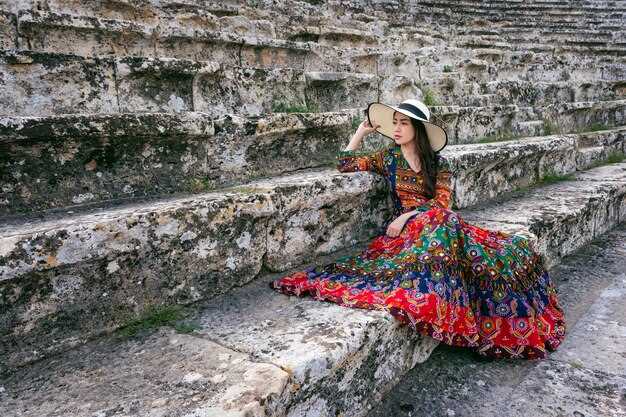
Sacromonte is a lovely area located in the heart of Granada, where the culture and history of the region come together in a breathtaking manner. This unique neighborhood is known for its venerated caves, which have remained a testament to the city’s Islamic and 17th-century Renaissance influences. As you wander along the narrow streets and admire the majestic Nasrid architecture, you will find yourself transported to a time when these caves hosted informal gatherings for local flamenco artists and their patrons.
Those who want to understand the essence of Granada’s flamenco culture will find that Sacromonte is the perfect destination. Here, tourists can enjoy captivating performances that showcase the style and passion of flamenco, a tradition that dates back to the 15th century. In the summer months, the community comes alive with events and celebrations, making it an ideal time to visit. Booking tickets in advance is advisable, especially during peak tourist times when you might find yourself in need of them to experience the genuine atmosphere of this vibrant locale.
As you plan your journey, consider taking a walking tour that will guide you through the rich history and artistry of Sacromonte. You might have the opportunity to hear the fascinating stories behind each cave and the famous artists, such as the legendary Tarantos, who called this space home. Whether you arrive via taxi or on foot, don’t forget to explore the pottery workshops and local markets that embellish this charming district. Sacromonte is truly a hidden gem, waiting for you to uncover its secrets and enjoy the fusion of cultures that have shaped its enchanting allure.
Discovering Sacromonte’s Unique Flamenco Scene
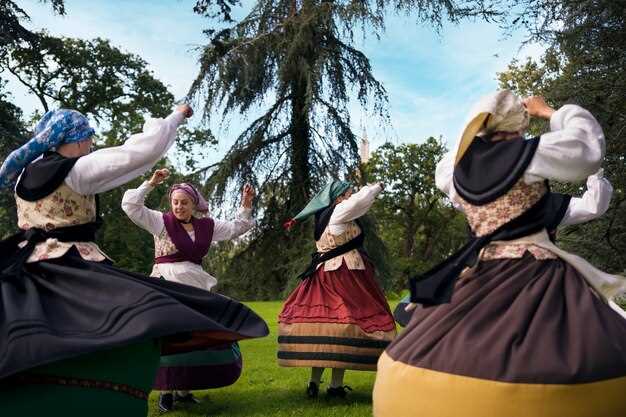
Nestled within the stunning Sierra Nevada mountains, Sacromonte is a neighborhood that captures the beauty of Granada’s flamenco culture. This area has been a refuge for flamenco enthusiasts who gather to celebrate their passion for this vibrant art form, showcasing deeply rooted traditions that date back to the 17th-century. The charming casas, or cave homes, carved into the hillsides offer a panoramic view of the city, creating the perfect backdrop for an unforgettable flamenco experience.
In Sacromonte, flamenco is not merely a performance; it is a lifestyle dedicated to the worship of music and dance. You will often find artists starting their day with rhythm, as they take instruments in hand and bring the walls of these ancient homes alive with the sounds of tarantos and other flamenco styles. With each performance, they embody the essence of various cultures, including the influences from Islamic and Catholic traditions that have dwelled here for centuries.
The unique aspect of Sacromonte’s flamenco scene is how it invites everyone to partake in its magic. Whether you are a local resident or a tourist, if you wander this enchanting area, you will stumble upon the lively atmosphere where performers, clad in vibrant attire, express their emotions. Many shows are hosted within the cave-like venues, where patrons enjoy traditional dishes and snacks, creating an immersive experience that showcases the rich flavors of the region alongside the compelling performances.
To truly understand the charm of Sacromonte, one must engage with its community. Taking a ticket to a local show opens doors to a world where people come together, echoing stories of love, struggle, and joy through flamenco. As the sun sets, and the stars illuminate the sky, the essence of Sacromonte transforms, revealing its hidden gem to those willing to explore.
| Aspects of Sacromonte Flamenco | تفصیل |
|---|---|
| Cultural Influences | Blending Islamic and Catholic traditions reflecting the area’s rich history. |
| Performance Venues | Authentic cave homes provide a unique setting for music and dance. |
| Gastronomy | Traditional dishes and drinks enhance the flamenco experience. |
| معاشرے میں شمولیت | Both locals and visitors participate in the lively flamenco culture. |
| مناظرِ فطرت | Stunning vistas of Granada enhance the overall atmosphere. |
The Origins of Flamenco in Sacromonte
The origins of flamenco in Sacromonte can be traced back to the late 15th century, when the region was home to a vibrant community of Romani people, known for their rich cultural traditions. Perched on the hills above Granada, Sacromonte offers stunning views of the Alhambra and the Sierra Nevada, making it a picturesque setting for the development of this passionate art form.
In the winding streets of this district, traditional houses, or گھر, were converted into venues for the performance of flamenco. These cavernous spaces, often resembling a باغ, would become intimate stages where locals and tourists alike would gather to experience the raw energy of flamenco dance and music. The زامبرا, a style of flamenco unique to Sacromonte, reflects the melding of musical elements with cultural expressions that venerated their rich heritage.
The district’s unique atmosphere, enhanced by the smell of تاپاس and local dishes, would have contributed to the dynamic environment that birthed flamenco. As guides lead visitors through this hidden gem, they unveil tales of artists who once danced in the plazas, igniting the passion and spirit that flamenco embodies. Booking an online tour could provide deeper insights into the sacred aspects of this culture that developed around the fires in the hills.
Flamenco in Sacromonte remains deeply rooted in the community, with performances continuing to attract those seeking to connect with its storied past. In addition to public shows, many venues offer workshops that allow participants to experience the thrill of dance firsthand. It’s a complete immersion into a culture that celebrates both the individual and the collective, revealing how performance would reveal the soulful stories resonating through each موسیقی کا note and every graceful movement.
Today, the legacy of flamenco in Sacromonte is preserved in museums and cultural events, where visitors can explore the intricate history of this dynamic art form. From religious influences to the impact of the Romani community, the origins of flamenco here encompass a rich tapestry of life that attracts countless tourists, promising an unforgettable experience for all who venture into this enchanting district.
Impact of Gypsy Culture on Flamenco
Flamenco, a vibrant expression of music and dance, is deeply rooted in the heritage of the Gitanos, the Romani people of Spain. This art form was born in the caves of Sacromonte, where the natural acoustics enhanced the emotional depth of the performances. The essence of Flamenco is composed of various cultural influences, but it is the Gypsy culture that marks its most significant contributions.
During times when their lifestyle was often marginalized and even forbidden, Gitanos turned to Flamenco as a means of expression, drawing from their history and religious beliefs. They created a unique blend of rhythms and melodies, embodying the struggles and joys of their lives. Flamenco is not just a performance; it becomes a celebration of identity, as much as a personal and communal spiritual experience.
In the valleys and hills near Granada, many local events are held, showcasing the stunning talent of these artists. Here, visitors can watch Zambra, a traditional form of Flamenco, often performed by women, highlighting their important role within this cultural narrative. These performances take place against the impressive backdrop of Chapiz gardens, where you’ll find rectangular caves that are home to some of the most venerated Flamenco traditions.
Throughout history, Gypsy culture has left significant relics of its presence in Flamenco, seen in the lyrics and the emotional expression found in each performance. People from various parts of Europe visit Sacromonte to gather tickets for these unforgettable events, revealing a desire to experience a piece of this rich culture for themselves. Museums dedicated to Flamenco further illustrate its history and connection to the Gitanos, showcasing the times when Flamenco was regarded as an underground art form.
The Catholic Chapel in the area, once a site of religious significance, now stands as a reminder of the blending of cultures, where both Gypsy and Catholic traditions coexist. The authorities in Granada have recognized the importance of Flamenco, advocating for its preservation as part of Spain’s intangible cultural heritage, which contributes to its status as a UNESCO recognized element. In this space, you can truly discern how Gypsy culture has shaped Flamenco, making it the incredible art form it is today, a dynamic interplay of voice, rhythm, and heart.
Traditional vs. Contemporary Flamenco Shows
Flamenco, with its deep roots in the cultural tapestry of Granada, particularly in the Sacromonte area, offers an array of performances that vary significantly between traditional and contemporary styles. Each form captures different aspects of this art, reflecting both its historical essence and modern adaptations.
Traditional flamenco shows, often held in caves that have been تبدیل شدہ into performance venues, immerse the audience in a historical atmosphere. Many of these venues are nestled within the stunning mountains surrounding Sacromonte, where wooden walls and simple structures echo the gypsy legacy of the flamenco genre. Here, you can تلاش کریں performances that emphasize authenticity, drawing on ballads and rhythms passed down through generations.
Features of traditional shows include:
- Instruments: The use of basic guitar strumming and handclapping.
- Styles: Styles such as zambra, known for its lively flamenco dance that originated in the region.
- Setting: Performances often take place in intimate settings, which enhance the emotional connection for the audience.
In contrast, contemporary flamenco shows have emerged that blend the fundamental elements of flamenco with modern influences. These performances often incorporate various musical forms and dance styles, creating a fusion that appeals to a wider audience. While there is a respect for traditional methods, contemporary shows are characterized by:
- Innovative Interpretations: New choreography and collaborations with different genres.
- Visual Effects: Use of stunning lighting and multimedia that attracts diverse spectators.
- Gastronomy: Many venues combine performances with traditional Granadan tapas dishes, which makes the experience even more enriching.
In the bustling summer months, both traditional and contemporary shows compete for attention among tourists and locals alike. Depending on personal preference, you might want to catch a traditional show that reverberates with the rich history of the Catholic and gypsy cultures, or you might find yourself drawn to the vibrancy and innovation of contemporary performances.
Regardless of your choice, attending any flamenco show in Sacromonte offers a unique opportunity to witness the جوہر of Andalusian culture in an atmosphere that resonates with history and passion.
Key Venues for Authentic Flamenco Experiences
Exploring the flamenco culture in Sacromonte offers a unique opportunity to dive into the very heart of Granada’s heritage. This historic district, nestled on a mountain, is renowned for its cuevas, or cave homes, which have been transformed into venues dedicated to celebrating flamenco. Here, visitors can experience performances that are deeply rooted in خانہ بدوش traditions, creating a magical atmosphere that resonates with the rhythms of history.
One of the standout venues is the Cueva de los Tarantos, where the captivating sound of guitar and the passionate dance performances transport you into a world of emotional storytelling. The walls of this cave have seen countless performances, serving as a backdrop for both novice and seasoned artists who come to worship the art of flamenco.
ایک اور لازمی طور پر دیکھنے کی جگہ ہے۔ Tablao Flamenco Chapiz, perched on a hillside with panoramic views. This venue not only offers an authentic flamenco experience but also incorporates local food options, making it a perfect spot for enjoying a snack while being immersed in the performance. The altar of flamenco culture, this venue has played a crucial role in keeping the spirit of flamenco alive, with performances that echo the long-standing traditions of this Latin art form.
وہ Sala de los Canastera is another essential destination for enthusiasts. This historic site features living spaces that date back to the seventeenth century, allowing visitors to appreciate the evolution of flamenco within its very walls. Guided tours often include discussions on how the local community has maintained this vibrant culture, fostering a deeper understanding of its significance as a pilgrimage for artists and fans alike.
اخيرا، Santa Fe Chapel not only serves as a place of worship but also as a cultural hub where flamenco performances are occasionally held. This reflects the intertwined nature of religious and cultural practices in the region, embodying the essence of Sacromonte’s spirit.
These venues, with their unique charm and rich history, are essential stops for anyone looking to explore the depths of flamenco in Sacromonte. They showcase why Granada is considered a pivotal site for flamenco culture in Europe, drawing tourists and locals to experience the magic that has thrived in this remarkable community.
Architectural Wonders of Sacromonte Abbey
Perched on the hills near Granada, Sacromonte Abbey stands as a testament to the rich cultural tapestry of the region. Founded in the 17th century, this stunning structure is often overlooked by those who wander through the more famous sites of Granada, yet it serves as a focal point in understanding the deep history and architectural style of the area. Its rectangular layout, together with elements of both Christian and Moorish design, creates a visual harmony that enchants visitors.
One cannot help but admire the abbey’s lovely facade, crafted from local materials such as marble and pottery, which speak to the natural resources of the region. As you take the camino leading to the abbey, the views of the nearby Sierra Nevada mountains offer a breathtaking backdrop, one that adds to the experience of this important site. The abbey’s location is not only picturesque but also strategically chosen, marking a connection to the cultural narrative of the area.
Inside, the abbey is a sanctuary of peace, where one can find traces of a past that speaks volumes about the life and beliefs of the monks who once called this place home. The use of light in the chapel creates a serene atmosphere, particularly during the evening when the sun sets behind the mountains. Visitors often remark on how the space feels both intimate and vast at the same time, a reflection of its dual purpose as a place of worship and a home for the community.
Although not officially recognized by UNESCO, Sacromonte Abbey could easily be considered one of Spain’s best-kept secrets. It celebrates not just the architectural beauty but also the local traditions that have been beloved by generations. Guides often mention the importance of these traditions, intertwining them with stories about the abbey’s history and the people who have left their mark on this special site.
As you explore the winding paths around the abbey and the nearby cuevas, or caves, you will find that the life here is rich with stories waiting to be uncovered. The abbey serves as a center for cultural events, where locals gather to share tapas, music, and the vibrant flavors of their heritage. For anyone wanting to experience the fusion of architectural wonder and cultural depth, Sacromonte Abbey is a destination that should not be missed.