


 עִבְרִית
  English (UK)
  Русский
  বাংলা
বাংলা  العربية
  日本語
日本語  한국어
한국어  Magyar
  Norsk nynorsk
  Türkçe
  Español
  Čeština
  Svenska
  Português
  Ελληνικά
  Suomi
Suomi  Nederlands
  Română
  Italiano
  Français
  Polski
  Українська
  Deutsch
  简体中文
简体中文  Slovenčina
  Српски језик
  اردو
اردو  Azərbaycan dili
  O‘zbekcha
  አማርኛ
አማርኛ 
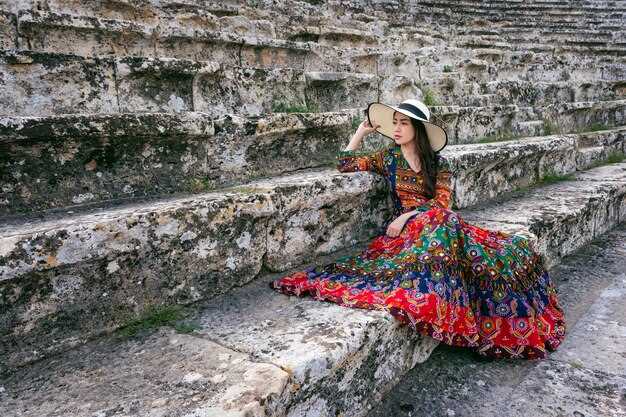
Sacromonte is a lovely area located in the heart of Granada, where the culture and history of the region come together in a breathtaking manner. This unique neighborhood is known for its venerated caves, which have remained a testament to the city’s Islamic and 17th-century Renaissance influences. As you wander along the narrow streets and admire the majestic Nasrid architecture, you will find yourself transported to a time when these caves hosted informal gatherings for local flamenco artists and their patrons.
Those who want to understand the essence of Granada’s flamenco culture will find that Sacromonte is the perfect destination. Here, tourists can enjoy captivating performances that showcase the style and passion of flamenco, a tradition that dates back to the 15th century. In the summer months, the community comes alive with events and celebrations, making it an ideal time to visit. Booking tickets in advance is advisable, especially during peak tourist times when you might find yourself in need of them to experience the genuine atmosphere of this vibrant locale.
As you plan your journey, consider taking a walking tour that will guide you through the rich history and artistry of Sacromonte. You might have the opportunity to hear the fascinating stories behind each cave and the famous artists, such as the legendary Tarantos, who called this space home. Whether you arrive via taxi or on foot, don’t forget to explore the pottery workshops and local markets that embellish this charming district. Sacromonte is truly a hidden gem, waiting for you to uncover its secrets and enjoy the fusion of cultures that have shaped its enchanting allure.
Discovering Sacromonte’s Unique Flamenco Scene
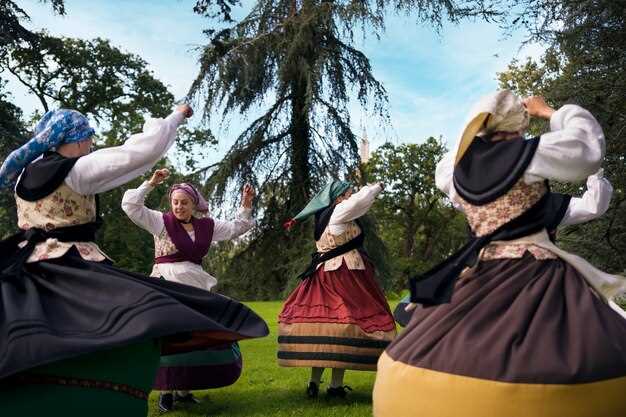
Nestled within the stunning Sierra Nevada mountains, Sacromonte is a neighborhood that captures the beauty of Granada’s flamenco culture. This area has been a refuge for flamenco enthusiasts who gather to celebrate their passion for this vibrant art form, showcasing deeply rooted traditions that date back to the 17th-century. The charming casas, or cave homes, carved into the hillsides offer a panoramic view of the city, creating the perfect backdrop for an unforgettable flamenco experience.
In Sacromonte, flamenco is not merely a performance; it is a lifestyle dedicated to the worship of music and dance. You will often find artists starting their day with rhythm, as they take instruments in hand and bring the walls of these ancient homes alive with the sounds of tarantos and other flamenco styles. With each performance, they embody the essence of various cultures, including the influences from Islamic and Catholic traditions that have dwelled here for centuries.
The unique aspect of Sacromonte’s flamenco scene is how it invites everyone to partake in its magic. Whether you are a local resident or a tourist, if you wander this enchanting area, you will stumble upon the lively atmosphere where performers, clad in vibrant attire, express their emotions. Many shows are hosted within the cave-like venues, where patrons enjoy traditional dishes and snacks, creating an immersive experience that showcases the rich flavors of the region alongside the compelling performances.
To truly understand the charm of Sacromonte, one must engage with its community. Taking a ticket to a local show opens doors to a world where people come together, echoing stories of love, struggle, and joy through flamenco. As the sun sets, and the stars illuminate the sky, the essence of Sacromonte transforms, revealing its hidden gem to those willing to explore.
| Aspects of Sacromonte Flamenco | תיאור |
|---|---|
| Cultural Influences | Blending Islamic and Catholic traditions reflecting the area’s rich history. |
| Performance Venues | Authentic cave homes provide a unique setting for music and dance. |
| Gastronomy | Traditional dishes and drinks enhance the flamenco experience. |
| Community Involvement | Both locals and visitors participate in the lively flamenco culture. |
| Scenic Views | Stunning vistas of Granada enhance the overall atmosphere. |
The Origins of Flamenco in Sacromonte
The origins of flamenco in Sacromonte can be traced back to the late 15th century, when the region was home to a vibrant community of Romani people, known for their rich cultural traditions. Perched on the hills above Granada, Sacromonte offers stunning views of the Alhambra and the Sierra Nevada, making it a picturesque setting for the development of this passionate art form.
In the winding streets of this district, traditional houses, or בית, were converted into venues for the performance of flamenco. These cavernous spaces, often resembling a גן, would become intimate stages where locals and tourists alike would gather to experience the raw energy of flamenco dance and music. The זמברה, a style of flamenco unique to Sacromonte, reflects the melding of musical elements with cultural expressions that venerated their rich heritage.
The district’s unique atmosphere, enhanced by the smell of טאפאס and local dishes, would have contributed to the dynamic environment that birthed flamenco. As guides lead visitors through this hidden gem, they unveil tales of artists who once danced in the plazas, igniting the passion and spirit that flamenco embodies. Booking an online tour could provide deeper insights into the sacred aspects of this culture that developed around the fires in the hills.
Flamenco in Sacromonte remains deeply rooted in the community, with performances continuing to attract those seeking to connect with its storied past. In addition to public shows, many venues offer workshops that allow participants to experience the thrill of dance firsthand. It’s a complete immersion into a culture that celebrates both the individual and the collective, revealing how performance would reveal the soulful stories resonating through each musical note and every graceful movement.
Today, the legacy of flamenco in Sacromonte is preserved in museums and cultural events, where visitors can explore the intricate history of this dynamic art form. From religious influences to the impact of the Romani community, the origins of flamenco here encompass a rich tapestry of life that attracts countless tourists, promising an unforgettable experience for all who venture into this enchanting district.
Impact of Gypsy Culture on Flamenco
Flamenco, a vibrant expression of music and dance, is deeply rooted in the heritage of the Gitanos, the Romani people of Spain. This art form was born in the caves of Sacromonte, where the natural acoustics enhanced the emotional depth of the performances. The essence of Flamenco is composed of various cultural influences, but it is the Gypsy culture that marks its most significant contributions.
During times when their lifestyle was often marginalized and even forbidden, Gitanos turned to Flamenco as a means of expression, drawing from their history and religious beliefs. They created a unique blend of rhythms and melodies, embodying the struggles and joys of their lives. Flamenco is not just a performance; it becomes a celebration of identity, as much as a personal and communal spiritual experience.
In the valleys and hills near Granada, many local events are held, showcasing the stunning talent of these artists. Here, visitors can watch Zambra, a traditional form of Flamenco, often performed by women, highlighting their important role within this cultural narrative. These performances take place against the impressive backdrop of Chapiz gardens, where you’ll find rectangular caves that are home to some of the most venerated Flamenco traditions.
Throughout history, Gypsy culture has left significant relics of its presence in Flamenco, seen in the lyrics and the emotional expression found in each performance. People from various parts of Europe visit Sacromonte to gather tickets for these unforgettable events, revealing a desire to experience a piece of this rich culture for themselves. Museums dedicated to Flamenco further illustrate its history and connection to the Gitanos, showcasing the times when Flamenco was regarded as an underground art form.
The Catholic Chapel in the area, once a site of religious significance, now stands as a reminder of the blending of cultures, where both Gypsy and Catholic traditions coexist. The authorities in Granada have recognized the importance of Flamenco, advocating for its preservation as part of Spain’s intangible cultural heritage, which contributes to its status as a UNESCO recognized element. In this space, you can truly discern how Gypsy culture has shaped Flamenco, making it the incredible art form it is today, a dynamic interplay of voice, rhythm, and heart.
Traditional vs. Contemporary Flamenco Shows
Flamenco, with its deep roots in the cultural tapestry of Granada, particularly in the Sacromonte area, offers an array of performances that vary significantly between traditional and contemporary styles. Each form captures different aspects of this art, reflecting both its historical essence and modern adaptations.
Traditional flamenco shows, often held in caves that have been הוּמָר into performance venues, immerse the audience in a historical atmosphere. Many of these venues are nestled within the stunning mountains surrounding Sacromonte, where wooden walls and simple structures echo the gypsy legacy of the flamenco genre. Here, you can למצוא performances that emphasize authenticity, drawing on ballads and rhythms passed down through generations.
Features of traditional shows include:
- Instruments: The use of basic guitar strumming and handclapping.
- Styles: Styles such as zambra, known for its lively flamenco dance that originated in the region.
- Setting: Performances often take place in intimate settings, which enhance the emotional connection for the audience.
In contrast, contemporary flamenco shows have emerged that blend the fundamental elements of flamenco with modern influences. These performances often incorporate various musical forms and dance styles, creating a fusion that appeals to a wider audience. While there is a respect for traditional methods, contemporary shows are characterized by:
- פרשנויות חדשניות: כוריאוגרפיה חדשה ושיתופי פעולה עם ז'אנרים שונים.
- אפקטים ויזואליים: שימוש בתאורה מרהיבה ומולטימדיה המושכת מגוון רחב של צופים.
- גסטרונומיה: מקומות רבים משלבים הופעות עם מנות טאפאס גרנדיות מסורתיות, מה שהופך את החוויה למעשירה עוד יותר.
בחודשי הקיץ הסואנים, מופעים מסורתיים ועכשוויים כאחד מתחרים על תשומת הלב של תיירים ומקומיים כאחד. בהתאם להעדפה אישית, ייתכן שתרצו לצפות במופע מסורתי המהדהד את ההיסטוריה העשירה של התרבויות הקתוליות והצועניות, או שאולי תימשכו לחיוניות ולחדשנות של הופעות עכשוויות.
ללא קשר לבחירתכם, נוכחות בכל מופע פלמנקו בסַקְרוֹמוֹנְטֶה מציעה הזדמנות ייחודית לחזות ב- מהות של התרבות האנדלוסית באווירה המהדהדת היסטוריה ותשוקה.
מקומות מרכזיים לחוויית פלמנקו אותנטית
חקירת תרבות הפלמנקו בסָקְרוֹמוֹנְטֶה מציעה הזדמנות ייחודית לצלול אל ליבהּ של מורשת גְרָנָדָה. רובע היסטורי זה, השוכן על הר, ידוע ב- מערות, או בתי מערות, שהפכו למקומות המוקדשים לחגיגת פלמנקו. כאן, המבקרים יכולים לחוות הופעות ששורשיהן נעוצים עמוק ב gypsy מסורות, ויוצרות אווירה קסומה המהדהדת עם מקצבי ההיסטוריה.
אחד המקומות הבולטים הוא ה מערת הטרנטות, שם הצליל הכובש של הגיטרה והופעות הריקוד הנלהבות מעבירים אותך לעולם של סיפור רגשי. קירות המערה הזו ראו אינספור הופעות, ושימשו כתפאורה לאמנים מתחילים ומנוסים כאחד, הבאים לסגוד לאמנות הפלמנקו.
אתר חובה נוסף הוא ה טבלאו פלמנקו צ'אפיז, השוכן על צלע גבעה עם נופים פנורמיים. מקום זה לא רק מציע חוויית פלמנקו אותנטית אלא גם משלב אפשרויות אוכל מקומיות, מה שהופך אותו למקום מושלם ליהנות מחטיף תוך כדי שקיעה במופע. ה מזבח של תרבות הפלמנקו, מקום זה מילא תפקיד מכריע בשמירה על רוח הפלמנקו בחיים, עם הופעות המהדהדות את המסורות ארוכות השנים של Latin צורת אמנות.
ה אולם לאס קנאסטרה היא יעד חיוני נוסף לחובבים. אתר היסטורי זה כולל חללי מגורים המתוארכים לתקופה ה שְׁבַע עֶשְׂרֵה המאה, ומאפשר למבקרים להעריך את התפתחות הפלמנקו בין כתליו. סיורים מודרכים כוללים לעתים קרובות דיונים על האופן שבו הקהילה המקומית שמרה על תרבות תוססת זו, תוך טיפוח הבנה מעמיקה יותר של משמעותה כמקום עלייה לרגל עבור אמנים ומעריצים כאחד.
לבסוף, ה קפלת סנטה פה לא רק משמש כמקום פולחן, אלא גם כמרכז תרבותי שבו מופעי פלמנקו מתקיימים מדי פעם. זה משקף את האופי השזור של פרקטיקות דתיות ותרבותיות באזור, ומגלם את מהות הרוח של סקרומונטה.
מקומות אלה, עם הקסם הייחודי וההיסטוריה העשירה שלהם, הם תחנות חובה לכל מי שמחפש לחקור את מעמקי הפלמנקו בסקרומונטה. הם מדגימים מדוע גרנדה נחשבת לאתר מרכזי בתרבות הפלמנקו באירופה, ומושכים תיירים ומקומיים לחוות את הקסם שפרח בקהילה המדהימה הזו.
נפלאות ארכיטקטוניות של מנזר סקרומונטה
מנזר סקרומונטה, השוכן על הגבעות ליד גרנדה, ניצב כעדות לפסיפס התרבותי העשיר של האזור. מבנה מדהים זה, שהוקם במאה ה-17, נשכח לעתים קרובות על ידי המטיילים באתרים המפורסמים יותר של גרנדה, אך הוא משמש כמוקד בהבנת ההיסטוריה העמוקה והסגנון האדריכלי של האזור. הפריסה המלבנית שלו, יחד עם אלמנטים של עיצוב נוצרי ומורי, יוצרים הרמוניה ויזואלית המקסima את המבקרים.
אי אפשר שלא להתפעל מהחזית המקסימה של המנזר, העשויה מחומרים מקומיים כגון שיש וכלי חרס, המעידים על משאבי הטבע של האזור. כשצועדים בקאמינו המוביל למנזר, הנופים של הרי סיירה נבדה הסמוכים מציעים תפאורה עוצרת נשימה, שמוסיפה לחוויה של אתר חשוב זה. מיקומו של המנזר לא רק ציורי אלא גם נבחר אסטרטגית, ומסמן קשר לנרטיב התרבותי של האזור.
בפנים, המנזר הוא מקום מפלט של שלווה, בו אפשר למצוא עקבות של עבר המעיד רבות על חייהם ואמונותיהם של הנזירים שפעם קראו למקום הזה בית. השימוש באור בקפלה יוצר אווירה שלווה, במיוחד בערב כשהשמש שוקעת מאחורי ההרים. מבקרים מציינים לעתים קרובות איך החלל מרגיש אינטימי ועצום בו זמנית, השתקפות של מטרתו הכפולה כמקום פולחן ובית לקהילה.
אף על פי שמנזר סקרומונטה אינו מוכר רשמית על ידי אונסק"ו, ניתן לראות בו בקלות כאחד הסודות השמורים ביותר של ספרד. הוא חוגג לא רק את היופי האדריכלי, אלא גם את המסורות המקומיות שיקירי הדורות. מדריכים מזכירים לעתים קרובות את חשיבותן של מסורות אלה, השוזרים אותן בסיפורים על ההיסטוריה של המנזר ועל האנשים שהטביעו את חותמם באתר מיוחד זה.
כשאתם משוטטים בשבילים המתפתלים סביב המנזר וה"קואווס", או המערות, הסמוכות, תגלו שהחיים כאן עשירים בסיפורים שמחכים להתגלות. המנזר משמש כמרכז לאירועי תרבות, שבו המקומיים מתאספים לחלוק טאפאס, מוזיקה ואת הטעמים התוססים של המורשת שלהם. לכל מי שרוצה לחוות את השילוב של פלא אדריכלי ועומק תרבותי, מנזר סקרומונטה הוא יעד שאסור לפספס.