


 اردو
اردو  English (UK)
  Русский
  বাংলা
বাংলা  العربية
  日本語
日本語  한국어
한국어  Magyar
  Norsk nynorsk
  Türkçe
  עִבְרִית
  Español
  Čeština
  Svenska
  Português
  Ελληνικά
  Suomi
Suomi  Nederlands
  Română
  Italiano
  Français
  Polski
  Українська
  Deutsch
  简体中文
简体中文  Slovenčina
  Српски језик
  Azərbaycan dili
  O‘zbekcha
  አማርኛ
አማርኛ 
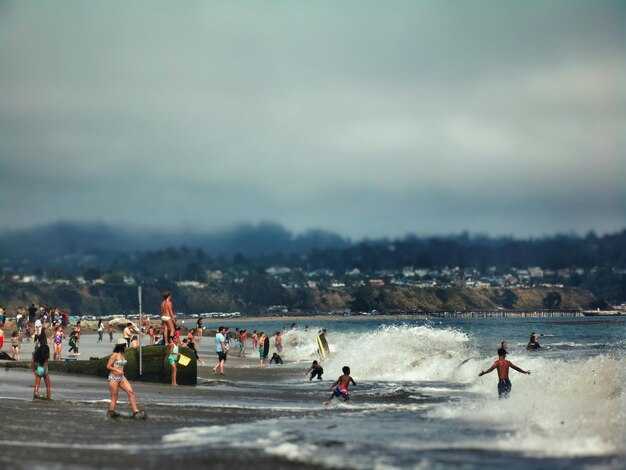
Plan your Hawaii visit for late April through early June, or September through mid-December, to enjoy warm seas, light trade winds, and lots of sun with smaller crowds. You’ll often find extra discounts on flights and hotels when you book several months ahead, and you can dodge the کرسمس peak by shifting your dates by a few weeks.
Weather ranges are predictable in these windows: daily highs around 27-29°C, sea temps 76-80°F, and showers that rarely interrupt beach days. Midweek visits in May or September tend to be quieter, with many attractions operating at full speed and airlines offering cheaper fares. For families, these weeks also mean shorter waits at popular spots, and بہت سارے of flexibility to adjust plans.
Budget-wise, you’ll see pennies saved on meals by choosing lunch specials, and you can stretch your dollars further with multi-night stays and island-hopping strategies. This article uses data on average hotel rates, which dip by 15–25% in May and September, and on average 10–18% cheaper midweek. Since prices vary by island, consider splitting time between Oahu, Maui, Kauai, and the Big Island to maximize value and experiences.
On the Big Island, late spring and early fall offer calm conditions for snorkeling and stargazing on clear nights; on Kauai, May and October deliver lush hikes with fewer hikers. Oahu draws most visitors year-round, but May and September keep crowds modest while you catch major events like football fans gathering at local bars during autumn games. Maui balances big-wave season in winter with gentle months in the shoulder seasons for families and couples.
یہ article نمایاں باتیں cuisine and culture: you’ll taste fresh tuna bowls, poke, and fusion plates that nod to جاپان influences while staying Hawaiian in flavor. The تاریخ of the islands unfolds in royal sites, petroglyphs, and coastal towns spread throughout the archipelago, offering a dense itinerary for every pace.
To plan with confidence, this complete guide helps you pick your window (late April–early June or September–mid-December), book 3–6 months ahead for the best rates, and spread stays across two or more islands to reduce fatigue. Since flights typically land in Honolulu, Kahului, or Lihue, structure your trip so you move through Oahu, Maui, Kauai, and the Big Island in turn, with a flexible schedule you can adjust into different priorities at each stop.
Month-by-month weather snapshot across major islands
Plan your Hawaii trip for April, May, or early June to balance warm days, gentle tradewinds, and lower rainfall throughout Maui, Oahu, Kauai, and the Big Island.
January: Cool nights and mild days set a comfortable baseline across the four islands. Highs generally range from 75–82°F, with night temps dipping into the 60s. Tradewinds are typically moderate, keeping humidity pleasant and supporting long outdoor explorations. Rainfall concentrates on windward coasts (Kauai’s north shore, Oahu’s windward belt) and lasts only a few hours before sun returns. Expect 6–8 hours of sun daily; sea temps run about 72–76°F, which still makes swimming feasible on sheltered shores. Maui and the Big Island offer reliable access for hikes and draping coastal scenery, and accommodations remain accessible throughout the center of the month, unless you seek exclusive island tours.
February: The pattern holds, with daytime highs in the mid-70s to low-80s and cooler evenings in the 60s. Rain remains episodic on windward zones but becomes less persistent as the month progresses. Water stays comfortable for swims, around 72–76°F, and visibility improves for snorkeling off protected bays. Trade winds often stay steady, making mornings ideal for a run or a snorkel before crowds shoulder up near resort centers. If you’re planning vacations with a focus on cuisine and cultural activities, you’ll find good options across all four islands throughout February.
March: Warmer days arrive, and hours of sun extend toward 7–9 each day. Highs hover in the mid-70s to low-80s, with nights warming into the 60s. A light breeze from the tradewinds keeps the air fresh, and rainfall eases, especially on leeward shores. It’s a great time for swim-friendly coastlines, calm sea conditions around Molokini and Kailua-Kona, and long hikes on Maui’s upslope trails. Historically, March shifts tourism into a steady cadence, with mid-month deals appearing and longer days encouraging flexible itineraries.
April: The dry-season sweet spot persists. Temperatures stabilize in the mid-70s to mid-80s, while nights stay comfortable in the 60s. Trade winds continue to blow lightly, or moderate, delivering pleasant comfort for outdoor activities and sightseeing. Sunshine dominates, with minimal shower interruptions and excellent visibility for ocean activities. This month often brings strong demand for beach days and family vacations, but you’ll still find good-value accommodations and straightforward airline options if you book early.
May: Clear skies and warm water characterize May across Maui, Oahu, Kauai, and the Big Island. Highs typically reach 80–86°F, with nights remaining in the 60s to low 70s. Rain remains sparse outside of isolated showers on windward coasts. Ocean temps climb toward 76–79°F, making snorkeling and swimming particularly inviting. Booking windows open wide for vacations, and center resorts frequently offer value-added packages. May is a reliable bet if you want consistent weather with ample daylight hours.
June: Summer settles in with long days and vibrant beach life. Daytime highs commonly sit around 82–89°F, with nights cooling into the 60s. Tradewinds stay steady, offering comfortable air movement and reducing humidity. Rain remains light, mostly confined to brief showers on windward shores. Water remains warm enough for easy swims and paddle adventures, and visibility improves for reef snorkeling off sheltered coves. June marks the start of the peak travel window for many families, so plan ahead to secure preferred accommodations and activities.
July: Heat and activity rise as schools pause for summer. Daytime highs press into the mid-80s to around 90°F, with muggy afternoons possible in some districts. Nights stay pleasant, but humidity can feel elevated. Ocean temps hover near 79–82°F, perfect for swimming and stand-up paddleboarding. Crowds increase across all islands, especially on Oahu’s south shore and Maui’s resort strip, so book activities directly and secure seats early for boats and tours. If you want quieter moments, target early mornings or the shoulder pockets around the weeknights.
August: The summer heat persists, with mostly sunny skies and strong visibility. Highs linger in the mid-80s to near 90°F; nights remain comfortable in the 70s on most nights. Tradewinds remain a friend, but some days bring a heavier feel in the afternoons. Water stays warm enough for extended swims and snorkeling, and many beaches stay ideal for families. Expect lively tourism scenes, but you still find pockets of quiet along certain shorelines or during midweek hours.
September: Shoulder-season calm returns with fewer crowds and excellent conditions for outdoor pursuits. Daytime highs usually run in the low to mid-80s, with nights cooling into the 70s. Trade winds remain light to moderate, keeping humidity manageable. Ocean water remains warm, around 79–81°F, making snorkeling and reef swims particularly enjoyable. You’ll likely find exclusive deals on accommodations and activities as demand cools post-summer, especially on the Big Island and Kauai.
October: Pleasant temperatures and strong sun hours define October. Day highs in the upper 70s to mid-80s, nights in the 60s to low 70s. Trade winds pick up again, delivering comfortable breezes and improving air quality for outdoor adventures. Rain stays irregular, mostly isolated showers on windward sides. Water temperatures stay inviting, supporting kayak trips, paddleboarding, and beach days across all islands.
November: The transition to wetter season begins. Temperatures drift toward 75–83°F by day and 65–72°F at night. Rain becomes more common on windward coasts, and the north shore may begin to feel breezy with larger surf spikes, signaling the start of winter patterns. Water remains warm enough for swims, but be prepared for occasional squalls, especially after storms. The shift can drive savings on accommodations, appealing to travelers who want value without sacrificing access to iconic experiences.
December: Cooler nights and increased rain on windward fronts mark the holiday month. Highs land in the 70s to low 80s, while nights fall to the 60s. Ocean temps stay welcoming, around 75–79°F, supporting continued swimming and snorkeling on leeward shores. The holidays bring a steady rise in tourism activity, so book flights and center-based activities early. Winter swells boost surfing on Oahu’s north shore, while Maui’s and Kauai’s calmer lagoons attract families looking for reliable vacations through the center of the month.
Seasonal planning notes
Throughout the year, Maui, Oahu, Kauai, and the Big Island offer reliable windows for swim, hike, and cuisine experiences. If you want to avoid the crowds, aim for April–May or September–October, when deals on accommodations and airline itineraries tend to appear directly from providers. For best access to exclusive tours or center-centered itineraries, book well in advance and coordinate with your preferred airline and activity partners.
Island highlights by month
Across all major islands, keep in mind that the northern shores carry bigger surf in winter, while southern and leeward coves stay friendlier for calm swims and snorkeling. Maui’s volcanic coastlines offer dramatic draping scenery and accessible coastal hikes, while Kauai’s lush valleys reward those chasing waterfall vistas. The Big Island’s diverse terrain means microclimates–temperate rainforest in one valley and sun-soaked lava fields in the next–so plan flexible days to maximize your time and accommodations throughout the trip.
Crowd patterns at beaches, hikes, and popular towns
Start your beach day before sunrise; youll enjoy cool air, calmer water, and parking that’s easier. For variety, pick two beaches on different sides of the island to spread crowds and to compare calm bays with lively stretches. Traditional morning rituals set the pace, and exploring early lets you feel the shoreline still before the first waves of visitors arrive.
Best windows and data: Weekday mornings before 9am are typically 40-60% quieter than weekend midday peaks. On busy coastlines, the last hour before noon still draws families and local residents; plan extra time for parking and short strolls along the sand. Alerts from park services and weather apps help you adapt if clouds build or storms approach. If a storm hits, shift to a sheltered beach you still find enjoyable, or move to a nearby hike with easier footing there.
Hikes: Start early to beat crowds; typical windows 6:30-7:30am on weekdays. There, the first hours after sunrise are busiest on Saturday and Sunday, but you’ll still find space if you go off the main routes. Bring water, a light jacket, and a map; creatures like birds and lizards often greet explorers on the first switchback. After showers, you can expect rainbows overhead, a perfect moment for photos.
Popular towns: Markets and waterfront dining draw traveler crowds, especially on Sunday. The Sunday flow hits the central lanes first, then fans out to side streets; to maximize calm, walk the quieter alleys or explore neighborhood shops after 10am. Vendors usually handle cash and card transactions; you’ll often get a quick, friendly answer from locals about where to find fresh fruit or a quiet cafe. If you’re exploring with a plan, you can catch a live event or street performance and still stay on budget there.
Patterns vary by island side and season; the south and west sides tend to be calmer in the morning, while the north shore sees more surfers in winter and more hikers on weekends. This variation means you can adjust your plans by checking local alerts and choosing alternate spots if a favorite beach fills up. Typically, the best window is 6-9am, but you may find still emptier options by going 30-60 minutes later on an adjacent side. Bringing a small map and a flexible plan helps you explore safely and still keep your schedule intact there.
Bottom line: if an event or a late airport arrival disrupts your plan, adjust by exploring nearby beaches or towns; an alternative plan is a solid compensation for the disrupted schedule. For a traveler, staying flexible and exploring options is part of the experience, and you’ll find the answer in the calm morning hours, the sheltered trails, and the welcoming corners of local towns.
Where to snag flight and hotel deals by season

Target shoulder seasons: specifically April–May or September–October, when flight and hotel rates drop 15–40% versus peak periods and the weather stays pleasant across the islands. The answer for savvy travelers is to choose these windows, enjoying short lines at top attractions and more affordable nightly rates. Craft your search with flexible dates, multiple airports, and bundle options, then price alerts are applied so you receive updates as prices shift.
Spring is a sweet window to save: bundles pairing flight + hotel can cut total costs by 20–35%. Start with price alerts that apply to Hawaii routes, then check airline bundles and loyalty offers. Portions of your savings come from midweek departures, so skip weekend flights when possible and keep a flexible itinerary. Specifically, look for options that include a car rental or resort credit, which can be applied at checkout, and that can mean more budget for experiences.
Summer mostly brings crowds, but midweek stays and bundles can still save you 10–25% on nightly rates versus weekend visits. Book 6–12 weeks in advance to lock in lower fares, and compare routes among Honolulu (HNL) and island-specific nodes like Maui (OGG) or Kauai (LIH) for island promos. Night rates often dip on weekdays, and longer stays (four to seven nights) unlock further discounts on hotels.
Fall is a hidden gem for deals: exclusive offers pop up on smaller islands when demand slows after the summer rush. Sign up for hotel newsletters and fare alerts, then watch for last-minute openings on rooms or bundles. If you time your trip to align with autumn floral parades, with flowers and performances, prices drop further and you receive richer experiences for less.
Winter remains a peak window, yet you can still save by targeting midweek stays and bundles after holiday surcharges fade. Look for late January to February windows where rates soften across the islands, and consider four-night minimums to unlock discounts. Portions of your itinerary–several nights on different islands–can stack value when you book as a single package, helping you receive more value per day.
Where to search for deals and how they get applied: start with major flight aggregators, then compare directly on airline and hotel sites. Sign up for newsletters from Hawaii hotels, and craft a plan to harvest exclusive bundles during the seasons. For the sake of a smooth trip, skip opaque rates and verify the total price before you receive the final numbers. You will receive clear values, and you can time your booking to snag a sweet alignment of flights and rooms.
Key seasonal activities: whale watching, surfing, and hiking windows
دسمبر تا اپریل کے دوران وہیل دیکھنے کے لیے بکنگ کروائیں اور ہمپ بیک وہیل مچھلیوں سے بہترین ملاقات کے لیے فجر کے وقت کے ٹور میں شامل ہوں؛ کسی قابل اعتماد آپریٹر کا انتخاب کریں اور کم سے کم قطاروں اور ڈیک پر آسانی سے جگہ ملنے کے لیے آمد کے وقت کا تعین کرنے کے لیے ہجوم کا ہیٹ میپ چیک کریں۔.
وہیل دیکھنے کی کھڑکی
- بہترین مہینے: اوʻآہو پر وسط دسمبر سے وسط اپریل تک؛ صبح سویرے تقریباً 7:00–9:00 بجے روانگی سے سمندری حیات کے نظارے زیادہ ہوتے ہیں اور سمندر بھی پرسکون رہتا ہے۔.
- ایک خاص پیکج کا انتخاب کریں؛ کچھ آفرز میں ثقافتی طور پر معلوماتی آرٹس کی کہانیوں کے ساتھ ایک مختصر زمینی پڑاؤ اور ایک دوستانہ گائیڈ کے ساتھ مثال کے طور پر ملاقات شامل ہے۔ اگر تجارتی ہوائیں چلیں یا سمندر ناہموار ہو تو کبھی کبھار منسوخی کی توقع رکھیں۔.
- جاپان اور دیگر مارکیٹوں سے آنے والے عموماً پہلے سے بکنگ کرواتے ہیں؛ مصروف ترین ایام میں جگہ یقینی بنانے کے لیے کم از کم تین ہفتے پہلے کوشش کریں؛ دسمبر اور جنوری میں ٹرپس تیزی سے بھر جاتی ہیں؛ اگر آپ کو لچک کی ضرورت ہے تو نرم کینسلیشن پالیسی کے آپشنز کا انتخاب کریں۔.
- چوٹی کے مہینوں میں دن مصروف ہو جاتا ہے؛ ہلکی تہیں، زوم لینس والا کیمرہ اور دریافت کی طرف مائل ذہن لے کر آئیں؛ اگر وہیل موجود نہ ہو تو ساحل ڈولفن اور سمندری پرندے پیش کرتا ہے جو پھر بھی سفر کو فائدہ مند بناتے ہیں۔.
- مشورہ: کم رش والے دنوں کا انتخاب کرنے کے لیے ہیٹ میپ تفصیلات استعمال کریں اور نشست تک زیادہ سے زیادہ رسائی کے لیے جلد روانگی تلاش کریں۔.
- متبادل کی ضرورت ہے؟ کچھ ٹور ساحلی مناظر پیش کرتے ہیں یہاں تک کہ جب وہیلیں شرمیلی ہوں، اس لیے آپ کو اب بھی ایک شاندار نظارہ اور بہترین تصاویر ملتی ہیں۔.
سرفنگ اور ہائیکنگ ونڈوز
- سرفنگ: نارتھ شور کی لہریں نومبر سے فروری تک زور پکڑتی ہیں جن میں جاندار موجیں ہوتی ہیں۔ ساؤتھ شور کی لہریں مئی سے ستمبر تک چھائی رہتی ہیں اور وہ آسان اسباق کے لیے بہترین ہیں۔ ابتدائی افراد کے لیے موزوں بورڈ اور ہدایات کا پیکج بک کروائیں۔.
- ٹریڈ ونڈز دن کی منصوبہ بندی کے لیے ایک اشارہ فراہم کرتی ہیں۔ صبح کے وقت ٹھنڈا درجہ حرارت اور زیادہ مستقل ہوا ہوتی ہے جبکہ دوپہر کے وقت کھلے ساحلوں پر ہوا تیز ہو سکتی ہے۔.
- ہائیکنگ کے بہترین اوقات: اپریل تا اکتوبر، یہ وقت اوآہو میں خشک ترین ہوتا ہے۔ ڈائمنڈ ہیڈ، مانوا فالس اور کوʻولاو رج جیسے مشہور ٹریل پر گرمی اور زیادہ رش سے بچنے کے لیے صبح سویرے (تقریباً 6:00–9:00 بجے) شروع کریں۔.
- مثال کے طور پر، کسی شہزادے کی خیراتی ہائیک کبھی کبھار کاؤنٹی پارک کے ایونٹس کے ساتھ منسلک ہو جاتی ہے، اس لیے مقامی فہرستیں چیک کریں؛ پانی، دھوپ سے بچاؤ اور نقشہ ساتھ رکھیں؛ ہائیک کے بعد دن مکمل کرنے کے لیے سنہری ڈاؤن ٹاؤن ایریا میں قریبی آرٹس اور ڈائننگ کو دریافت کریں۔.
- ایک بات یاد رکھیں: کچھ پگڈنڈیاں ڈھلوان حصوں سے نیچے اترتی ہیں۔ مضبوط جوتے پہنیں اور موسم کی ایڈوائزری پر نظر رکھیں۔.
مختلف مہینوں کے لیے موسمی پیکنگ کی تجاویز اور راستوں کی اصلاح

شروع کرنے کے لیے، اس مہینے کی تصدیق کر لیں جب آپ تشریف لائیں گے اور تہوں والا کٹ لیں: سانس لینے والی ٹی شرٹس، جلد خشک ہونے والے شارٹس، ایک ہلکا رین جیکٹ، ریف-محفوظ سنسکرین، ایک کومپیکٹ تولیہ، اور ایک چھوٹا ڈے پیک۔ یہ ٹکڑے ساحلی حرارت اور زیادہ بلندیوں کے مطابق ڈھل جاتے ہیں، جہاں آتش فشاں نظاروں کے مقامات پر درجہ حرارت گر سکتا ہے۔.
دن کے اوقات کو زیادہ سے زیادہ کرنے اور ہجوم کو کم سے کم کرنے کے لیے مہینے کے لحاظ سے راستوں کی منصوبہ بندی کریں۔ بگ آئی لینڈ آتش فشاں پہاڑ کی چوٹیوں تک صبح سویرے ڈرائیو کریں، پھر ملٹی آئی لینڈ کے سفری راستوں کی پہلے سے بکنگ کرنے سے صاف آسمان کے امکانات زیادہ سے زیادہ ہوجاتے ہیں۔ مقامی نقشوں، پارک الرٹس اور خصوصی گائیڈز جیسے وسائل کا استعمال دن کی منصوبہ بندی کے لیے کریں اور ایک لچکدار بیک اپ رکھیں۔.
نم موسموں کے دوران، بشمول برسات کے موسم میں عام بارشوں کے، پیک کرنے کے قابل بارش سے بچاؤ کا شیل، مائیکرو فائبر تولیہ، زائد جرابیں، اور پانی سے بچاؤ کے جوتے پیک کریں۔ دھوپ والی ٹوپی، عینک، اور سن اسکرین کھلے پہاڑی سلسلوں کے لیے شامل کریں۔ الیکٹرانکس کے لیے ایک خشک بیگ اور کمپیکٹ سفری چھتری لانا یاد رکھیں، کیونکہ اونچائی پر حالات تیزی سے بدل سکتے ہیں۔.
اپریل سے جون کے مہینے پرسکون راستے اور ہوٹل کے بہتر نرخ پیش کرتے ہیں، اس لیے ٹھنڈی شاموں کے لیے ہلکا پھلکا فلیس یا کارڈین ضرور رکھیں۔ دن کے مختلف منصوبوں کے لیے ایک چھوٹا چھاتا اور جلد خشک ہونے والے کپڑے پیک کریں، خاص طور پر اگر آپ کریٹر ڈرائیوز کو ساحلی سیر کے ساتھ جوڑتے ہیں۔ ان مہینوں میں صبح کی سیر و تفریح اور سہ پہر میں جزیروں کی سیر کا منصوبہ بنانے سے بھی فائدہ ہوتا ہے تاکہ خوشگوار تجارتی ہواؤں سے لطف اندوز ہو سکیں۔.
جولائی سے ستمبر تک گرم، مستحکم حالات اور زیادہ رش ہوتا ہے۔ طلوع آفتاب سے پہلے پیدل سفر شروع کریں، کافی مقدار میں سن اسکرین اور پانی ساتھ رکھیں، اور مکمل بکنگ سے بچنے کے لیے مشہور سرگرمیوں کو پہلے سے بک کر لیں۔ ساحلی دنوں کے لیے، ہلکی تہیں اور ایک سانس لینے والی ٹوپی آپ کو زیادہ پیکنگ کے بغیر خوبصورت مناظر سے لطف اندوز ہونے میں مدد کرتی ہے۔.
اکتوبر سے دسمبر تک شمالی ساحل اور آتش فشاں راستوں پر نمی میں تبدیلی اور کبھی کبھار بارشیں ہوتی ہیں۔ ایک اچھا بارش سے بچاؤ والا شیل، نمی جذب کرنے والی تہیں اور الیکٹرانکس کے لیے خشک بیگ پیک کریں۔ لاوا کے بہاؤ کی تازہ ترین معلومات اور ٹریفک کی پیش گوئی چیک کریں، پھر جلد آمد اور لچکدار پک اپ کے گرد دن کے منصوبے بنائیں۔ آپ کو بامعنی منصوبہ بندی کے ساتھ غروب آفتاب کے خصوصی نظارے اور پرسکون شامیں ملیں گی۔.
خلاصہ: پیکنگ اور روٹس کو مہینے کے ساتھ ہم آہنگ کرنے سے، آپ زیادہ سے زیادہ آرام حاصل کریں گے، فضلہ کم کریں گے، اور سال بھر آتش فشاں مناظر اور جزیرے گردی کے لیے حکمت عملی سمیت، بہتر بکنگ اور وسائل کے ذریعے بہترین قدر حاصل کریں گے۔.