


 Deutsch
  English (UK)
  Русский
  বাংলা
বাংলা  العربية
  日本語
日本語  한국어
한국어  Magyar
  Norsk nynorsk
  Türkçe
  עִבְרִית
  Español
  Čeština
  Svenska
  Português
  Ελληνικά
  Suomi
Suomi  Nederlands
  Română
  Italiano
  Français
  Polski
  Українська
  简体中文
简体中文  Slovenčina
  Српски језик
  اردو
اردو  Azərbaycan dili
  O‘zbekcha
  አማርኛ
አማርኛ 
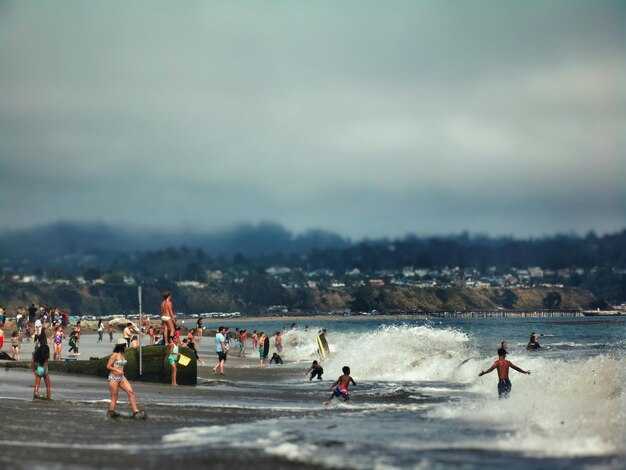
Plan your Hawaii visit for late April through early June, or September through mid-December, to enjoy warm seas, light trade winds, and lots of sun with smaller crowds. You’ll often find extra discounts on flights and hotels when you book several months ahead, and you can dodge the Weihnachten peak by shifting your dates by a few weeks.
Weather ranges are predictable in these windows: daily highs around 27-29°C, sea temps 76-80°F, and showers that rarely interrupt beach days. Midweek visits in May or September tend to be quieter, with many attractions operating at full speed and airlines offering cheaper fares. For families, these weeks also mean shorter waits at popular spots, and lots of flexibility to adjust plans.
Budget-wise, you’ll see pennies saved on meals by choosing lunch specials, and you can stretch your dollars further with multi-night stays and island-hopping strategies. This article uses data on average hotel rates, which dip by 15–25% in May and September, and on average 10–18% cheaper midweek. Since prices vary by island, consider splitting time between Oahu, Maui, Kauai, and the Big Island to maximize value and experiences.
On the Big Island, late spring and early fall offer calm conditions for snorkeling and stargazing on clear nights; on Kauai, May and October deliver lush hikes with fewer hikers. Oahu draws most visitors year-round, but May and September keep crowds modest while you catch major events like football fans gathering at local bars during autumn games. Maui balances big-wave season in winter with gentle months in the shoulder seasons for families and couples.
Dies article Highlights Küche and culture: you’ll taste fresh tuna bowls, poke, and fusion plates that nod to Japan influences while staying Hawaiian in flavor. The history of the islands unfolds in royal sites, petroglyphs, and coastal towns spread throughout the archipelago, offering a dense itinerary for every pace.
To plan with confidence, this complete guide helps you pick your window (late April–early June or September–mid-December), book 3–6 months ahead for the best rates, and spread stays across two or more islands to reduce fatigue. Since flights typically land in Honolulu, Kahului, or Lihue, structure your trip so you move through Oahu, Maui, Kauai, and the Big Island in turn, with a flexible schedule you can adjust into different priorities at each stop.
Month-by-month weather snapshot across major islands
Plan your Hawaii trip for April, May, or early June to balance warm days, gentle tradewinds, and lower rainfall throughout Maui, Oahu, Kauai, and the Big Island.
January: Cool nights and mild days set a comfortable baseline across the four islands. Highs generally range from 75–82°F, with night temps dipping into the 60s. Tradewinds are typically moderate, keeping humidity pleasant and supporting long outdoor explorations. Rainfall concentrates on windward coasts (Kauai’s north shore, Oahu’s windward belt) and lasts only a few hours before sun returns. Expect 6–8 hours of sun daily; sea temps run about 72–76°F, which still makes swimming feasible on sheltered shores. Maui and the Big Island offer reliable access for hikes and draping coastal scenery, and accommodations remain accessible throughout the center of the month, unless you seek exclusive island tours.
February: The pattern holds, with daytime highs in the mid-70s to low-80s and cooler evenings in the 60s. Rain remains episodic on windward zones but becomes less persistent as the month progresses. Water stays comfortable for swims, around 72–76°F, and visibility improves for snorkeling off protected bays. Trade winds often stay steady, making mornings ideal for a run or a snorkel before crowds shoulder up near resort centers. If you’re planning vacations with a focus on cuisine and cultural activities, you’ll find good options across all four islands throughout February.
March: Warmer days arrive, and hours of sun extend toward 7–9 each day. Highs hover in the mid-70s to low-80s, with nights warming into the 60s. A light breeze from the tradewinds keeps the air fresh, and rainfall eases, especially on leeward shores. It’s a great time for swim-friendly coastlines, calm sea conditions around Molokini and Kailua-Kona, and long hikes on Maui’s upslope trails. Historically, March shifts tourism into a steady cadence, with mid-month deals appearing and longer days encouraging flexible itineraries.
April: The dry-season sweet spot persists. Temperatures stabilize in the mid-70s to mid-80s, while nights stay comfortable in the 60s. Trade winds continue to blow lightly, or moderate, delivering pleasant comfort for outdoor activities and sightseeing. Sunshine dominates, with minimal shower interruptions and excellent visibility for ocean activities. This month often brings strong demand for beach days and family vacations, but you’ll still find good-value accommodations and straightforward airline options if you book early.
May: Clear skies and warm water characterize May across Maui, Oahu, Kauai, and the Big Island. Highs typically reach 80–86°F, with nights remaining in the 60s to low 70s. Rain remains sparse outside of isolated showers on windward coasts. Ocean temps climb toward 76–79°F, making snorkeling and swimming particularly inviting. Booking windows open wide for vacations, and center resorts frequently offer value-added packages. May is a reliable bet if you want consistent weather with ample daylight hours.
June: Summer settles in with long days and vibrant beach life. Daytime highs commonly sit around 82–89°F, with nights cooling into the 60s. Tradewinds stay steady, offering comfortable air movement and reducing humidity. Rain remains light, mostly confined to brief showers on windward shores. Water remains warm enough for easy swims and paddle adventures, and visibility improves for reef snorkeling off sheltered coves. June marks the start of the peak travel window for many families, so plan ahead to secure preferred accommodations and activities.
July: Heat and activity rise as schools pause for summer. Daytime highs press into the mid-80s to around 90°F, with muggy afternoons possible in some districts. Nights stay pleasant, but humidity can feel elevated. Ocean temps hover near 79–82°F, perfect for swimming and stand-up paddleboarding. Crowds increase across all islands, especially on Oahu’s south shore and Maui’s resort strip, so book activities directly and secure seats early for boats and tours. If you want quieter moments, target early mornings or the shoulder pockets around the weeknights.
August: The summer heat persists, with mostly sunny skies and strong visibility. Highs linger in the mid-80s to near 90°F; nights remain comfortable in the 70s on most nights. Tradewinds remain a friend, but some days bring a heavier feel in the afternoons. Water stays warm enough for extended swims and snorkeling, and many beaches stay ideal for families. Expect lively tourism scenes, but you still find pockets of quiet along certain shorelines or during midweek hours.
September: Shoulder-season calm returns with fewer crowds and excellent conditions for outdoor pursuits. Daytime highs usually run in the low to mid-80s, with nights cooling into the 70s. Trade winds remain light to moderate, keeping humidity manageable. Ocean water remains warm, around 79–81°F, making snorkeling and reef swims particularly enjoyable. You’ll likely find exclusive deals on accommodations and activities as demand cools post-summer, especially on the Big Island and Kauai.
October: Pleasant temperatures and strong sun hours define October. Day highs in the upper 70s to mid-80s, nights in the 60s to low 70s. Trade winds pick up again, delivering comfortable breezes and improving air quality for outdoor adventures. Rain stays irregular, mostly isolated showers on windward sides. Water temperatures stay inviting, supporting kayak trips, paddleboarding, and beach days across all islands.
November: The transition to wetter season begins. Temperatures drift toward 75–83°F by day and 65–72°F at night. Rain becomes more common on windward coasts, and the north shore may begin to feel breezy with larger surf spikes, signaling the start of winter patterns. Water remains warm enough for swims, but be prepared for occasional squalls, especially after storms. The shift can drive savings on accommodations, appealing to travelers who want value without sacrificing access to iconic experiences.
December: Cooler nights and increased rain on windward fronts mark the holiday month. Highs land in the 70s to low 80s, while nights fall to the 60s. Ocean temps stay welcoming, around 75–79°F, supporting continued swimming and snorkeling on leeward shores. The holidays bring a steady rise in tourism activity, so book flights and center-based activities early. Winter swells boost surfing on Oahu’s north shore, while Maui’s and Kauai’s calmer lagoons attract families looking for reliable vacations through the center of the month.
Seasonal planning notes
Throughout the year, Maui, Oahu, Kauai, and the Big Island offer reliable windows for swim, hike, and cuisine experiences. If you want to avoid the crowds, aim for April–May or September–October, when deals on accommodations and airline itineraries tend to appear directly from providers. For best access to exclusive tours or center-centered itineraries, book well in advance and coordinate with your preferred airline and activity partners.
Island highlights by month
Across all major islands, keep in mind that the northern shores carry bigger surf in winter, while southern and leeward coves stay friendlier for calm swims and snorkeling. Maui’s volcanic coastlines offer dramatic draping scenery and accessible coastal hikes, while Kauai’s lush valleys reward those chasing waterfall vistas. The Big Island’s diverse terrain means microclimates–temperate rainforest in one valley and sun-soaked lava fields in the next–so plan flexible days to maximize your time and accommodations throughout the trip.
Crowd patterns at beaches, hikes, and popular towns
Start your beach day before sunrise; youll enjoy cool air, calmer water, and parking that’s easier. For variety, pick two beaches on different sides of the island to spread crowds and to compare calm bays with lively stretches. Traditional morning rituals set the pace, and exploring early lets you feel the shoreline still before the first waves of visitors arrive.
Best windows and data: Weekday mornings before 9am are typically 40-60% quieter than weekend midday peaks. On busy coastlines, the last hour before noon still draws families and local residents; plan extra time for parking and short strolls along the sand. Alerts from park services and weather apps help you adapt if clouds build or storms approach. If a storm hits, shift to a sheltered beach you still find enjoyable, or move to a nearby hike with easier footing there.
Hikes: Start early to beat crowds; typical windows 6:30-7:30am on weekdays. There, the first hours after sunrise are busiest on Saturday and Sunday, but you’ll still find space if you go off the main routes. Bring water, a light jacket, and a map; creatures like birds and lizards often greet explorers on the first switchback. After showers, you can expect rainbows overhead, a perfect moment for photos.
Popular towns: Markets and waterfront dining draw traveler crowds, especially on Sunday. The Sunday flow hits the central lanes first, then fans out to side streets; to maximize calm, walk the quieter alleys or explore neighborhood shops after 10am. Vendors usually handle cash and card transactions; you’ll often get a quick, friendly answer from locals about where to find fresh fruit or a quiet cafe. If you’re exploring with a plan, you can catch a live event or street performance and still stay on budget there.
Patterns vary by island side and season; the south and west sides tend to be calmer in the morning, while the north shore sees more surfers in winter and more hikers on weekends. This variation means you can adjust your plans by checking local alerts and choosing alternate spots if a favorite beach fills up. Typically, the best window is 6-9am, but you may find still emptier options by going 30-60 minutes later on an adjacent side. Bringing a small map and a flexible plan helps you explore safely and still keep your schedule intact there.
Bottom line: if an event or a late airport arrival disrupts your plan, adjust by exploring nearby beaches or towns; an alternative plan is a solid compensation for the disrupted schedule. For a traveler, staying flexible and exploring options is part of the experience, and you’ll find the answer in the calm morning hours, the sheltered trails, and the welcoming corners of local towns.
Where to snag flight and hotel deals by season

Target shoulder seasons: specifically April–May or September–October, when flight and hotel rates drop 15–40% versus peak periods and the weather stays pleasant across the islands. The answer for savvy travelers is to choose these windows, enjoying short lines at top attractions and more affordable nightly rates. Craft your search with flexible dates, multiple airports, and bundle options, then price alerts are applied so you receive updates as prices shift.
Spring is a sweet window to save: bundles pairing flight + hotel can cut total costs by 20–35%. Start with price alerts that apply to Hawaii routes, then check airline bundles and loyalty offers. Portions of your savings come from midweek departures, so skip weekend flights when possible and keep a flexible itinerary. Specifically, look for options that include a car rental or resort credit, which can be applied at checkout, and that can mean more budget for experiences.
Summer mostly brings crowds, but midweek stays and bundles can still save you 10–25% on nightly rates versus weekend visits. Book 6–12 weeks in advance to lock in lower fares, and compare routes among Honolulu (HNL) and island-specific nodes like Maui (OGG) or Kauai (LIH) for island promos. Night rates often dip on weekdays, and longer stays (four to seven nights) unlock further discounts on hotels.
Fall is a hidden gem for deals: exclusive offers pop up on smaller islands when demand slows after the summer rush. Sign up for hotel newsletters and fare alerts, then watch for last-minute openings on rooms or bundles. If you time your trip to align with autumn floral parades, with flowers and performances, prices drop further and you receive richer experiences for less.
Winter remains a peak window, yet you can still save by targeting midweek stays and bundles after holiday surcharges fade. Look for late January to February windows where rates soften across the islands, and consider four-night minimums to unlock discounts. Portions of your itinerary–several nights on different islands–can stack value when you book as a single package, helping you receive more value per day.
Where to search for deals and how they get applied: start with major flight aggregators, then compare directly on airline and hotel sites. Sign up for newsletters from Hawaii hotels, and craft a plan to harvest exclusive bundles during the seasons. For the sake of a smooth trip, skip opaque rates and verify the total price before you receive the final numbers. You will receive clear values, and you can time your booking to snag a sweet alignment of flights and rooms.
Wichtige saisonale Aktivitäten: Walbeobachtung, Surfen und Wanderfenster
Buchen Sie das Walbeobachtungsfenster von Dezember bis April und nehmen Sie an einer Morgentour teil, um die besten Begegnungen mit Buckelwalen zu erleben; sichern Sie sich einen vertrauenswürdigen Anbieter und überprüfen Sie eine Heatmap der Menschenmengen, um die Ankunftszeiten so zu planen, dass Sie die kürzesten Warteschlangen und den einfachsten Zugang zu den Deckplätzen haben.
Walbeobachtungsfenster
- Beste Monate: Mitte Dezember bis Mitte April auf Oʻahu; frühmorgendliche Abfahrten zwischen 7:00 und 9:00 Uhr maximieren die Sichtungen und sorgen für ruhige See.
- Wählen Sie ein exklusives Paket; einige Angebote beinhalten einen kurzen Landaufenthalt mit kulturell informativen Kunstgeschichten und einer beispielhaften Begegnung mit einem freundlichen Reiseleiter; gelegentliche Stornierungen sind zu erwarten, falls die Passatwinde auffrischen oder die See rau ist.
- Ankünfte aus Japan und/oder anderen Märkten buchen typischerweise im Voraus; planen Sie mindestens drei Wochen ein, um sich einen Platz während der Veranstaltungstage zu sichern; Reisen sind im Dezember und Januar schnell ausgebucht; wenn Sie Flexibilität benötigen, wählen Sie Optionen mit einer kulanten Stornierungsrichtlinie.
- An Spitzentagen ist viel los; bringen Sie leichte Kleidung, eine Kamera mit Zoomobjektiv und eine Entdeckermentalität mit. Wenn sich kein Wal zeigt, gibt es an der Küste Delfine und Seevögel, die die Reise dennoch lohnenswert machen.
- Tipp: Verwenden Sie eine Heatmap-Detailansicht, um die am wenigsten frequentierten Tage auszuwählen, und achten Sie auf frühe Abfahrtszeiten, um den Zugang zu den Sitzplätzen zu maximieren.
- Brauchen Sie einen Plan B? Einige Touren bieten malerische Küstenlinien, selbst wenn sich die Wale scheu zeigen, sodass Sie trotzdem eine atemberaubende Aussicht und tolle Fotos genießen können.
Surf- und Wanderfenster
- Surfen: Die Wellen an der North Shore erreichen ihren Höhepunkt von November bis Februar mit gewaltigen Wellen; die Wellen an der South Shore dominieren von Mai bis September und sind ideal für einfache Lektionen; buchen Sie ein anfängerfreundliches Board-und-Unterrichts-Paket.
- Passatwinde geben ein Signal für die Tagesplanung; morgens herrschen kühlere Temperaturen und stabilere Winde, während es nachmittags an exponierten Stränden böig werden kann.
- Wanderfenster: April–Oktober bieten die trockensten Bedingungen auf Oʻahu; beginnen Sie früh (gegen 6:00–9:00 Uhr), um Hitzewallungen und viele Menschen auf beliebten Wanderwegen wie Diamond Head, Manoa Falls und dem Koʻolau-Kamm zu vermeiden.
- So kann es beispielsweise vorkommen, dass sich die Wohltätigkeitswanderung eines Prinzen gelegentlich mit Veranstaltungen im Bezirkspark überschneidet. Informieren Sie sich daher in den lokalen Verzeichnissen, führen Sie Wasser, Sonnenschutz und eine Karte mit sich. Erkunden Sie nach einer Wanderung die nahegelegenen Kunst- und Gastronomieangebote in der goldenen Innenstadt, um den Tag abzurunden.
- Eines ist zu beachten: Einige Wanderwege führen über steile Abschnitte bergab; tragen Sie festes Schuhwerk und beachten Sie die Wetterwarnungen.
Saisonale Packtipps und Routenoptimierungen für verschiedene Monate

Bestätige zunächst den Monat deines Besuchs und packe ein mehrschichtiges Set ein: atmungsaktive T-Shirts, schnelltrocknende Shorts, eine leichte Regenjacke, riffsichere Sonnencreme, ein kompaktes Handtuch und einen kleinen Tagesrucksack. Diese Teile passen sich der Küstenhitze und den höheren Lagen an, wo die Temperaturen an Vulkan-Aussichtspunkten sinken können.
Plane Routen monatlich, um das Tageslicht zu maximieren und Menschenmassen zu minimieren. Mache frühmorgendliche Fahrten zu Aussichtspunkten auf den Vulkanen von Big Island, und buche dann mehrtägige Inselrouten im Voraus, um die besten Chancen auf klaren Himmel zu sichern. Nutze Ressourcen wie lokale Karten, Parkwarnungen und exklusive Reiseführer, um die Tage zu strukturieren und einen flexiblen Plan B zu haben.
Packen Sie in feuchteren Zeiten, einschließlich der in der Regenzeit üblichen Regenfälle, eine verstaubare Regenjacke, ein Mikrofasertuch, zusätzliche Socken und wasserabweisendes Schuhwerk ein. Denken Sie an einen Sonnenhut, eine Sonnenbrille und Sonnencreme für exponierte Grate. Vergessen Sie nicht, einen wasserdichten Beutel für Elektronik und einen kompakten Reiseschirm mitzunehmen, da sich die Bedingungen in höheren Lagen schnell ändern können.
Von April bis Juni sind die Wanderwege ruhiger und die Hotelpreise günstiger. Packen Sie also ein leichtes Fleece oder eine Strickjacke für kühle Abende ein. Für flexible Tagespläne sollten Sie einen kompakten Regenschirm und schnell trocknende Kleidung einpacken, besonders wenn Sie Fahrten zum Krater mit Küstenwanderungen kombinieren. In diesen Monaten empfiehlt es sich auch, Wanderungen am Morgen und Inselhüpfen am Nachmittag zu planen, um die angenehmen Passatwinde zu nutzen.
Juli bis September bringen warme, beständige Bedingungen und mehr Besucher. Beginnen Sie Wanderungen vor Sonnenaufgang, führen Sie ausreichend Sonnencreme und Flüssigkeit mit, und buchen Sie beliebte Aktivitäten weit im Voraus, um ausverkaufte Termine zu vermeiden. Für Tage an der Küste helfen leichte Schichten plus ein atmungsaktiver Hut, die hübsche Landschaft zu genießen, ohne zu viel einzupacken.
Von Oktober bis Dezember kommt es an der Nordküste und auf den Vulkanrouten zu wechselnder Luftfeuchtigkeit und gelegentlichen Schauern. Packen Sie eine gute Regenjacke, feuchtigkeitsableitende Kleidung und wasserdichte Beutel für Ihre Elektronik ein. Informieren Sie sich über die neuesten Lava-Fluss-Updates und Verkehrsprognosen und planen Sie Ihre Tagesausflüge so, dass Sie früh ankommen und flexibel abgeholt werden können. Mit sorgfältiger Planung finden Sie exklusive Aussichtspunkte für den Sonnenuntergang und ruhigere Abende.
Zusammenfassung: Indem Sie Packen und Routen auf den jeweiligen Monat abstimmen, maximieren Sie den Komfort, reduzieren Sie Abfall und erschließen Sie ein hervorragendes Preis-Leistungs-Verhältnis durch intelligentere Buchungen und Ressourcen, einschließlich Strategien für Vulkanblicke und Inselhüpfen das ganze Jahr über.