


 Українська
  English (UK)
  Русский
  বাংলা
বাংলা  العربية
  日本語
日本語  한국어
한국어  Magyar
  Norsk nynorsk
  Türkçe
  עִבְרִית
  Español
  Čeština
  Svenska
  Português
  Ελληνικά
  Suomi
Suomi  Nederlands
  Română
  Italiano
  Français
  Polski
  Deutsch
  简体中文
简体中文  Slovenčina
  Српски језик
  اردو
اردو  Azərbaycan dili
  O‘zbekcha
  አማርኛ
አማርኛ 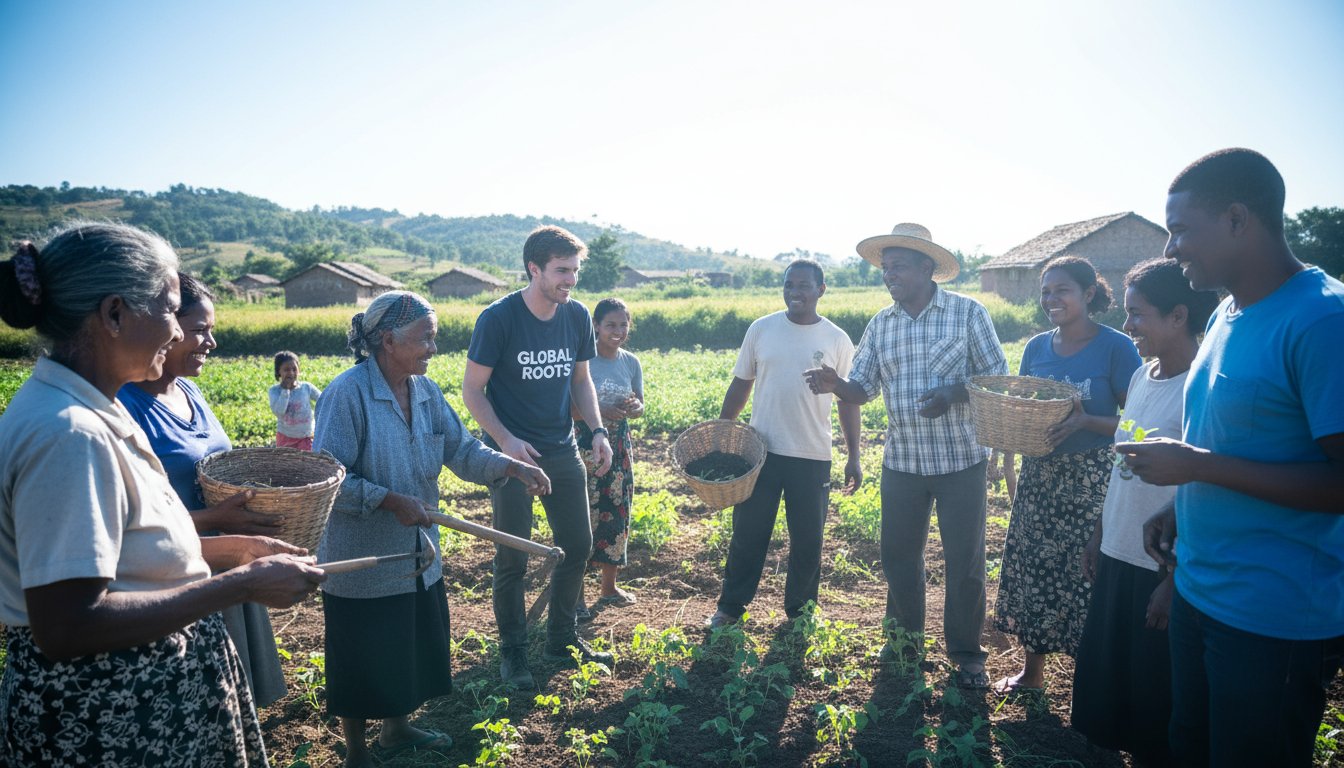 Doing Good, Right: How to Volunteer Abroad Safely and Mindfully">

The desire to volunteer abroad is driven by a noble intention: to contribute to communities, learn new skills, and gain a global perspective. However, the voluntourism industry is complex, and good intentions are not always enough. To ensure that your efforts are genuinely beneficial and responsible, and to protect your own well-being, it is crucial to approach the experience with a mindset of safety, mindfulness, and rigorous ethical evaluation. Learning How to Volunteer Abroad Safely and Mindfully means distinguishing between exploitative programmes and those that facilitate sustainable, community-driven development.
Mindful volunteering begins with self-assessment. Before committing to a project, honestly evaluate your skills and qualifications. The most valuable volunteers fill skills gaps that locals cannot, such as specialised engineering, medical expertise, or advanced teaching credentials. Conversely, taking on roles that locals can perform, such as basic construction or simple administrative tasks, can displace local workers and harm the very economy you intend to support. A responsible volunteer acts as a facilitator and teacher, not a replacement.
Due Diligence: Choosing an Ethical Programme
The single most important step in learning How to Volunteer Abroad Safely and Mindfully is the meticulous vetting of the host organisation. The proliferation of “voluntourism” programmes means many organisations are prioritising profit and the volunteer’s experience over genuine community impact.
- Needs Assessment Check: A credible organisation bases its projects on a direct needs assessment performed by the host community. They should clearly articulate the long-term goals and how short-term volunteer labour contributes to them. Avoid programmes with vague objectives.
- Local Leadership: The programme must be locally led. Check if the organisation’s staff, project managers, and directors are local residents. This ensures that the decisions are culturally sensitive and aligned with the community’s best interests. A foreign-led project often perpetuates a colonial structure.
- Ethical Review of Projects: Be sceptical of projects that involve working with vulnerable groups, particularly orphanages (which can foster institutionalisation) or construction projects that require no specialised skills. For any project involving children, ensure the organisation has extremely strict child protection policies and background checks for all volunteers.
Safety and Preparedness: Protecting Yourself
While the primary focus is on ethical contribution, learning How to volunteer abroad safely is non-negotiable for a positive experience. This involves thorough physical, logistical, and cultural preparation.
- Health and Insurance: Get a comprehensive medical check-up, make sure all necessary vaccinations are up-to-date, and purchase robust travel insurance that specifically covers emergency evacuation and the type of work you'll be doing. Always travel with a basic first-aid kit tailored to the local environment.
- Logistical Security: Register your travel plans with your home country’s embassy or consulate. Share your itinerary with trusted friends or family. For personal safety, always travel with a mate in unfamiliar areas, avoid walking alone at night, and keep valuable items securely stored.
- Organisational Transparency: A reliable organisation will provide detailed information on living conditions, local safety risks, and clear emergency protocols. If a programme is secretive about where you will be staying or what the conditions are, reconsider.
Cultural Mindfulness and Contribution
Mindful volunteering requires a deep commitment to cultural adaptation and respect. Your role isn't to impose your own cultural values or solutions but to understand and support the community's existing framework.
- Cultural Sensitivity Training: Take the time to learn the basics of the local language, etiquette, and social customs. Understanding taboos regarding dress, eye contact, or public behaviour can prevent accidental offence and facilitate better integration.
- Sustainable Giving: Do not simply hand out unsolicited money or goods (like sweets or pens). This practice can create a dependency or even a begging economy. Instead, channel all contributions through the local project leadership, who can allocate resources based on genuine need.
- Be Patient and Humility: Projects often move slowly due to bureaucratic, climatic, or cultural reasons. Approach delays with patience and humility. Remember you are the guest, and your priority is to listen, learn, and offer support when and where it is truly needed. By following these guidelines, you can truly volunteer abroad safely and mindfully.