


 Українська
  English (UK)
  Русский
  বাংলা
বাংলা  العربية
  日本語
日本語  한국어
한국어  Magyar
  Norsk nynorsk
  Türkçe
  עִבְרִית
  Español
  Čeština
  Svenska
  Português
  Ελληνικά
  Suomi
Suomi  Nederlands
  Română
  Italiano
  Français
  Polski
  Deutsch
  简体中文
简体中文  Slovenčina
  Српски језик
  اردو
اردو  Azərbaycan dili
  O‘zbekcha
  አማርኛ
አማርኛ 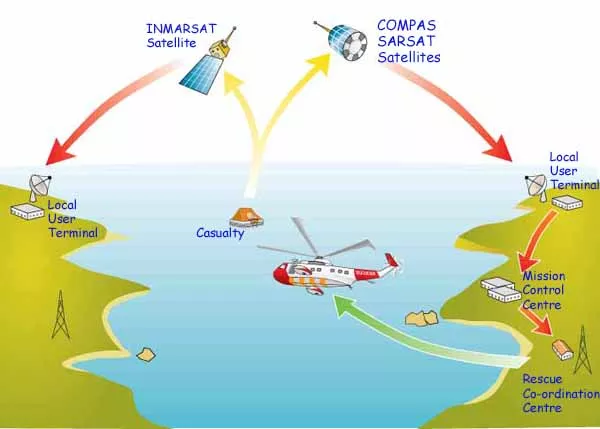 GMDSS: Practical Safety, Communications and Planning for Offshore Voyages">

Вимоги до супутників за морськими районами: безальтернативний операційний факт
Судна, що експлуатуються в Мореплавна зона A3 повинен мати супутниковий зв'язок, здатний передавати Цифровий вибірковий виклик (DSC) і зареєстрований EPIRB 406 МГц пов’язано з Cospas-Sarsat. Для чартерних капітанів та операторів флоту це є базовою регуляторною та логістичною перевіркою перед будь-яким морським переходом.
Хребет: еволюція від слухового спостереження до автоматичного сповіщення про небезпеку
Перехід від старої моделі “слухової вахти” до Глобальна морська система зв'язку під час лиха та забезпечення безпеки (GMDSS) усунуто залежність від безперервного людського прослуховування та запроваджено автоматичне сповіщення. З моменту переходу 1999–2005 років від обов'язкового чергування прослуховування на частоті 2182 кГц та УКХ-каналі 16, сигналізація лиха залежить від цифрових рукостискань, супутникових сигналів та інтегрованих даних про місцезнаходження, що гарантує досягнення центрів координації рятувальних робіт, навіть коли екіпаж недієздатний.
Основні компоненти та їхні операційні ролі
GMDSS — це багаторівнева система, яка разом забезпечує три основні функції: сповіщення, координація пошуково-рятувальних робіті Морська інформація з безпеки (MSI) розповсюдження. Архітектура поєднує наземні УКХ/ДХ/КХ з супутниковими послугами від таких постачальників, як Інмарсат і Cospas-Sarsat, і тепер включає пропозиції, схвалені GMDSS, від Iridium Certus.
Морські райони: короткий огляд
| Морська зона | Coverage | Типові необхідні комунікації |
|---|---|---|
| Зона A1 | Діапазон радіостанцій узбережжя УКХ (~20–30 морських миль) | УКХ ЦИВ |
| Зона А2 | Діапазон МХ прибережної станції (до ~100 морських миль) | МФ ДСК |
| Зона А3 | Покриття супутниками Inmarsat (від 70° пн. ш. до 70° пд. ш.) | Супутниковий зв'язок або КХ ЦИВ |
| Зона А4 | Полярні регіони (за 70° широти) | HF DSC з NBDP |
Перелік обладнання для офшорних операцій
- УКХ ЦИВ радіо з програмуванням MMSI
- EPIRB (406МГц), зареєстрований і з правильним HEX ID
- АІС-САРТ або RADAR SART для локального пошуку
- НАВТЕКС або приймач, сумісний із SafetyNET, для MSI
- Радіостанція КХ (якщо працюєте в A3/A4 або як резерв)
- Супутниковий термінал — Inmarsat, Iridium Certus, чи комерційні системи
DSC & MMSI: the digital handshake
Digital Selective Calling converts the distress sequence into a data burst that includes a vessel’s nine-digit MMSI. When DSC is tied to GPS, the distress call broadcasts accurate coordinates, reducing human error in rapidly deteriorating situations. DSC radios also function as targeted pagers to reach a specific vessel or shore station.
Iridium versus Starlink: safety versus speed
Iridium Certus offers global, GMDSS-approved coverage with pre-emption protocols designed to protect distress traffic. Starlink provides high-speed, low-latency commercial internet ideal for weather GRIBs and creature comforts, but it lacks the regulated priority and guaranteed delivery that GMDSS satellites provide. For practical redundancy many operators pair Starlink for data-heavy use and Iridium for the immutable safety link.
EPIRBs, SARTs and local recovery
EPIRB 406 МГц remains the ultimate last-resort beacon to alert satellites. Modern units often combine with АІС-САРТ, which displays a precise target on nearby chartplotters, dramatically improving local pickup chances over traditional radar SARTs.
Integration, installation and maintenance
Linking VHF, AISі GPS over an NMEA 2000 backbone ensures distress messages carry accurate position data. Aerial placement, power budgeting for HF sets, and corrosion control for coax and connectors are practical installation matters that can decide success or failure in an emergency.
- Routine checks: EPIRB battery and registration, MMSI and radio programming, NAVTEX message logs
- Annual servicingAIS transponder, HF tuner alignment, aerial integrity
- Pre-departure: confirm DSC function, GPS feed, and satellite link status
To have a mind to prepare correctly, skippers and charter companies should adopt a maintenance routine and checklist that becomes as normal as provisioning and fuel planning.
The key points above highlight why GMDSS knowledge matters not only for safety but for tourism operations such as yacht charters and cruise packages. Even the most detailed reviews and honest feedback can’t substitute for personal experience at sea. On GetExperience, you book your experience from verified providers at reasonable prices. This empowers you to make the most informed decision without unnecessary expenses or disappointments, and GetExperience offers a wide variety of tours worldwide to suit any preference and budget. Book now GetExperience.com
In summary: ensure your vessel’s equipment matches the Sea Area you will traverse, prioritise DSC/MMSI registration, carry a registered EPIRB and consider an Iridium Certus safety link alongside any commercial Starlink service. Maintain aerials and power systems, integrate radios with navigation networks, and rehearse emergency procedures regularly. Proper planning preserves lives and enhances travel experiences, whether you’re booking yacht parties, luxury adventure travel experiences, cruise packages, safari tours or museum tours with live guides — and even supports options from online virtual tours to interactive online cultural workshops. Travel experiences and adventure activities begin with dependable communications and safety systems, from beginner esports coaching sessions to exclusive yacht charters for events, and from eco-friendly wildlife safaris to adventure rafting trips for beginners; the right GMDSS setup underpins them all.