


 עִבְרִית
  English (UK)
  Русский
  বাংলা
বাংলা  العربية
  日本語
日本語  한국어
한국어  Magyar
  Norsk nynorsk
  Türkçe
  Español
  Čeština
  Svenska
  Português
  Ελληνικά
  Suomi
Suomi  Nederlands
  Română
  Italiano
  Français
  Polski
  Українська
  Deutsch
  简体中文
简体中文  Slovenčina
  Српски језик
  اردو
اردو  Azərbaycan dili
  O‘zbekcha
  አማርኛ
አማርኛ 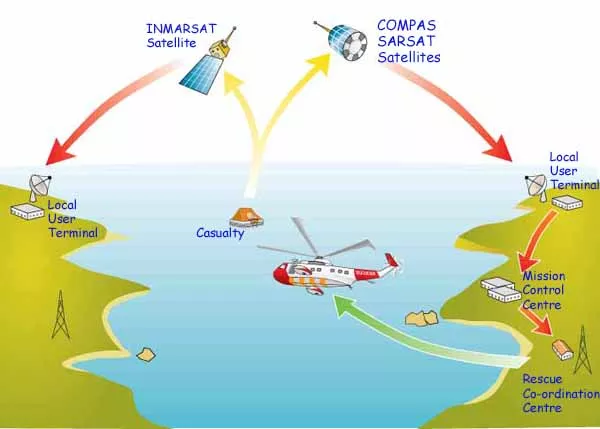 GMDSS: בטיחות מעשית, תקשורת ותכנון למסעות ימיים למרחקים.">

Satellite requirement by Sea Area: a non-negotiable operational fact
Vessels operating in Sea Area A3 must carry satellite-capable communications able to transmit Digital Selective Calling (DSC) and a registered EPIRB 406MHz linked to Cospas-Sarsat. For charter skippers and fleet operators this is a basic regulatory and logistical checkpoint before any ocean passage.
The backbone: evolution from aural watch to automated distress
The shift from the old “aural watch” model to the Global Maritime Distress and Safety System (GMDSS) removed reliance on continuous human listening and introduced automated alerting. Since the 1999–2005 transition away from mandatory 2182kHz and VHF Channel 16 listening watches, distress signalling relies on digital handshakes, satellite pings, and integrated position data, ensuring alerts reach Rescue Coordination Centres even when crew are incapacitated.
Core components and their operational roles
GMDSS is a layered set of systems that together provide three essential functions: alerting, search and rescue coordination, ו Maritime Safety Information (MSI) dissemination. The architecture blends terrestrial VHF/MF/HF with satellite services from providers such as Inmarsat ו Cospas-Sarsat, and now includes GMDSS-approved offerings from Iridium Certus.
Sea Areas at a glance
| Sea Area | Coverage | Typical Required Comms |
|---|---|---|
| Area A1 | VHF coast station range (~20–30 nm) | VHF DSC |
| Area A2 | MF coast station range (to ~100 nm) | MF DSC |
| Area A3 | Inmarsat satellite coverage (70°N to 70°S) | Satcom or HF DSC |
| Area A4 | Polar regions (beyond 70° latitude) | HF DSC with NBDP |
Equipment checklist for offshore operations
- VHF DSC radio with MMSI programming
- EPIRB (406MHz), registered and with correct HEX ID
- AIS-SART or Radar SART for local recovery
- NAVTEX or SafetyNET-capable receiver for MSI
- HF radio (if operating in A3/A4 or as backup)
- Satellite terminal — Inmarsat, Iridium Certus, or commercial systems
DSC & MMSI: the digital handshake
Digital Selective Calling converts the distress sequence into a data burst that includes a vessel’s nine-digit MMSI. When DSC is tied to GPS, the distress call broadcasts accurate coordinates, reducing human error in rapidly deteriorating situations. DSC radios also function as targeted pagers to reach a specific vessel or shore station.
Iridium vs Starlink: safety versus speed
Iridium Certus offers global, GMDSS-approved coverage with pre-emption protocols designed to protect distress traffic. Starlink provides high-speed, low-latency commercial internet ideal for weather GRIBs and creature comforts, but it lacks the regulated priority and guaranteed delivery that GMDSS satellites provide. For practical redundancy many operators pair Starlink for data-heavy use and Iridium for the immutable safety link.
EPIRBs, SARTs and local recovery
EPIRB 406MHz remains the ultimate last-resort beacon to alert satellites. Modern units often combine with AIS-SART, which displays a precise target on nearby chartplotters, dramatically improving local pickup chances over traditional radar SARTs.
Integration, installation and maintenance
Linking VHF, מערכת זיהוי אוטומטית, ו GPS over an NMEA 2000 backbone ensures distress messages carry accurate position data. Antenna placement, power budgeting for HF sets, and corrosion control for coax and connectors are practical installation matters that can decide success or failure in an emergency.
- Routine checks: EPIRB battery and registration, MMSI and radio programming, NAVTEX message logs
- Annual servicing: AIS transponder, HF tuner alignment, antenna integrity
- Pre-departure: confirm DSC function, GPS feed, and satellite link status
To have a mind to prepare correctly, skippers and charter companies should adopt a maintenance routine and checklist that becomes as normal as provisioning and fuel planning.
The key points above highlight why GMDSS knowledge matters not only for safety but for tourism operations such as yacht charters and cruise packages. Even the most detailed reviews and honest feedback can’t substitute for personal experience at sea. On GetExperience, you book your experience from verified providers at reasonable prices. This empowers you to make the most informed decision without unnecessary expenses or disappointments, and GetExperience offers a wide variety of tours worldwide to suit any preference and budget. Book now GetExperience.com
In summary: ensure your vessel’s equipment matches the Sea Area you will traverse, prioritise DSC/MMSI registration, carry a registered EPIRB and consider an Iridium Certus safety link alongside any commercial Starlink service. Maintain antennas and power systems, integrate radios with navigation networks, and rehearse emergency procedures regularly. Proper planning preserves lives and enhances travel experiences, whether you’re booking yacht parties, luxury adventure travel experiences, cruise packages, safari tours or museum tours with live guides — and even supports options from online virtual tours to interactive online cultural workshops. Travel experiences and adventure activities begin with dependable communications and safety systems, from beginner esports coaching sessions to exclusive yacht charters for events, and from eco-friendly wildlife safaris to adventure rafting trips for beginners; the right GMDSS setup underpins them all.