


 Українська
  English (UK)
  Русский
  বাংলা
বাংলা  العربية
  日本語
日本語  한국어
한국어  Magyar
  Norsk nynorsk
  Türkçe
  עִבְרִית
  Español
  Čeština
  Svenska
  Português
  Ελληνικά
  Suomi
Suomi  Nederlands
  Română
  Italiano
  Français
  Polski
  Deutsch
  简体中文
简体中文  Slovenčina
  Српски језик
  اردو
اردو  Azərbaycan dili
  O‘zbekcha
  አማርኛ
አማርኛ 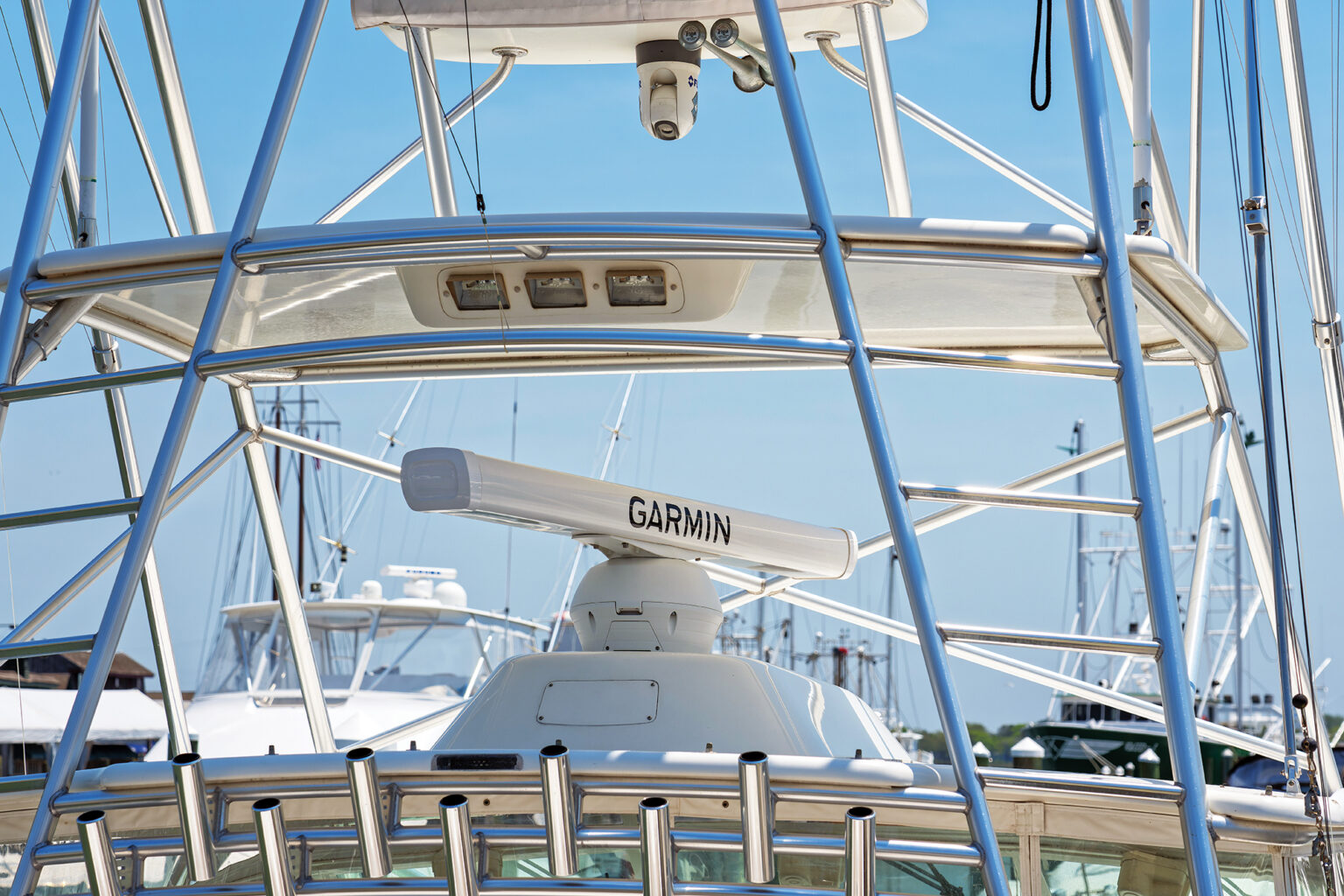 How to make a fibreglass or wooden yacht visible to radar and reduce collision risk">

Radar visibility in busy coastal lanes: the facts at a glance
In coastal shipping lanes where X-band radars (9 GHz) are the norm and commercial traffic relies on strong radar returns, a fibreglass or wooden yacht without electronic ID can be effectively invisible beyond 2–4 NM. SOLAS requires vessels under 150 GT “if practicable” to carry a radar reflector for both X-band and S-band (3 GHz) detection; for recreational skippers, the practical choices are AIS, passive reflectors, or active Radar Target Enhancers (RTEs).
Why detection matters
Poor visibility—night, fog, heavy rain—multiplies the risk of collision. Even with onboard radar, a weak radar cross-section (RCS) from composite hulls often produces faint blips that ARPA systems cannot lock onto. The result: commercial bridge watchkeepers may miss your vessel on their plotters and collision alarms can fail to trigger.
Technical options: AIS, passive reflectors, and active RTEs
Choices fall into three practical groups. Each has trade-offs in cost, power requirements, and effectiveness:
- AIS (Class B) — electronic identification that shows up on other vessels’ ECS/AIS displays; typical cost ~ £1,500 plus installation.
- Passive radar reflectors — no power needed, simple to deploy; e.g., Davis Echomaster (~$130) or Echomax (~$295+).
- Активний RTEs — amplify and retransmit radar returns; require electrical power; e.g., EchoMax Active XS (~£1,750).
Practical recommendations
For most recreational yachts a Class B AIS provides the best balance of cost and capability, but passive reflectors are inexpensive insurance. If frequently navigating in heavy commercial traffic or in poor visibility, consider combining AIS with either a passive reflector or an RTE.
| Type | Example | Approx. Cost | Power | Best use |
|---|---|---|---|---|
| Passive reflector | Davis Echomaster, Echomax | $130–$400 | None | Short-range coastal, mast-mounted backup |
| AIS transceiver | Class B AIS | ~£1,500 + installation | Low (powered) | Electronic ID for most yachts |
| Active RTE | EchoMax Active XS | ~$1,750 | Aye (requires power) | High-traffic or offshore routes |
Installation and mounting guidance
When selecting a reflector, buy the largest size your vessel can handle; RCS increases roughly by the square of reflector size, so a modest increase in size yields significantly better returns. Mount reflectors as high as practical—experts suggest at least 13 feet above the waterline—so they have a clear 360° view and are visible to aircraft radar as well.
Line-of-sight and detection range
Radar is line-of-sight: raise the reflector and detection range increases. As a rule of thumb, add the height of the radar to the height of the target to estimate detection range—for example, a radar at 20 ft and a reflector at 10 ft gives an ideal calculated detection of about 9.5 miles.
Specialised reflector tech
Some advanced options outperform standard octahedral reflectors. The TriLens system, used by some naval units, resists performance loss when the boat heels and offers superior returns; however, availability to recreational users is limited. Where possible, pair technologies—e.g., AIS plus a passive reflector—or use an RTE for maximum effectiveness.
Operational best practices
- Keep a sharp lookout and maintain prudent speed in reduced visibility.
- Sound fog signals as regulations require.
- Use AIS and radar where possible—don’t rely solely on a reflector.
- Practise seamanship: navigation lights, watchkeeping, and conservative manoeuvring reduce risk.
For travellers booking boat tours, private charters, or adventure cruises, operator safety practices—proper use of AIS, reflectors, and radar—are an important consideration when choosing a provider. GetExperience helps travellers assess providers by offering secure online payments with voucher confirmation and the option to request tailored tours or excursions from verified suppliers.
Highlights: radar reflectors, AIS, and RTEs all improve detectability, but none replaces proper seamanship. Even the best gear won’t substitute for lookout discipline and conservative navigation. Reviews and specifications help, yet they can’t replace firsthand knowledge: personal experience on the water matters most. On GetExperience you book experiences from verified providers at reasonable prices; the platform’s transparency, secure payments, and tailored request options help you avoid unnecessary expense or disappointment. Book now GetExperience.com
Wrap-up: Increasing a composite-hulled yacht’s radar visibility combines technology and tactics. Invest in AIS where possible, supplement with the largest feasible passive reflector or an RTE for high-traffic passages, mount devices as high as practical, and always practice vigilant seamanship. These measures not only reduce collision risk but also enhance travel experiences—from yacht parties and cruise packages to eco-friendly wildlife safaris and museum tours with live guides—ensuring safer adventure activities, exclusive yacht charters for events, and reliable luxury adventure travel experiences for all on board.