


 Norsk nynorsk
  English (UK)
  Русский
  বাংলা
বাংলা  العربية
  日本語
日本語  한국어
한국어  Magyar
  Türkçe
  עִבְרִית
  Español
  Čeština
  Svenska
  Português
  Ελληνικά
  Suomi
Suomi  Nederlands
  Română
  Italiano
  Français
  Polski
  Українська
  Deutsch
  简体中文
简体中文  Slovenčina
  Српски језик
  اردو
اردو  Azərbaycan dili
  O‘zbekcha
  አማርኛ
አማርኛ 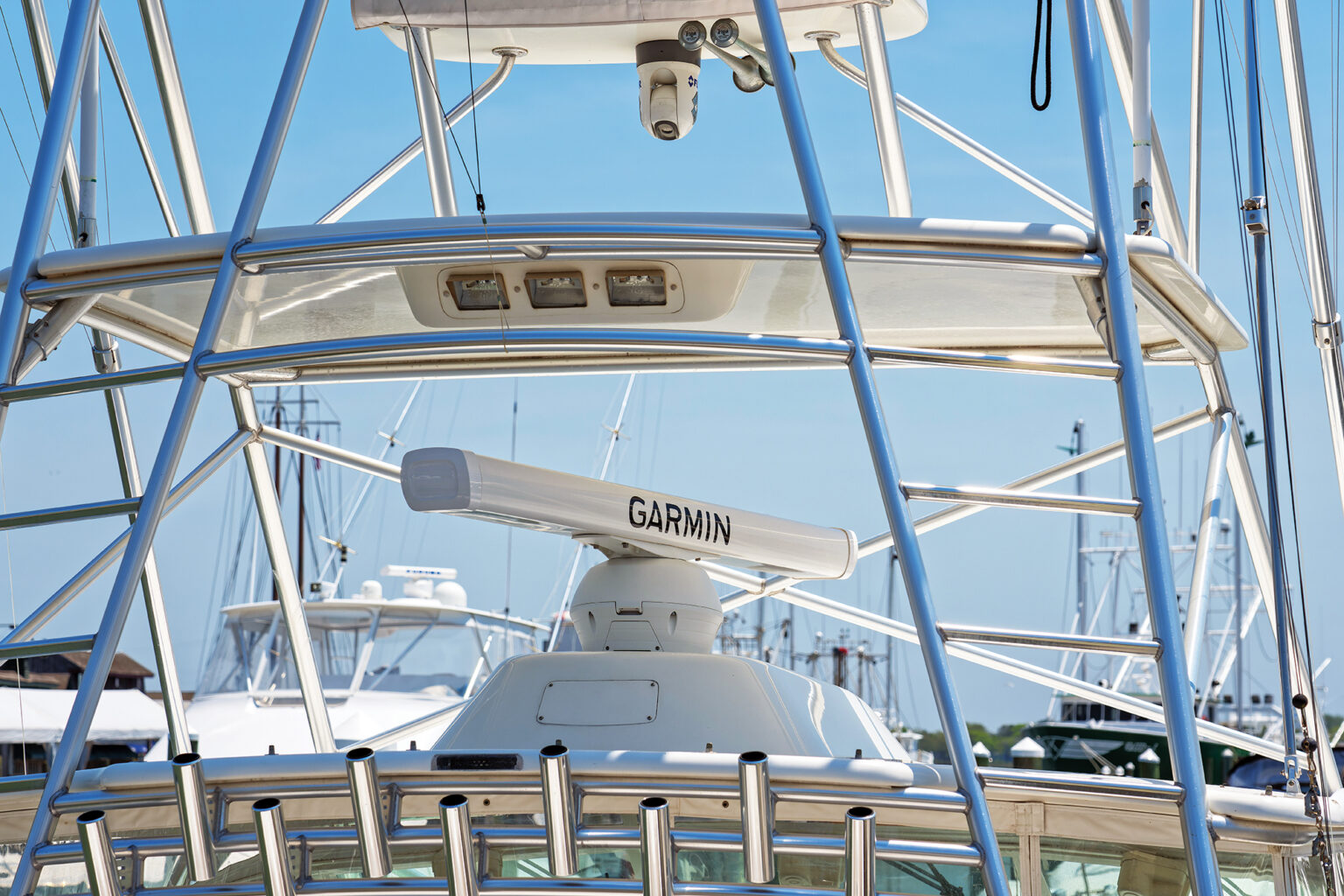 Agbara lati jẹ ki ọkọ̀ ojú omi fiberglass tàbí ti igi hàn sí rédà kí a sì dín ewu ìjàmbá kù">

Radar visibility in busy coastal lanes: the facts at a glance
In coastal shipping lanes where X-band radars (9 GHz) are the norm and commercial traffic relies on strong radar returns, a fiberglass or wooden yacht without electronic ID can be effectively invisible beyond 2–4 NM. SOLAS requires vessels under 150 GT “if practicable” to carry a radar reflector for both X-band and S-band (3 GHz) detection; for recreational skippers, the practical choices are AIS, passive reflectors, or active Radar Target Enhancers (RTEs).
Why detection matters
Poor visibility—night, fog, heavy rain—multiplies collision risk. Even with radar onboard, a weak radar cross-section (RCS) from composite hulls often produces faint blips that ARPA systems cannot lock onto. The result: commercial watchstanders may miss your vessel on their plotters and collision alarms can fail to trigger.
Technical options: AIS, passive reflectors, and active RTEs
Choices fall into three practical groups. Each has trade-offs in cost, power requirements, and effectiveness:
- AIS (Class B) — electronic identification that shows up on other vessels’ ECS/AIS displays; typical cost ~ $1,500 plus installation.
- Passive radar reflectors — no power needed, simple to deploy; e.g., Davis Echomaster (~$130) or Echomax (~$295+).
- Active RTEs — amplify and retransmit radar returns; require electrical power; e.g., EchoMax Active XS (~$1,750).
Practical recommendations
For most recreational yachts a Class B AIS provides the best balance of cost and capability, but passive reflectors are inexpensive insurance. If frequently navigating in heavy commercial traffic or in poor visibility, consider combining AIS with either a passive reflector or an RTE.
| Type | Example | Approx. Cost | Iṣẹ́ agbára | Best use |
|---|---|---|---|---|
| Passive reflector | Davis Echomaster, Echomax | $130–$400 | Оніі. | Short-range coastal, mast-mounted backup |
| AIS transceiver | Class B AIS | ~$1,500 + install | Low (powered) | Electronic ID for most yachts |
| Active RTE | EchoMax Active XS | ~$1,750 | Yes (requires power) | High-traffic or offshore routes |
Installation and mounting guidance
When selecting a reflector, buy the largest size your vessel can handle; RCS increases roughly by the square of reflector size, so a modest increase in size yields significantly better returns. Mount reflectors as high as practical—experts suggest at least 13 feet above the waterline—so they have a clear 360° view and are visible to aircraft radar as well.
Line-of-sight and detection range
Radar is line-of-sight: raise the reflector and detection range increases. As a rule of thumb, add the height of the radar to the height of the target to estimate detection range—for example, a radar at 20 ft and a reflector at 10 ft gives an ideal calculated detection of about 9.5 miles.
Specialized reflector tech
Some advanced options outperform standard octahedral reflectors. The TriLens system, used by some naval units, resists performance loss when the boat heels and offers superior returns; however, availability to recreational users is limited. Where possible, pair technologies—e.g., AIS plus a passive reflector—or use an RTE for maximum effectiveness.
Operational best practices
- Gbá ojú lọ́nà dáradára kí o sì yára kánkán pẹ̀lú ọgbọ́n nígbà tí ìríran bá dínkù.
- Yɛ sɛnea mmara kyerɛ no, bɔ nsɛnkyerɛnne a ɛkyerɛ sɛ ɛhɔ yɛ mfutuma.
- Ẹ̀ lo AIS àti rédà níbi tí ó bá ṣe é ṣe—má ṣe gbára lé atọ́ka nìkan.
- Ŋɔŋlɔŋ nyui tɔŋu: ŋɔŋlɔŋ gbɔŋgbɔŋ, ŋɔŋlɔŋ kpɔŋ, kple gbɔŋgbɔŋŋlɔŋɖeŋu nɔŋgbɔŋŋlɔŋŋlɔŋ.
မၢင်ႇတၢင်းၶဝ် ဢၼ်တိုၵ်ႉတ book ႁိူဝ်းသႅၼ်း၊ ႁူဝ်ႁိူဝ်းၸဝ်ႈၵဝ်ႇ၊ ဢမ်ႇၼၼ် ႁိူဝ်းၶၢဝ်းတၢင်းဢၼ်မ່ວນၸႂ်၊ လွင်ႈဢၼ်ၽူႈၵေႃႉႁဵတ်းၵၢၼ်ၼၼ်ႉ မၼ်ႈၵိုမ်းႁေႃႈႁိူဝ်းလီႁိုဝ်ဢမ်ႇလီ—ဢၼ်ဝႃႈ ၸႂ်ႉ AIS ၶႅမ်ႉလႅပ်ႈႁိုဝ်ဢမ်ႇၸႂ်ႉ၊ ႁဵတ်းႁိုဝ်ႁႂ်ႈလႅတ်းငၢႆႈ၊ လႄႈ ၸႂ်ႉ radar လီႁိုဝ်ဢမ်ႇလီ—ၸိူဝ်းၼႆႉ မၼ်းပဵၼ်လွင်ႈဢၼ်တုၵ်းယွၼ်းၼိူဝ်ၽူႈဢၼ်ႁဵတ်းၵၢၼ်ဢၼ်ၼိုင်ႈယဝ်ႉ။ GetExperience ၸွႆႈထႅမ်မၢင်ႇတၢင်းၶဝ် ႁႂ်ႈဢွၼ်ၵၼ်တူၺ်းလႆႈဝႃႈ ၽူႈႁဵတ်းၵၢၼ်ၼၼ်ႉ ၵႃႈၶၼ်မၼ်းလႅတ်းလႅမ်ယူႇႁိုဝ်ဢမ်ႇလႅတ်း၊ ဢၼ်ၼၼ်ႉၵေႃႈ ၸႂ်ႉလွၵ်းလၢႆးလႆႈငိုၼ်းဢွၼ်လိုင်းဢၼ်မၼ်ႈၵိုမ်းသေဢုပ်ႉပၼ် voucher ယိုၼ်ယၼ်၊ လိူဝ်ၼၼ်ႉ ၸၢင်ႈတုၵ်းယွၼ်းႁႂ်ႈဢွၼ်ႁဵတ်းပၼ်ၶၢဝ်းတၢင်းဢၼ်ၶႂ်ႈၵႂႃႇလႄႈ ဢွၼ်ၸတ်းပၼ် ဢၼ်မႃးတီႈ supplier ဢၼ်ၵူတ်ႇထတ်းယဝ်ႉၼၼ်ႉလႄႈ။.
Gịnị ndị mere eme: ihe nkiri radar, AIS, na RTEs na-eme ka a mata ihe, ma ọ dịghị nke na-anọchi anya ọrụ ụgbọ mmiri dị mma. Ọbụna ngwá ọrụ kacha mma agaghị edochi anya ọzụzụ nlegharị anya na njem ụgbọ mmiri nchekwa. Ntụleghachi na nkọwa na-enyere aka, ma ha enweghị ike iji ihe ọmụma sitere na aka dochie anya: ahụmịhe onwe onye na mmiri kacha mkpa. Na GetExperience ị na-ede akwụkwọ ahụmahụ sitere na ndị na-eweta ihe a kwadoro na ọnụahịa dị mma; nghọta nke ikpo okwu, ịkwụ ụgwọ echekwara, na nhọrọ arịrịọ emebere na-enyere gị aka izere mmefu ma ọ bụ ndakpọ olileanya na-enweghị isi. Debe ugbu a GetExperience.com
Ịkwụsị: Ịbawanye ọ̀tụ̀tụ̀ a na-ahụ ụgbọ mmiri nwere ahụ́ mejupụtara na radar na-ejikọta teknụzụ na atụmatụ. Tinye ego na AIS ka shiri enu, gbiyanju lati fi afikun reflekitọ palolo ti o tobi ju ti o ṣeeṣe tabi RTE fun awọn aaye gbigbe ti o ga, gbe awọn ẹrọ soke bi o ti ṣee ṣe, ki o si ma ṣe adaṣe ọgbọn ọkọ oju omi. Awọn igbesẹ wọnyi kii ṣe dinku eewu ijamba nikan ṣugbọn o tun mu awọn iriri irin-ajo pọ si—lati awọn ayẹyẹ ọkọ oju-omi kekere ati awọn idii irin-ajo ọkọ oju-omi kekere si awọn safari ẹranko igbẹ ti ore ayika ati awọn irin-ajo musiọmu pẹlu awọn itọsọna laaye—ni idaniloju awọn iṣẹ ṣiṣe ìrìn ailewu, awọn adehun ọkọ oju-omi kekere iyasoto fun awọn iṣẹlẹ, ati awọn iriri irin-ajo ìrìn igbadun ti o gbẹkẹle fun gbogbo eniyan lori ọkọ.